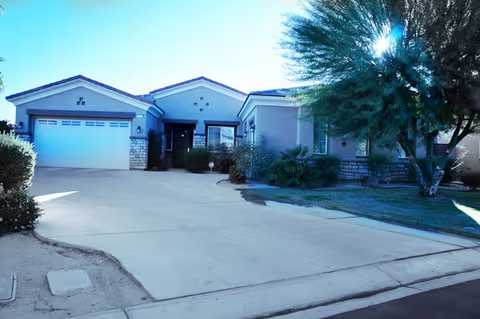
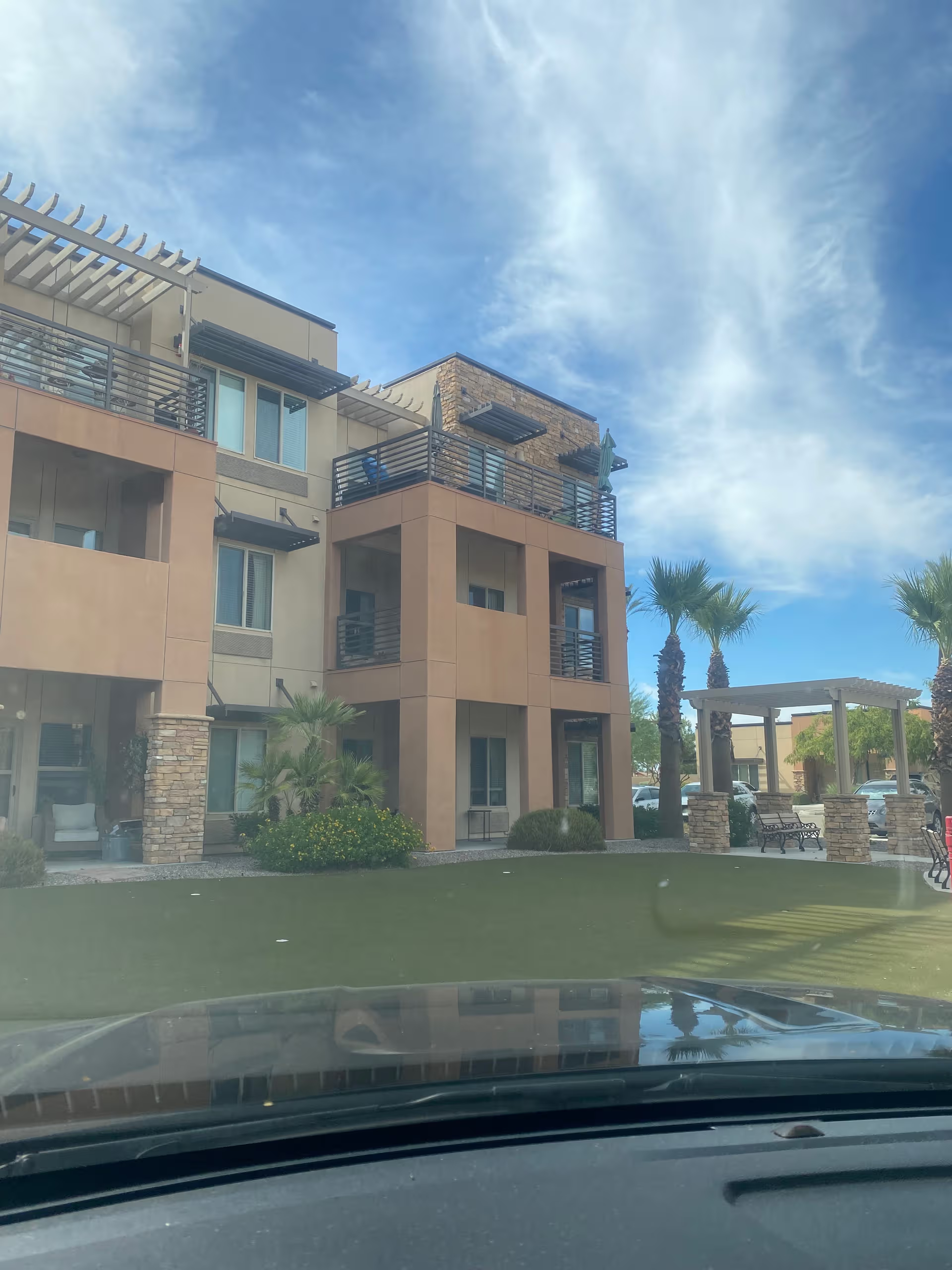
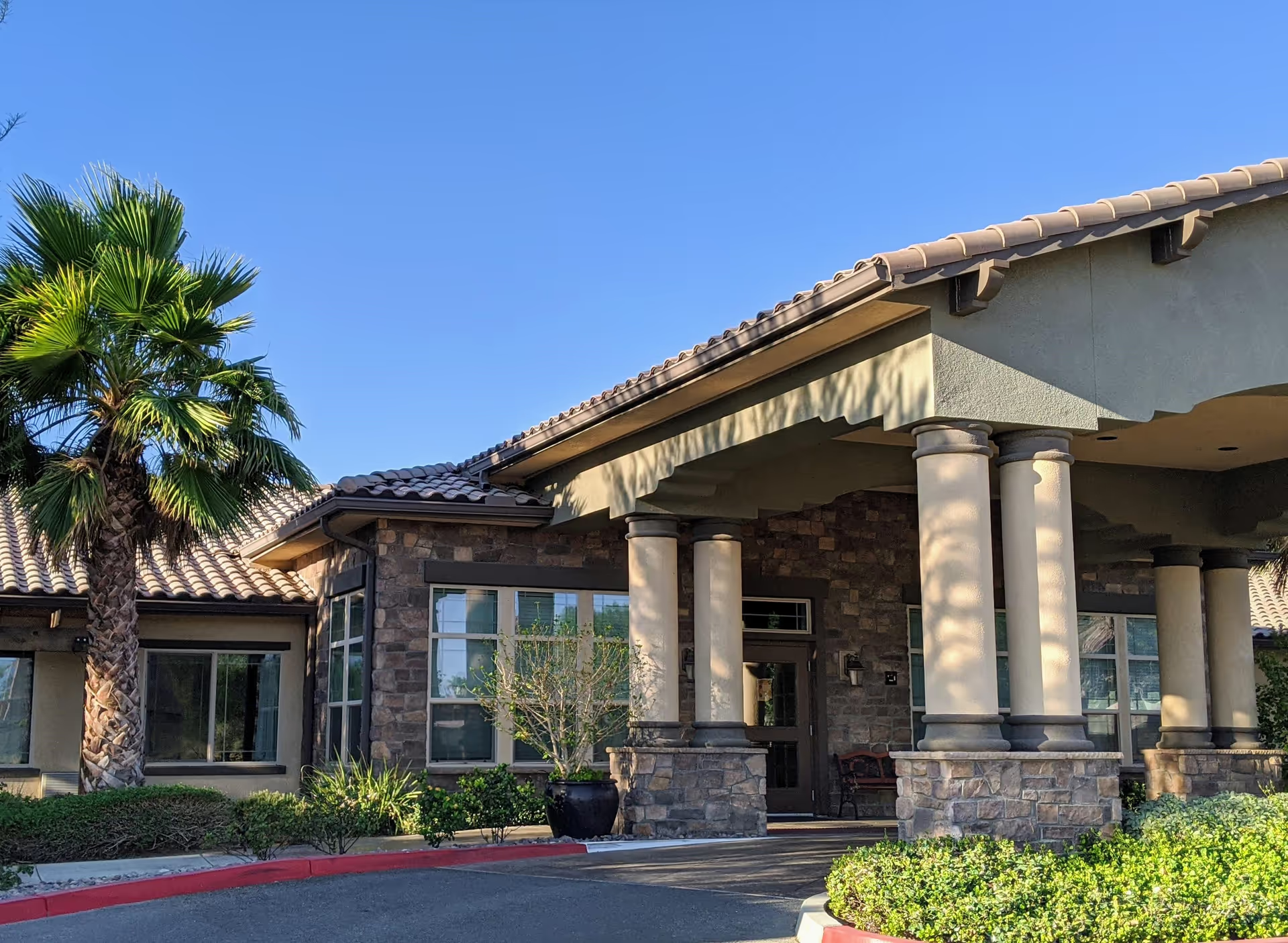
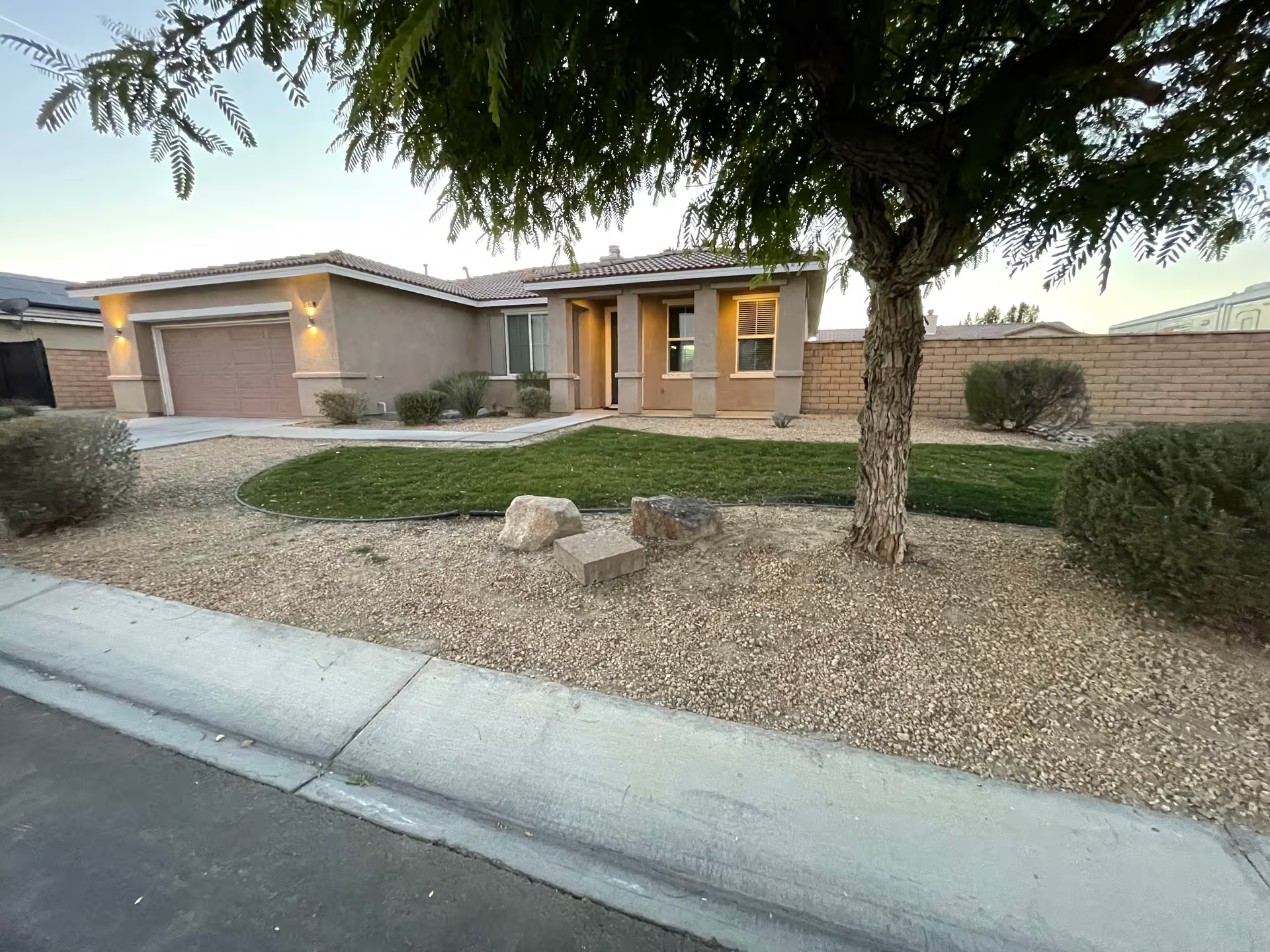
Desert Springs Healthcare elicits strongly mixed impressions: many families and short-stay patients describe genuinely compassionate front-line caregivers, effective rehabilitation teams, and a generally welcoming admission experience, while other families express serious operational concerns. Strengths most consistently cited include attentive CNAs and nurses who provide hands-on care, capable PT/OT teams that support recovery, and certain areas or units that are kept clean and orderly. Visitors also highlight individual comforts such as in-room TVs, holiday/welcome gestures at admission, hospice support when needed, and a functional visitor sign-in kiosk.
Care quality shows a broad range. Positive accounts emphasize caring staff, good nursing attention, and effective therapy outcomes; these reports frequently note prompt bedside assistance and coordinated rehab. At the same time, a notable pattern of staffing instability appears: reviewers describe frequent turnover and stretched staffing levels that correlate with delays in medication administration, inconsistent pain control, and longer waits for personal assistance. Several families described communication tone and responsiveness as inconsistent, creating the impression that advocacy or direct follow-up from family members improves outcomes.
Dining and activities are inconsistent. Multiple reviewers mention limited meal options and variable food quality; some patients found meals unsatisfactory or inflexible. Activity calendars and scheduled programming were described as unreliable by some families, though others noted pleasant social interactions and helpful activity staff. Therapy services are frequently praised, but availability and follow-through can vary depending on unit staffing and scheduling.
Facility and safety-related observations are similarly mixed. Many reviewers describe clean, well-maintained rooms and common spaces, but others raised sanitation concerns and cited maintenance issues such as broken toilets or beds, missing call-button functionality, and a lack of bed rails in some areas. Shared rooms (two to three residents) and crowded layouts contribute to limited privacy for some patients. Security and site logistics were also raised as concerns: families noted limited parking, non-automatic entry points at night, and perceptions of an unsafe surrounding area. A small number of reviews include allegations of missing personal items; families may want to discuss personal-belongings safeguards with staff.
Management and communication appear uneven. Some families praise a helpful director of nursing or specific staff who resolved complaints, while others report difficulty getting administrative support, delays in reordering medications, and transfers or care changes with minimal advance communication. These patterns suggest variable unit-level leadership and an organizational reliance on family advocacy to ensure continuity of care.
What this means for prospective families: Desert Springs can provide good hands-on nursing and effective therapy in many cases, but the facility demonstrates variability in staffing, maintenance, dining, privacy, and administrative responsiveness. If considering this facility, plan an in-person visit focused on the prospective patient’s unit: ask about current staffing ratios, medication-administration processes and pain-management protocols, roommate arrangements and privacy options, maintenance response times, security/visitor policies, and how the facility handles family communication and complaint resolution. Bringing a checklist or advocate and confirming key items in writing (medication management, transfer policies, therapy schedule, valuables procedures) will help set clear expectations and identify whether the facility’s current operating conditions fit the resident’s needs.