Reviews of Parkway Hills Nursing and Rehabilitation present a mixed picture: many families and patients praise the facility’s rehabilitation strengths and the personal attention afforded by a relatively small, home-like setting, while other reviewers describe operational concerns that affected clinical care and daily living.
Care and clinical services: The facility receives consistent positive comments about its therapy programs — physical and occupational therapy staff and coaches are frequently characterized as effective and attentive, and several reviewers credited the rehab team with measurable improvement. Nursing and nursing-support staff elicit varied responses: some accounts describe timely medication administration, helpful CNAs, and coordinated clinical transitions, while others describe delays in responding to care needs, gaps in wound management, and examples that reviewers interpreted as inconsistent follow-up on clinical issues.
Staff and culture: Parkway Hills is repeatedly described as having a family-like culture, long-tenured employees, and staff who are compassionate and engaged in many cases. Administrative and discharge-planning staff are often singled out for being efficient and helpful in coordinating post-acute transitions. However, there are recurring concerns about staff responsiveness and communication tone; reviewers describe periods when call-bell or bedside phone coverage was inadequate and when requests took extended time to reach clinical staff.
Dining and services: The kitchen and dietary staff receive credit for being accommodating and providing generally acceptable meals; there are occasional errors in meal delivery or food allergies, which reviewers reported as notable mistakes. Small, routine service requests (coffee, phone assistance, nebulizer cleaning) are sometimes delayed, which families attribute to limited staffing levels.
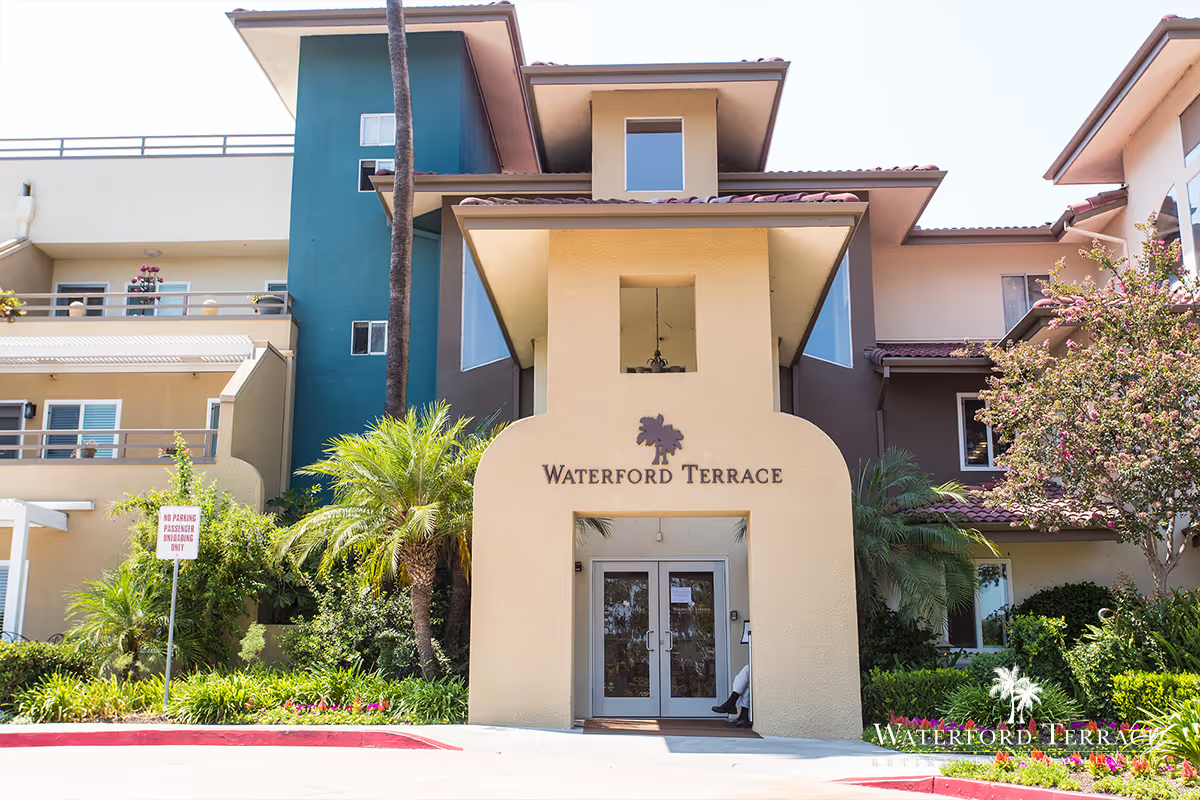
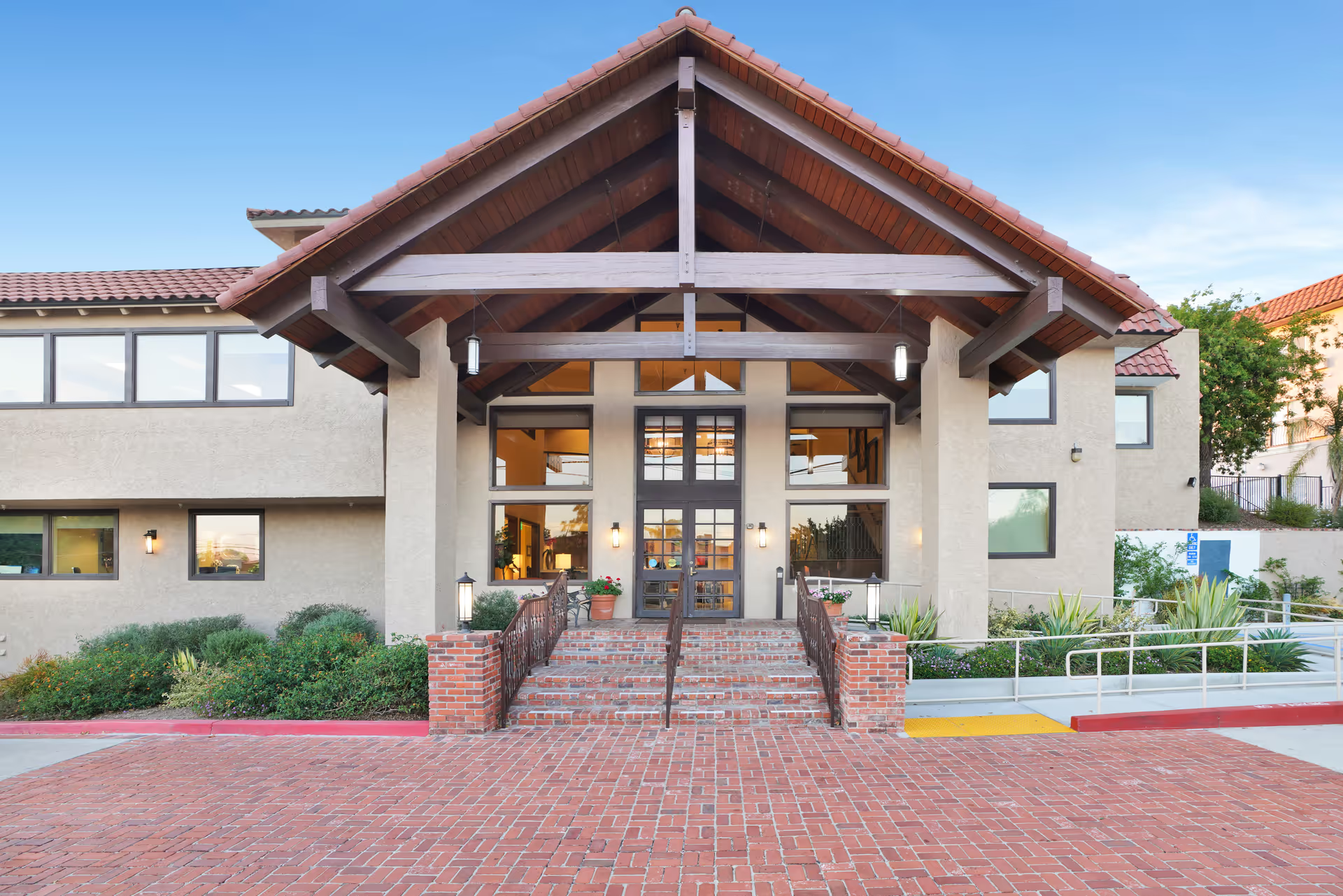
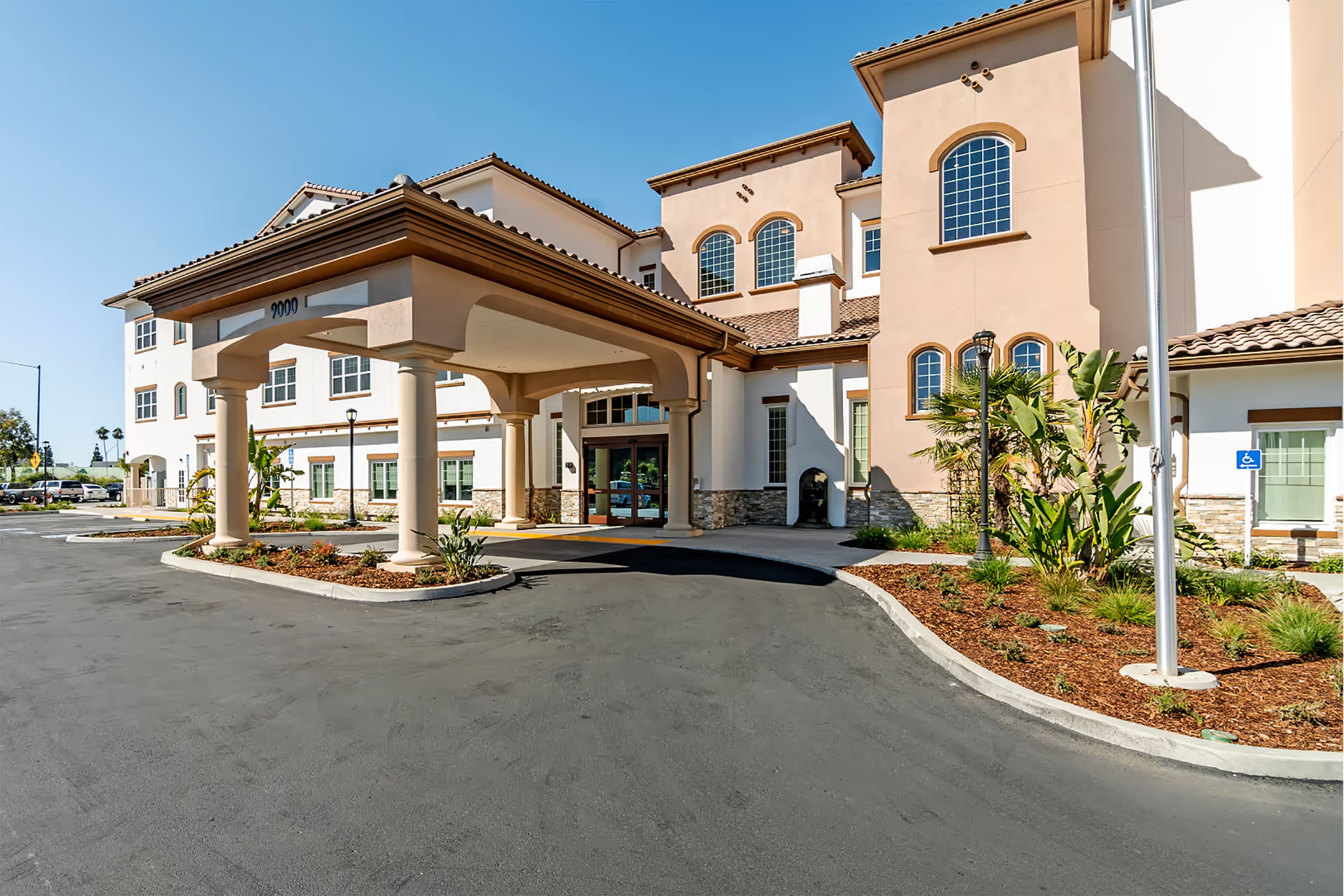
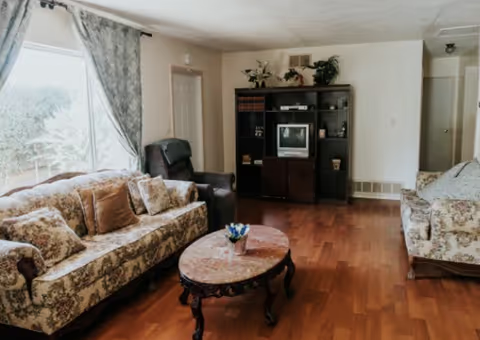
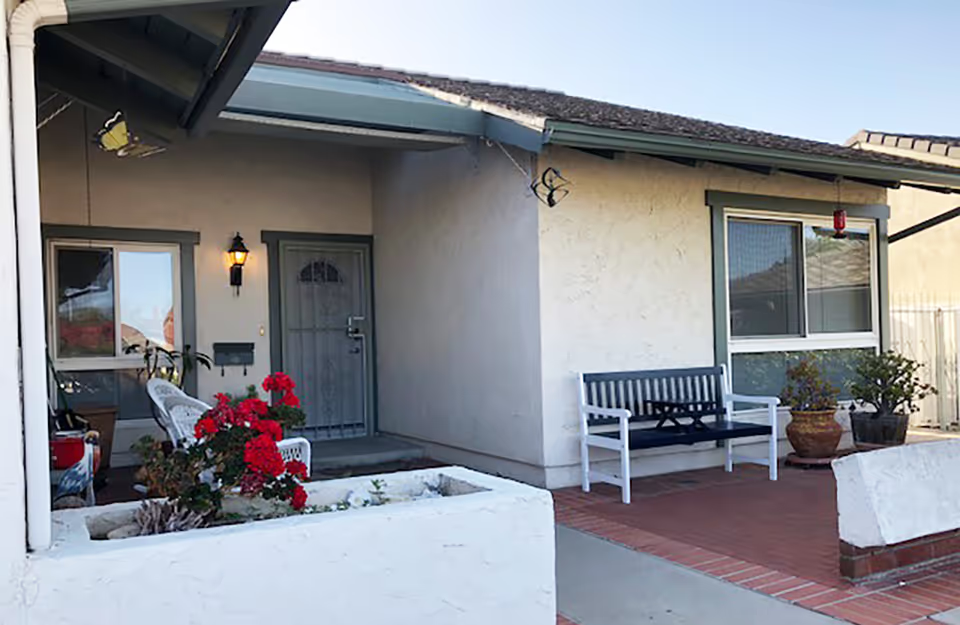
Facilities and environment: The facility’s smaller scale and outdoor patio are viewed positively for comfort and a home-like ambiance. At the same time, reviewers raise cleanliness and maintenance concerns in specific areas, including odor issues in common spaces, pest-control concerns on outdoor areas, and inconsistent room-cleaning frequency. Room configuration can include multi-bed rooms with limited privacy and limited private-bath availability, which may affect wheelchair users and residents needing greater accessibility.
Management and administrative practices: Positive reports emphasize smooth discharge coordination and strong partnership between clinical and administrative teams. Contrastingly, other reviews raise serious operational concerns around billing, discharge decisions, and contractor-payment processes; one reviewer described legal action by a contractor over nonpayment. Communication breakdowns — particularly unanswered phones at bedside and slow responses — recur as themes tied to staffing and administrative responsiveness.
Notable patterns and overall impression: The pattern in reviews is polarized. A substantial group of families report high-quality rehabilitation, compassionate staff, and successful transitions back home, while another set of reviews documents significant lapses in responsiveness, wound and infection-control follow-up, housekeeping consistency, and financial or discharge management. Prospective residents and families should weigh the strong rehabilitation offerings, small-facility advantages, and examples of excellent individualized care against the documented operational concerns; when possible, arrange an in-person visit, ask about staffing levels, infection-control protocols, wound-care procedures, bedside communication systems, and recent contractor or billing issues to get an up-to-date sense of how the facility is addressing these areas.