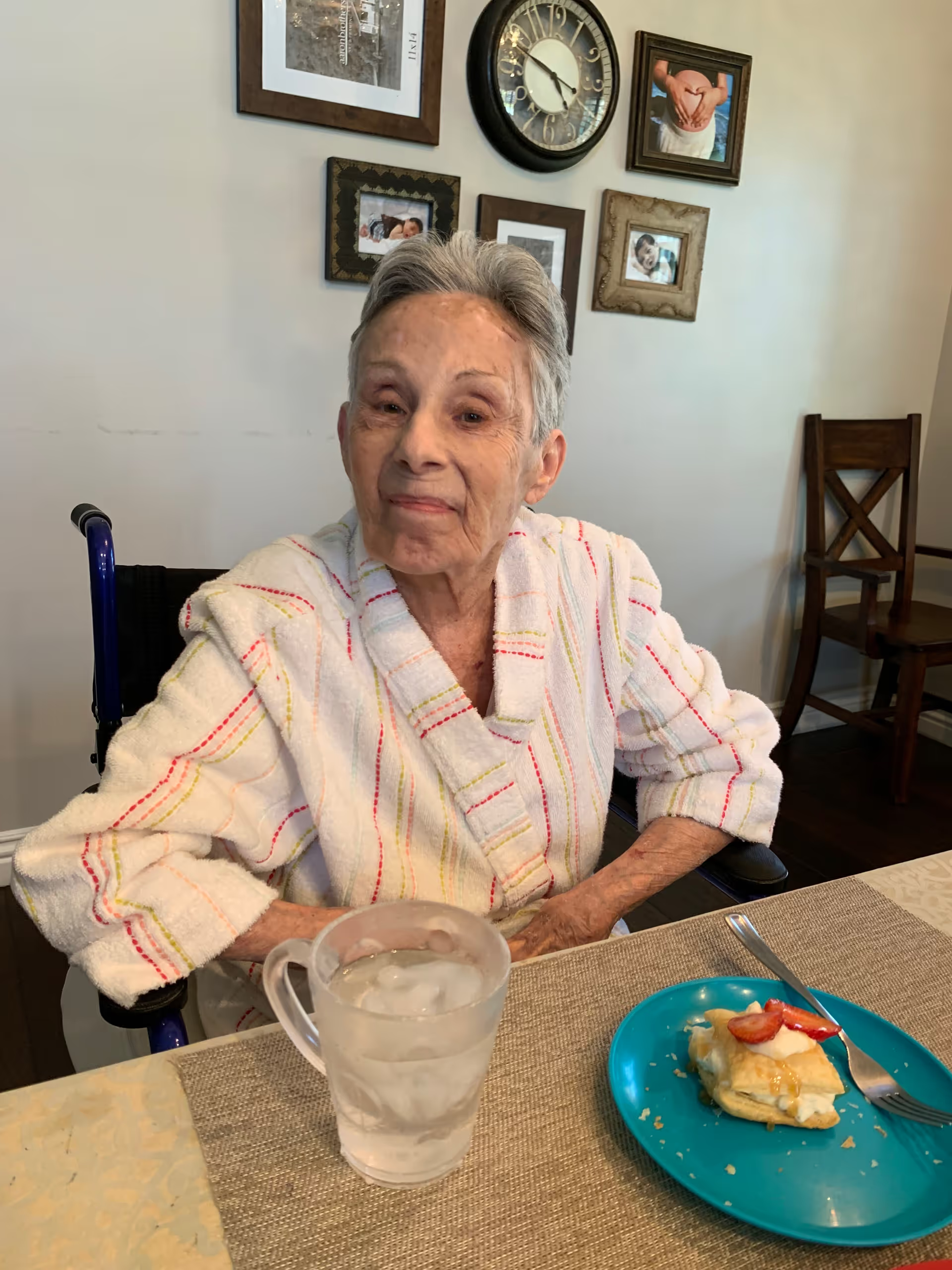
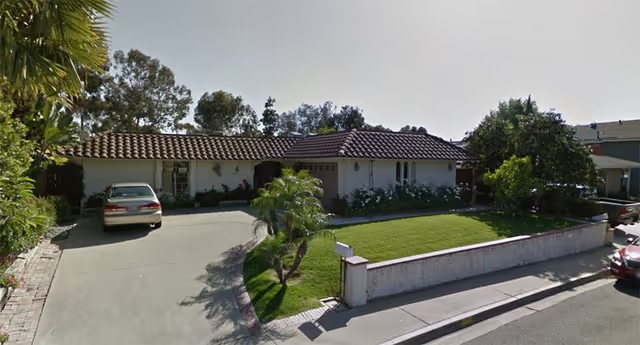
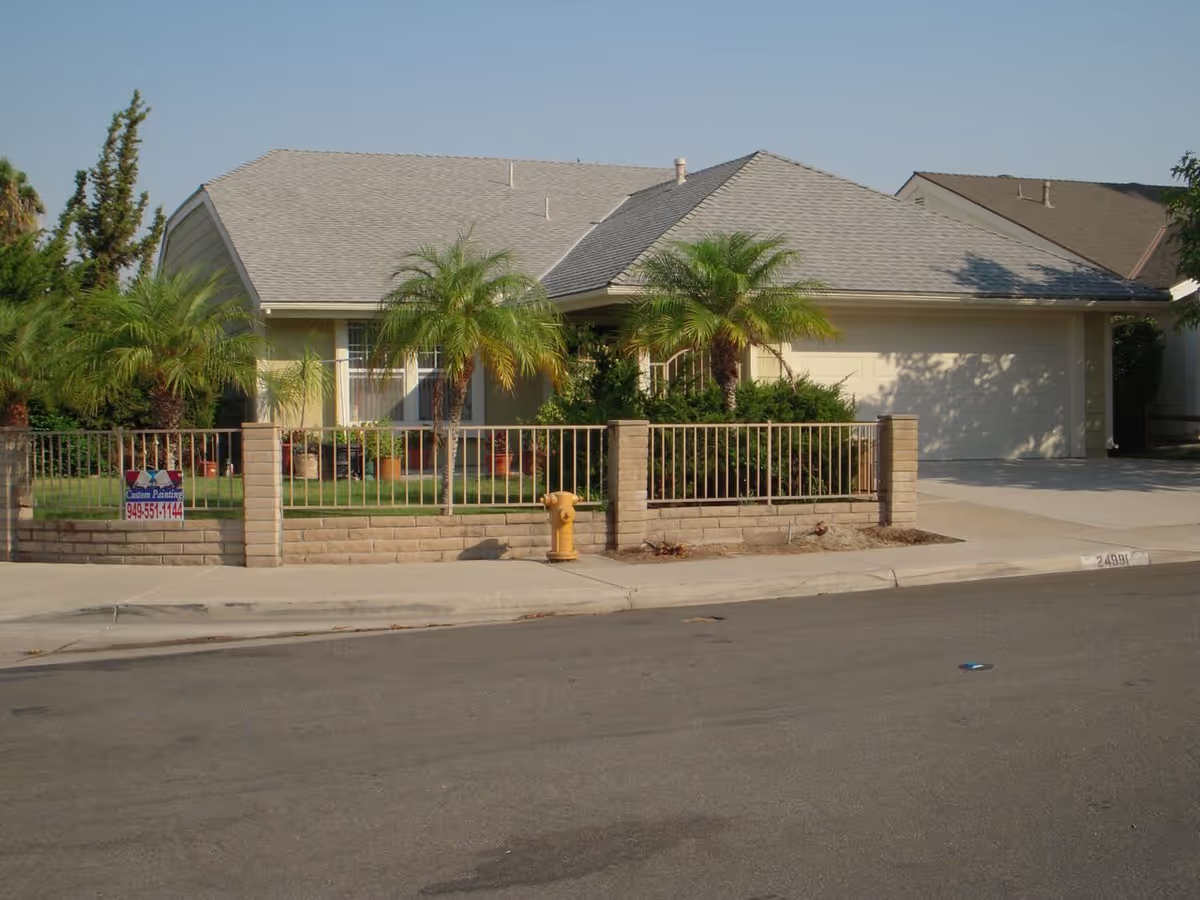
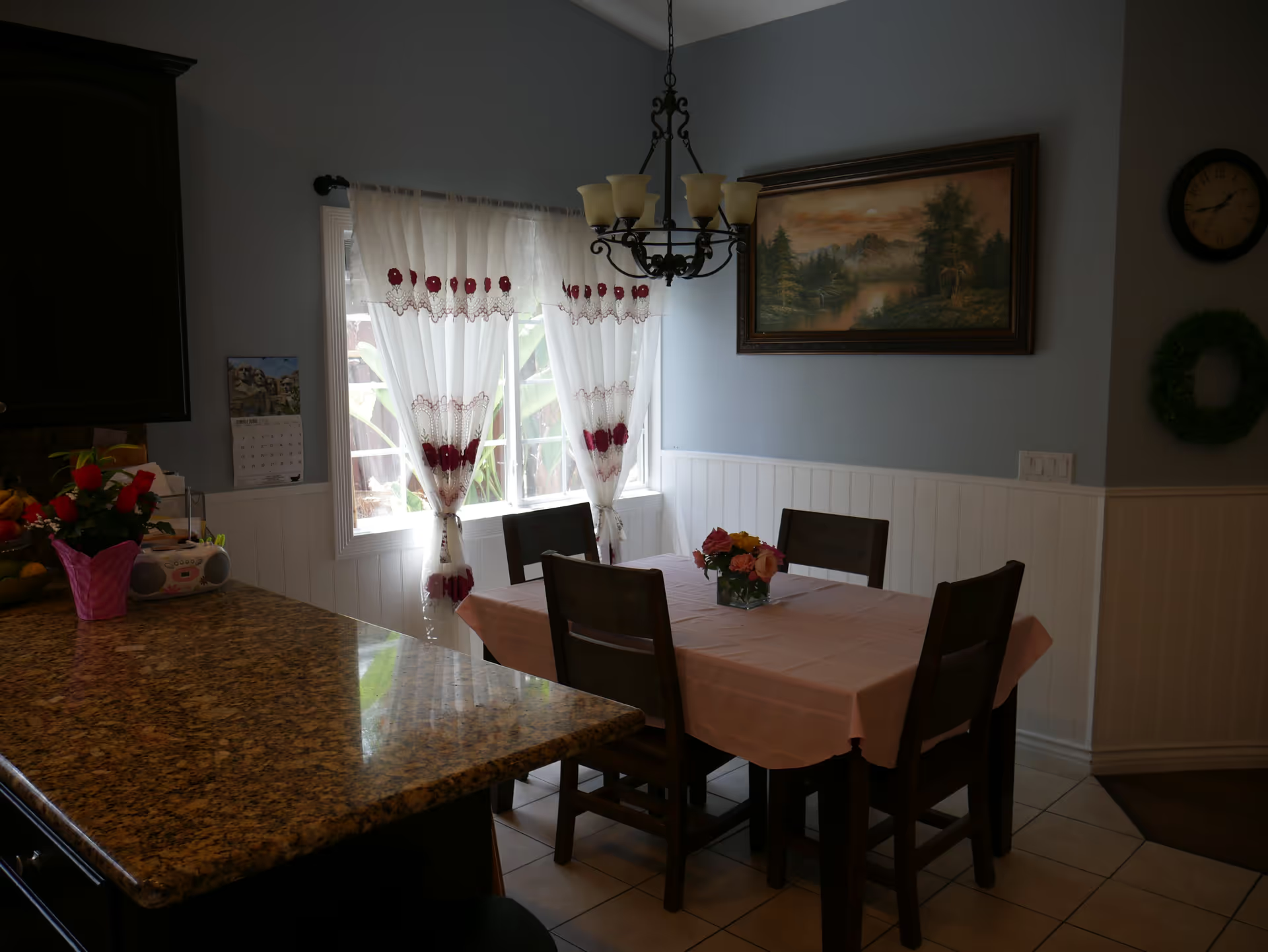
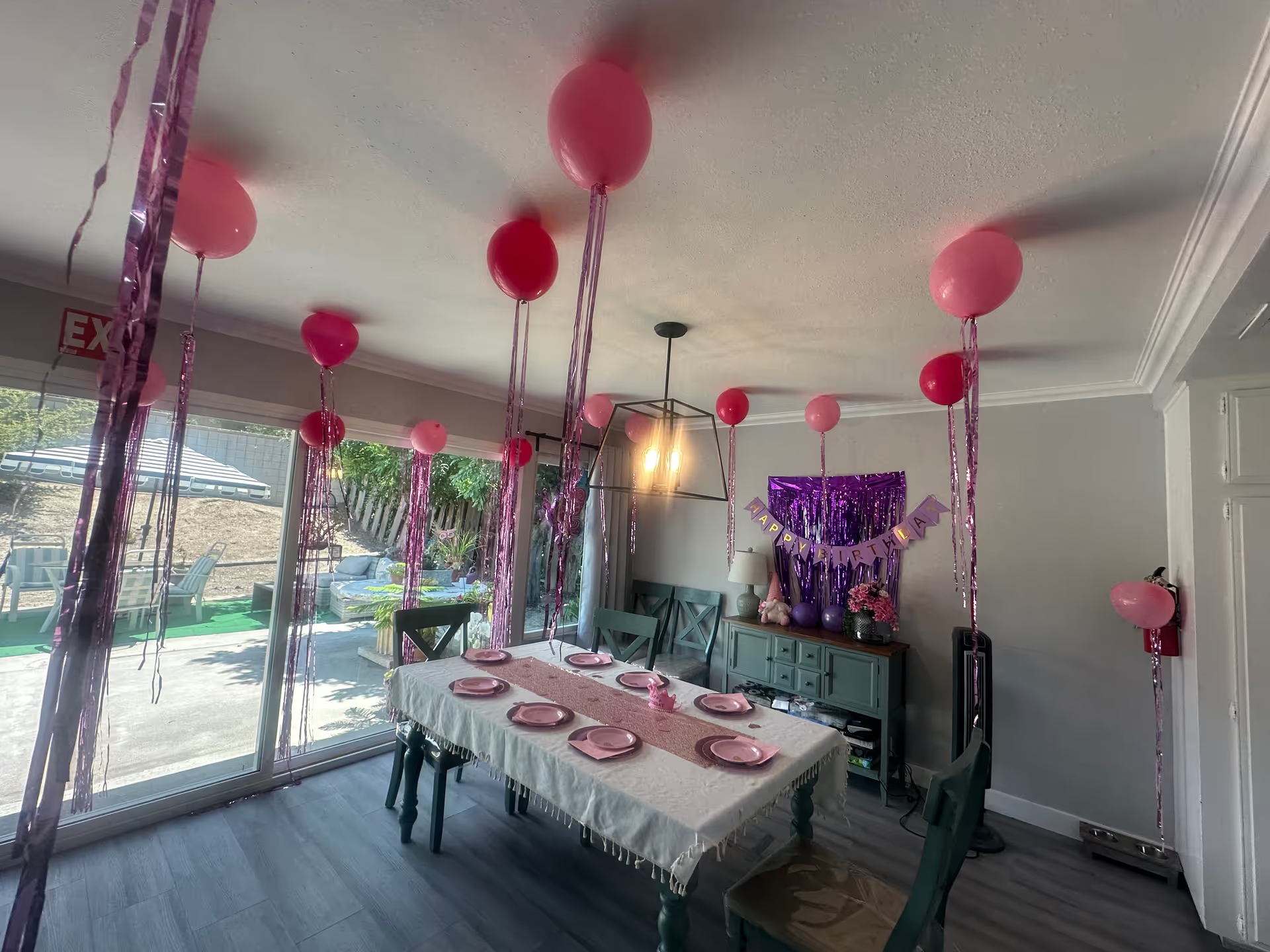
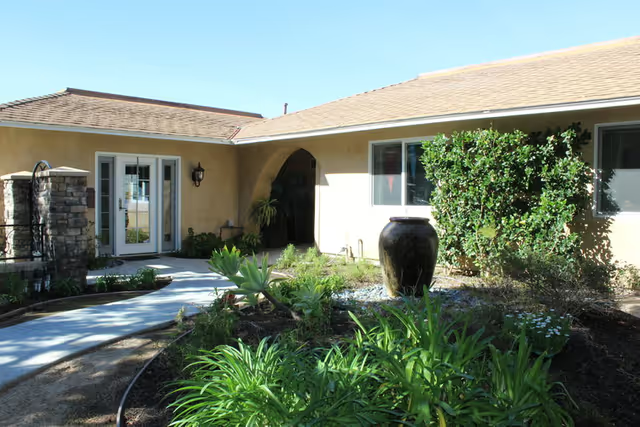
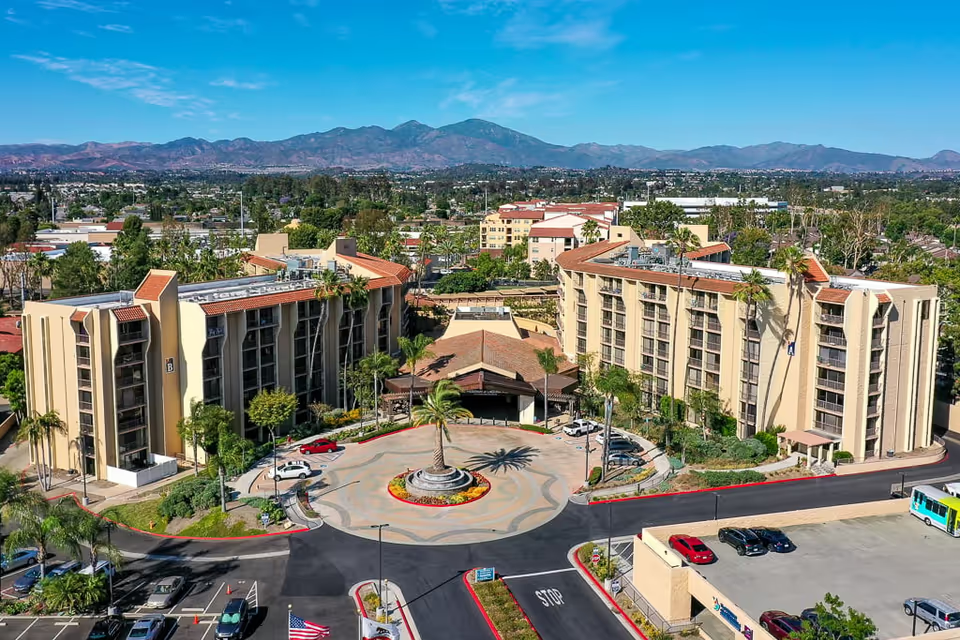
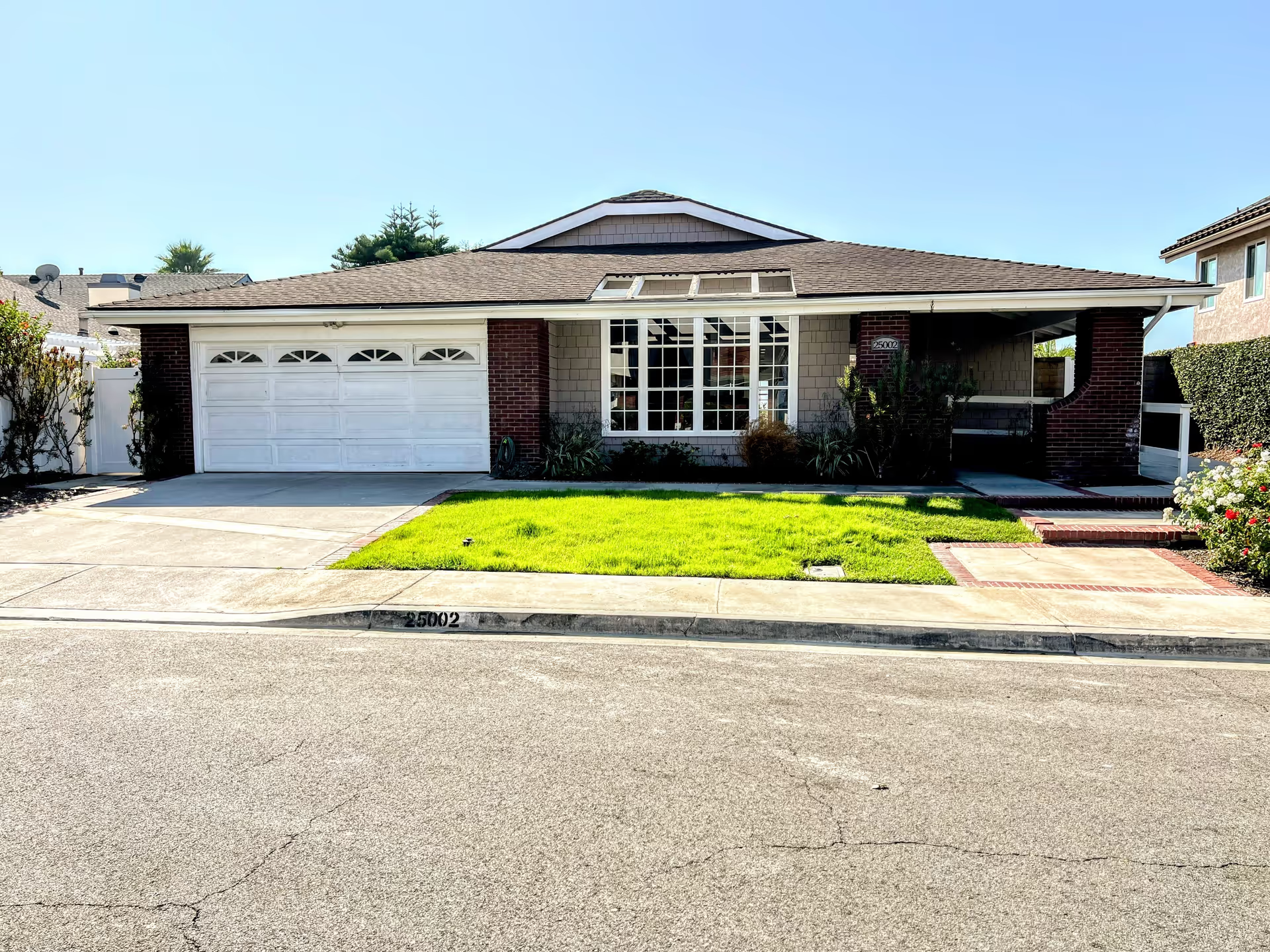
ActivCare Laguna Hills is consistently described as a new, bright, and well‑maintained memory care community with abundant indoor and outdoor spaces. Families and residents commonly praise the facility’s clean appearance, murals and landscaped areas, and comfortable communal dining and activity spaces. Admissions staff and move‑in coordination are frequently noted as organized and supportive, and the facility is often credited with making transitions smoother for residents.
Care and staffing are central strengths in reviewer accounts. Many family members highlighted compassionate, attentive caregivers who know residents by name, provide personalized assistance (dressing, grooming, regular check‑ins), and encourage participation in activities. Clinical coordination—access to on‑site nurses, visiting physicians, PT/OT, and hospice support—receives positive mention, as does the community’s willingness to accommodate dietary needs and arrange transportation for appointments. Reviewers also emphasize a family‑like culture: frequent social events, live entertainment, holidays, and intergenerational programming that contribute to residents’ social engagement and quality of life.
Programming and dining are important positives. The activity calendar is described as varied and energetic, including music, dancing, gardening, themed meals, and community outings. Many reviewers report improvements in mood and engagement after admission. Meal quality is generally seen as acceptable to good, with several mentions of healthy, social meal gatherings; however, some families describe inconsistency in dining quality, with occasional descriptions of food as ordinary rather than excellent.
Operational patterns reveal notable caveats. Several reviews describe intermittent staffing shortages and variability in caregiver engagement from shift to shift; this appears linked to concerns about supervision and the consistency of clinical rounds. Related operational weaknesses include communication gaps between departments and occasional laundry/personal‑item handling errors. A subset of comments raises concerns about medication management practices, including use of behavioral medications; these are framed as areas warranting review rather than substantiated clinical adjudication. Cost is another recurring theme—families describe the community as premium priced, which may be a consideration when weighing options.
Overall, the dominant pattern is positive: a clean, well‑appointed, activity‑rich memory care community with many families reporting improved resident mood and good clinical support. At the same time, prospective residents and family members should evaluate current staffing levels, supervision and fall‑risk practices, medication‑management protocols, and contract/billing details during tours and meetings with leadership. Requesting recent staffing ratios, incident‑response procedures, and examples of interdepartmental communication processes will help address the specific operational concerns that appear intermittently in family feedback.