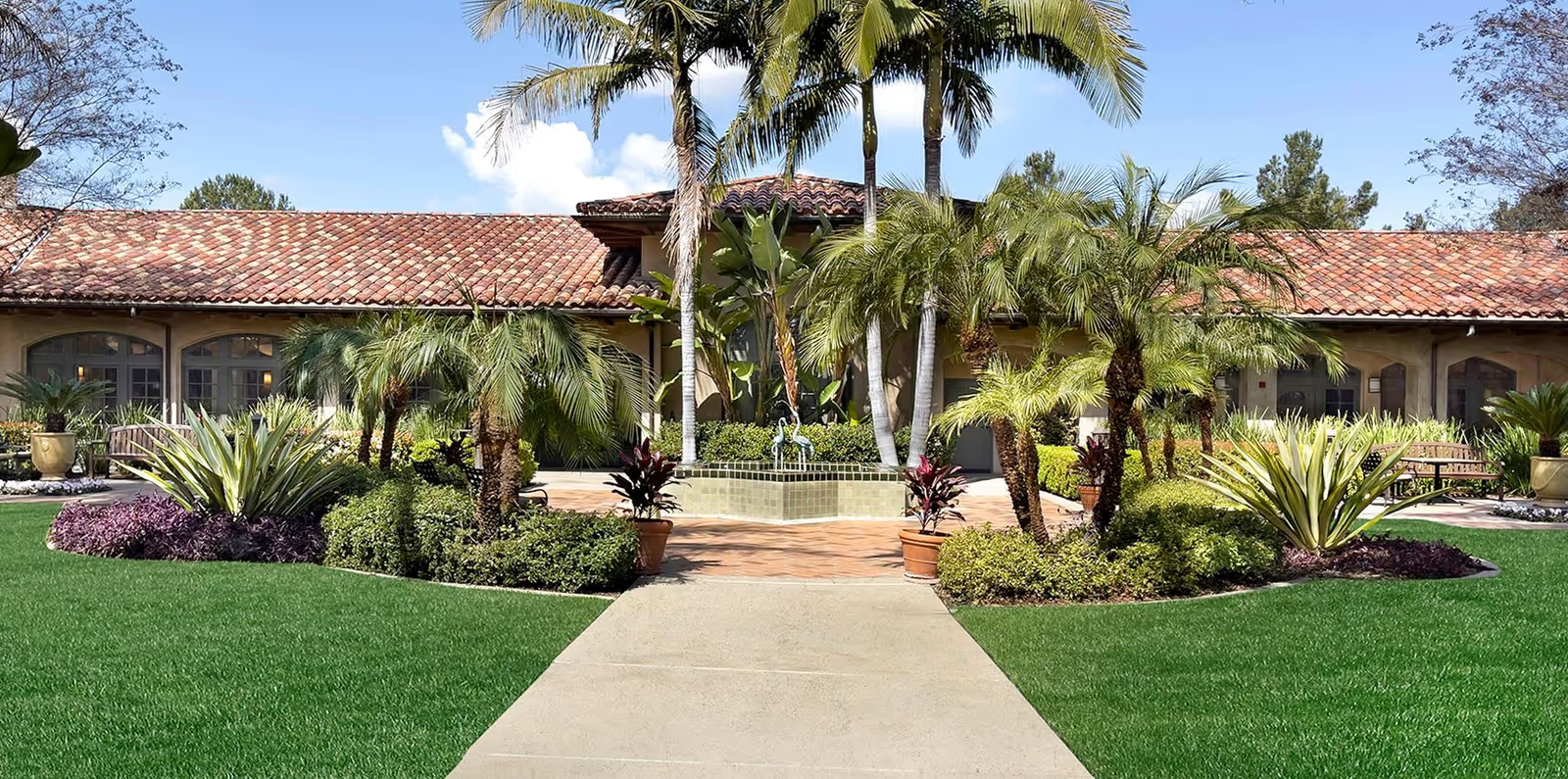
Chaparral Rose II is a very small, single-family–style assisted living setting converted to residential care. The facility is described as home-like and nurse-run, with a low number of residents and a correspondingly high degree of individualized attention. Physical features include converted rooms (including former garage space), a shared living room with communal TV, TVs in private rooms, and comfortable outdoor areas such as a backyard and covered patio.
Care quality and staffing are a consistent strength in the accounts provided: clinical oversight by nursing staff, along with caregivers characterized as professional, attentive, and caring. Families highlighted staff responsiveness and close owner involvement in day-to-day care; one account emphasized supportive end-of-life care. The small scale supports personalized routines and close observation, but it also limits the facility's ability to provide a broad range of specialized therapies or complex medical services.
Dining is a notable positive: meals are prepared on-site from scratch and were described as good and home-style. Social interaction appears strong within the small resident group, which can be beneficial for individuals who prefer a quiet, close-knit environment. Activity programming, however, is limited in scope and often oriented toward outdoor or informal group activities; prospective residents seeking a wider variety of structured programs should plan accordingly.
The facility's residential conversion and owner-collected furnishings contribute to a distinct, homey atmosphere but also introduce operational trade-offs. Reviewers described areas with dense personal decor and some clutter while the site undergoes organization and cleanup; cleanliness and odor control were nonetheless noted as maintained. Management and ownership are depicted as engaged and supportive, which families found valuable. Overall, Chaparral Rose II may suit those who want a small, personalized, home-like setting with attentive staff and home-cooked meals, but it may be less appropriate for people who require expansive activity options, extensive clinical services, or more institutional infrastructure.