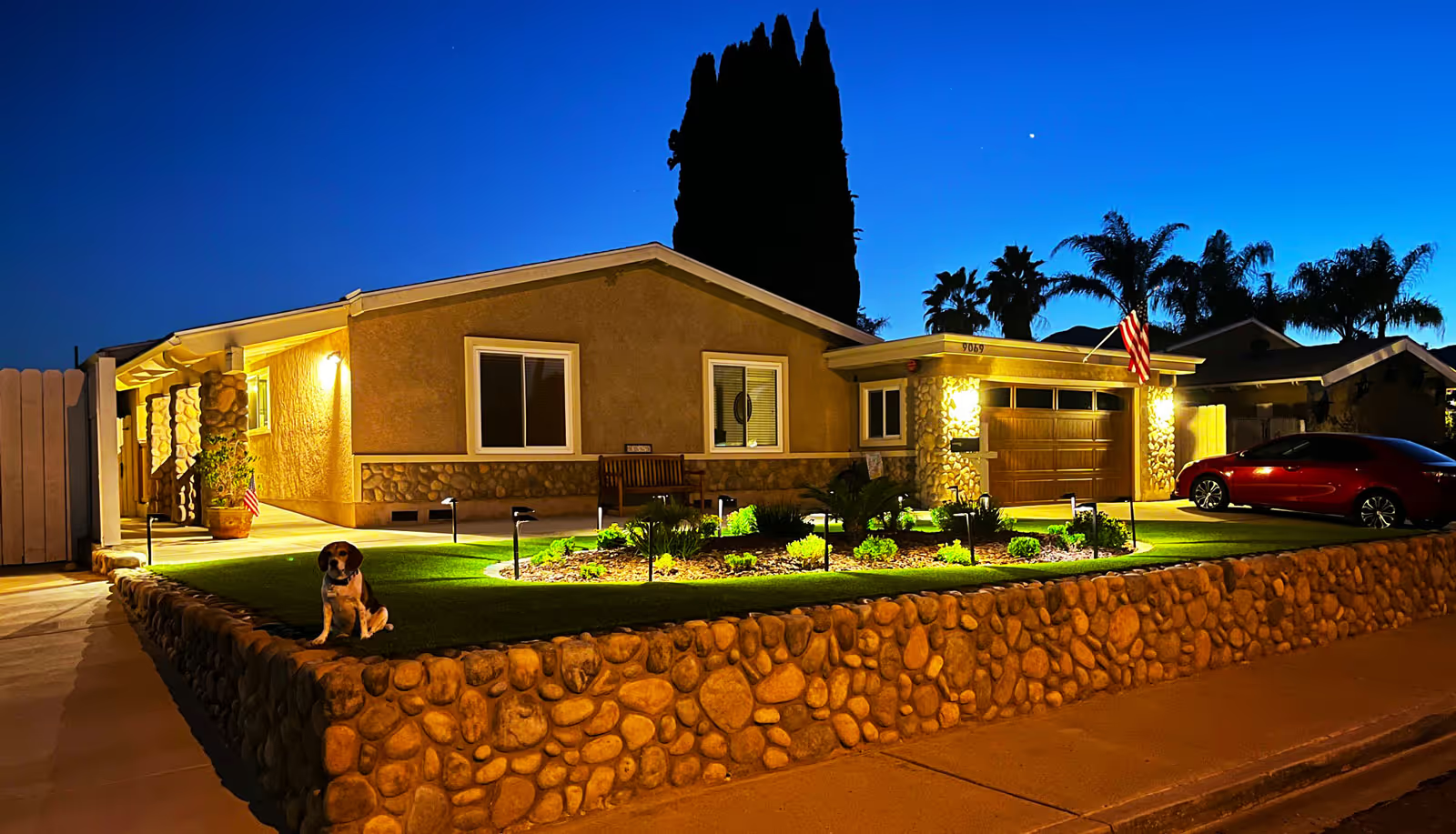
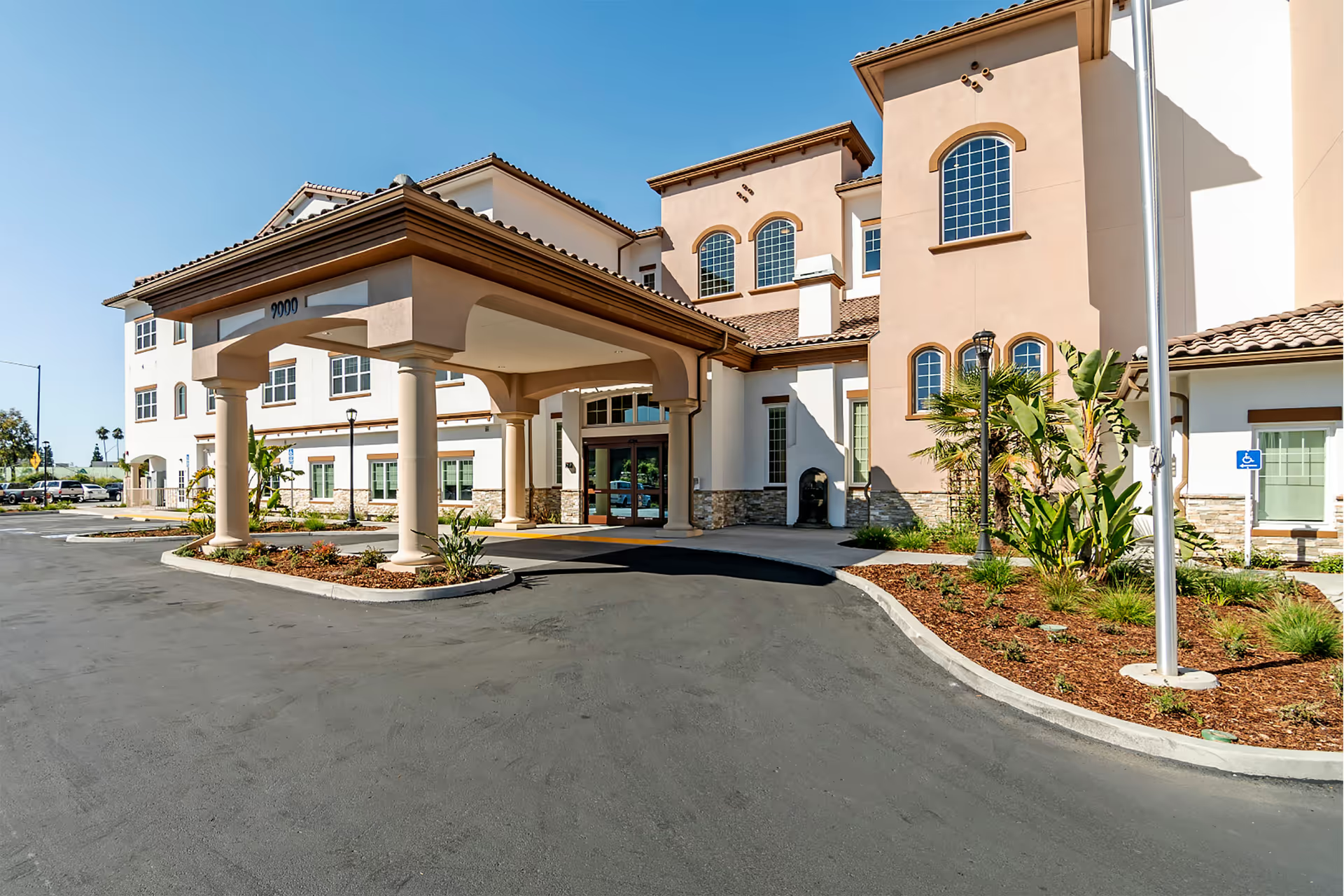
Lakeside Manor is consistently described as a small, home-like assisted living and memory-care community with a country ambiance and intimate scale. Many families emphasize the facility's nurse-owned model, long-tenured staff, and a family-style caregiving approach that prioritizes individualized attention. Reviewers frequently note compassionate, attentive caregivers who are skilled in dementia communication and redirecting techniques; staff are often characterized as respectful, patient, and closely involved in residents' daily lives.
Clinical and end-of-life support is a visible part of the program: the community provides memory-care programming that emphasizes residents' independence and dignity, and reviewers mention effective hospice involvement when needed. Management and supervisory staff are commonly described as knowledgeable and communicative, providing regular updates to families and creating a sense of reliability and peace of mind for many households. The small size of the community appears to enable personalized care and quicker staff recognition of changes in residents' condition.
Dining and activities are mixed areas. On the positive side, reviewers praise home-cooked meals, communal dining, and engaging daily programming such as singing, a weekly piano player, and arts-and-crafts. At the same time, some families cite dissatisfaction with dining arrangements (including a separate dining location) and variability in meal experience. Activities are generally described as meaningful and resident-centered, contributing to improved mood and engagement for many residents.
The facility's physical plant and logistics reflect its smaller, older character. Grounds, gardens, and outdoor common areas receive favorable comments, but the building footprint includes smaller rooms, shared bathrooms in some configurations, and a two-building layout that can complicate circulation and supervision. Reviewers also mention steep/hilly terrain and a tight parking area, which may affect accessibility for visitors and residents with mobility limitations. Safety is an operational concern raised in the reviews: there are indications of fall-risk and transfer-safety vulnerabilities, and reviewers emphasize the importance of assessing individual mobility and supervision needs prior to placement.
While many families express gratitude for the care and highlight good value, there are isolated but notable concerns about management and clinical operations. Criticisms include perceived lapses in adherence to clinical directives, occasional administrative responsiveness issues, and differing perceptions of pricing relative to expectations. Transition into the community is reported to be stressful for some families and residents, suggesting that additional pre-move counseling and onboarding could improve initial adjustment. Overall, the pattern of feedback indicates a warm, small-scale memory-care environment with strong caregiver relationships and active programming, balanced against infrastructure, accessibility, and occasional management/clinical consistency issues that prospective families should evaluate during a tour and care-planning conversation.