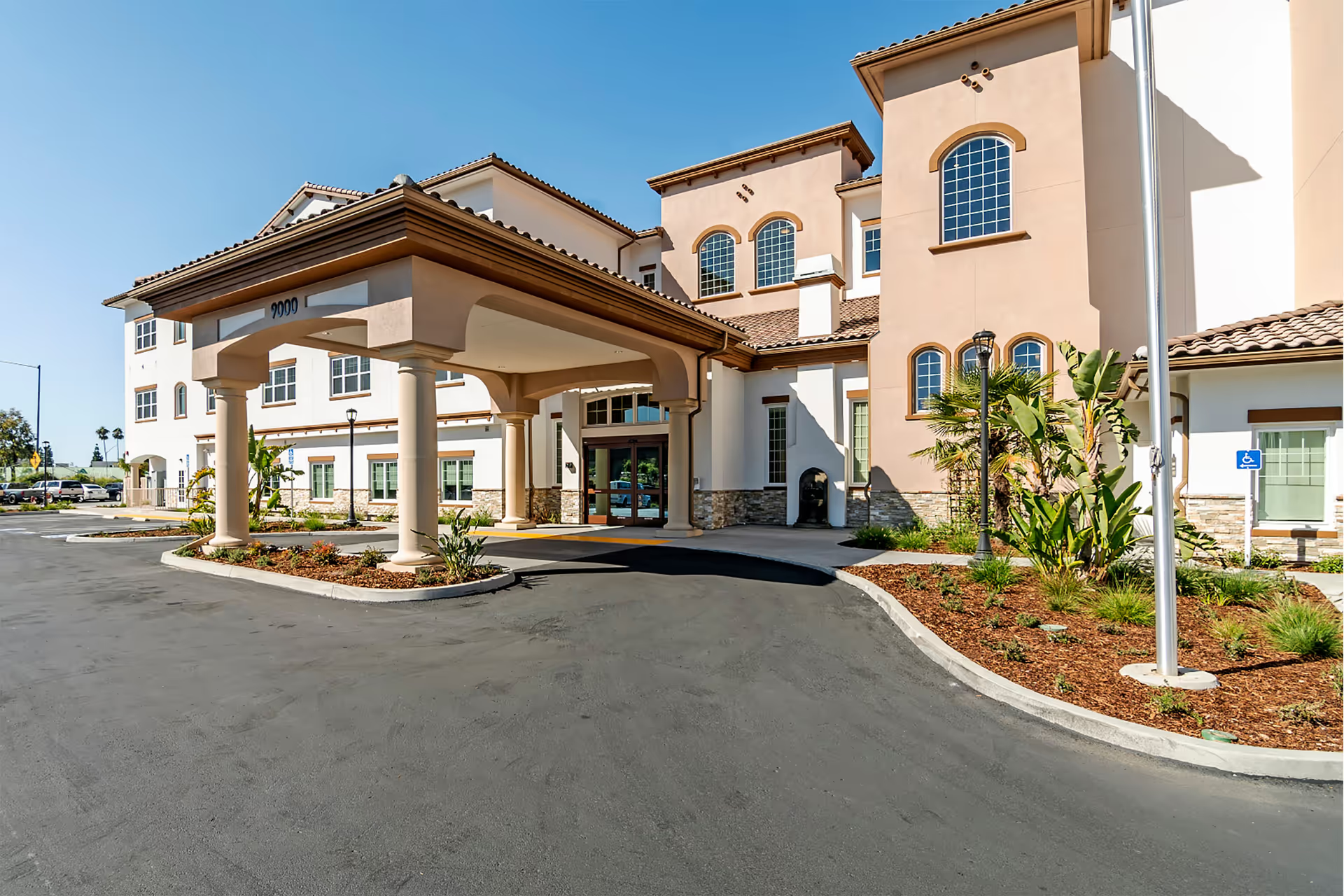
Overall impression: Sungarden Terrace presents as a small, well-kept assisted living and memory-care community with numerous features that appeal to families seeking a home-like environment. Reviewers frequently highlighted the facility’s clean appearance, sunny outdoor spaces, and multiple small common areas that foster a neighborhood feel. The presence of both assisted living and a secure memory-care unit, plus on-site services such as a theater, salon, laundry, and transportation, make it operationally convenient for many needs.
Care and staff: Staffing quality is the most prominent and mixed theme. Many accounts emphasize warm, compassionate caregivers who know residents by name, provide individualized attention, and maintain strong family communication; several families described exceptional, personalized end-of-life support. At the same time, there are repeated concerns about inconsistent staffing levels, turnover, and gaps in clinical training or supervision. A subset of reviewers described delays in clinical response and problems with care oversight; these indicate a need to confirm current staffing patterns and clinical oversight before placement.
Dining and meals: Dining is commonly cited as a strength. Multiple reviewers praised restaurant-quality presentation, a chef-led approach, accommodation of dietary restrictions, and personalized meal choices. That said, some reviewers experienced more modest meal quality in particular units or periods, and a few noted price increases. Prospective residents should sample meals during a tour and ask about unit-specific dining practices.
Activities and social life: The community offers a broad calendar — exercise classes, painting, music performances, Bible studies/chapel services, movie nights (popcorn machine), garden walks, and outside speakers. These offerings support an active social environment, and many residents are reported to participate and enjoy them. However, activity engagement appears uneven in the memory-care unit: some families found limited participation or a quieter, less lively atmosphere, while others described thriving socialization and integration with assisted-living residents. Assess the match between a prospective resident’s cognitive profile and the memory-care environment.
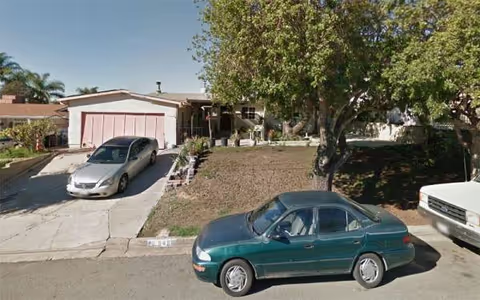
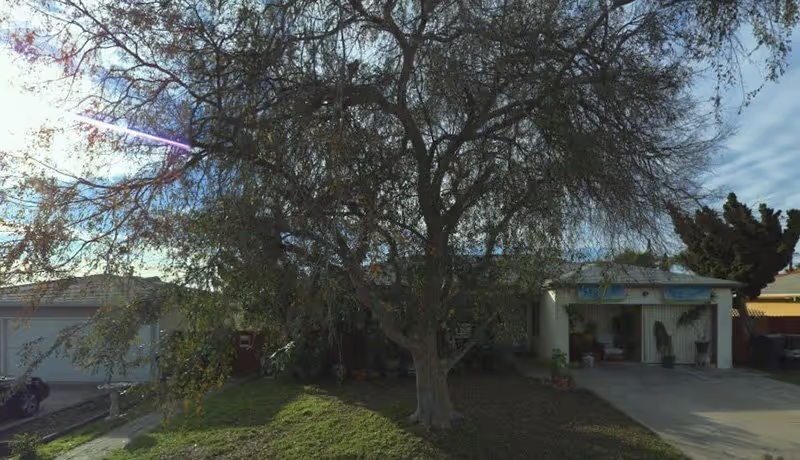
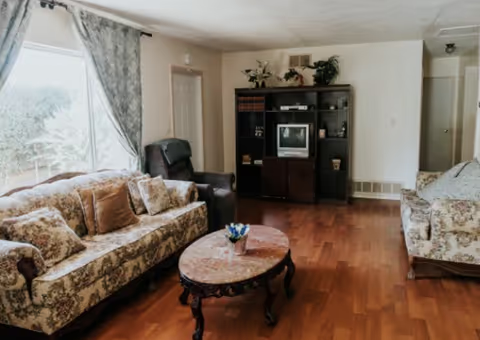
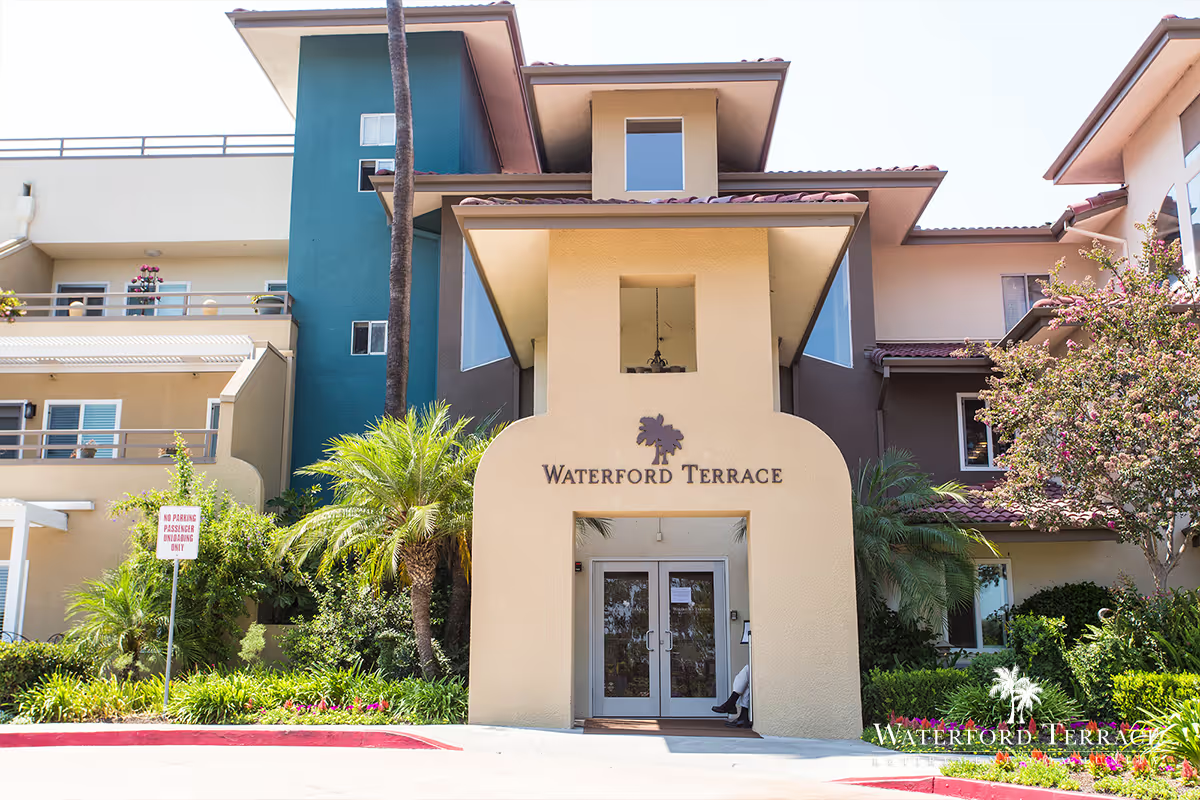
Facilities and accessibility: Physically, the property is described as sunny, inviting, and well-maintained with attractive outdoor spaces, patios, and gardens. Typical unit sizes are modest; several reviewers described studios as airy and bright, while others noted small rooms and a compact memory-care footprint that can feel cramped for residents with higher activity or behavioral needs. Accessibility issues were raised (nonfunctional lifts or elevators at times and a lift that cannot accommodate a wheelchair), so confirm current elevator/lift status and transfer procedures if mobility support is required.
Management and notable patterns: Admissions and marketing staff are generally described as informative and not high-pressure; follow-up and admission communication were often commended. Conversely, there are recurring managerial concerns: questions about transparency around billing and price increases, at least one serious governance allegation related to administrative conduct, and mixed impressions of management responsiveness. There are also isolated but significant reports of clinical-safety lapses (falls, delayed family notification) and claims about unlicensed or inadequately trained staff. These items suggest families should ask for current staffing ratios, staff turnover data, clinical credentials, incident-reporting protocols, and grievance resolution processes.
Who this may suit: Sungarden Terrace is likely a good fit for families seeking a smaller, community-oriented assisted living setting with strong dining and social programming and visible, compassionate caregiving in many cases. It is important to verify current staffing stability, memory-care programming intensity, and accessibility supports for anyone with higher physical or cognitive care needs. During decision-making, request a meal tasting, meet clinical staff, review recent inspection or staffing records, and, if applicable, observe the memory-care unit during activity times to ensure environmental fit.