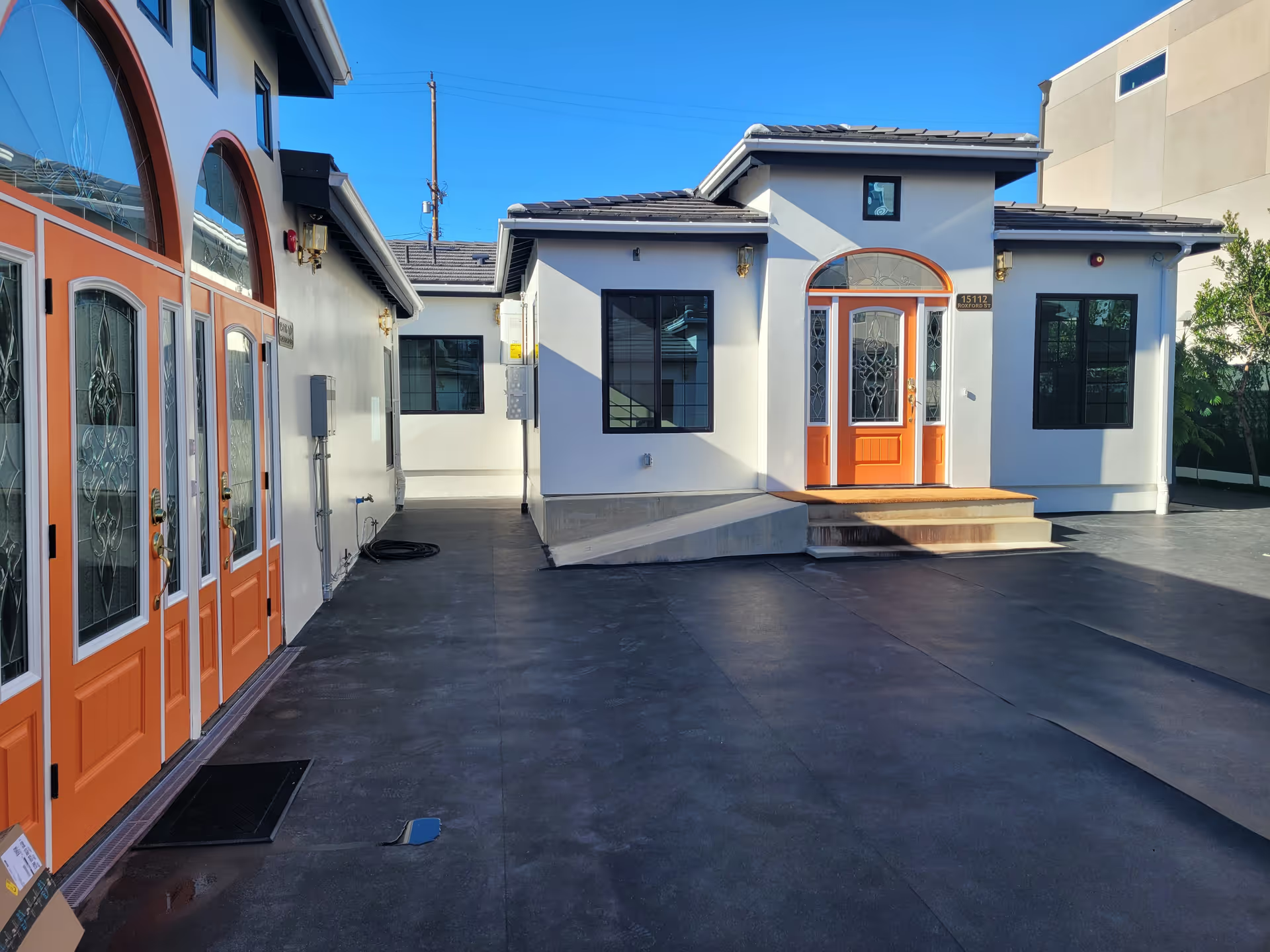
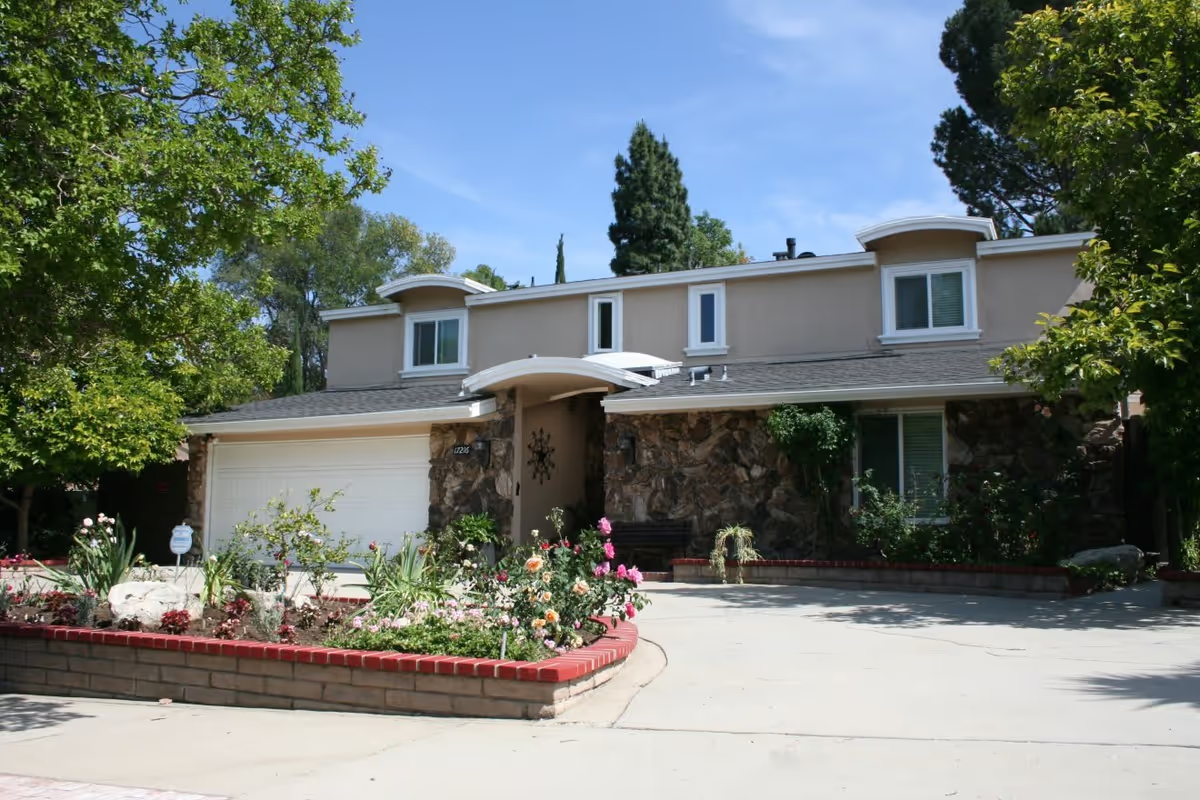
Overall sentiment in the reviews is mixed but leans positive regarding clinical care and the lived experience of residents, while raising recurring concerns about management, front-desk interactions, and organizational culture. Multiple reviewers emphasize that nurses and CNAs are caring, loving, and provide a high level of hands-on care. Long-term residents (one reviewer specifically mentions a five-year stay) and their families express gratitude and satisfaction with how patients are treated, reporting that residents are well taken care of and are healthy. Facility-level strengths repeatedly cited include healthy food, a clean environment, and thorough facility tours; several reviews even describe the staff in clinical roles as exceptional or top-notch. The presence of a long waiting list in reviews suggests demand and a perception that the facility is desirable for many families.
Despite these positive clinical and facility indicators, there are consistent and specific criticisms related to staff behavior and management. Multiple summaries call out rudeness at the front desk and describe some staff as unprofessional. A named supervisor/executive director, Margarita Kechichian, is mentioned several times in negative contexts, indicating a pattern of dissatisfaction directed at leadership. Reviewers also report an unpleasant visitor experience tied to a two-hour visiting policy, which several found restrictive and unfriendly. These interpersonal and policy-related issues appear to be a major source of dissatisfaction even among reviewers who praise the nursing care itself.
Underlying the negative interpersonal comments are recurrent themes about staffing and organizational culture. Reviews note heavy workloads with insufficient help, which can explain occasional lapses in friendliness or responsiveness. Some reviews allege that management opposes employees seeking additional education or recognition, suggesting morale and professional development issues that could affect long-term staff retention and service consistency. One reviewer used the phrase "jungle-like impression" and others voiced suspicions of hidden issues regarding residents; while these are subjective impressions, they point toward perceived problems with transparency, communication, or organization that prospective families may want to probe further.
Putting the themes together, a clear pattern emerges: clinical care appears to be a real strength of Ararat Nursing Facility, with compassionate nurses and CNAs who earn praise and gratitude from families, and tangible positives such as cleanliness and healthy meals. At the same time, leadership, front-desk/customer-facing interactions, some staff professionalism, and institutional policies are the primary sources of concern. These issues are not isolated single mentions but recur across multiple summaries, suggesting systemic or sustained problems rather than one-off incidents.
For prospective residents or family members evaluating the facility, the mixed picture suggests concrete next steps: observe direct caregiver interactions (nurses/CNAs), ask about staffing levels and turnover, clarify visiting policies and exceptions, request to meet or learn more about how management handles staff training and grievances, and tour the facility to form an independent impression of organization and transparency. Overall, if clinical care and day-to-day resident welfare are the top priority, the reviews give reason for confidence. If ease of communication with leadership, front-desk courtesy, and flexible visitation are equally important, the documented concerns should be discussed with management before committing.