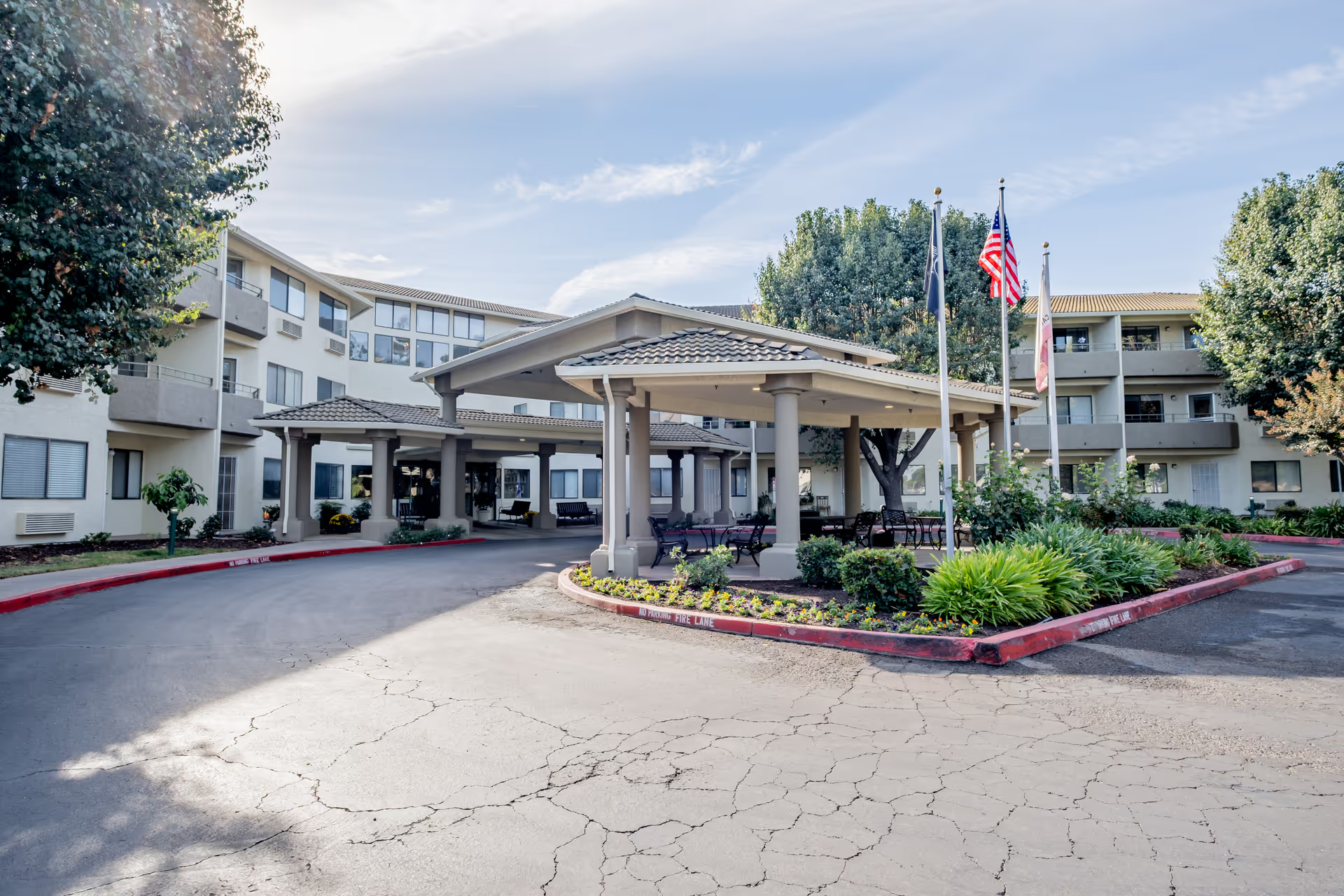
Overall impression: Orangeburg Manor presents as a small, well-maintained memory-care and assisted-living community with a strong emphasis on hands-on caregiving. Families frequently describe the frontline staff—caregivers, med-techs, and day-to-day nurses—as compassionate, attentive, and competent. Reviewers commonly cite clear family communication, proactive outreach, and reliable updates about residents as major strengths that contribute to family confidence and peace of mind.
Care and staffing: Clinical support and round-the-clock coverage are notable strengths. Many accounts describe responsive medication technicians, support for primary-care visits, and staff who respect resident independence. Low turnover on the floor and continuity of assigned caregivers are mentioned as contributing to consistent relationships. That said, there are recurring operational concerns about staffing variability: periodic short-staffing and uneven coverage can affect perceived responsiveness and workload on floor staff.
Dining and activities: Dining operations are organized and well-staffed in several reports, and staff often assist residents at mealtimes. However, food quality and menu variety are frequent points of dissatisfaction. Multiple families describe the menu as basic or unappealing and would like more variety and periodic changes. Programming on-site is visible and well-publicized (activity boards, regular offerings such as bingo and cards), and the environment encourages engagement for many residents. At the same time, reviewers request broader activity options and more off-site outings or trips to increase stimulation and variety.
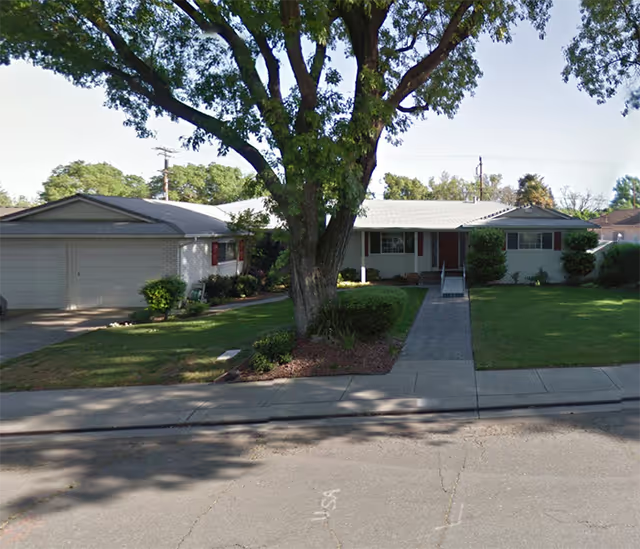
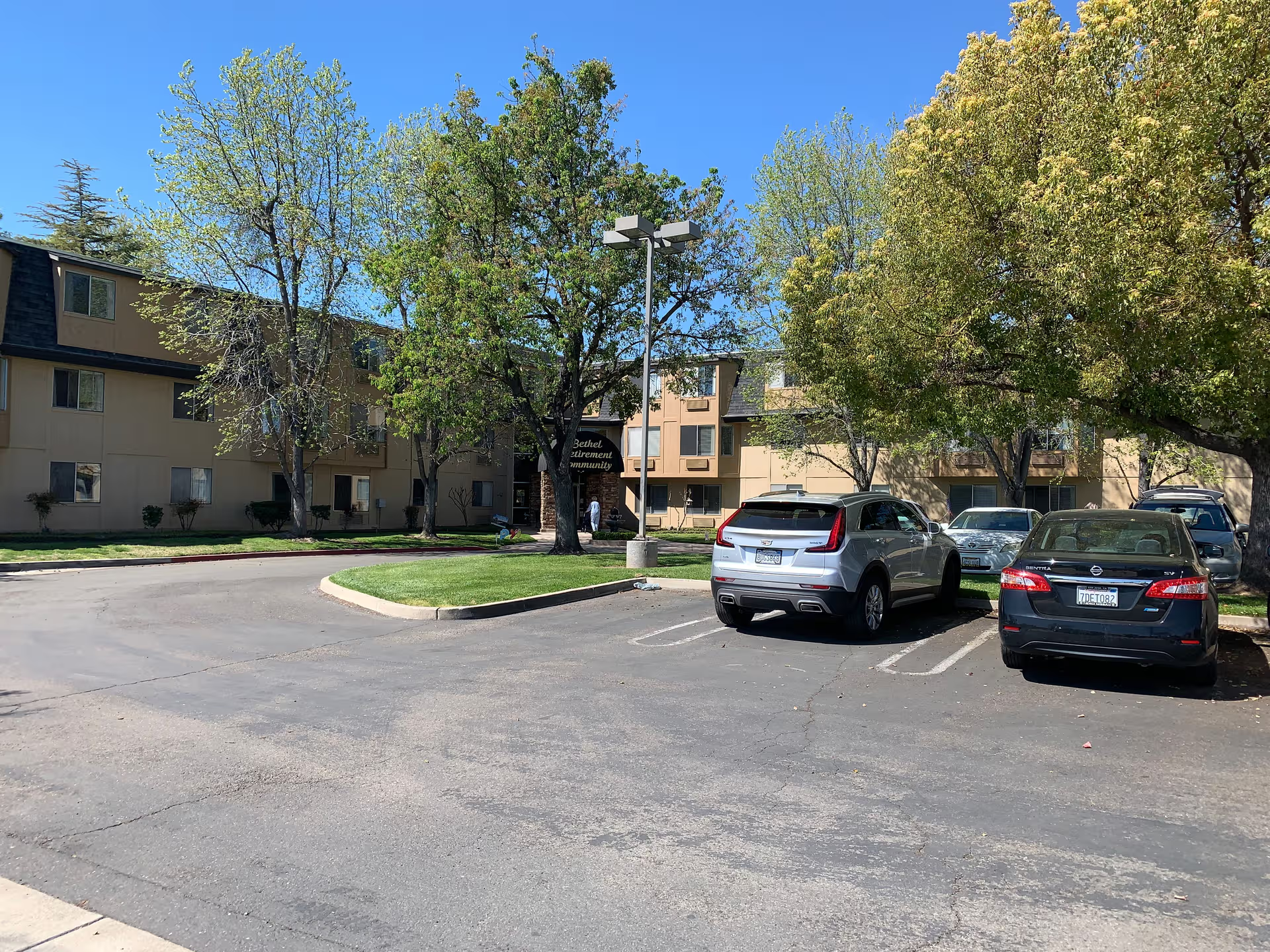
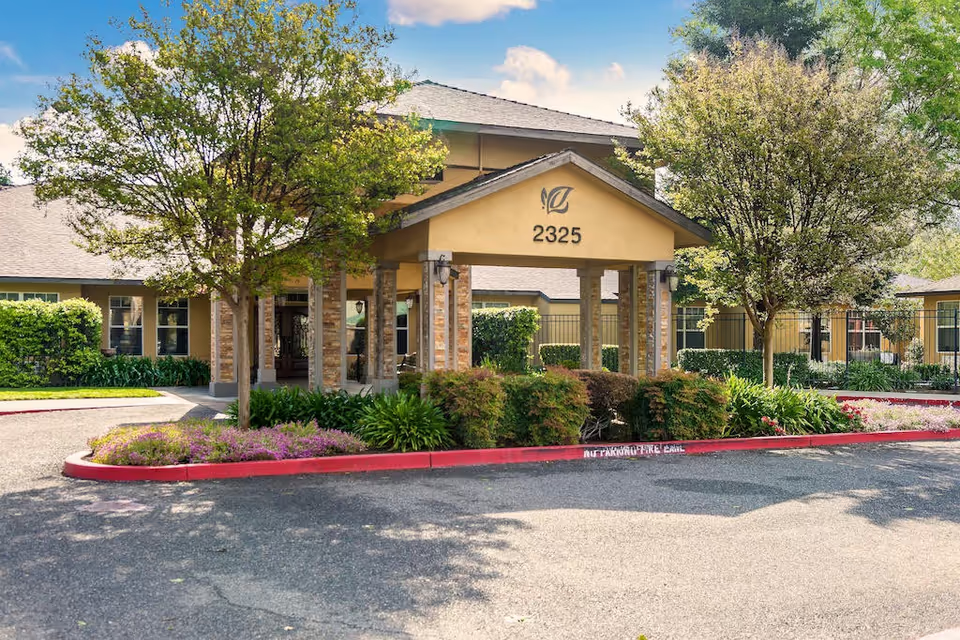
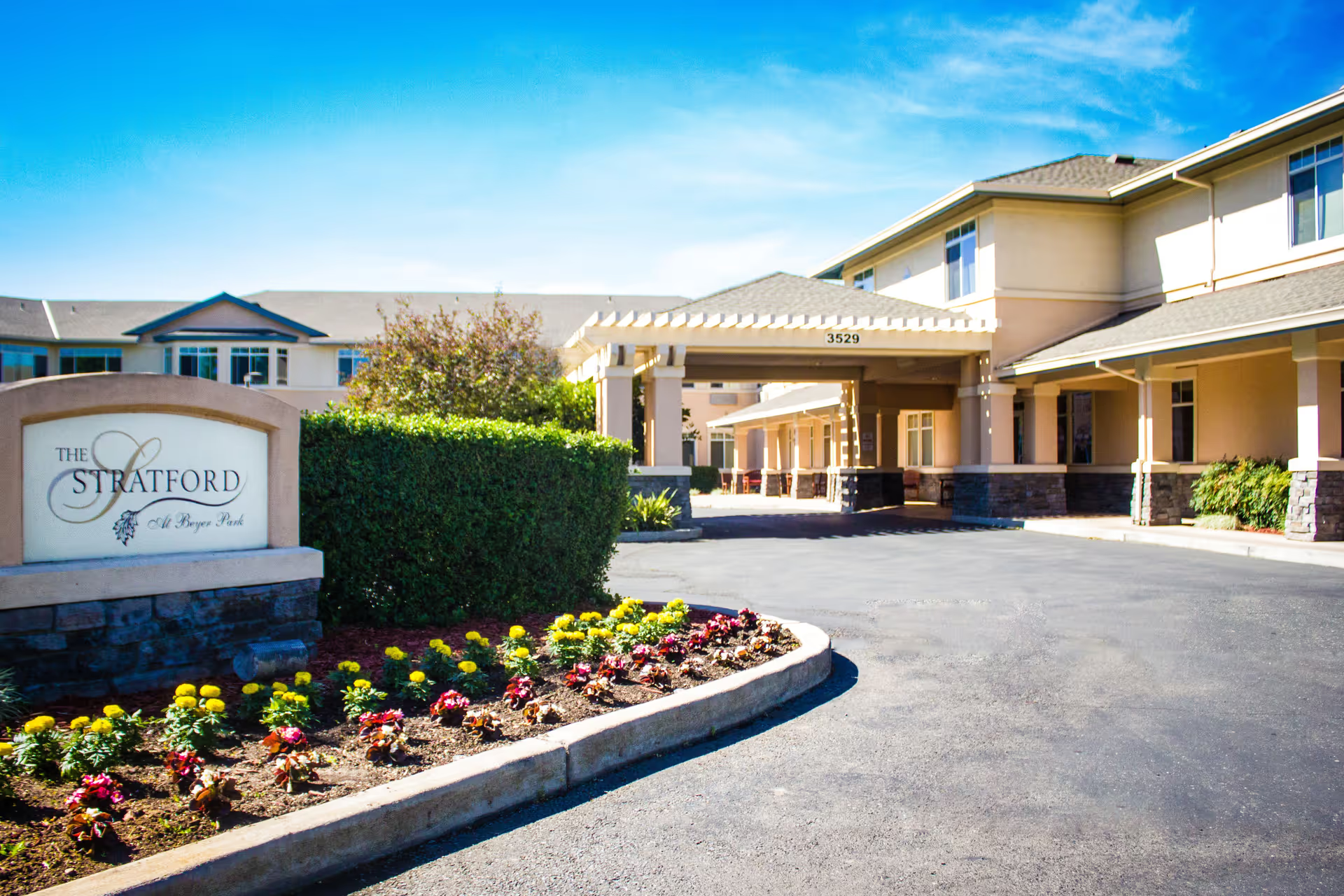
Facilities and atmosphere: The physical plant is consistently described as clean, bright, and home-like, with pleasant common areas and an accessible patio/walking area. Reviewers emphasize a boutique or residential atmosphere rather than an institutional one. Maintenance responsiveness and assistance with transportation or errands are frequently praised. Room size and private-space constraints are noted by some families, and shared-room options influence cost and privacy choices.
Management and policies: Admissions and placement support are commonly characterized as helpful and professional, with staff providing clear guidance through the referral and move-in process. At the administrative level there is more variability: some families praise individual directors and administrators, while others describe inconsistent leadership tone, perceived insensitivity from specific managers, and concerns about fee increases and value. A few accounts indicate inflexibility or communication gaps around hospice and end-of-life processes; collectively these suggest gaps in hospice coordination and formal end-of-life protocol training that the facility may need to address. There are also mentions of inconsistent enforcement of infection-control policies, which has created confusion for some families.
Notable patterns for prospective families: Orangeburg Manor is often recommended for memory-care needs and for families seeking a smaller, home-like setting with engaged floor staff and clear family communication. Prospective residents should weigh trade-offs between the strong caregiving culture and issues around dining variety, activity breadth, room size, and occasional management inconsistency. Families with hospice needs or who prioritize frequent off-site social outings should ask specific questions about hospice integration, end-of-life protocols, activity calendars, and current staffing levels during a tour. Overall, the facility's strengths in direct care and the physical environment are clear, with a handful of operational areas that merit direct discussion during the selection process.