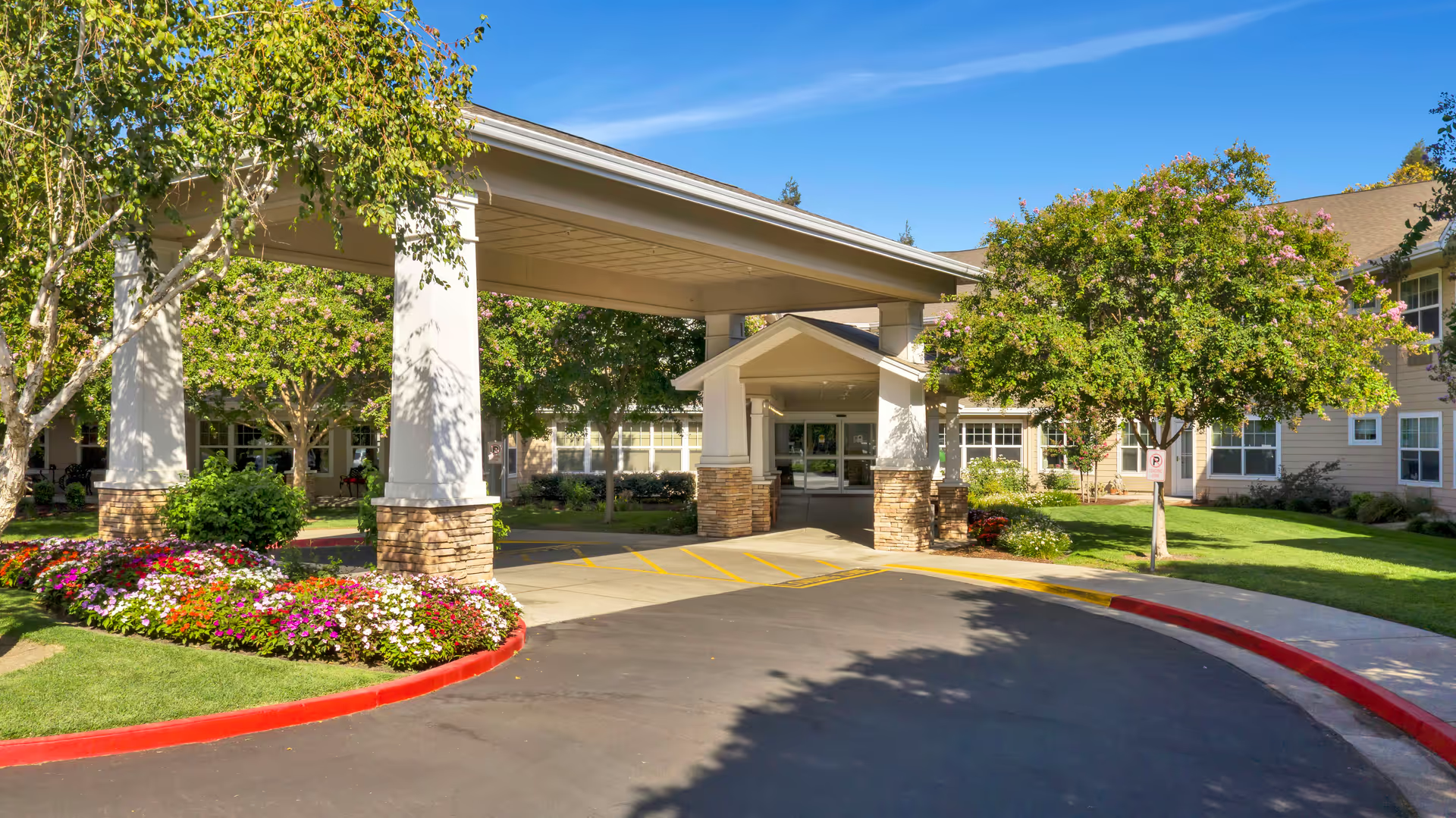
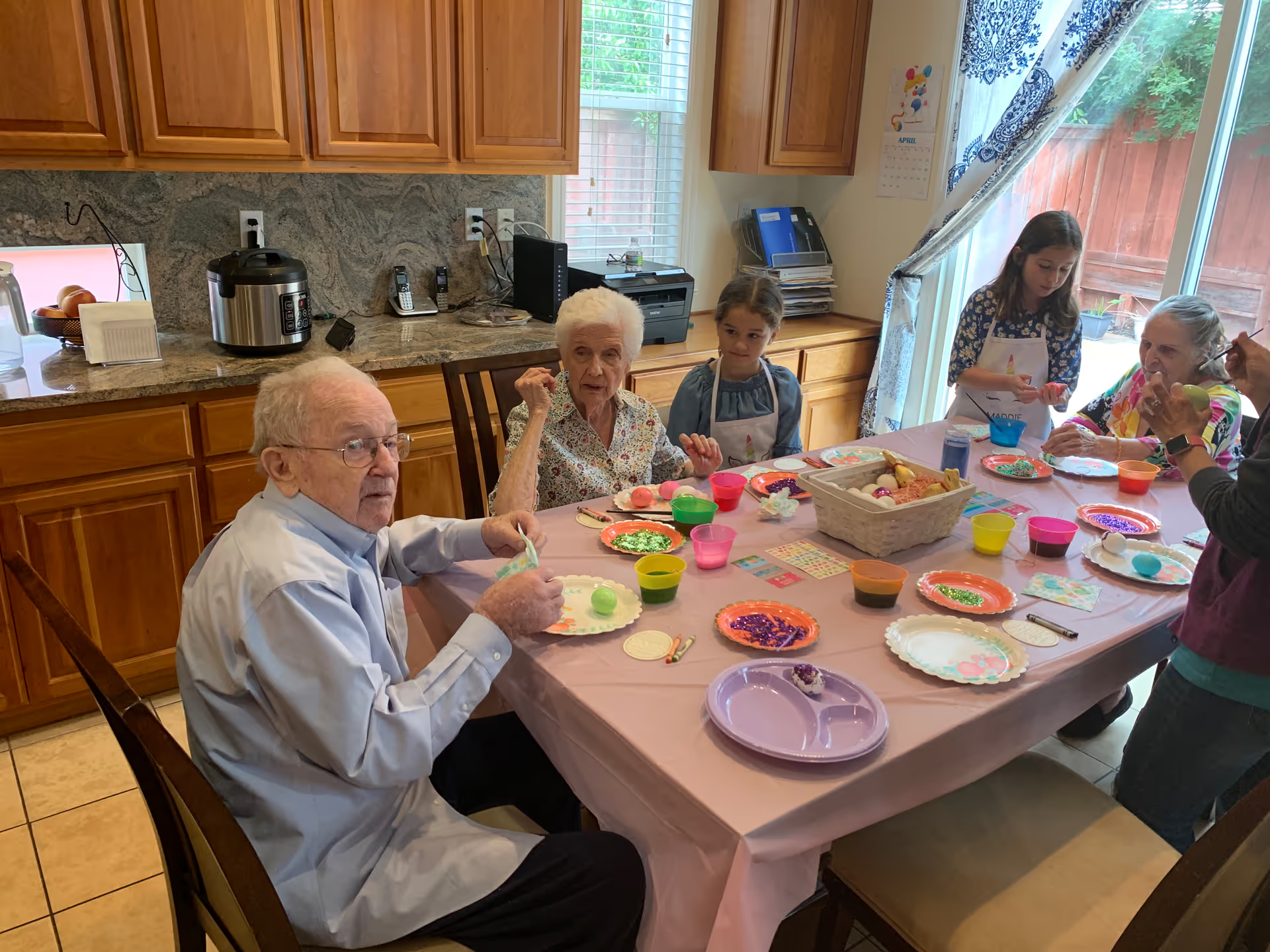
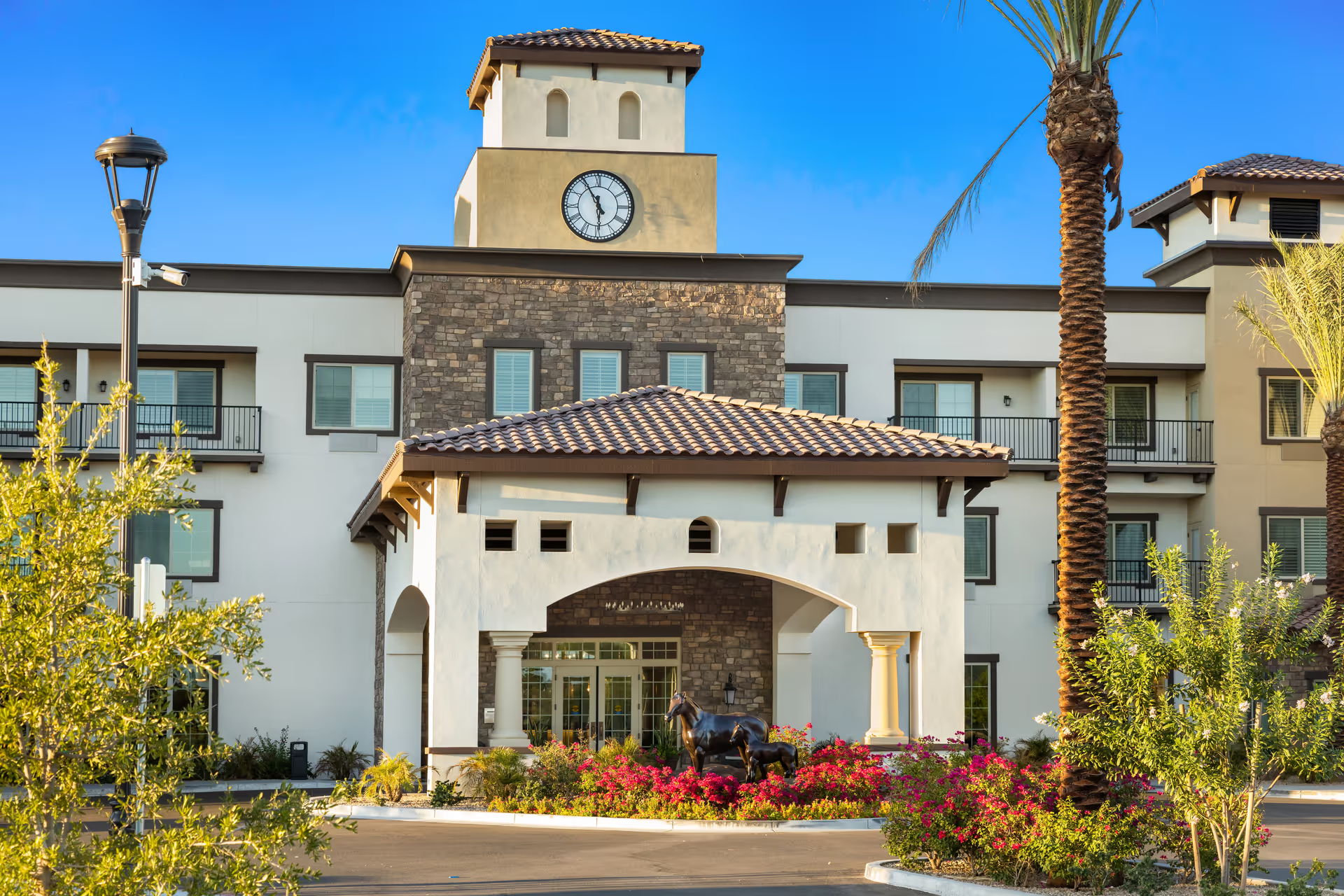
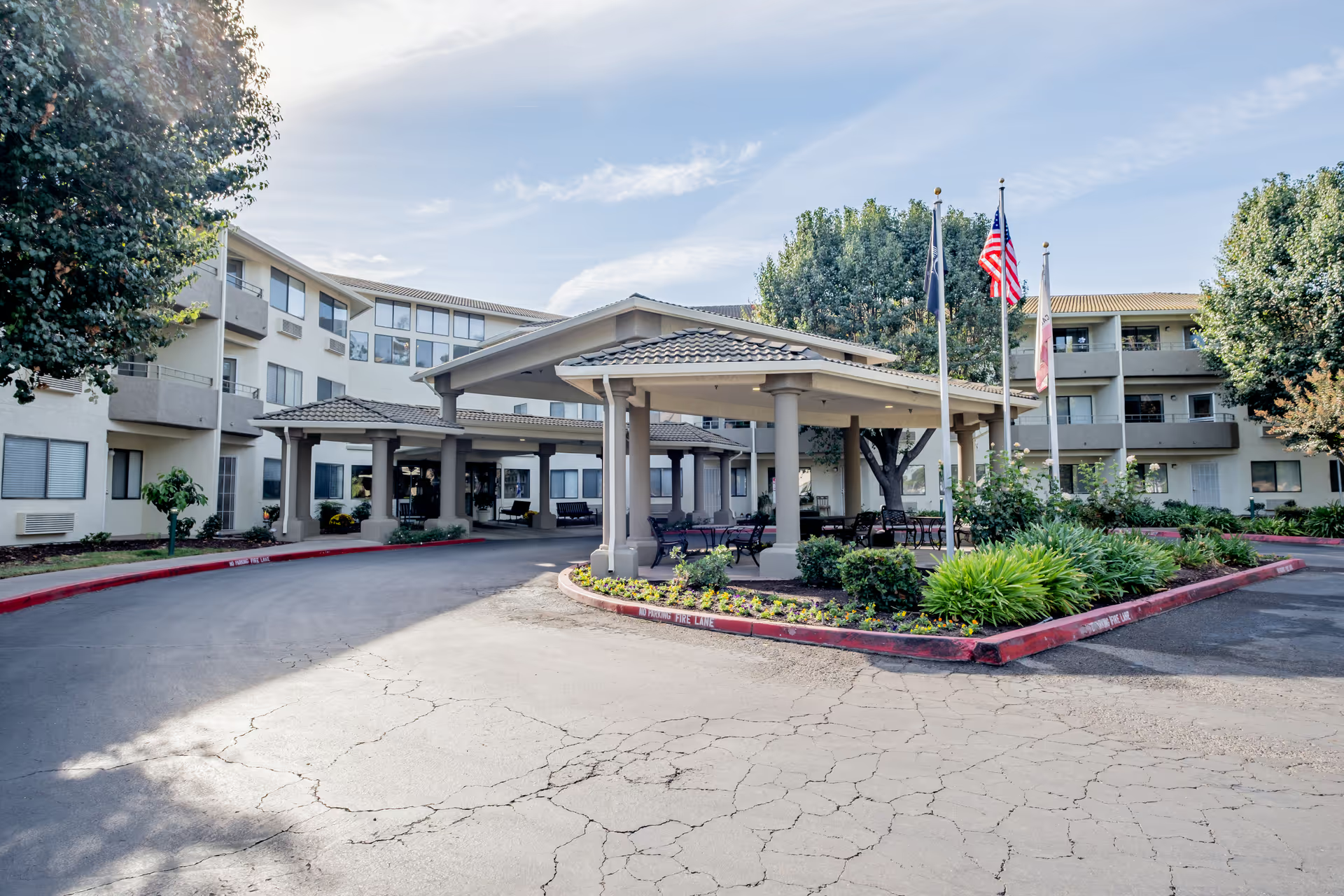
Vintage Faire Residential elicits a mixed but actionable set of impressions. Many families and residents praise the physical environment: the building and common areas are described as modern, bright, and clean, with neat, well-organized rooms, a patio/garden, and entertainment channels that support social engagement. Dining is frequently noted as a strength—meals are characterized as varied, scratch-prepared, and well liked—while short-term rehabilitation experiences and overall value-for-cost receive positive mentions. Several accounts emphasize caring, compassionate caregivers and long-tenured staff who contribute to a home-like atmosphere; bilingual staff and an engaged manager are also cited as contributors to resident comfort.
At the same time, reviewers describe operational inconsistencies that prospective residents and families should clarify during a tour. Staffing-related issues recur: availability and responsiveness for personal-care needs appear uneven, and reports suggest variability in staff professionalism. Administrative priorities—such as staff time spent on office tasks—are perceived to sometimes limit direct care availability. Related operational weaknesses include laundry-management problems and constraints on bathing access that may translate into scheduling or comfort issues for residents.
Clinical and programmatic concerns include instances where therapeutic or diet-specific meal accommodations were not consistently provided, and at least one account raised concern about infection-control and admissions screening practices. These accounts point toward potential gaps in clinical-incident response and family communication. Activity programming is generally highlighted as a strength, with a broad range of offerings and social opportunities, but there is variability in what individual residents experience; some families described robust programming while others perceived limited options.
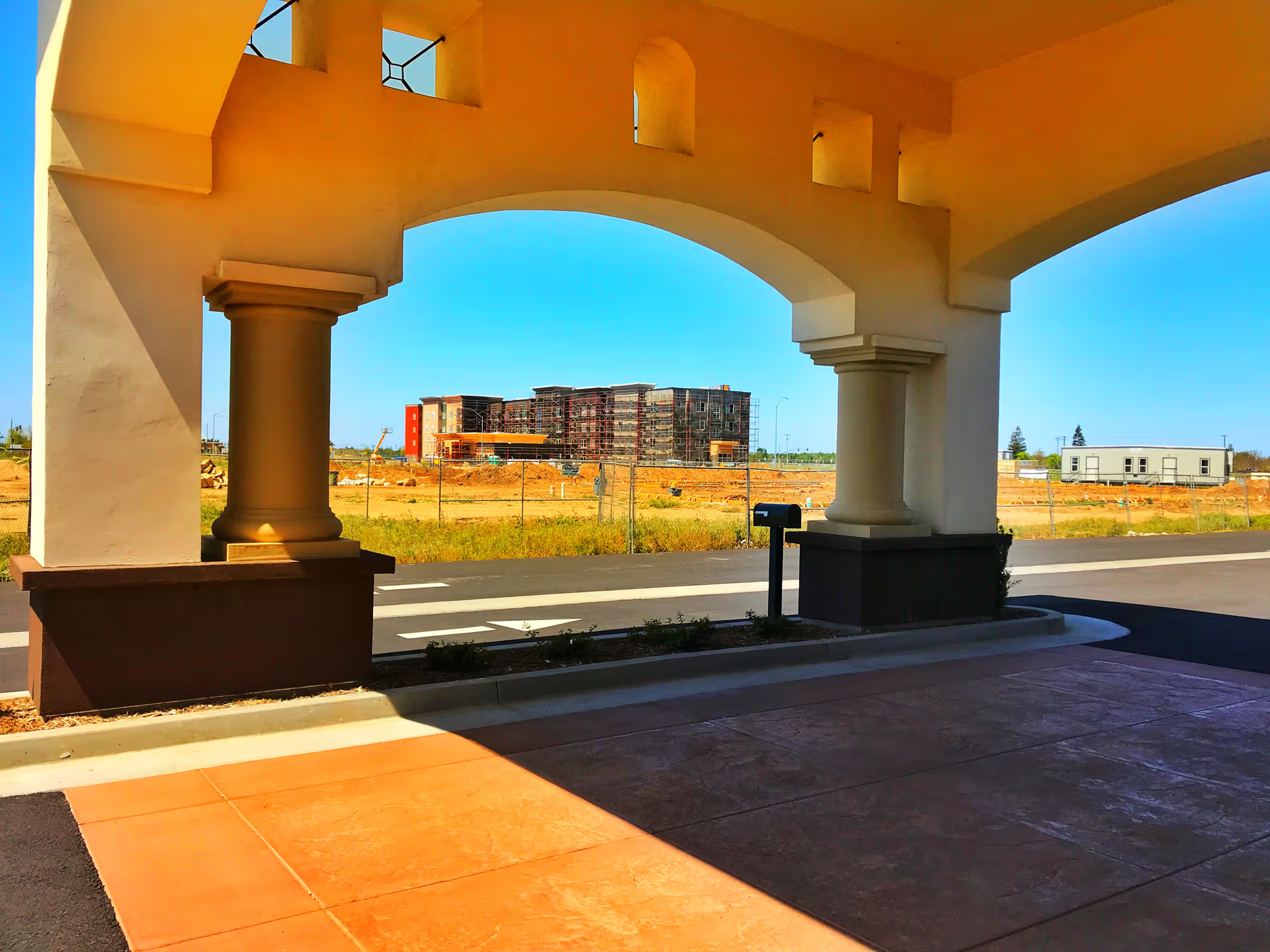
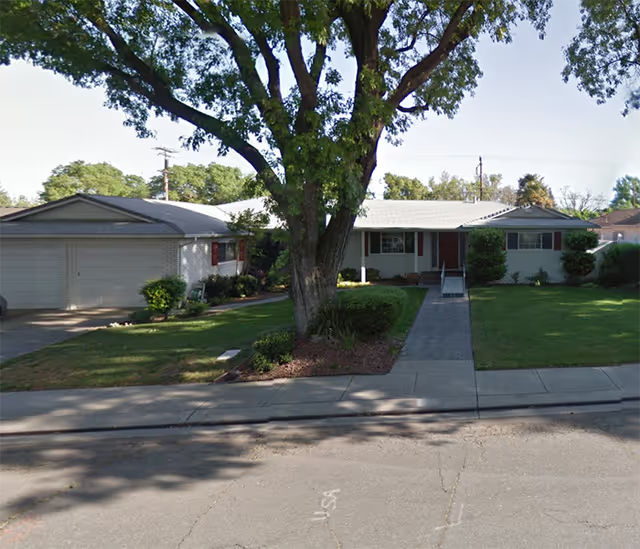
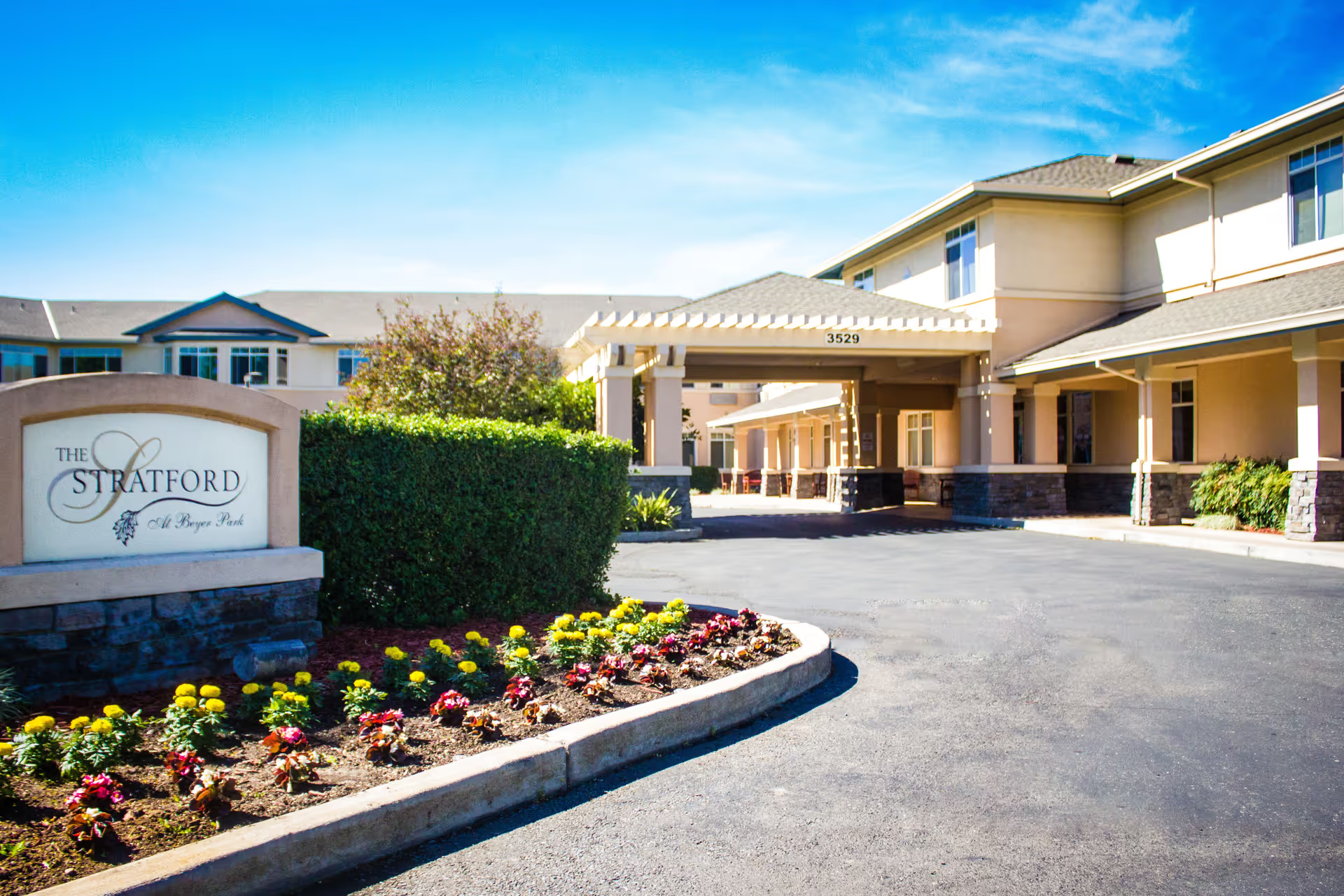
Management and quality assurance show signs of both strength and variability. Several reports praise responsive leadership and positive direction following administrative changes, including facility upgrades and renewed engagement from leadership. Conversely, other accounts indicate uneven follow-through on complaints, and perceptions that service quality worsened after certain grievances. Given the mixed signals, families would benefit from asking specific operational questions at intake: staffing ratios and schedules for personal care and bathing, policies for special-diet accommodations (including diabetic meals), laundry procedures, infection-control protocols and recent outcomes, and examples of activity schedules. Verifying current photos against the physical space and requesting references from recent families or residents can help reconcile marketing materials with on-site conditions.
Overall, Vintage Faire presents many of the desirable attributes of a well-kept residential community—clean environment, engaging activities, and generally well-regarded dining and rehab services—alongside operational inconsistencies that could affect daily care for some residents. A focused, in-person evaluation of the areas highlighted above will give the clearest sense of whether the facility’s current operations align with an individual resident’s needs.