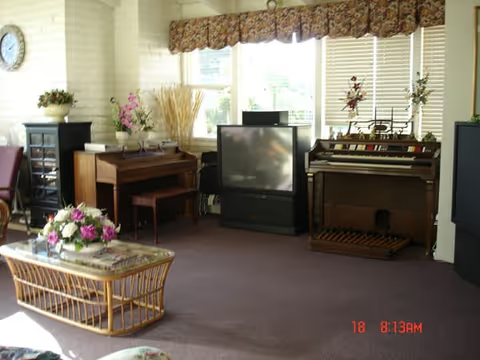
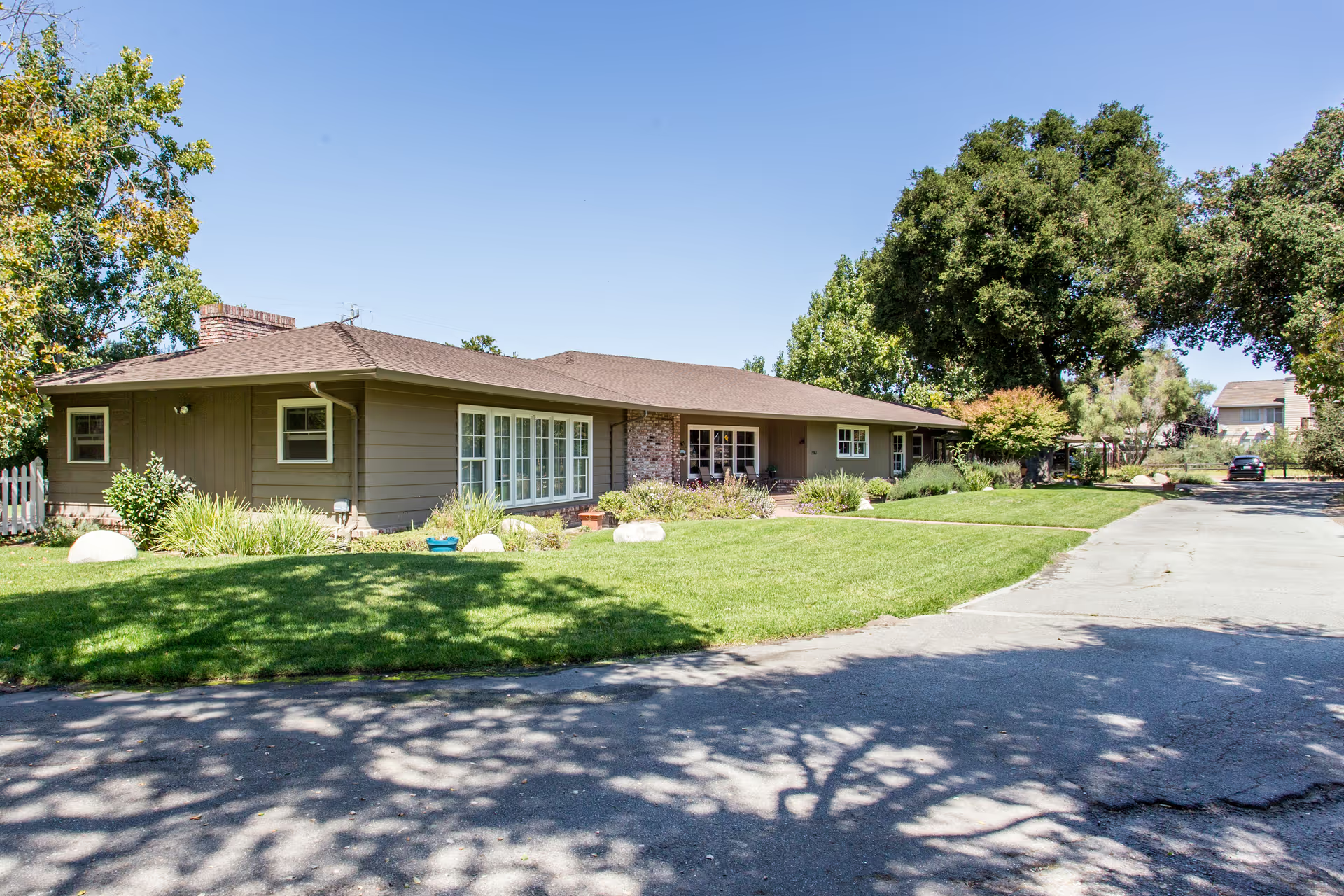
Cypress Ridge Care Center elicits a polarized pattern of feedback. Many families and patients describe the facility as an effective short-term rehabilitation destination with strong clinical therapy services and a caring frontline staff. Physical and occupational therapy teams receive consistent praise for clinical competence and motivating programming; nursing staff and CNAs are often characterized as attentive and compassionate. The building and grounds are commonly described as clean and well-maintained, with recent renovations, attractive views, and usable indoor/outdoor visitation spaces. Admissions and social-services staff are also repeatedly commended for smooth intake, discharge coordination, and assistance with insurance or VA billing.
At the same time, reviews identify operational weaknesses that merit careful consideration. Staffing variability—particularly overnight shortages—and delayed responsiveness to call lights and care requests are recurring themes. Several accounts imply gaps in transfer and fall-prevention practices as well as inconsistent hygiene protocols, which families interpreted as safety and quality-of-care risks. Reviewers also describe variability in staff experience and training, leading to uneven interactions and occasional errors in medication or service delivery. There are specific and serious concerns documented about incident handling, documentation, and communication with families; one set of reviews raises allegations of theft and questions about the management of incident-related video footage and Ombudsman involvement. Prospective families should ask about the facility's incident-reporting processes and follow-up practices.
Dining and activity programming present a mixed picture. Many reviewers praise the variety of meals, dietician involvement, and seasonal or holiday events that contribute to a family-like atmosphere. Others note inconsistent food temperature or quality and express a desire for more fresh fruits and vegetables and more reliable meal-service practices. Activity programming, gym access, and cognitive exercises are listed as strengths that support recovery and resident engagement, although space constraints in therapy or dining areas were mentioned during high occupancy periods.
Management and communication are another area of contrast. Several families highlight proactive, compassionate coordinators and visible social-work support, and they report positive outcomes for discharge planning and insurance navigation. Conversely, other accounts describe limited administrative visibility, occasional dismissive tone from office staff, and problems with medical-records forwarding. These differences suggest variability in leadership presence and responsiveness that can affect family experience.
Recommendation: For prospective residents and family members, Cypress Ridge appears well suited for goal-directed, short-term rehabilitation when therapy and nursing teams are present and adequately staffed. Before admission, ask targeted questions about current staffing levels (including night coverage), fall-prevention and transfer protocols, hygiene and infection-control practices, the facility’s incident-reporting and documentation procedures, medical-records transfer policy, meal menus and produce availability, and private-room options. Arrange to observe staff–resident interactions and, if possible, speak with recent families about discharge coordination and administrative responsiveness to ensure alignment with your expectations.