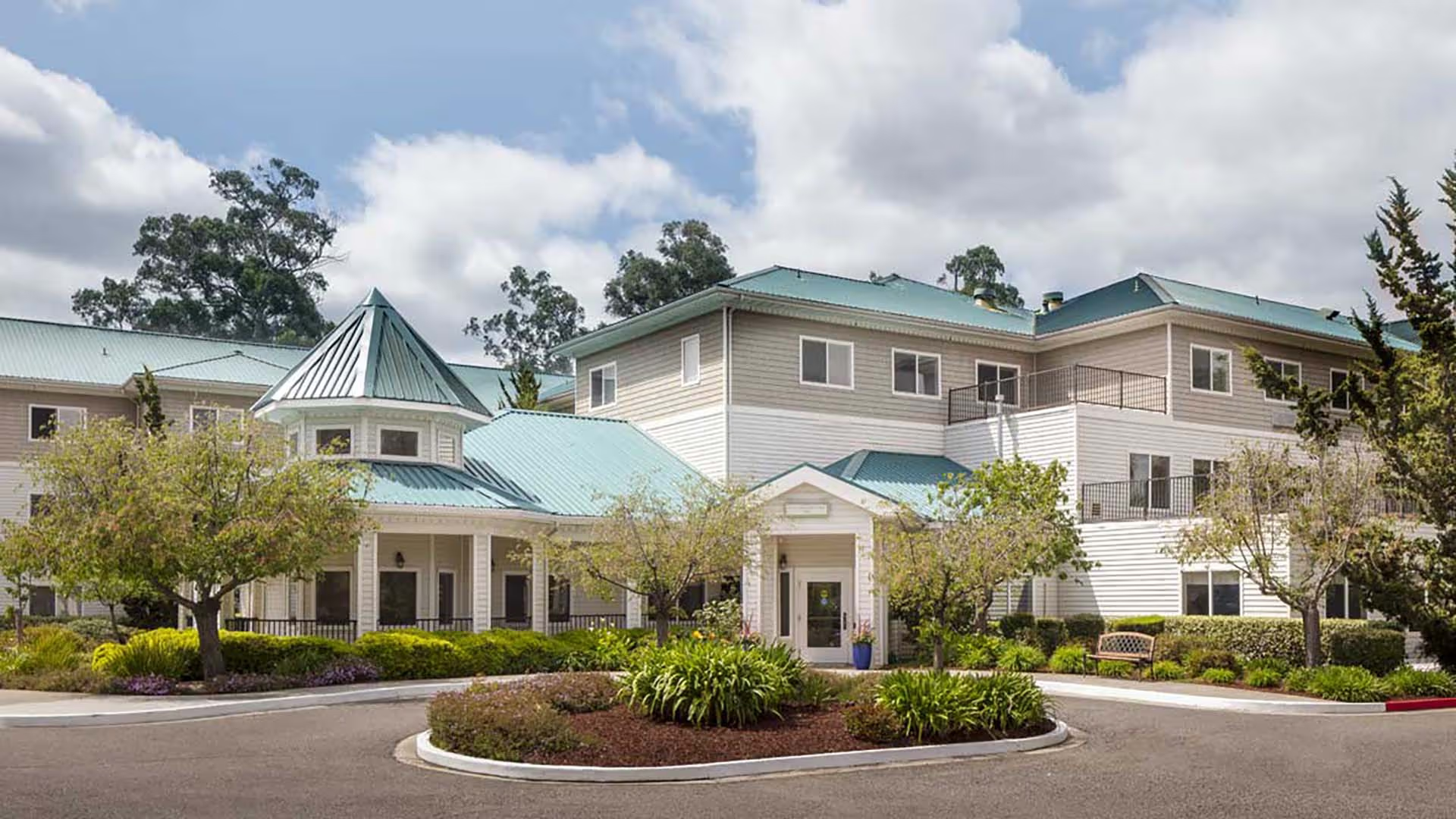
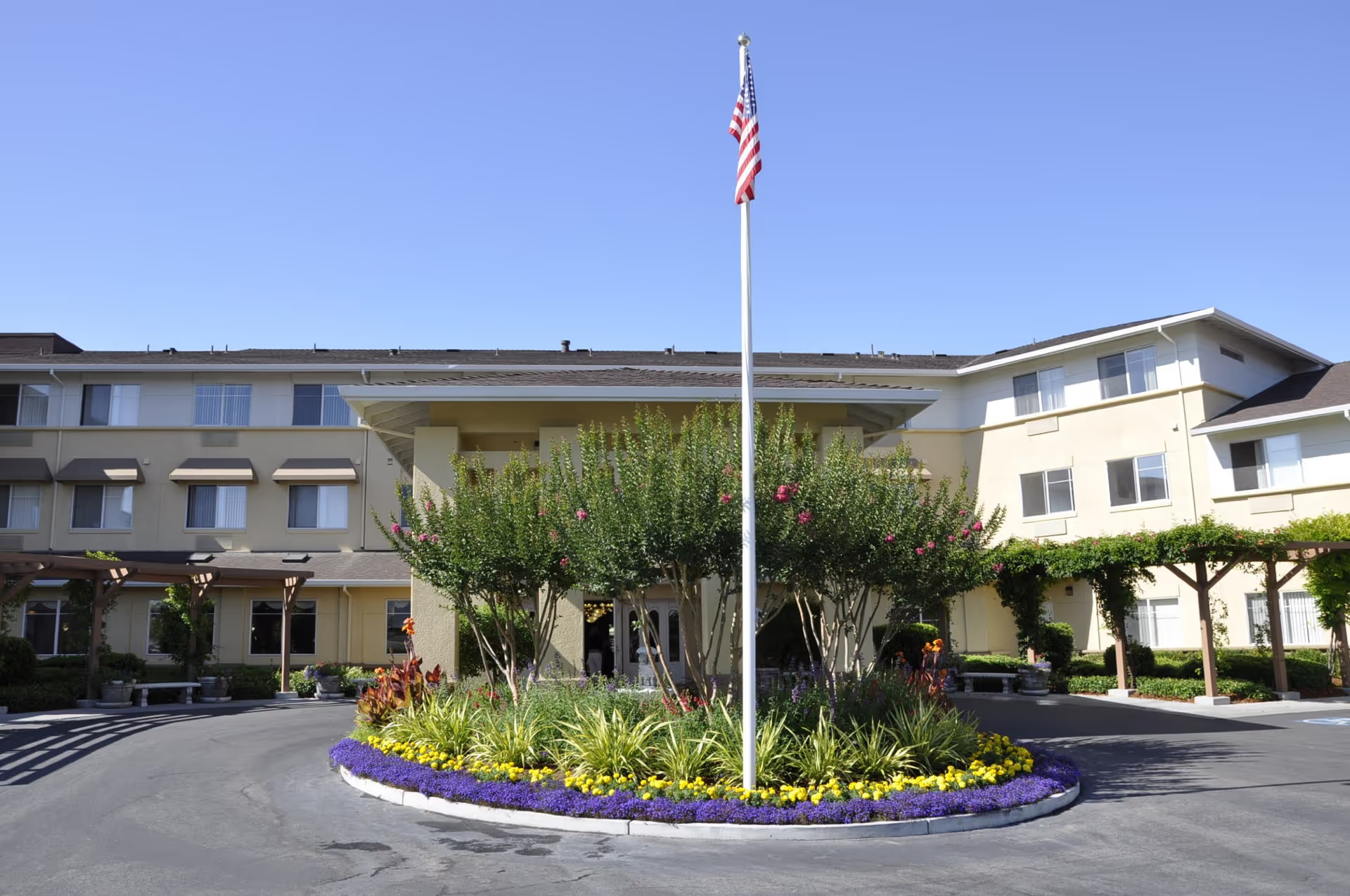
The reviews portray a facility with a pronounced split between strong rehabilitation services and recurring operational weaknesses. Clinical rehabilitation — particularly physical and occupational therapy — is frequently highlighted as effective, with many families crediting therapy and case management for successful discharges home. Nursing staff are often described as attentive and compassionate; social workers and admission teams receive consistent praise for being helpful and professional. Clean, well-maintained therapy areas and active programming (music, bingo, cooking classes, sunlit common spaces) are strengths for patients requiring short-term rehab.
At the same time, multiple operational patterns raise concerns about consistency of day-to-day care. Reviewers describe delayed responses to call bells, long waits for personal assistance, and uneven availability of staff during nights and weekends. High staff turnover and what reviewers characterize as understaffing are recurring themes and appear linked to variability in responsiveness and oversight. There are also repeated observations of inconsistent medication administration and isolated allegations about medication handling; these items point to a need for stronger clinical governance and clearer medication protocols.
Dining and housekeeping present mixed results. Some families note clean common areas and good meal accommodations (including renal diets and dialysis transport), while others describe inconsistent meal quality, overcooked items, and mealtime limitations for certain diets. Housekeeping is uneven in places: several reviews reference odor concerns, soiled linens or items left unattended, and occasional sanitation issues that merit attention. Shared rooms and crowded layouts recur as a facility-level constraint — small, hot rooms and three-to-a-room arrangements reduce privacy and can exacerbate noise and sleep disruption.
Management and policy issues are another recurrent pattern. Reviewers cite a lack of written or consistently-enforced visitor and resident policies, strict but uneven visitation protocols (including quarantine or glass-partition arrangements), and inconsistent communication during infection events. A handful of reviews raise accessibility concerns (including service-animal visitation denials) and express intent to pursue legal avenues; the facility should clarify ADA-related procedures. Families also report variable admissions and discharge decision-making: while many families describe supportive and well-coordinated discharges, others report premature releases without adequate family consultation.
Overall, Pacific Hills Manor appears to deliver strong rehabilitative care and benefits from compassionate front-line staff in many cases, but prospective residents and families should weigh those strengths against operational variability. Key areas to probe during a visit: night and weekend staffing levels and response times, medication-administration safeguards, written visitor and ADA policies, infection-control communication practices, meal-service quality for special diets, and the availability of private rooms or mitigation for shared-room challenges. These inquiries will help determine whether the facility’s rehabilitative strengths align with an individual resident’s needs and safety expectations.