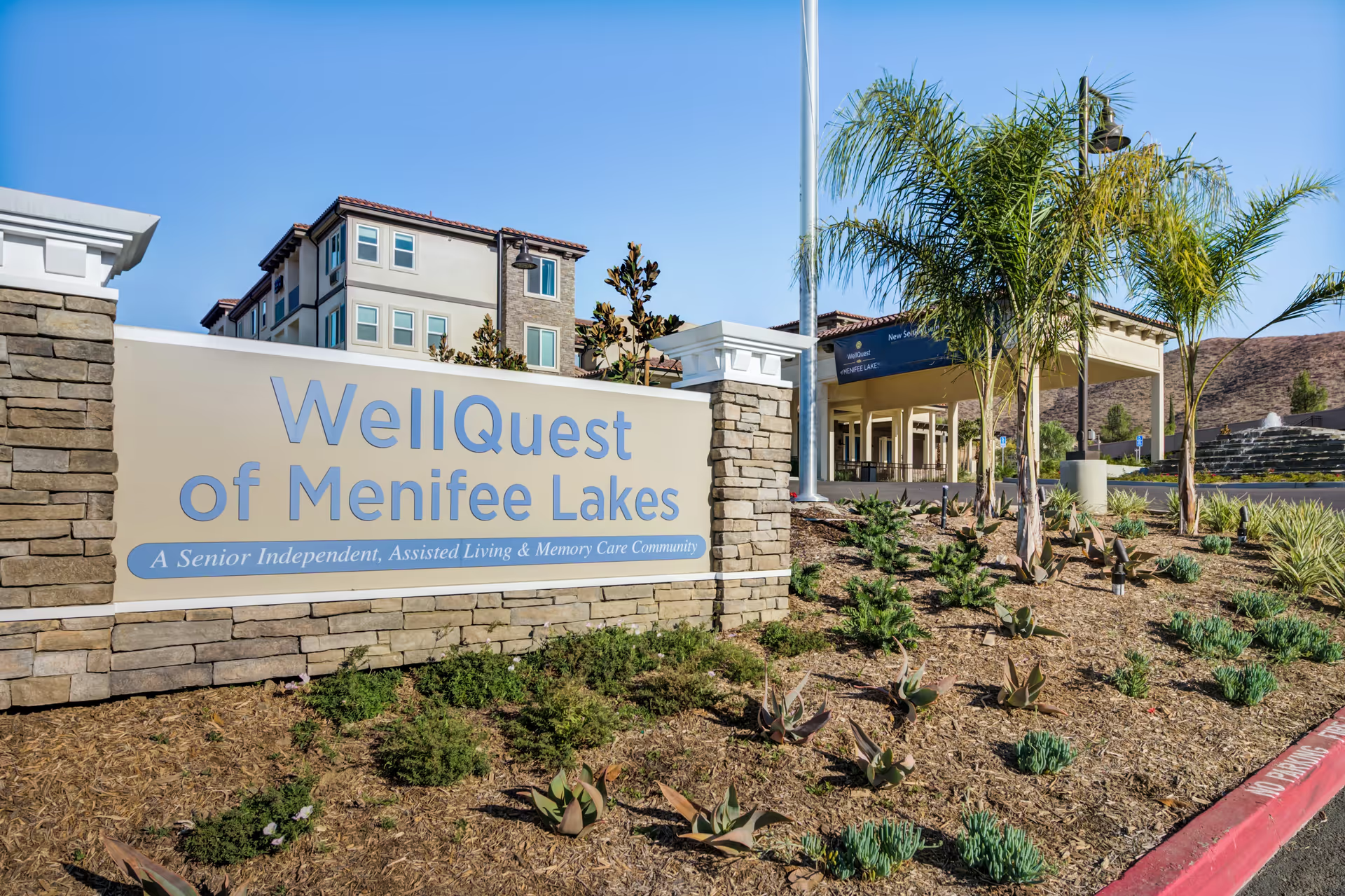
Overall impression: The feedback indicates a facility that emphasizes clinically informed, safety-oriented care delivered in a clean, calm, and well-maintained environment. Family- and resident-facing communication, including coordination with hospice, is highlighted as a consistent strength. Several descriptions point to attentive staff and visible clinical leadership (an RN owner), suggesting active oversight of care processes and responsiveness to clinical needs.
Care and staff: The facility is characterized by attentive caregiving and a safety-first approach. Clinical oversight from an RN-owner appears to shape staff practices and communication pathways; hospice interactions are described as clear and coordinated. Staffing behavior is described as respectful of resident autonomy, particularly around decisions to join trips or activities, which suggests staff training emphasizes resident-centered decision-making and consent.
Dining and activities: Dining is presented positively, with freshly prepared meals noted and an emphasis on quality. Programming includes outdoor exercise (patio activities), regular walks, organized outings, and occasional partnerships with other communities to expand activity options. Residents are reportedly allowed to choose whether to participate, reinforcing autonomy and person-directed engagement.
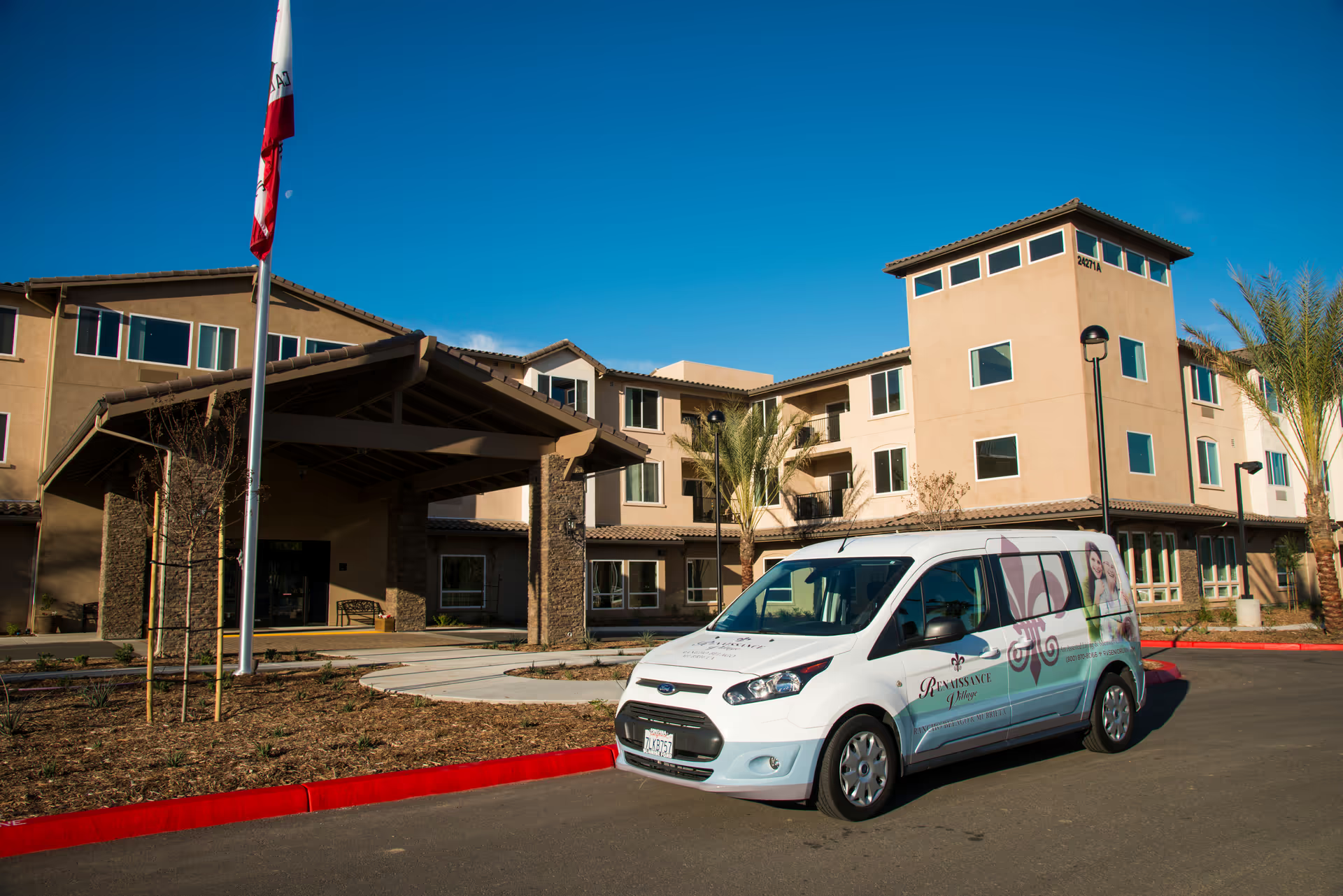
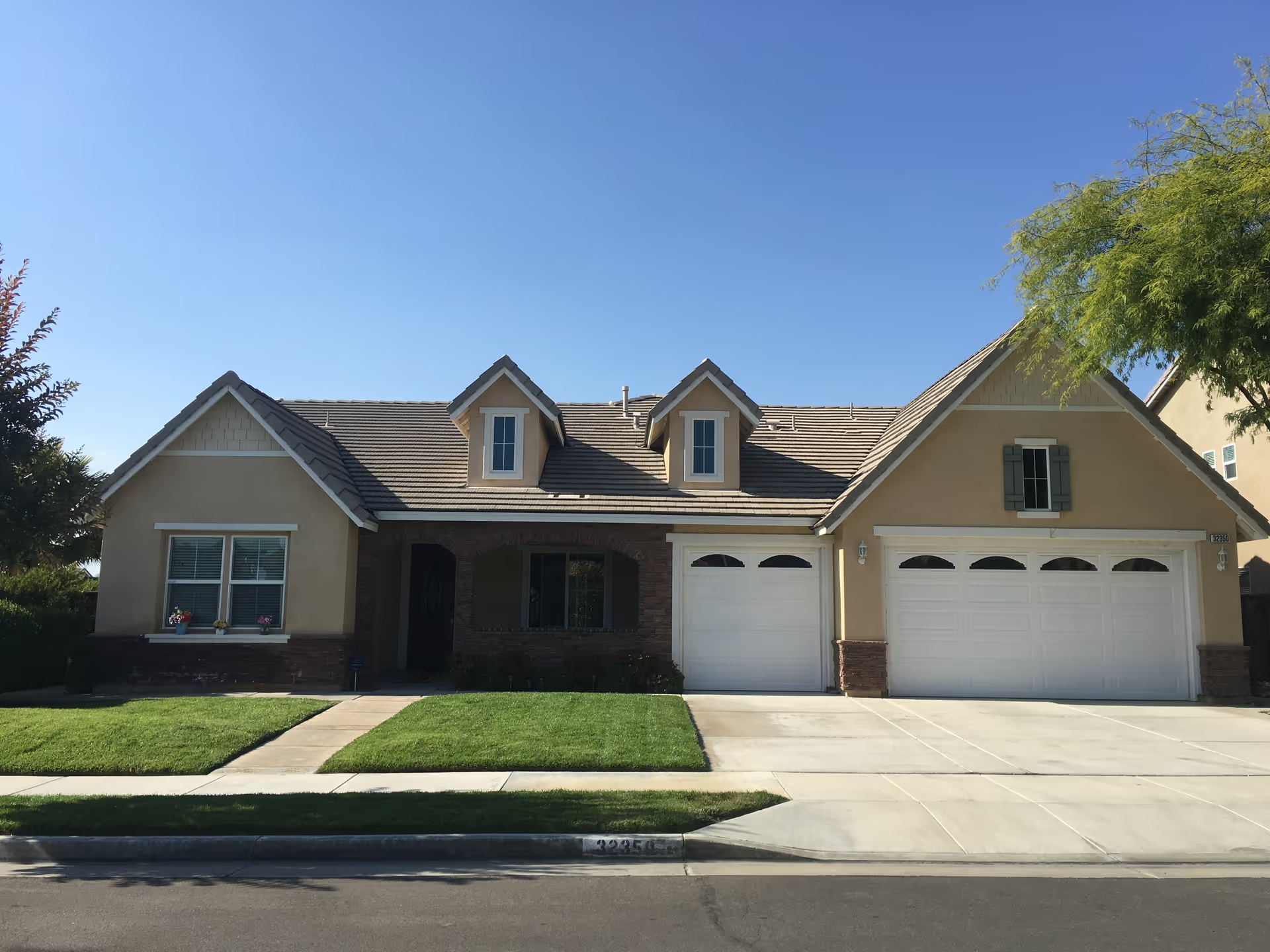
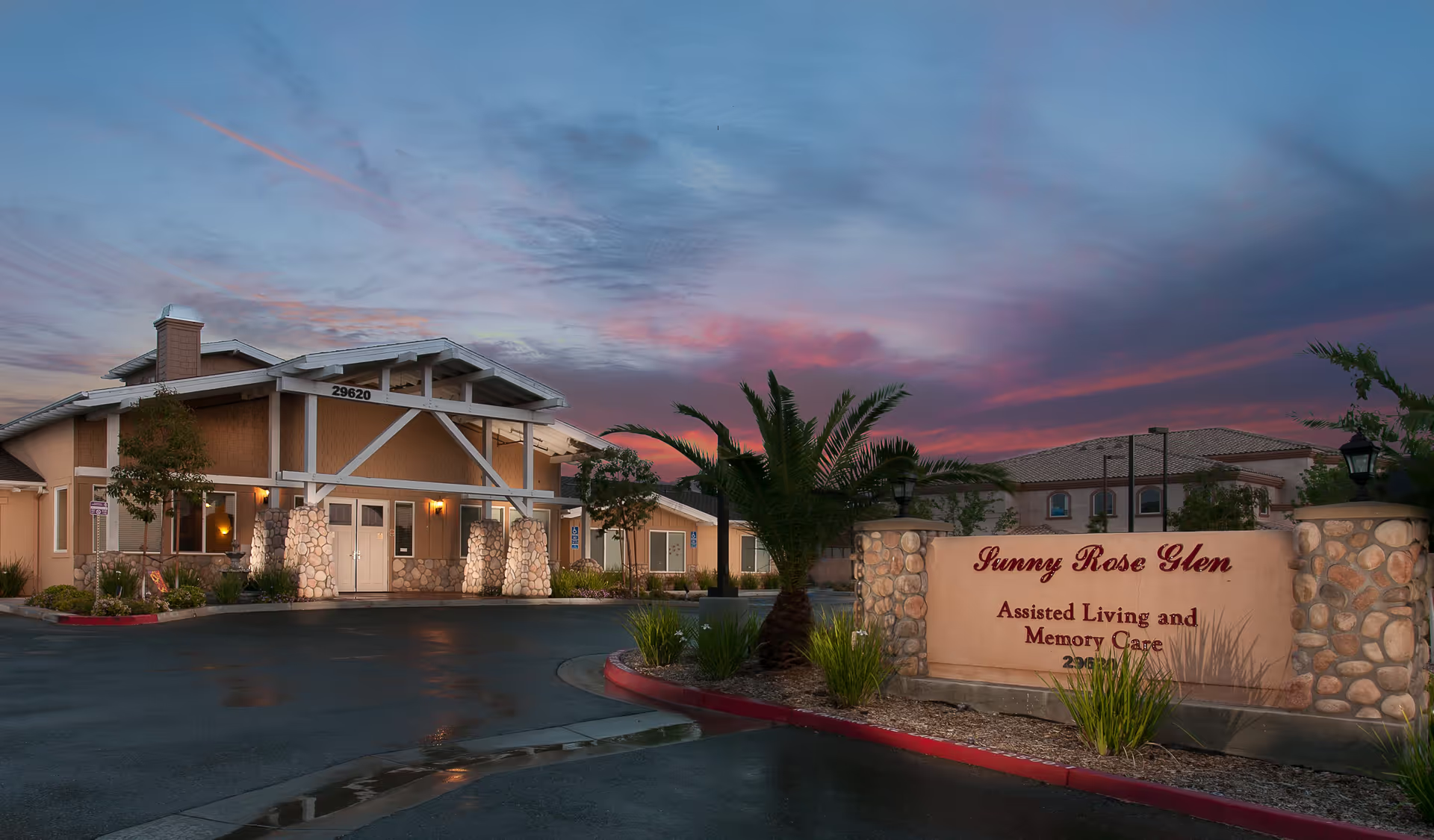
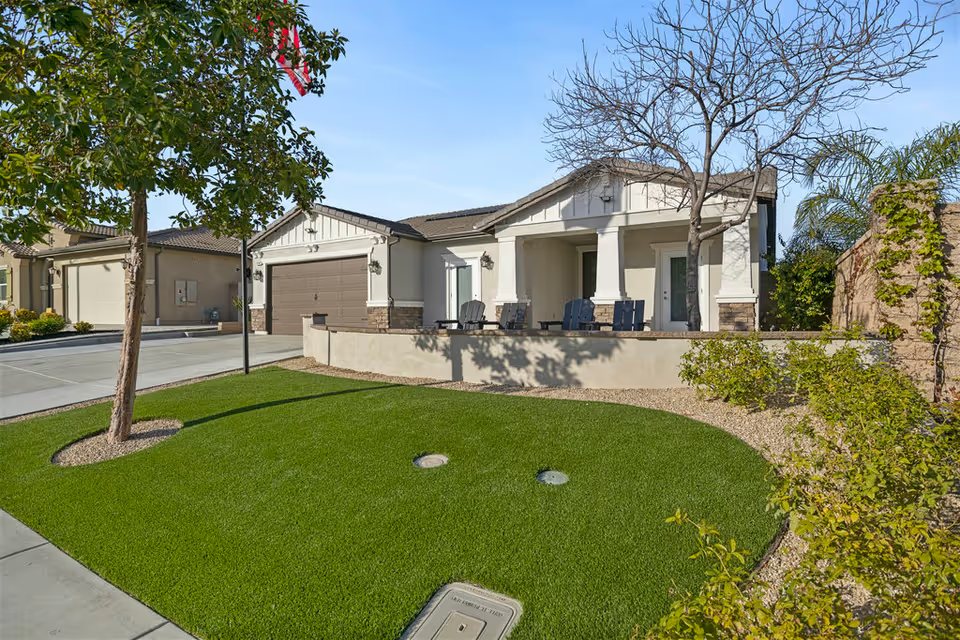
Facilities and environment: The physical setting is described as clean, well-lit, and quiet, with private rooms available — attributes consistent with a higher-end, residential model. Attention to detail in the environment and household-level hospitality contributes to the perception of a premium atmosphere.
Management and patterns: Management style appears hands-on and clinically informed, supported by the RN-owner detail and positive family communication. The presence of partnerships with other communities suggests a strategy of supplementing in-house offerings with external resources when needed. A notable pattern is the facility's positioning toward higher-end care, which many reviewers interpret as a strength in terms of quality and attention to residents.
Considerations: The primary operational caveat is cost: the community is perceived as having higher-than-average pricing, which may affect affordability for some families. Additionally, the use of external partners to provide some services expands programming options but may mean certain specialized services are not wholly in-house. Prospective residents and families should confirm which clinical and lifestyle services are provided directly by the facility versus via partners, and request detailed pricing and service-inclusion information to evaluate value relative to cost.