Across the collected summaries, A Paradise in the Valley is characterized primarily as a small, family-run residential care setting that prioritizes individualized attention and a homelike environment. Families repeatedly emphasize personalized, one-on-one caregiving, a warm staff–resident dynamic, and a high level of communication from administrators and caregivers. The facility’s smaller scale and family-oriented management style emerge as central aspects of the experience, producing a less institutional atmosphere and frequent direct contact with owners or managers.
Care quality is described as attentive and respectful, with reviewers highlighting on-time medication administration, proactive clinical attention, and staff who are experienced with dementia and Alzheimer’s needs. Reviewers emphasize dignity and emotional support; common phrases include patient, nurturing, and loving care. The facility appears to deliver consistent family updates and accommodates urgent or short-notice admissions, which contributes to families’ sense of safety and peace of mind.
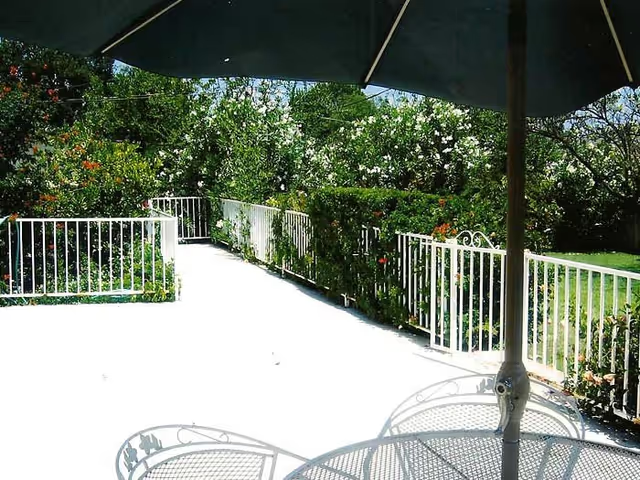
Dining and activities are noted strengths. Multiple accounts point to home-cooked meals with daily choices, timely service, and a social dining setting. Daily exercise, outdoor access, and well-maintained patios and gardens are repeatedly cited, supporting a routine that includes fresh air and movement. The activity program is described as engaging and appropriate to a smaller resident group, with opportunities for individualized participation rather than large-group programming.
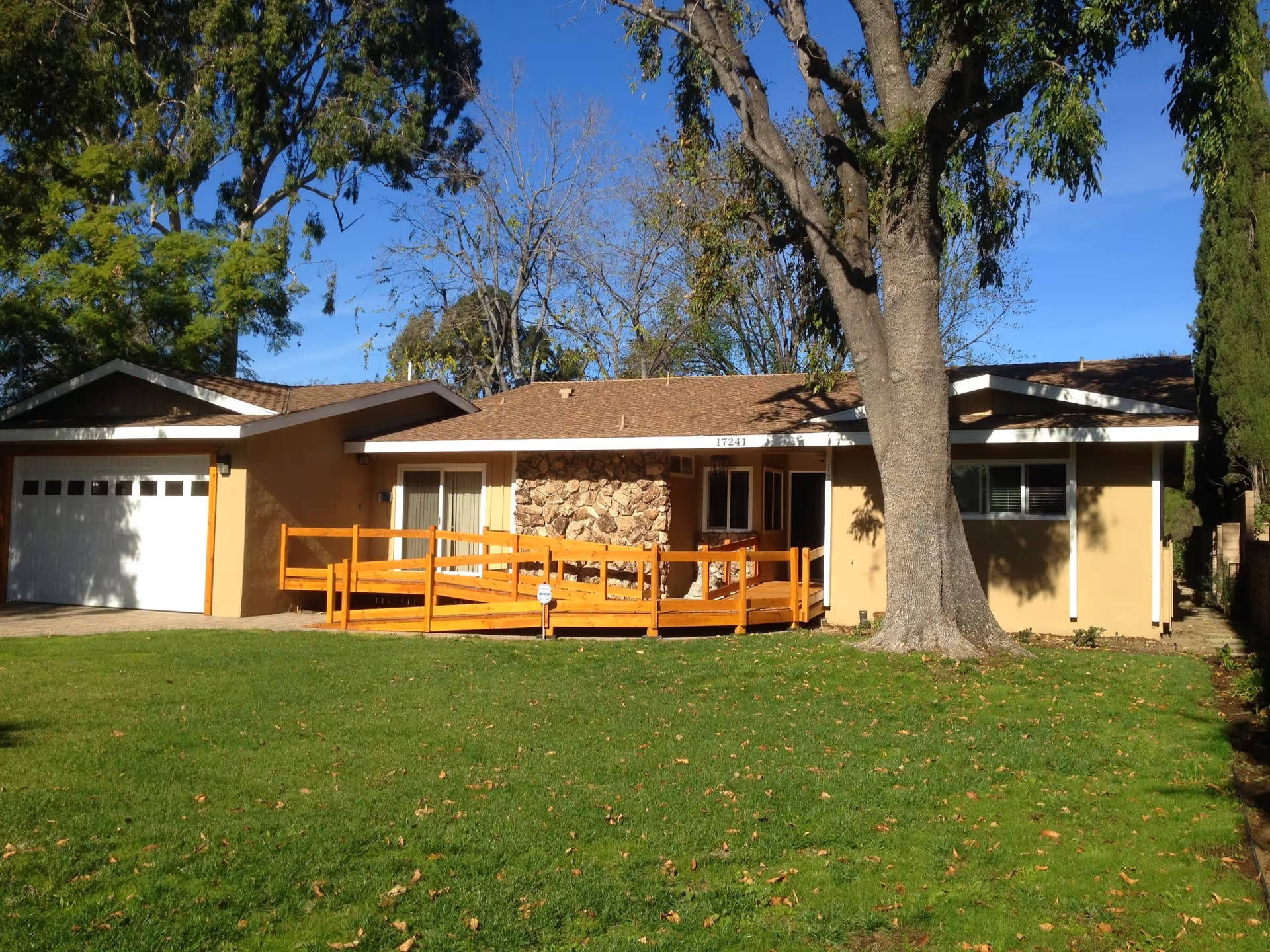
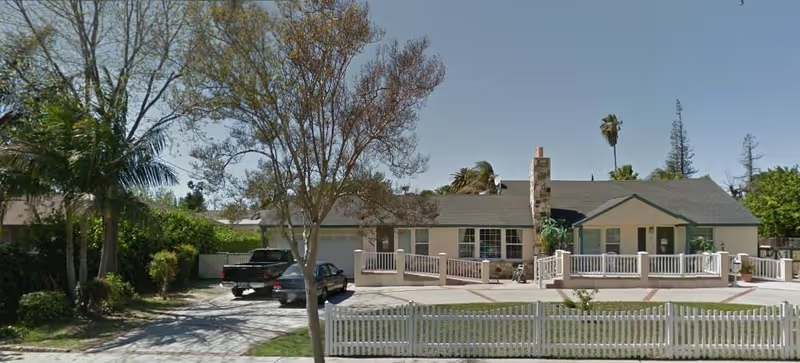
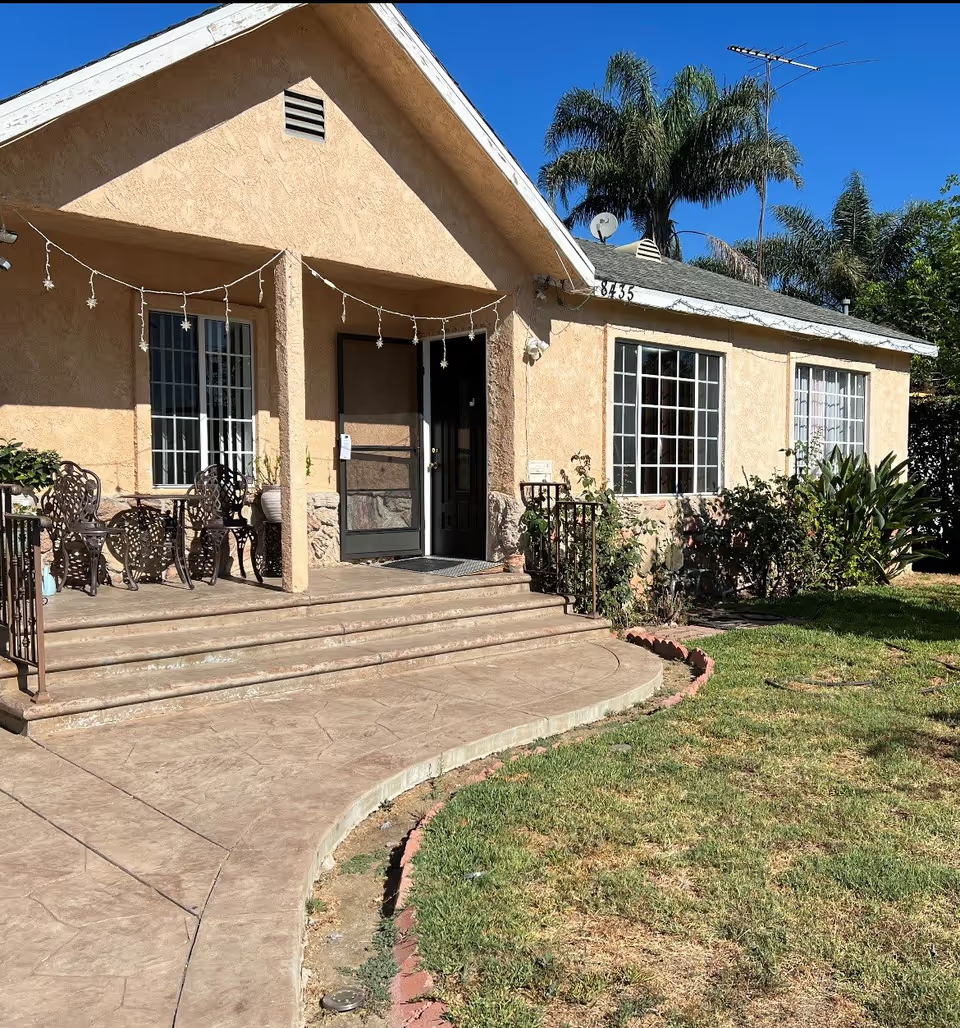
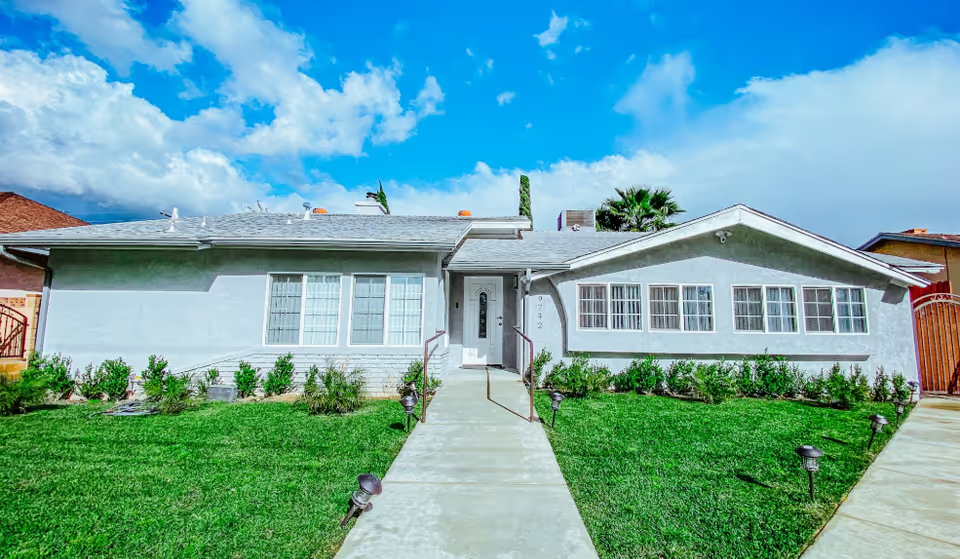
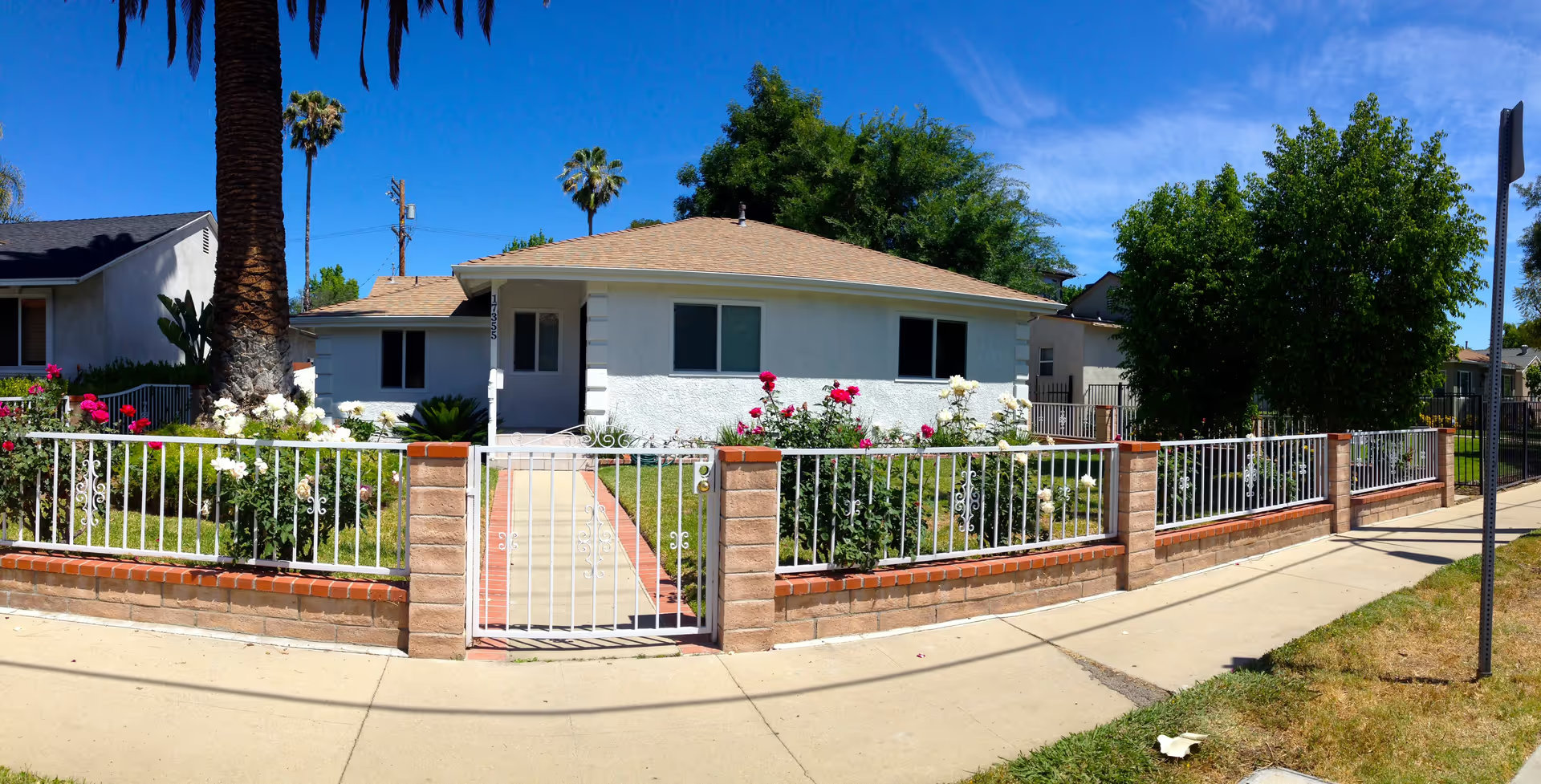
Facilities and management are portrayed as clean, charming, and carefully maintained. The house setting, large rooms, and attractive grounds contribute to a homelike feel that many families prefer over larger, corporate-style facilities. Management is described as accessible and professional, with owners and an administrator involved in daily operations. That closeness appears to be an asset for responsiveness and personalized service, although it also suggests operational characteristics to consider when matching a resident’s needs to this setting.
Notable patterns and cautions: the facility’s small, family-run model creates several evident strengths (personalization, familiarity, and atmosphere) but also implies limitations for certain clinical or scale-related needs. Potential residents and families should weigh the advantages of individualized care against capacity constraints: a smaller community may have limited bed availability, fewer on-site specialized rehabilitation or advanced clinical services, and a smaller staffing roster that could affect coverage during high-acuity episodes or staff absences. Prospective families should clarify clinical capabilities, emergency protocols, and staffing patterns relative to the level of medical care the prospective resident may require.
Overall, the reviews portray A Paradise in the Valley as a well-kept, compassionate, and family-oriented option for residents who prioritize a homelike environment, personalized attention, and dementia-aware support. For families seeking that model, the facility’s strengths are prominent; for those requiring comprehensive on-site clinical services or extensive amenity offerings typical of larger campuses, additional inquiry is recommended to confirm fit.