Overall impression: Gardens at Northridge presents as a well-appointed community with strong strengths in therapeutic services, social programming, and campus aesthetics. Reviewers consistently describe an attractive, clean environment with pleasant gardens and a range of on-site amenities (theater, salon, library, movie and activity rooms). Short-term rehabilitation and therapy services are frequently praised for effectiveness and measurable recovery, and many families note that residents quickly become socially engaged through robust activities and outings.
Care and clinical patterns: Clinical care, particularly rehabilitation and nursing in the skilled-nursing/rehab setting, is a clear strength for many families; therapy staff and nurses are commonly described as knowledgeable and effective. However, there are recurring operational concerns related to clinical incident response and care coordination. Several families described delayed clinical responses, medication-administration lapses, and difficulties integrating hospice services — patterns that suggest gaps in clinical-incident response protocols and in coordination between clinical and hospice teams. Additionally, reviewers note inconsistencies in medication policy application between assisted living and memory-care units, which may require clarification for families at transfer points.
Staff and communication: Staffing is generally characterized as caring and attentive, with frequent praise for CNAs, activities personnel, and front-desk/tour staff who facilitate transitions. At the same time, consistency of staff behavior and communication quality appears variable; some families noted very positive, proactive leadership and responsive managers, while others experienced abrupt leadership transitions, limited advance notice about staffing changes, or a need for more proactive professional communication. Nighttime responsiveness and call-button response times were singled out as an operational weakness in some accounts, indicating uneven coverage or prioritization during off hours.
Dining and activities: Dining receives mixed-but-leaning-positive comments: portions are generous and many enjoy the menu, table service, and pleasant dining room atmosphere. A pattern of requests for greater menu variety and stronger flavors appears alongside isolated comments about missing tray items or in-room service limitations. Activities are a strong asset — reviewers describe a lively calendar with sing-alongs, chorus, bingo, bus trips, shopping days, religious services, and many resident-led social opportunities. Activity staffing and program vitality are strengths, though continuity can be affected by staff turnover or vacancies in the activities director role.
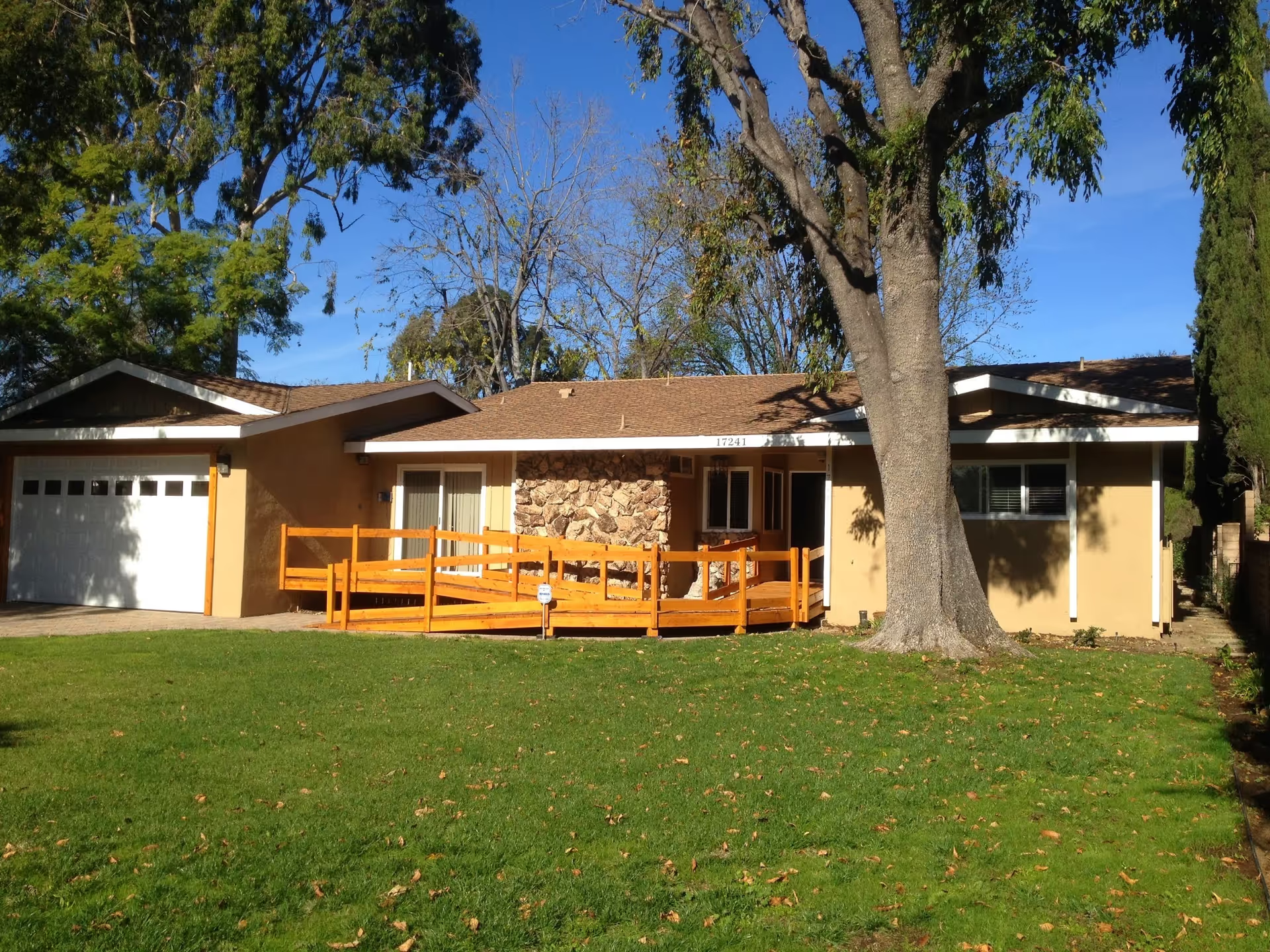
Facilities and accommodations: Facility upkeep, décor, and common spaces are frequently commended. The campus, gardens, and public areas are described as clean and well-maintained, contributing to a homelike, hotel-like atmosphere for many residents. That said, some structural and unit-level issues recur: several residents and families find studios and some shared rooms small or awkwardly configured, and shared accommodations with insufficient partitions have been noted. A few bathroom-cleanliness concerns and localized sanitation issues were mentioned, suggesting variability in housekeeping attention in specific areas.
Management and value: Management changes and ownership transitions have been visible to families and have driven uneven communication at times. Where leadership is proactive and engaged, families describe improved morale and visible program innovation; where transitions are abrupt, families report uncertainty and gaps in information flow. Pricing and perceived value are mixed — the community is viewed as well-appointed but sometimes costly relative to room size or compared with other local options.
Who might fit best: Gardens at Northridge may be a strong match for individuals needing robust rehabilitation services, active social engagement, and a campus with attractive grounds and many amenities. Families for whom consistent night coverage, strict med-administration uniformity across units, or larger private apartment layouts are high priorities should probe those operational areas during tours and admissions discussions. Prospective residents and families should ask specific questions about night staffing levels, hospice coordination protocols, medication policies between units, and current leadership continuity when evaluating fit.