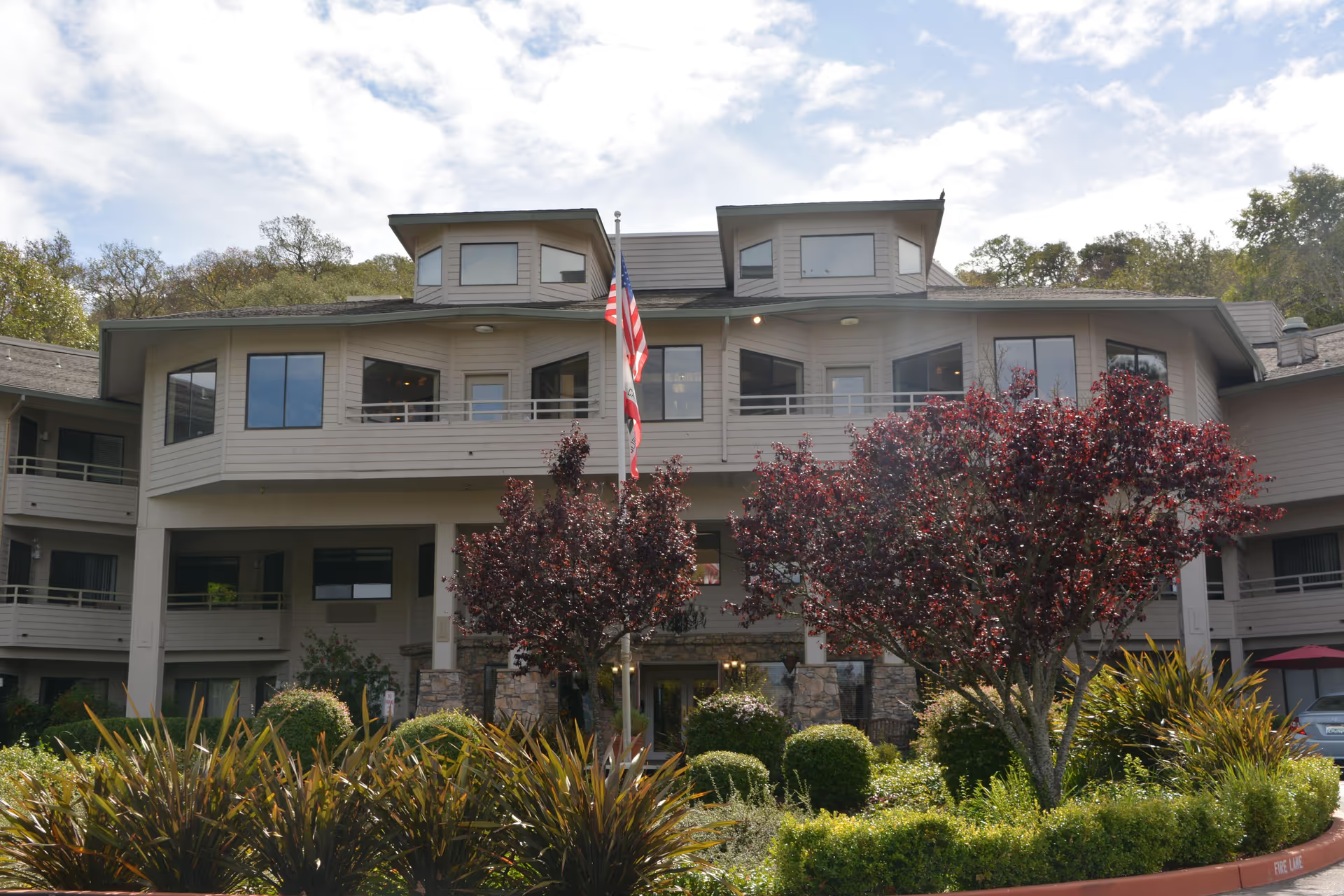
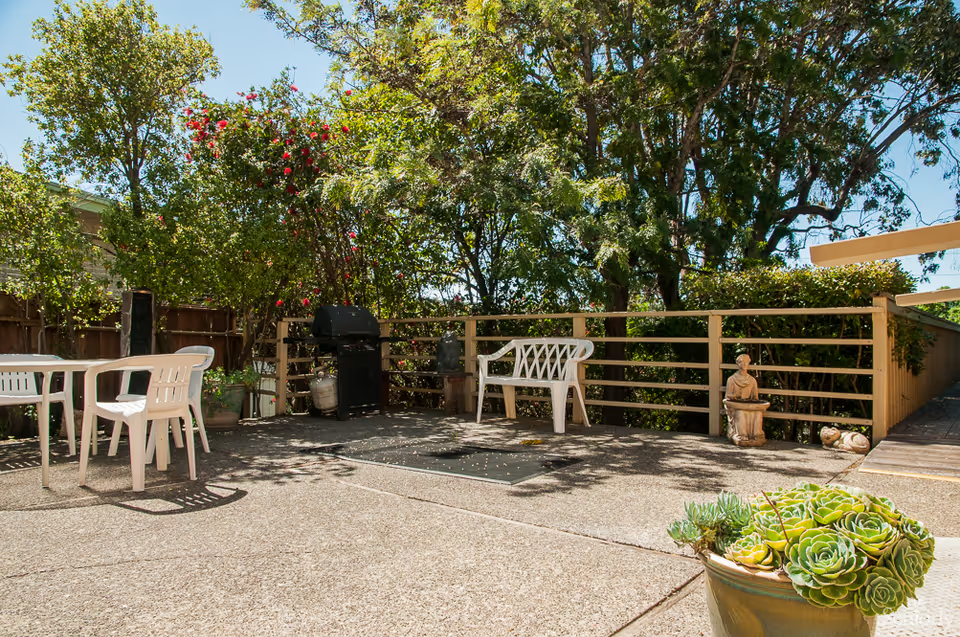
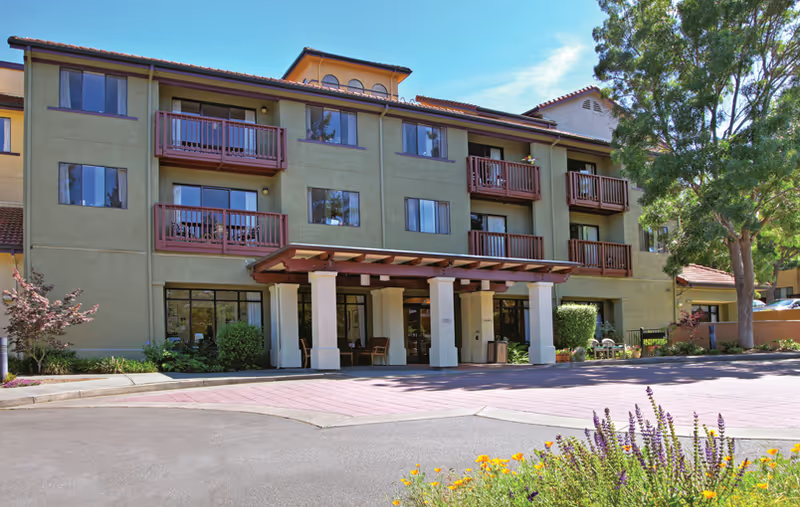
Atria Tamalpais Creek presents a mix of strong hospitality-focused features and several operational gaps that prospective residents and families should consider. The facility is frequently praised for its friendly, attentive staff, long-tenured caregiving teams, and high standards of cleanliness. Grounds and public spaces are described as attractive and well maintained, with mature landscaping, multiple communal amenities (salon, library, movie theater, bistro), and a range of apartment sizes and recent renovations. Many reviewers highlight robust programming — including choir, drama, arts, exercise classes, and escorted outings — and point to active culinary leadership and flexible dining options as meaningful strengths.
Care quality shows a dual pattern. On one hand, families commonly commend individual caregivers, care directors, and nurses for professionalism, compassion, and good communication during transitions and routine care. On the other hand, reviewers raise consistent operational concerns: responsiveness to call buttons and requests can be delayed, medication-management processes have produced access and billing confusion for some families, and staffing shortages or turnover have been reported. There is also a recurrent theme that the community may not be optimally prepared for complex or progressive dementia needs; several families moved residents when higher-acuity care became necessary. A serious financial-safeguarding allegation has been raised in reviews, and some commentary references outside inquiries; this points to the importance of confirming the facility's safeguarding and incident-response processes.
Dining is generally regarded as a strength when culinary leadership is engaged: multiple dining venues, flexible hours, and menu-based options receive positive comments. That said, some reviewers described inconsistencies in meal quality and limited menu variety at times (frozen or reheated items mentioned), suggesting variability between different dining periods or kitchen staffing configurations. Activities are comprehensive and often energetic — many residents appear socially engaged — but some families noted that activity schedules and communications are not always clear to residents, and there is interest in more resident-directed or demographic-targeted outings.
Facility and management observations are mixed. Physical amenities and the overall aesthetic are frequently described as hotel-like and well cared for, but parts of the memory-care area were characterized as less inviting (darker, less homey). Admissions experiences vary: some families report helpful, transparent tours and smooth move-ins, while others describe aggressive sales tactics or evasive answers about services. Concerns about unclear extra fees, charge transparency, and variable managerial follow-through are present in the review set.
Notable patterns for decision-making: the community scores highly on hospitality, programming, and general campus upkeep; however, families considering Atria Tamalpais Creek should specifically verify dementia-care staffing and training, call-response metrics, medication administration and billing protocols, financial-safeguarding measures, and the facility’s policy on additional charges. It is advisable to tour memory-care spaces at different times of day, speak directly with clinical leadership about staffing stability, and request documentation of incident-response and recent regulatory or investigative history before committing.