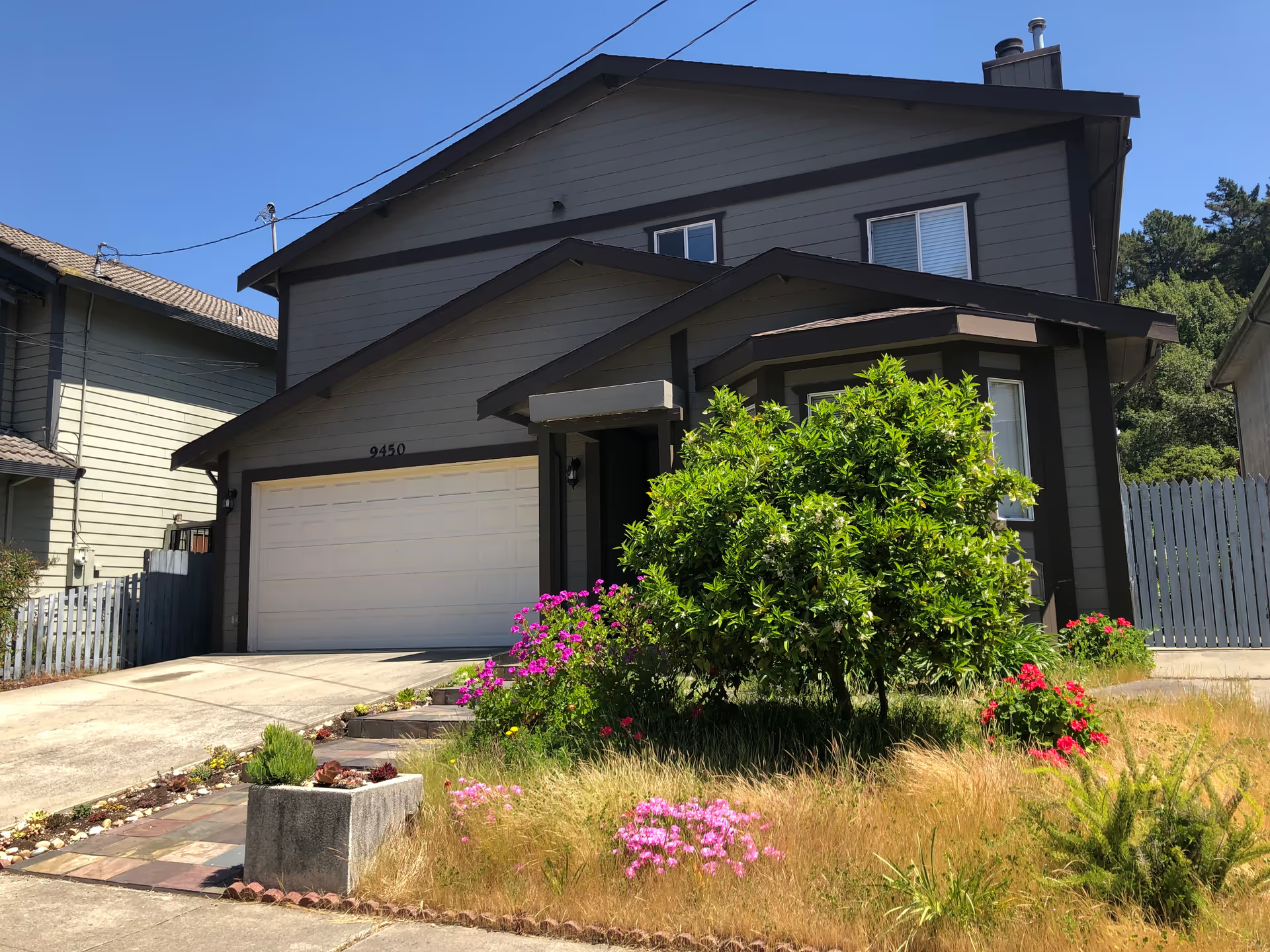
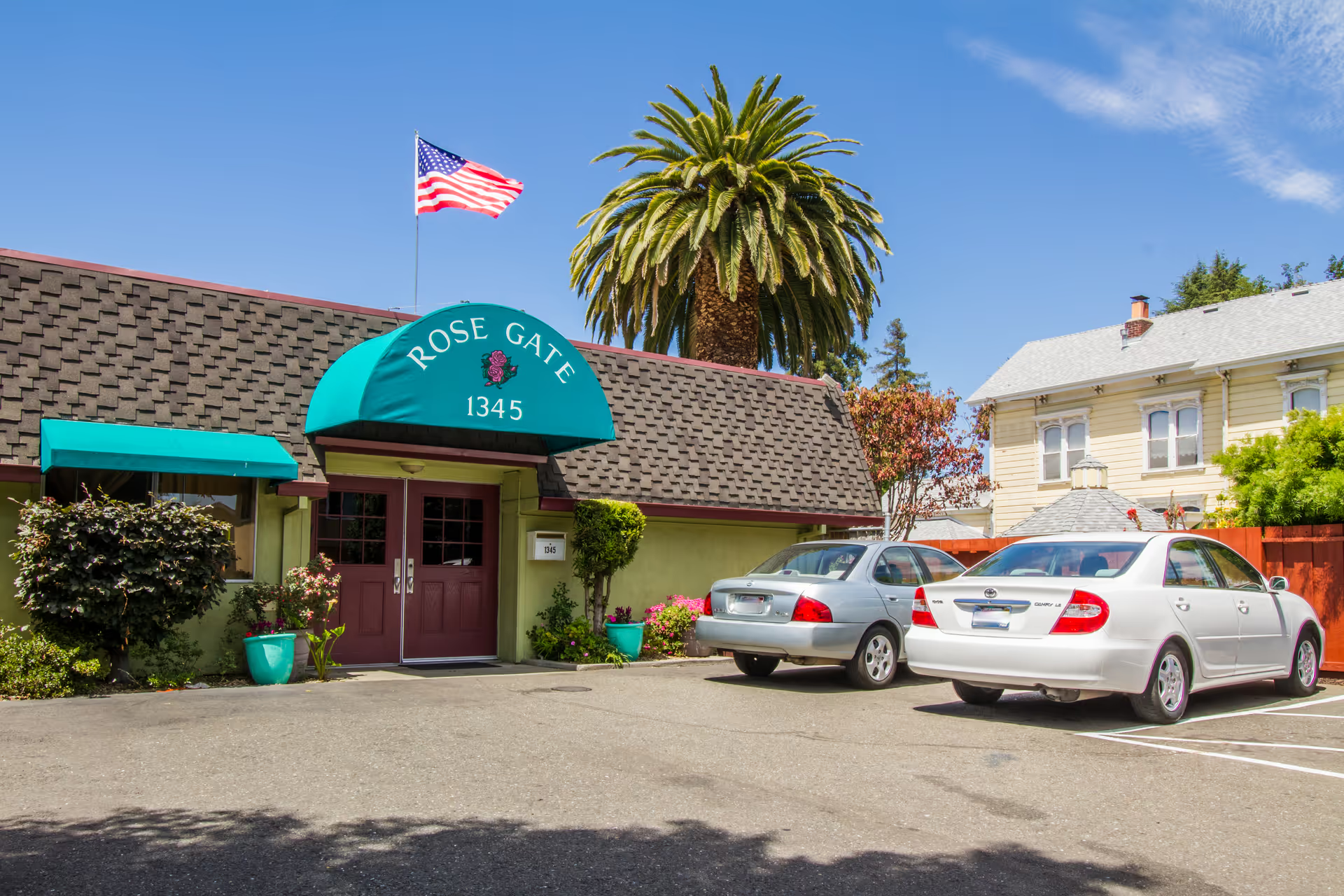
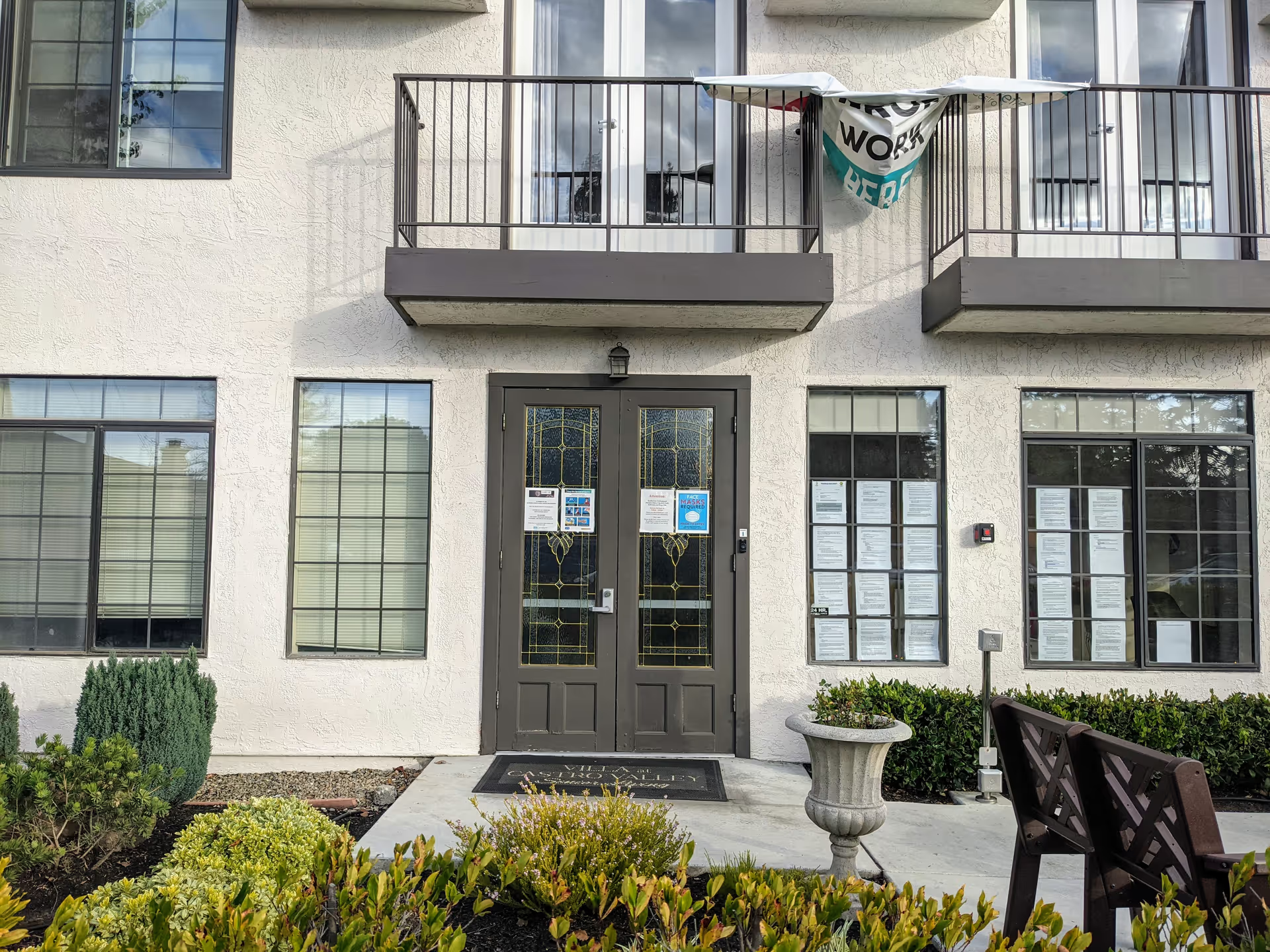
The reviews present Assisted Living Locators Oakland as a placement-focused service that emphasizes thorough, research-oriented assessments of local senior communities. Reviewers consistently highlight the team's attention to regulatory and operational details — including violation checks and food-service evaluations — and value the practical tools provided, such as interview questions and documented comparisons. That research orientation is paired with active support: advisors commonly accompany families on tours, coordinate logistics for move-ins, and provide cost-navigation help designed to reduce the risk of overpaying.
Care and staffing are frequent positive themes. Families describe advisors as knowledgeable, empathetic, and communicative; these traits appear to translate into warm introductions to communities, smooth admissions experiences, and continued responsiveness during the placement process. The service's consultative, non-pushy approach is noted repeatedly, and memory-care placements are mentioned specifically as an area of competence. While placement advisors are framed as effective advocates, it is important to recognize the distinction between the placement service and the operating practices of individual communities: long-term care quality remains the responsibility of each facility.
Dining and activities receive mixed signals in the aggregate. The placement team conducts food-service reviews, which suggests attention to meal quality as part of their evaluation. However, variability across communities is likely: activity programming and menu consistency differ by provider, and families should confirm schedules, sample menus, and staffing support directly with prospective residences. Likewise, staffing levels and continuity can vary between partner facilities; reviewers praise staff competency and compassion at specific sites, but those attributes are not guaranteed across all available options.
Management and process strengths are clear: reviewers emphasize transparent, data-driven recommendations, organized logistics, and helpful communication that reduces stress during transitions. Potential operational limitations to keep in mind include complex, non-standardized fee structures among facilities and limited evidence of standardized, long-term follow-up after move-in. Prospective clients will benefit from the service's research and hands-on support but should use placement findings as a starting point for direct verification with individual communities on issues such as staffing ratios, activity offerings, dining consistency, and ongoing care oversight.