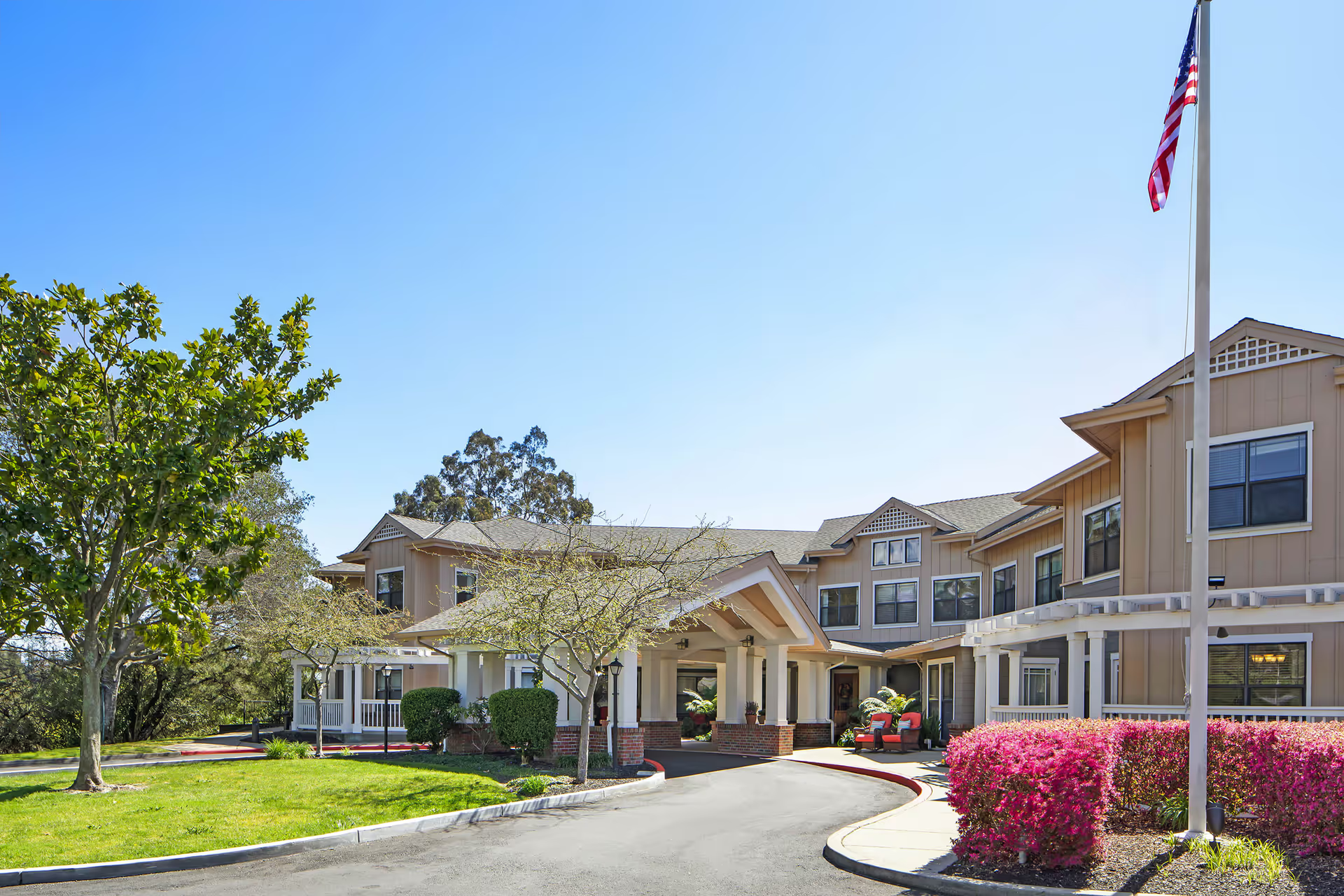
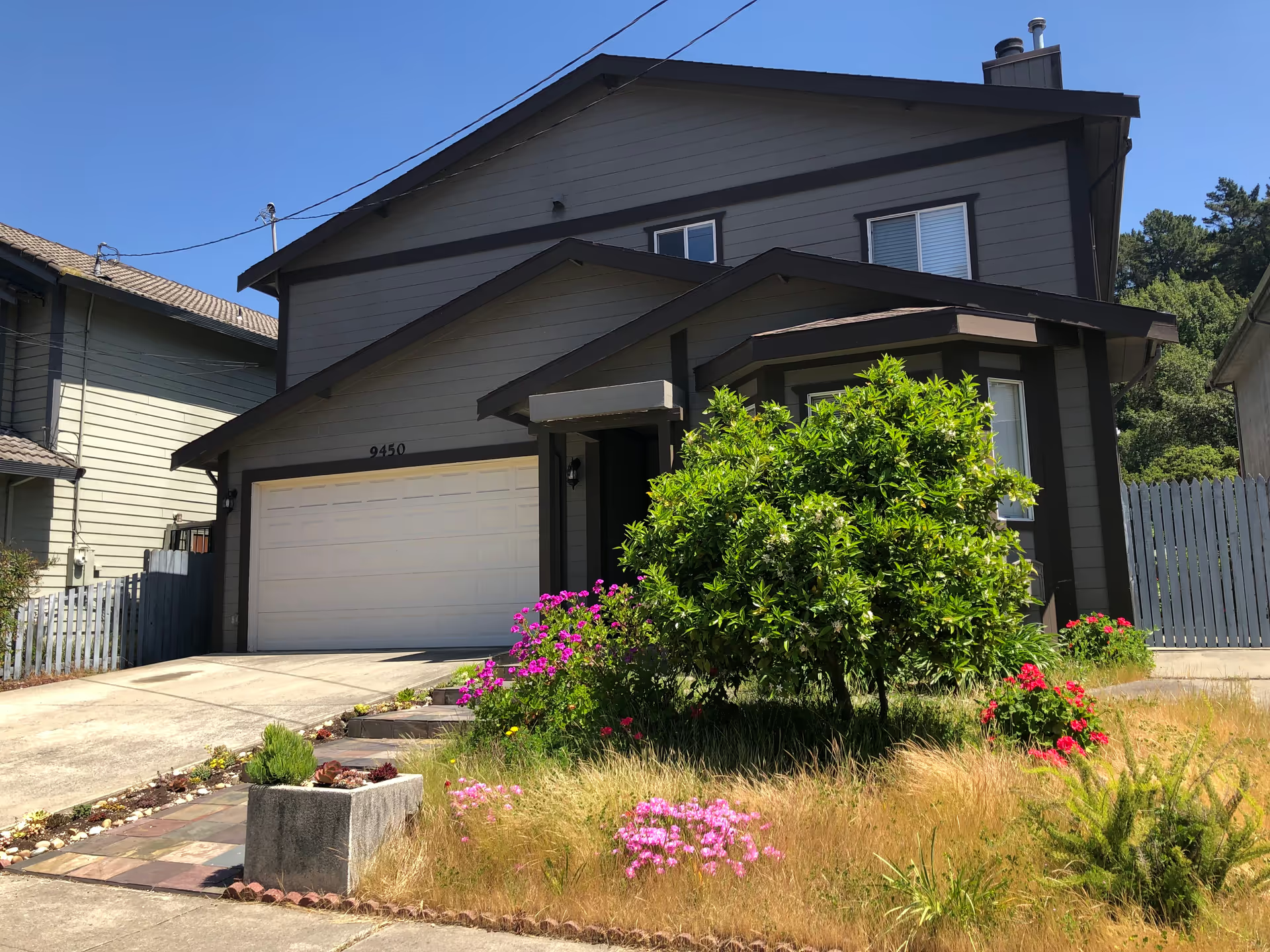
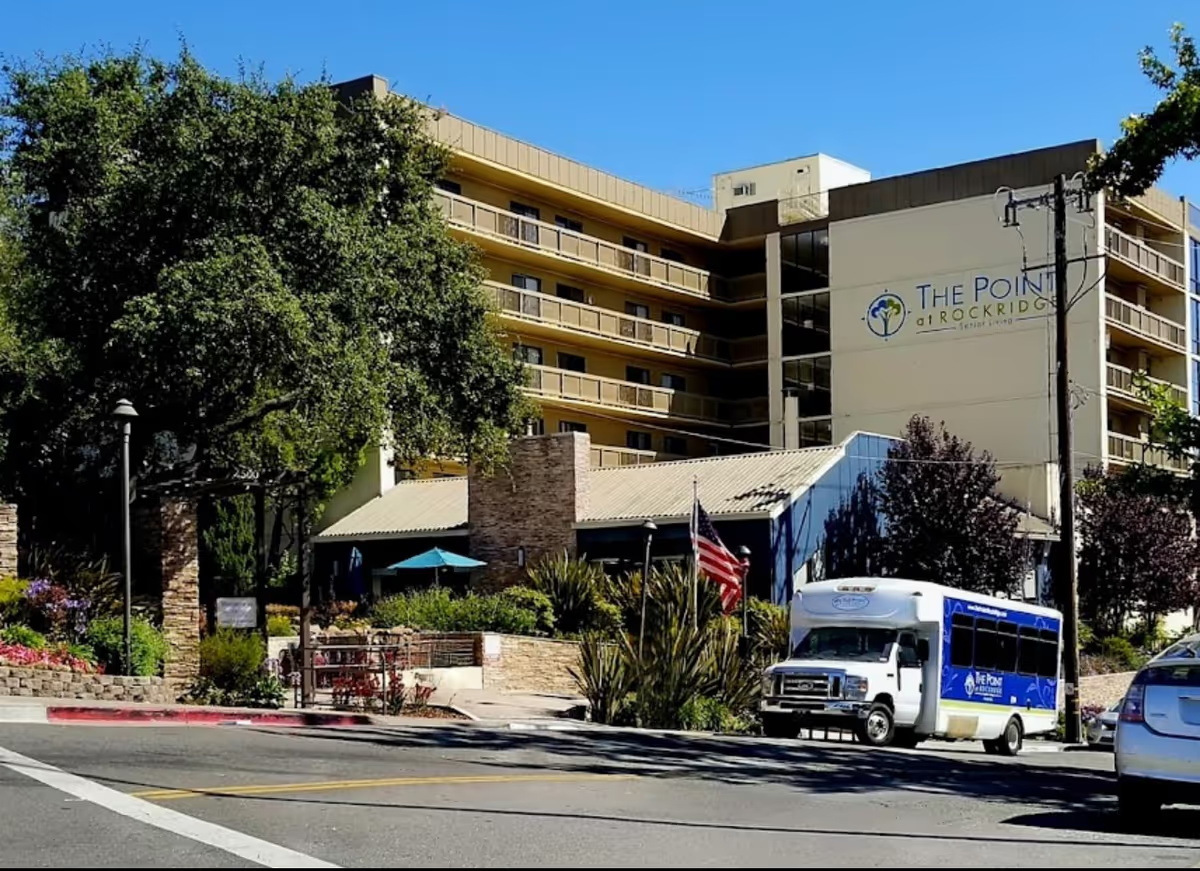
Excell Health Care Center presents a mixed but generally positive picture across clinical rehabilitation, daily living, and communal aspects. Strengths repeatedly cited include a clean, well-maintained physical environment with bright, spacious rooms, sunlit common areas, and accessible outdoor patios. Dining spaces are described as café-style and pleasant, and the facility reports an on-site nutritionist who supports balanced meal plans. Social programming is active, with regular live music, bingo, holiday celebrations, and other group events that families and residents found meaningful.
Clinical care and therapy services are a principal strength. Multiple accounts praise the therapy department for producing measurable recovery gains, with specific recognition of occupational and physical therapists who delivered effective rehabilitation after surgeries and injuries. Nursing and CNA staff are commonly described as knowledgeable and caring; wound-care capabilities and available medical equipment were highlighted as contributing to positive clinical outcomes. Admissions staff also receive positive mention for helping with Medicare/Medi-Cal matters and easing transitions into the facility.
However, there are notable operational concerns that recur across accounts. Several families and residents described inconsistent staff responsiveness—delays in answering call lights, variability in bedside attentiveness, and uneven adherence to hygiene or bathing schedules. More importantly, some accounts point to gaps in clinical monitoring and incident-response processes, and to weaknesses in discharge and transfer procedures that, in at least a few instances, led to serious family concern and external reporting. Communication issues—ranging from curt phone manners to staff who did not consistently identify themselves—contribute to perceptions of uneven customer service.
Other recurring weaknesses include inconsistent food quality despite a structured nutrition program, management of personal belongings, and occasional billing or benefits-coordination conflicts during transitions. Visitor parking is limited. Taken together, the pattern suggests that the facility delivers strong rehabilitative and nursing capabilities in many cases, but that operational variability—staffing consistency, communication, and transitional procedures—can materially affect individual experiences. Prospective residents and families should weigh the facility's demonstrated clinical and rehabilitative strengths against these operational risks, and consider asking targeted questions about staffing patterns, discharge protocols, property safeguards, and how the facility documents and communicates clinical incidents before admission.