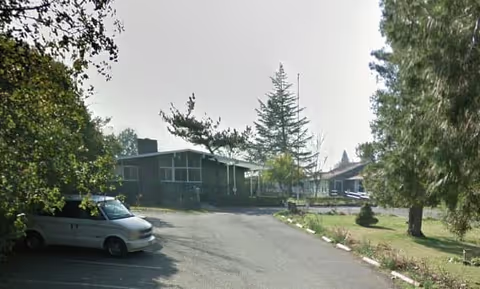
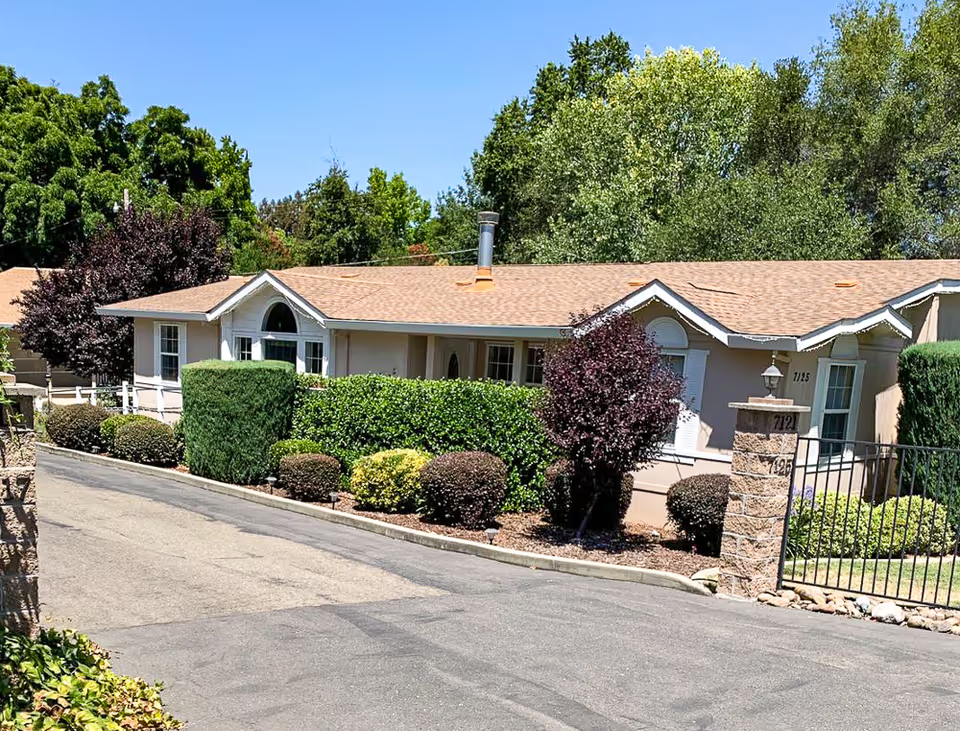
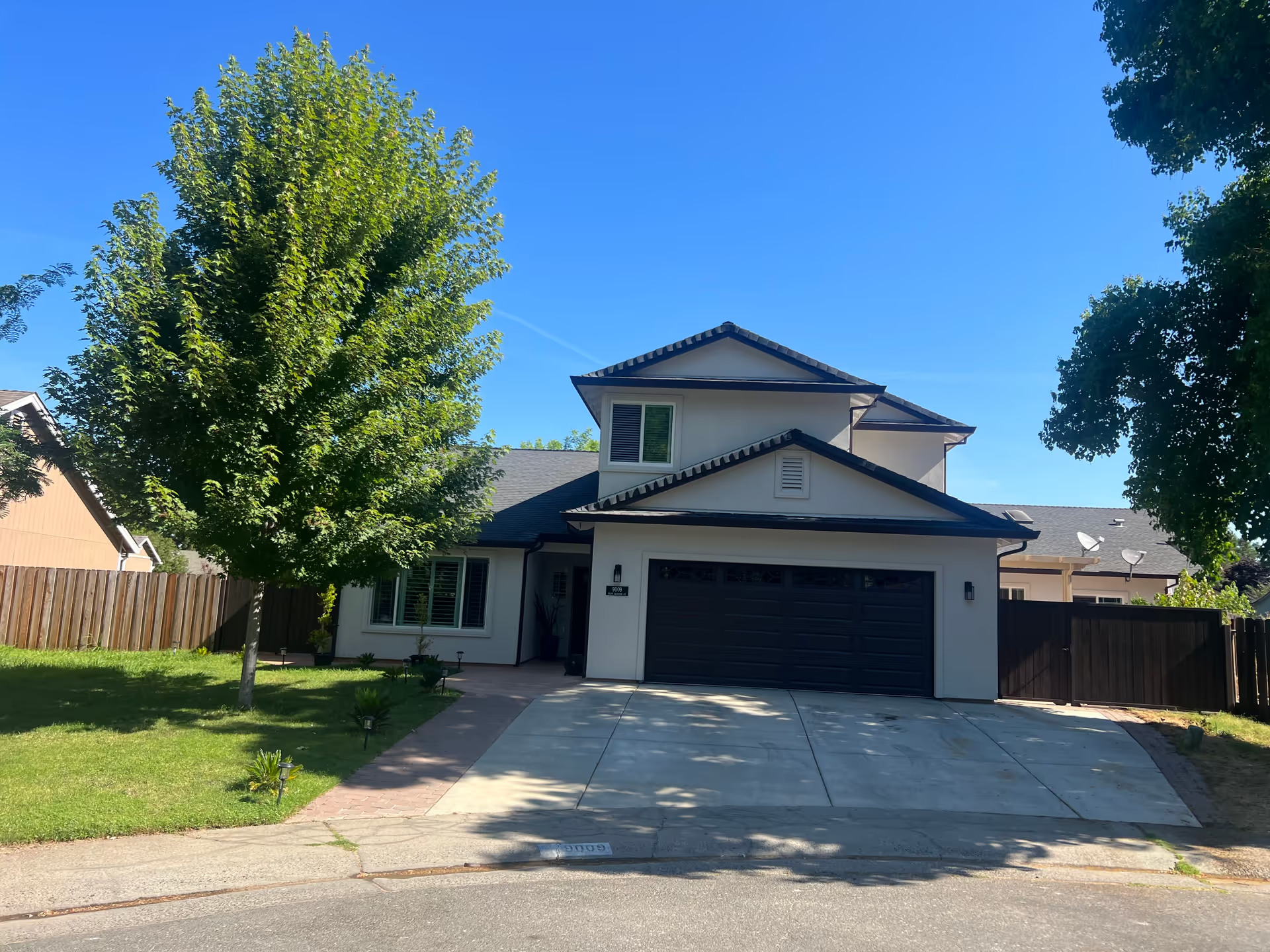
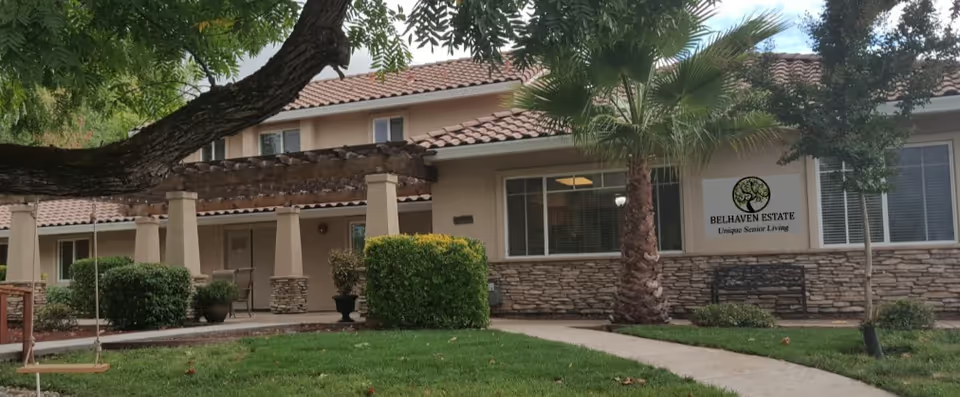
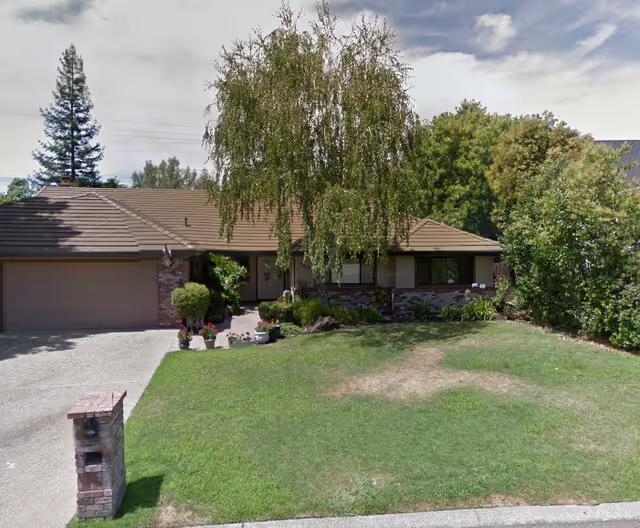
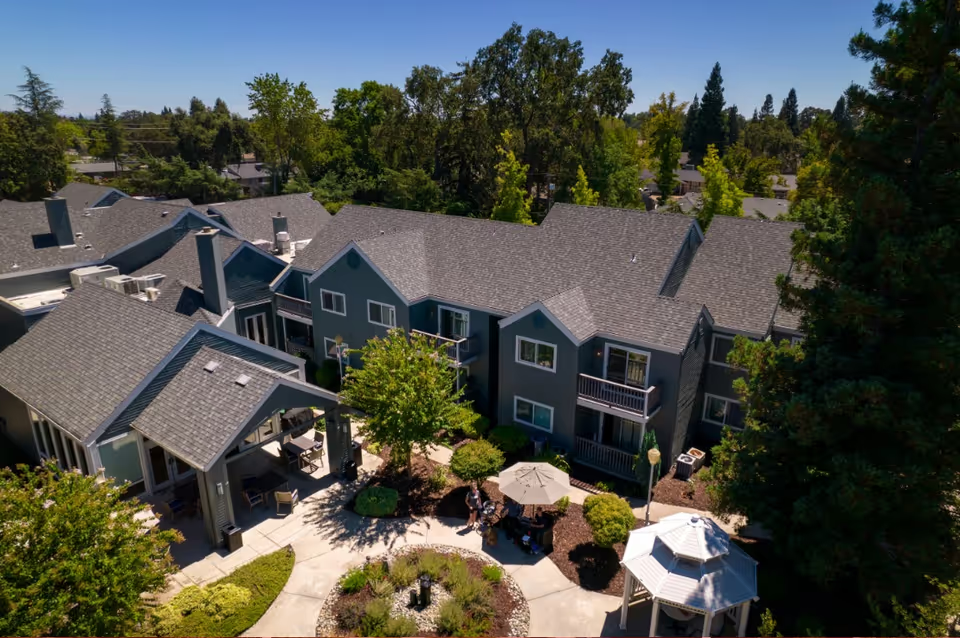
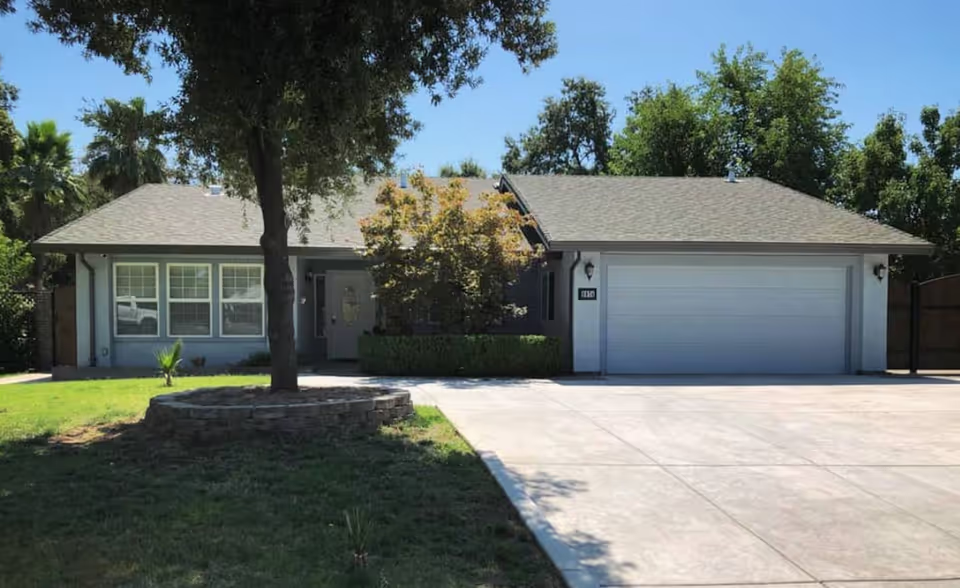
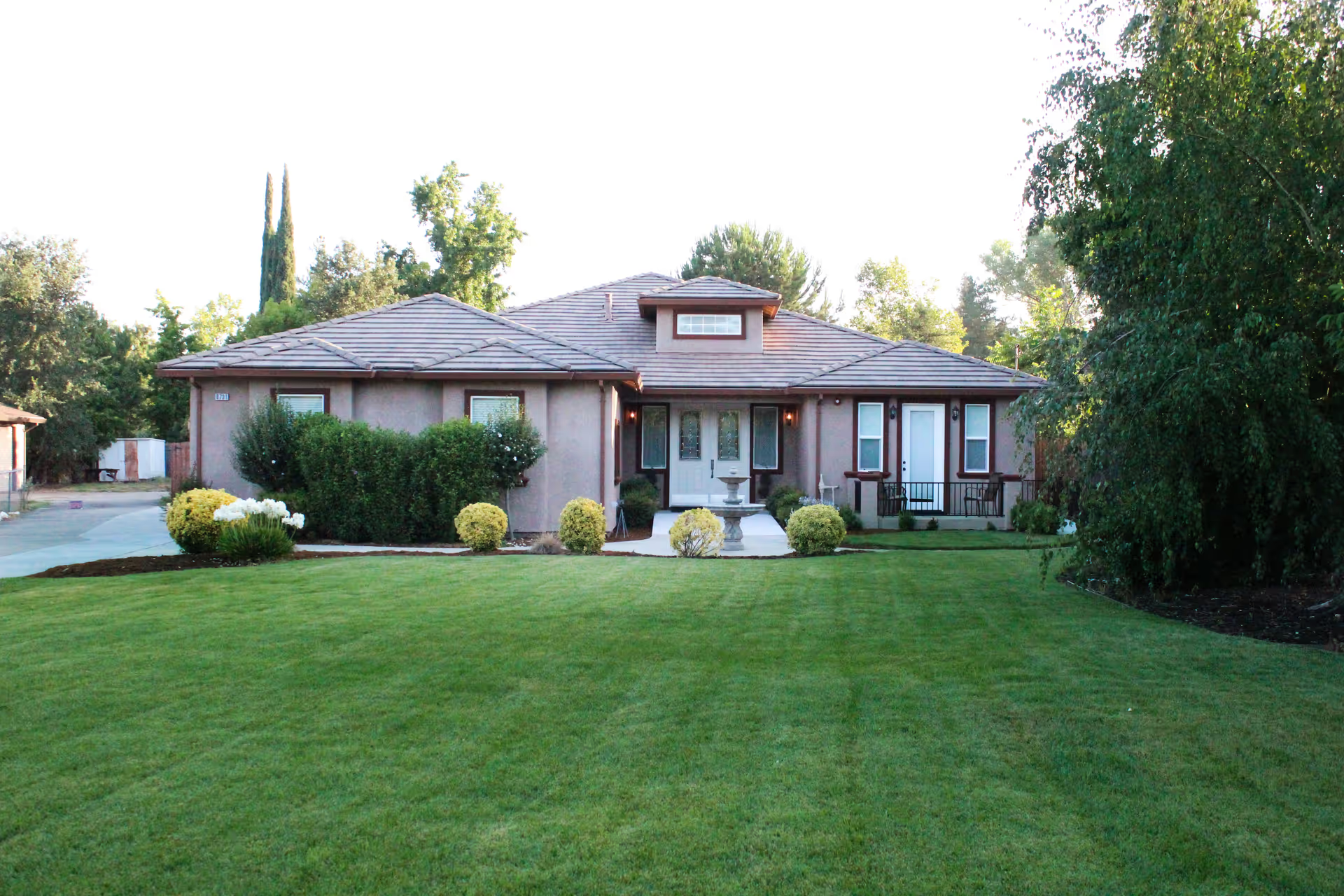
Shearwater Senior Living presents as a small, family-owned residential care home that emphasizes personalized, home-like care. The setting is consistently described as intimate (roughly 16 residents), clean, and well maintained, with private rooms that open onto decks and grounds framed by redwood trees. These physical features, combined with family-style dining and outdoor areas such as a rear deck and lawn, support a residential atmosphere rather than an institutional one.
Care quality and staffing are the strongest patterns in the feedback. Reviewers consistently highlight compassionate, attentive caregivers, long-tenured staff, and an administrative team characterized as responsive and flexible. Families describe staff follow-through, proactive night monitoring, and extra attention when needed. Management access and owner involvement are noted, contributing to a perception of accountability and personalized oversight.
Dining and daily living are also areas of noted strength. The facility employs a full-time chef and offers varied, nutritious meals served hot in a communal, family-style format. Many accounts emphasize enjoyable food quality and efforts to maintain nutrition and meal variety. Activities are coordinated by a dedicated activity director and include card games, crafts, bingo, and outdoor time; overall engagement and opportunities for socialization are reported positively.
Facilities and safety features align with the small-home model: private rooms, wrap-around decks, manicured grounds, and quiet common spaces. Infection-control practices and privacy measures during COVID were highlighted, and families praised cleanliness and sanitation. The small size contributes to a high staff-to-resident ratio that many families find reassuring, including overnight checks by staff.
Notable caveats for prospective residents concern memory-care suitability and certain operational limits. The home is not positioned as a specialized memory-care center; its open layout and sight-line patterns were identified as increasing the risk of wandering for residents with more advanced cognitive impairment. Relatedly, the facility appears to have limited clinical and specialized therapeutic resources for higher-acuity needs. A few comments pointed to intermittent communication inconsistencies between staff and family members, which prospective families should clarify during a tour.
In sum, Shearwater is well suited to individuals who will benefit from a small, home-like environment with hands-on, attentive staff, nutritious meals, and active social programming. Families considering placement should weigh those strengths against the facility's limited specialization for advanced memory-care needs and review its environmental safeguards and clinical capabilities relative to the prospective resident's care requirements.