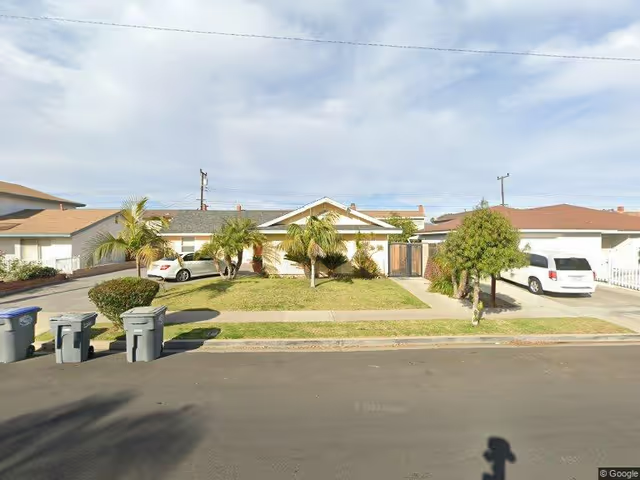
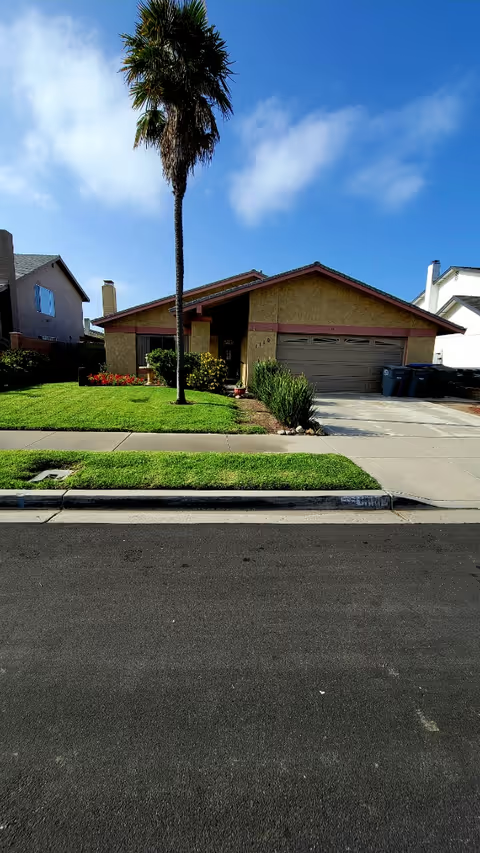
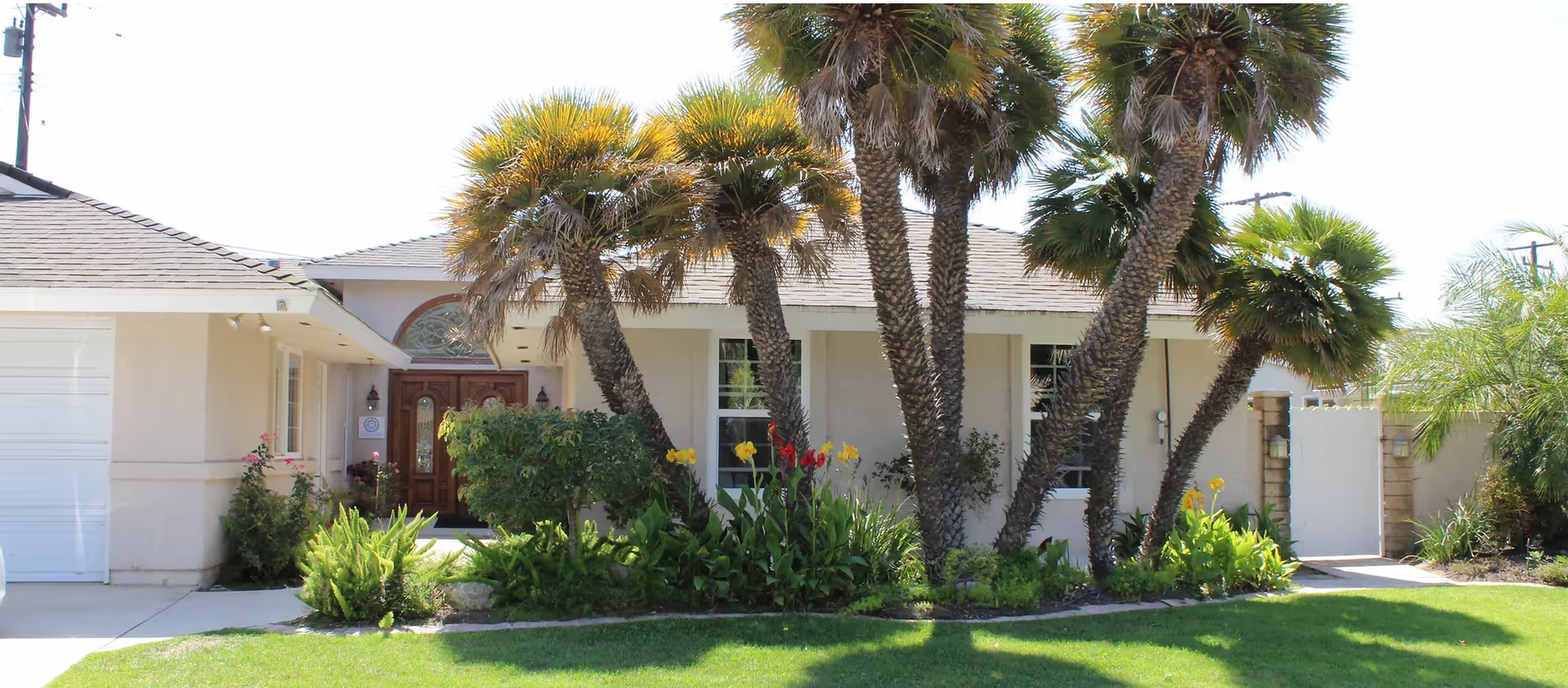
Overall impression: Reviewers portray Absolute Care Home as a small, private four-bedroom residence that delivers attentive, hands-on care in a family-style environment. The facility’s size and engaged leadership appear to support close caregiver–resident relationships; multiple accounts emphasize compassionate, patient staff and a director who is directly involved in caregiving and oversight. Cleanliness and a cozy atmosphere are recurring strengths, and many families highlighted warmth and individualized attention as distinguishing features.
Care and staff: The facility's small scale seems to enable personalized care and frequent direct interaction with management. Reviewers consistently described caregivers as kind, patient, and attentive. That said, the home’s limited in-house capacity for certain personal-care tasks has led to use of external providers for services such as showers. This operational reliance may affect continuity of care and scheduling for residents who require those services. Reviewers also raised communication concerns related to handling residents’ personal belongings, indicating gaps in protocols for clothing and family notification.
Dining: Dining is a relative strength in several accounts. Meals are described as home-cooked, prepared from scratch, and served in a welcoming manner; some families appreciated limited sugary options. However, meal satisfaction is not uniform—preferences and palatability were described as variable, and a few reviewers characterized the food as picky or in need of improvement. Pricing around food and overall services was described inconsistently: some families found costs competitive, while others noted higher-than-expected charges with the need to negotiate rates.
Activities and engagement: Activity programming appears limited. Reviewers mentioned a lack of regular activities and a small backyard, which suggests constrained opportunities for outdoor recreation and group engagement typical of a very small home. Prospective residents who prioritize an active group calendar or larger outdoor amenities should consider this operational limitation.
Facilities and environment: The residence is praised for its cleanliness and cozy, home-like interior. At the same time, several accounts described a darker environment and brown-toned decor; reviewers expressed concern that dim lighting and low-contrast finishes could contribute to orientation difficulties and sundowning symptoms in residents with cognitive impairment. In-room entertainment options are minimal, with the absence of in-room televisions noted.
Management and care coordination: Management and ownership receive positive comments for direct involvement and a caring approach to residents. Nonetheless, coordination of certain clinical services—particularly hospice care under Medicare—was described as constrained, which may require families to navigate policy limitations or additional coordination with outside providers. Additionally, inconsistent protocols for personal belongings and replacement clothing point to opportunities for improved documentation and family communication.
Notable patterns: Strengths center on a small, intimate setting with highly engaged staff and leadership, clean premises, and home-style meals. Recurrent operational weaknesses include limited in-house capacity for some personal-care services, modest activity offerings and outdoor space, lighting/decor that may adversely affect orientation, variable meal satisfaction, and procedural gaps around personal belongings and hospice coordination. Families seeking a small, home-like environment with close, compassionate staff will likely find these attributes attractive; families seeking extensive activity programming, wider in-house clinical services, or brighter, more stimulating physical environments should evaluate those areas specifically during a visit.