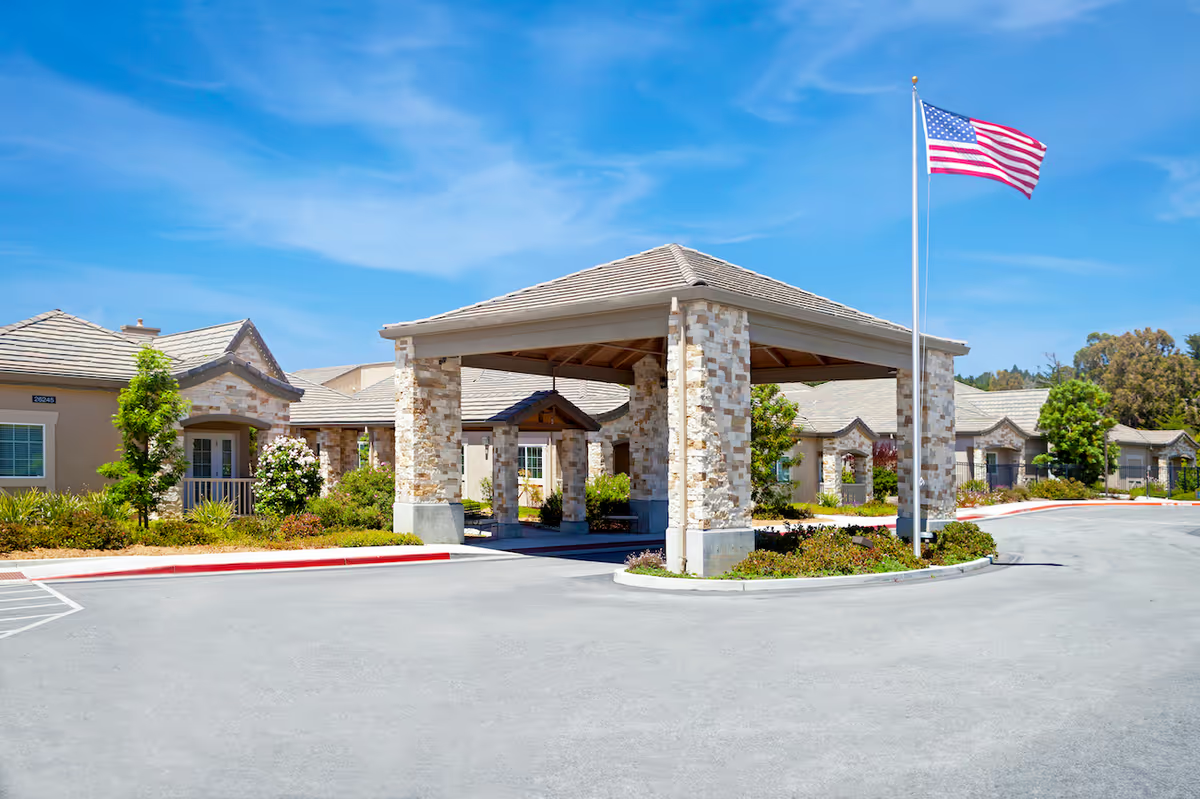
Canterbury Woods presents as a well-appointed senior living community with notable strengths in staff engagement, campus maintenance, and dining. Many accounts emphasize a workforce described as compassionate and dedicated, with specific praise for nursing, therapy, and administrative personnel who cooperate on care and recovery. The presence of on-site skilled nursing and rehabilitation services, continuity with home health aides, and a reportedly effective pandemic response are recurring positive themes, suggesting the community supports a continuum of care for many clinical needs.
Dining and activities are often highlighted as programmatic strengths. The facility offers restaurant-style meals with several comments about high food quality, servers who learn resident preferences, and a convivial dining atmosphere. Activity programming appears robust — lectures, discussion groups, exercise classes, music (including piano), and social games are available and contribute to a strong sense of engagement among residents.
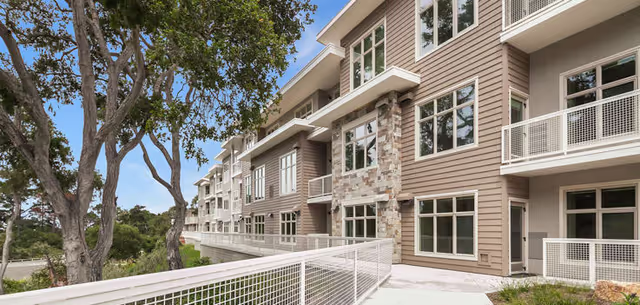
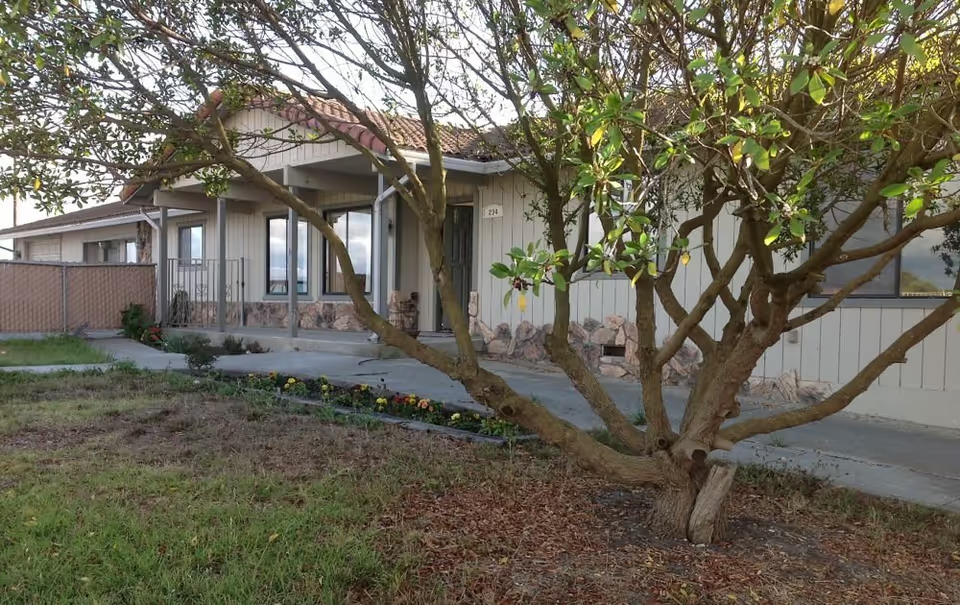
The physical campus and location are also frequently praised. Grounds and landscaping are described as attractive and well maintained, and the setting near the ocean and local shops adds to the community’s appeal. Housekeeping and general cleanliness are commonly noted as efficient and thorough; however, there are also isolated observations of variability in sanitation and cleanliness in some areas, which prospective families may wish to verify in person.
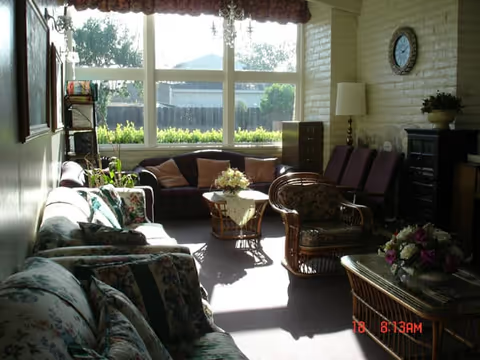
Several operational concerns recur across accounts and merit attention during a tour. Apartment units are characterized by some as small, dark, and compact, and communal areas can feel crowded, which raises privacy and space considerations. Noise from the adjacent street is noted as a factor for certain units. A number of comments point to variable consistency in clinical care and service levels over time, and there are mentions of intermittent staffing shortfalls that have affected responsiveness and daily services. Dining-service conduct and kitchen management are described as inconsistent by some families, contrasting with other reports of excellent meal service.
Finally, the community maintains a restrictive admission policy for residents with memory issues; this is an important operational trait for families to confirm if memory care may be needed now or in the future. Overall impressions range from highly positive — with many families recommending Canterbury Woods for its caring staff, programming, and setting — to more cautious, where concerns focus on apartment size, staffing consistency, and occasional service variability. Prospective residents and families would benefit from an in-person visit, targeted questions about staffing ratios and recent clinical outcomes, a meal visit, and viewing specific apartment types to assess light, noise, and privacy before deciding.