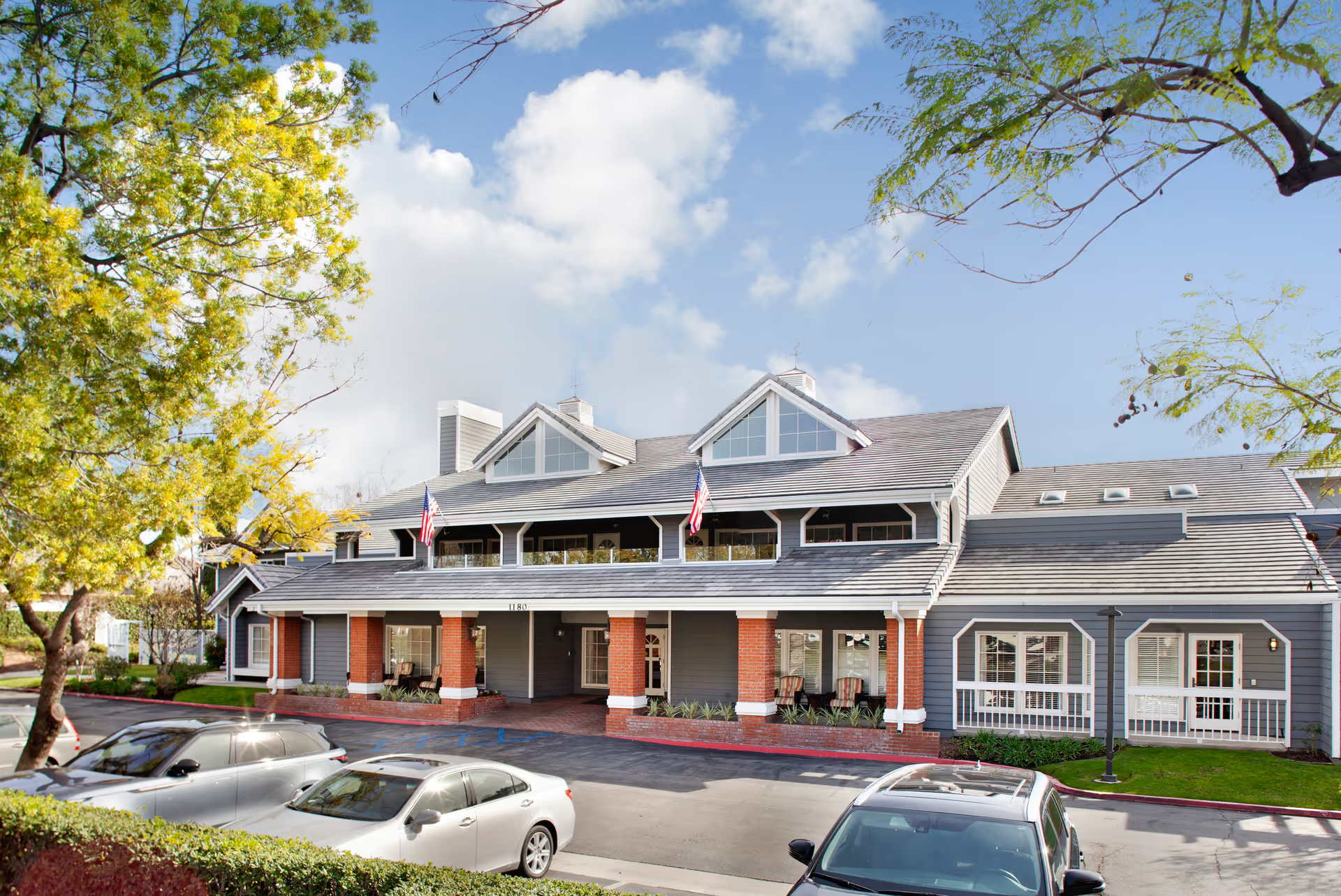
Overall impression: Reviews describe a facility that emphasizes a warm, home-like atmosphere with compassionate, professional caregivers and a programmatic focus on memory care and social engagement. Positive comments repeatedly highlight attentive staff, coordinated medication routines, regular communication with medical providers, and frequent family updates (including photos and videos). Many families find the environment modern, senior-friendly and accessible, with open living spaces, natural light, landscaped outdoor areas and a small-house feel that supports personal attention.
Care and staff: Most feedback characterizes staff as kind, respectful and patient, with staff–resident interactions described as sincere and nurturing. The team is credited with strong medication coordination and routine communication with physicians and families. At the same time, reviewers indicate variability in operational consistency: staffing levels appear to fluctuate, and some accounts raise concerns about caregiver availability during busy periods. These observations suggest generally high interpersonal quality but occasional gaps in workforce capacity that can affect responsiveness.
Dining and activities: Dining is a consistent strength in the reviews: meals are described as home-cooked, appealing, and adaptable to dietary needs. Activity programming is also well regarded, with daily exercise, music, and a variety of social options promoted as regular parts of the schedule. Outdoor amenities such as a patio or landscaped backyard are noted as useful extensions of the activity program and for resident well-being.
Facilities and cleanliness: Many reviewers praise clean, clutter-free rooms and updated interiors, contributing to a pleasant, senior-appropriate environment. However, other comments signal variability in upkeep and occasional odor or housekeeping issues in parts of the facility. This inconsistency suggests that facility appearance and sanitation standards may be uneven across units or shifts, so prospective families should verify current conditions in person.
Management and clinical oversight: Management receives positive marks for communication during routine care and for implementing strict infection-control/COVID protocols. Nonetheless, a small number of serious care-related accounts indicate gaps in incontinence-care practices and in clinical escalation during acute events. These descriptions point to potential weaknesses in incident response protocols, clinical oversight for higher-acuity needs, and family communication when adverse events occur.
Notable patterns and recommendation: The dominant pattern is one of personalized, respectful caregiving in a comfortable, activity-rich setting that works well for many residents—particularly those needing memory-care support. Counterbalancing that are operational risks tied to inconsistent staffing, uneven facility upkeep, and specific incontinence-care and clinical escalation concerns. Prospective residents and families should: tour at different times of day, ask about current staffing ratios and shift coverage, review policies for incontinence care and clinical escalation, observe kitchen and housekeeping practices, and request references about how management communicates during incidents. These checks will help determine whether the facility’s strengths align with a given resident’s care acuity and expectations.