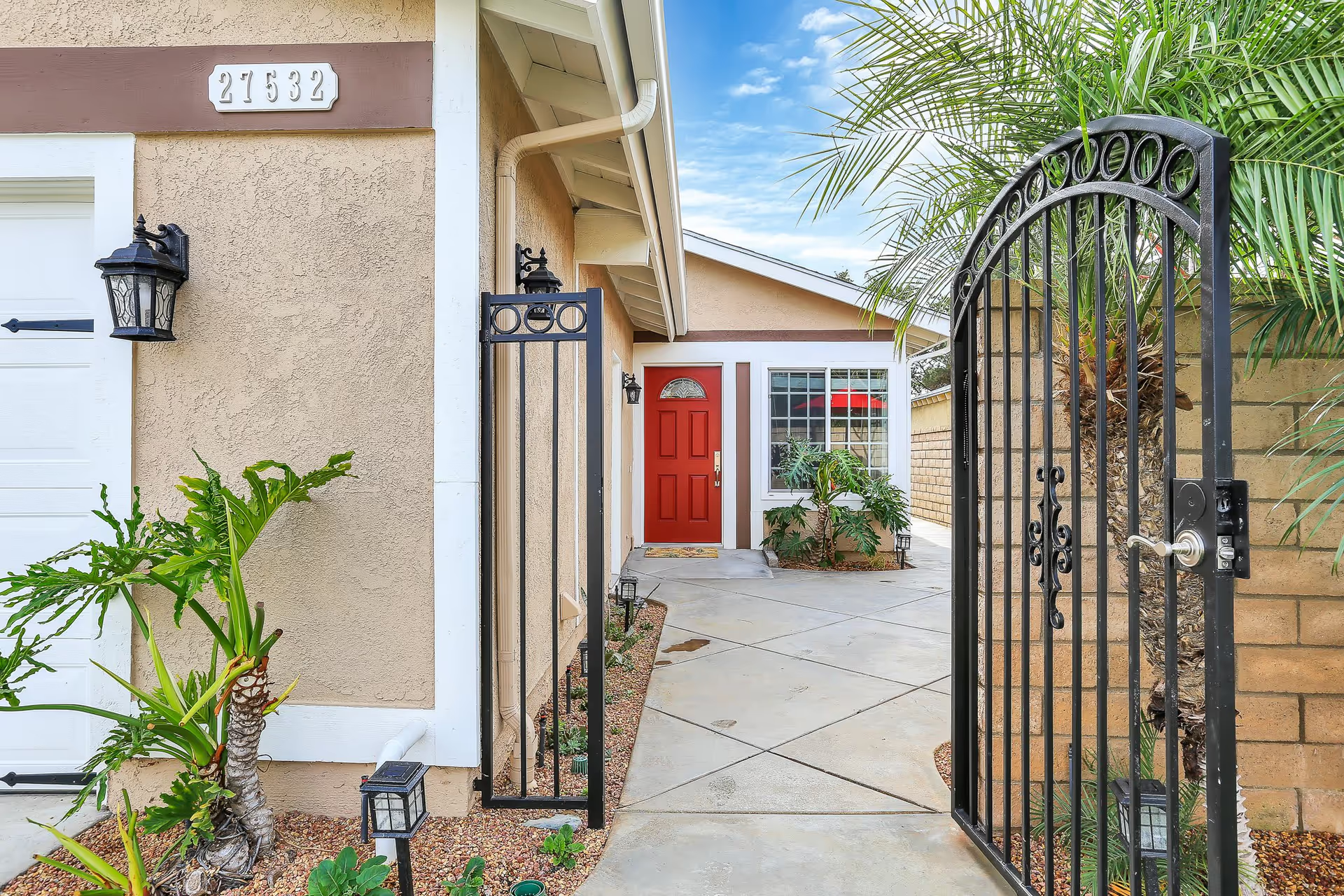
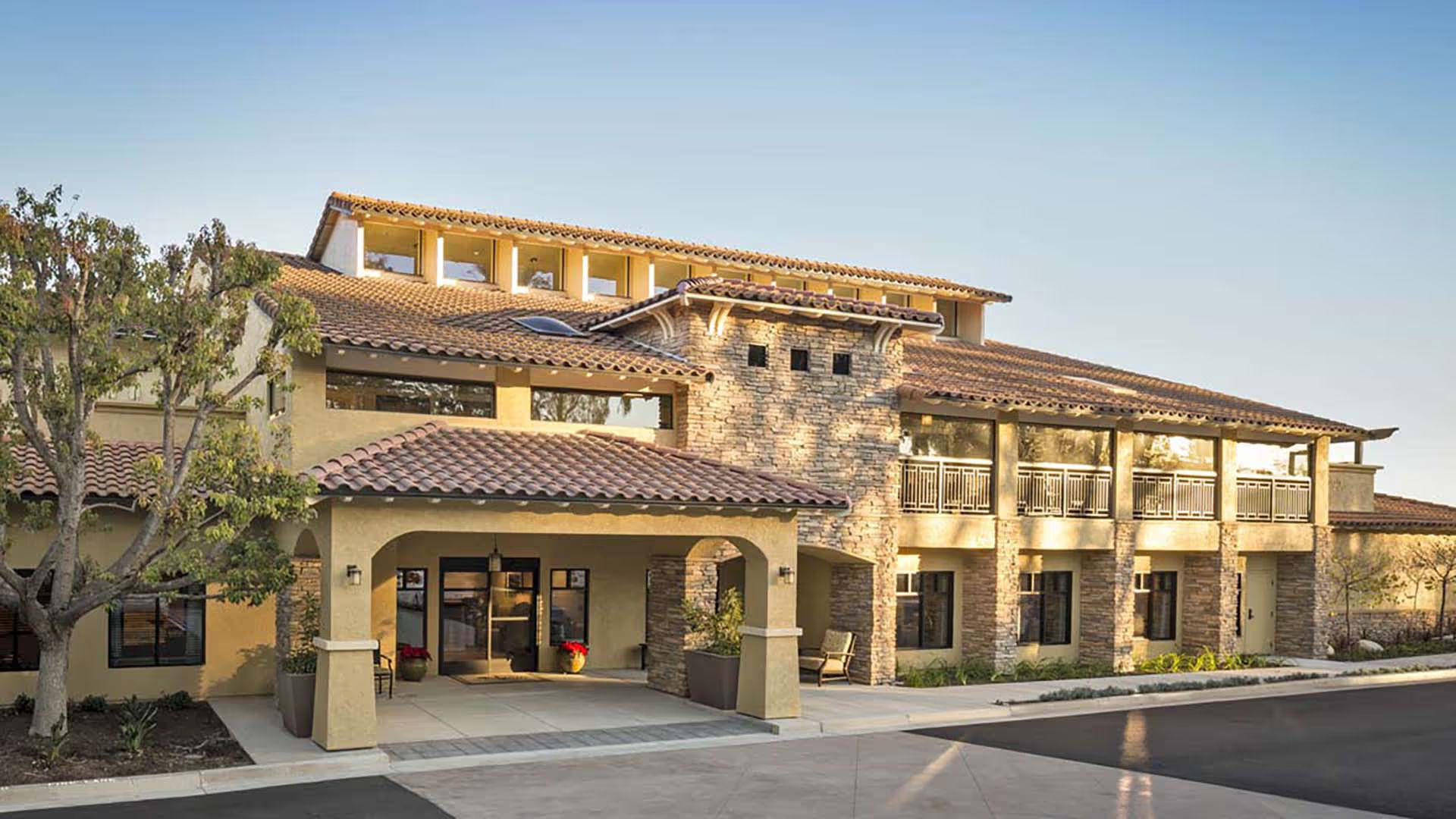
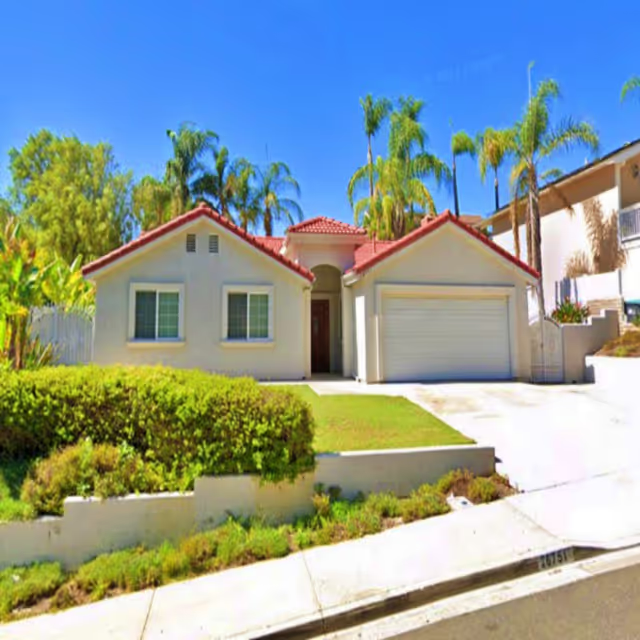
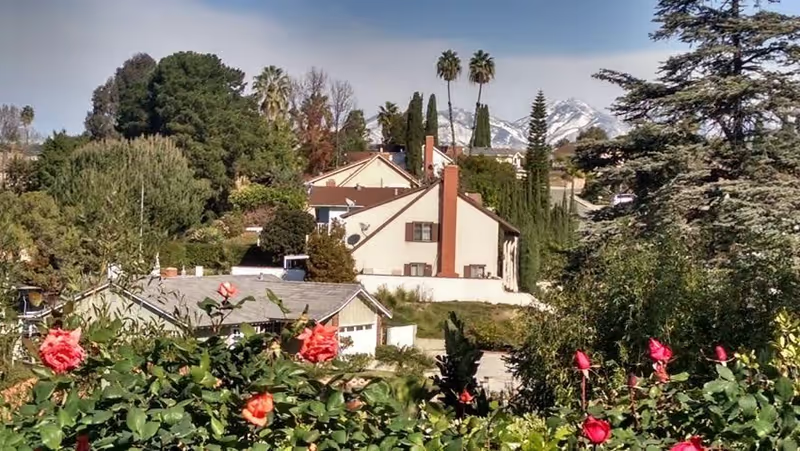
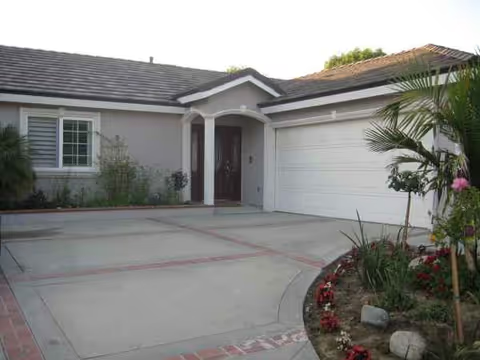
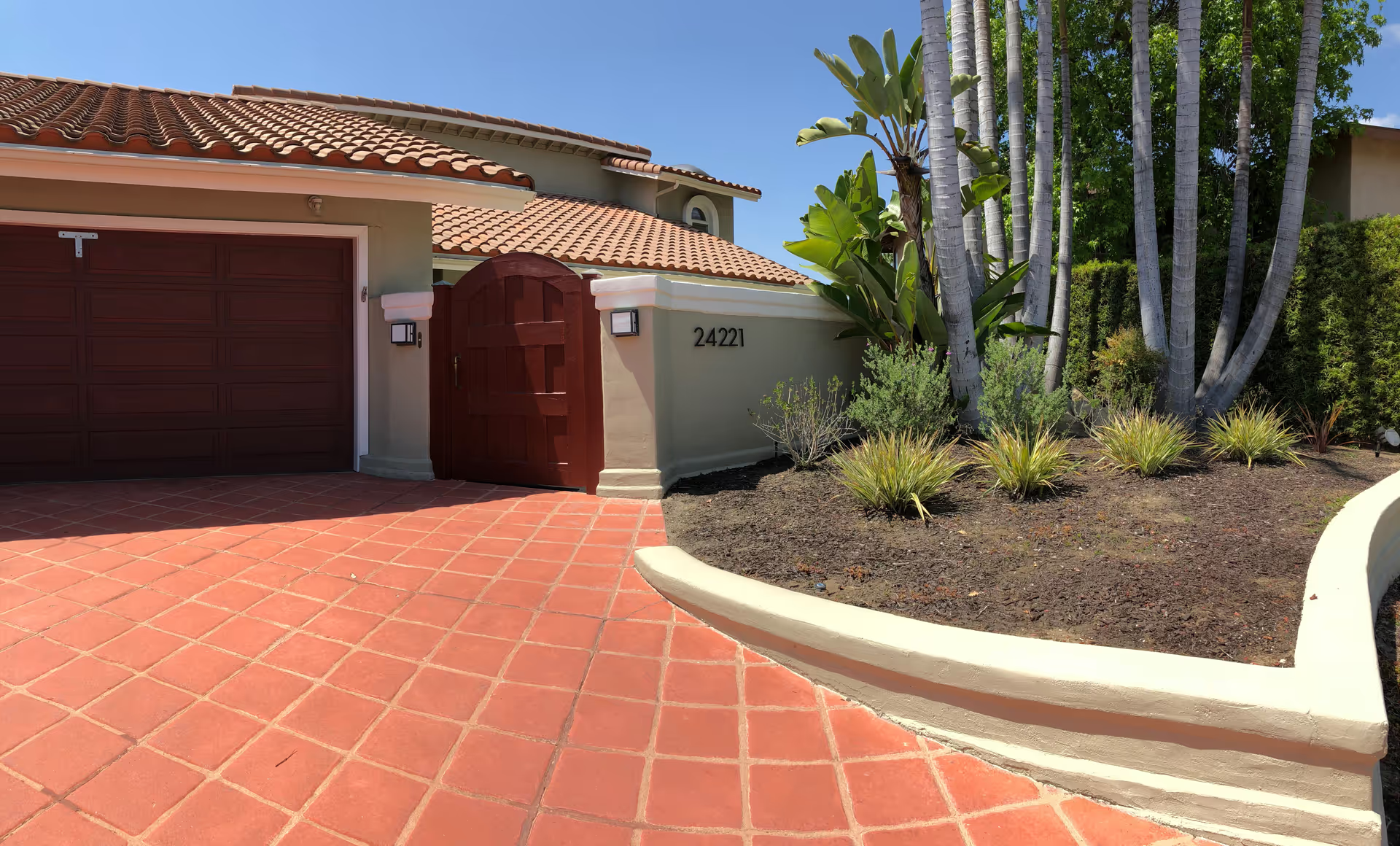
Park Terrace is commonly described as an attractive, well-appointed senior living community with a strong emphasis on resident quality of life. Reviewers consistently highlight the property’s park-like setting, courtyard-centered architecture, and a range of residential options from independent apartments to dedicated memory-care cottages. Physical amenities include multiple dining venues, a salon, gym, pool, and on-site therapy and physician services; suites are often described as spacious, recently updated, and equipped with balconies or patios offering pleasant views.
Care quality and staff performance are the most frequent strengths cited. Staff across front-desk, dining, housekeeping, activities, and clinical roles are described as compassionate, attentive, and family-oriented; families commonly report that staff go beyond routine duties to support resident comfort and safety. The memory-care cottages and the use of secured outdoor courtyard space are notable design features that reviewers find supportive of autonomy and safe wandering. At the clinical level, reviewers note coordinated medication support, on-site rehabilitation, and a visible caregiving presence for residents with cognitive impairment.
Dining and activities are central to resident life at Park Terrace. The activity program is broad and active — regular exercise, games, live music, themed events, outings, and intergenerational or community performances are repeatedly mentioned. Dining is designed to be restaurant-style with changing menus and multiple venues; many reviewers praise the food and dining experience. That said, an operational pattern described by reviewers is variability in meal freshness and service consistency: some praise excellent meals while others cite slow service, occasional pre-prepared items, or inconsistent dinner service during staff shortages.
While management and many staff members receive positive mentions for engagement and responsiveness, reviews also surface recurring operational concerns. Families describe episodic communication gaps and uneven administrative responsiveness, and there are references to rigid visitor/entry policies during certain periods. Staffing fluctuations have been linked to slower service or limited responsiveness on occasion. Cost is a consistent consideration — pricing is generally characterized as above average, which some families find to be a barrier. A small number of serious complaints, including an allegation related to billing or price changes and one account of an adversarial administrator interaction, suggest prospective families should review contract terms and billing practices carefully.
Practical caveats to assess during a tour include accessibility for residents with mobility limitations given the site topography, and the facility’s capacity for later-stage dementia needs — the cottages work well for many early- to mid-stage residents, but families are advised to confirm specific capabilities for advanced care. In summary, Park Terrace presents as a high-amenity, well-cared-for community with strong social programming and a broadly praised caregiving culture; prospective residents and families should verify dining consistency, staffing patterns, billing practices, and advanced-memory-care capabilities during their evaluation.