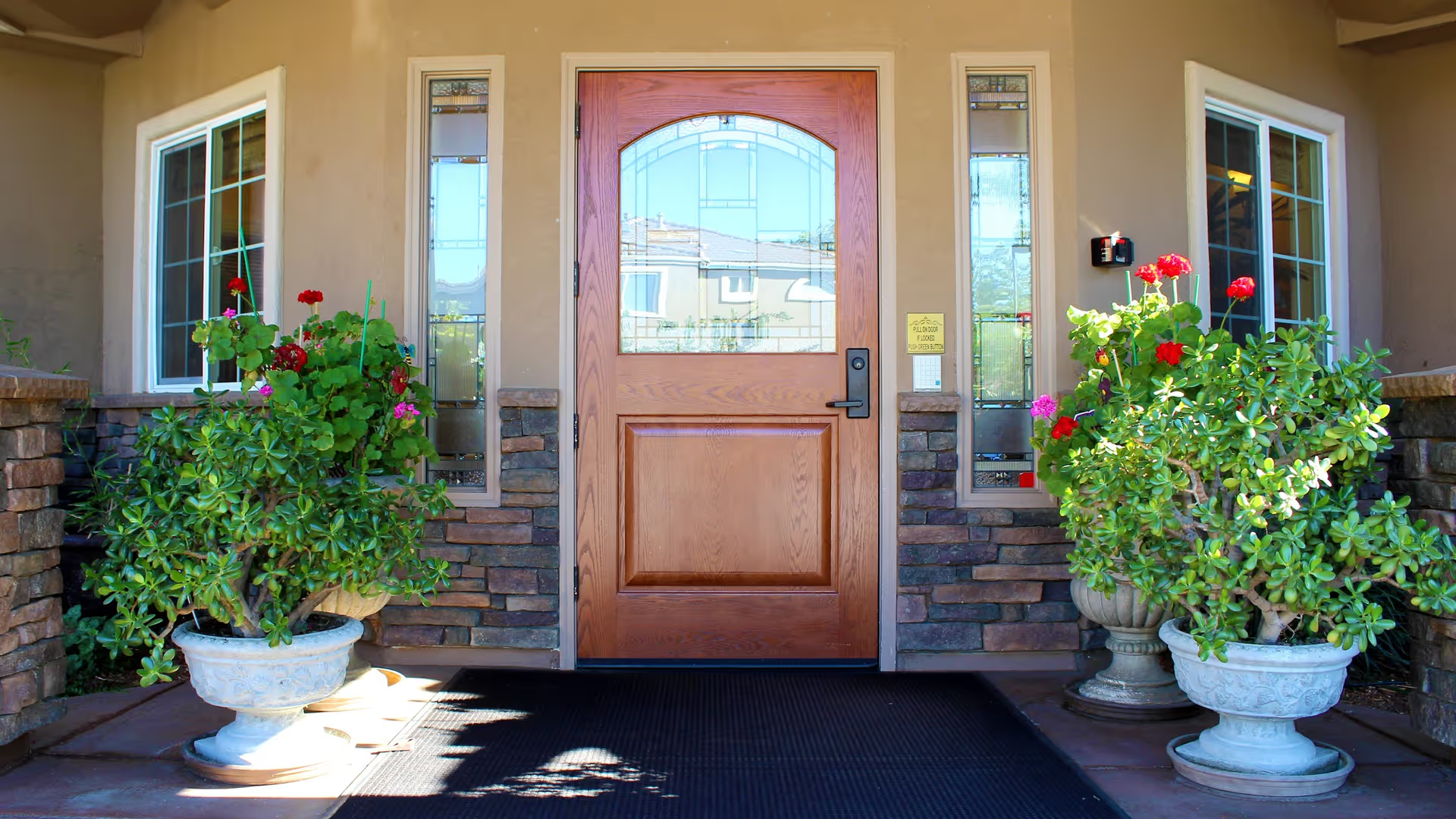
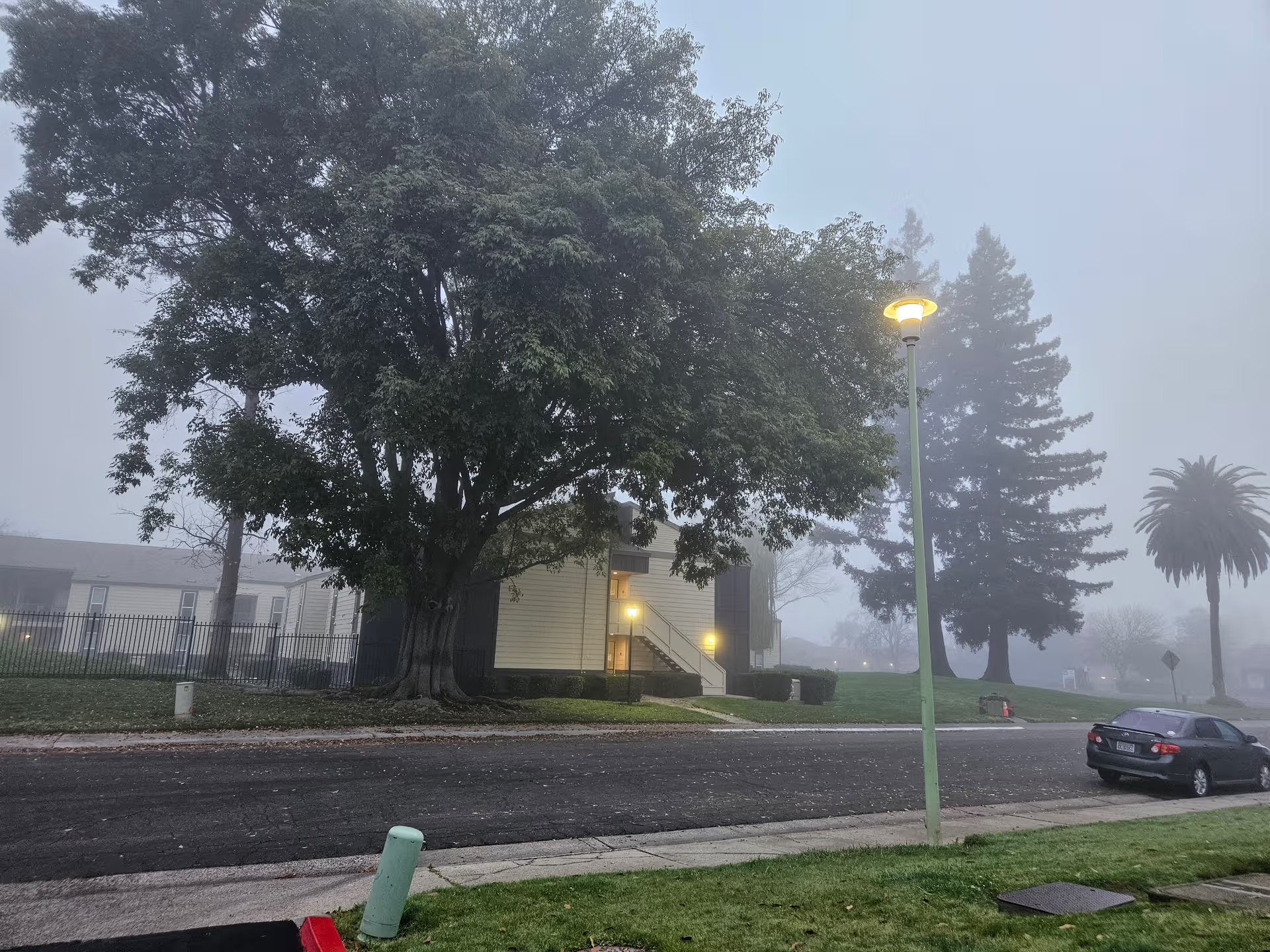
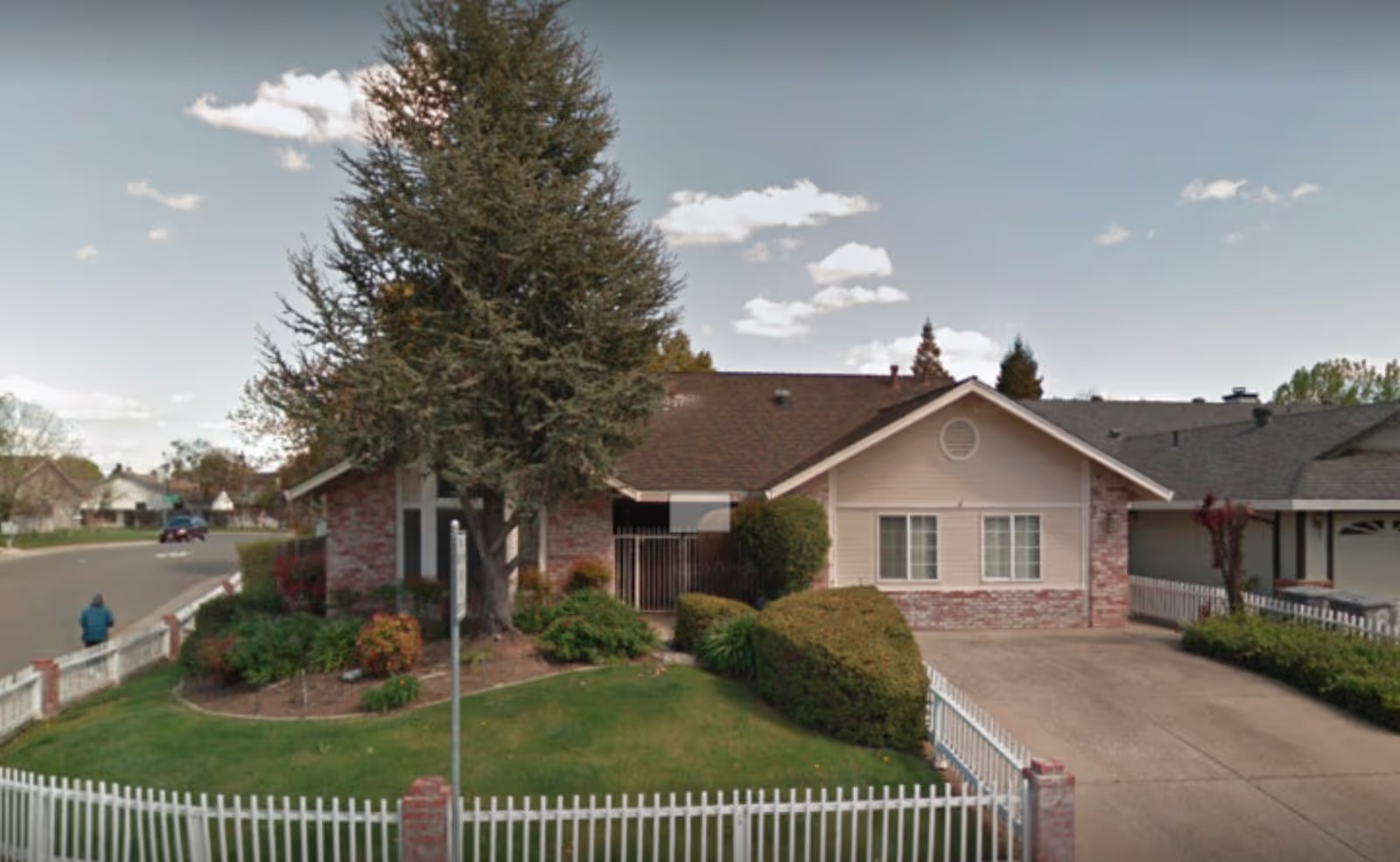
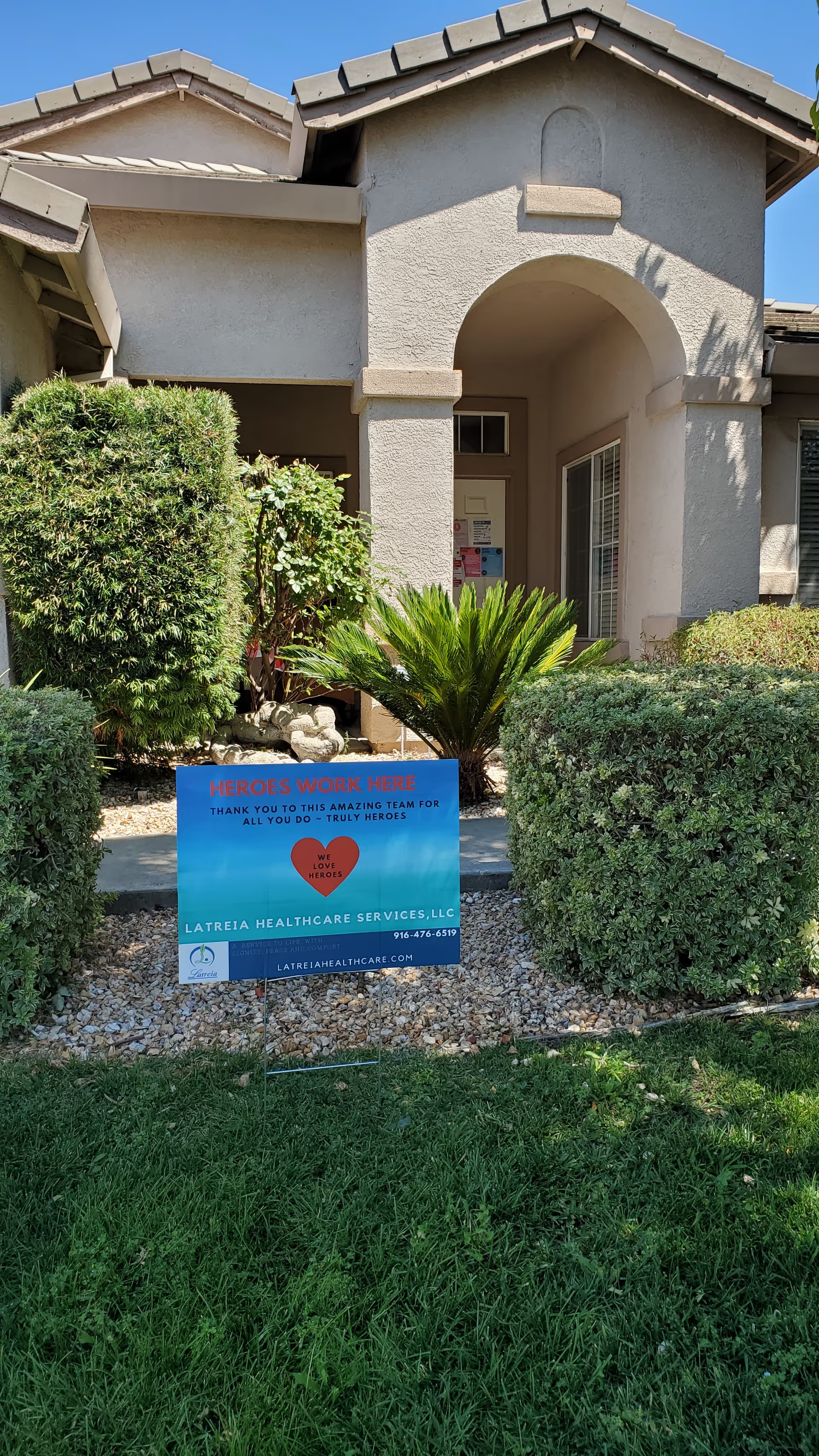
Revere Court Memory Care is presented across reviews as a purpose-built memory-care community with a cottage model, secured grounds, and a program emphasis on music, social engagement, and small-house personalized care. Many families cite the facility’s dementia specialization, robust activity programming (including music therapy, dance, games, and outings), and an on-site adult-day option as strengths that keep residents socially engaged and physically active. The campus layout—several small cottages with common dining areas, outdoor spaces, and neighborhood-style design—is described as home-like and conducive to smaller-group interactions.
Staff are a frequent source of positive comment: reviewers commonly describe caregivers and activity staff as friendly, attentive, and engaging. Several reviews highlight staff responsiveness during move-in, individualized attention within cottage households, and long-tenured team members who contribute to continuity of care. The facility’s dining receives favorable remarks for quality and home-cooked style meals, and many families appreciate additional onsite services such as a hair salon and massage therapy. There is consistent praise for the variety and frequency of activities, the active engagement of residents in music and movement, and the presence of caregiver support resources for families.
Notable operational patterns and concerns emerge alongside these strengths. Cost is a clear limiting factor for some families; reviewers identify the monthly rate as high compared with expectations. A subset of families described issues with management communication and access during clinical events, which suggests variability in how the facility handles family notifications, visitation during incidents, and coordination with external providers. Relatedly, there are indications of unclear practices around billing and supplemental charges for changes in care level, which prospective families should review closely.
A few reviews point to inconsistencies in personal-care assistance (for example, bathing and other hygiene support) and indicate that suitability for a particular resident can vary — the cottage model and programming fit some residents very well but are a less optimal match for others. Concerns were also expressed about workplace culture and policies that may create pressure around staff attendance; such factors can affect staff morale and continuity. Finally, while grounds and amenities are often praised, reviewers note that physical features (room sizes, outdoor area scale) can be uneven between cottages.
Overall, Revere Court Memory Care appears to offer strong memory-focused programming, an engaged activities team, and a welcoming cottage environment that many families find supportive for social and daily life. Prospective residents and families would benefit from an in-person tour that includes questions about current staffing ratios, specific examples of care-level charge practices, visitation and communication protocols during clinical events, and the facility’s approach to bathing and personal-care scheduling to determine fit and affordability for their individual needs.