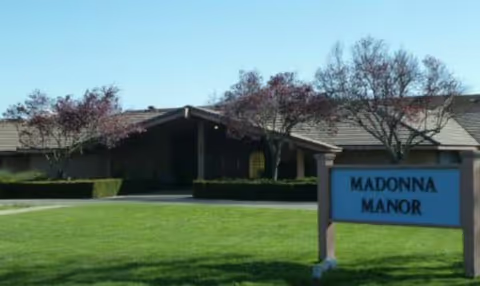
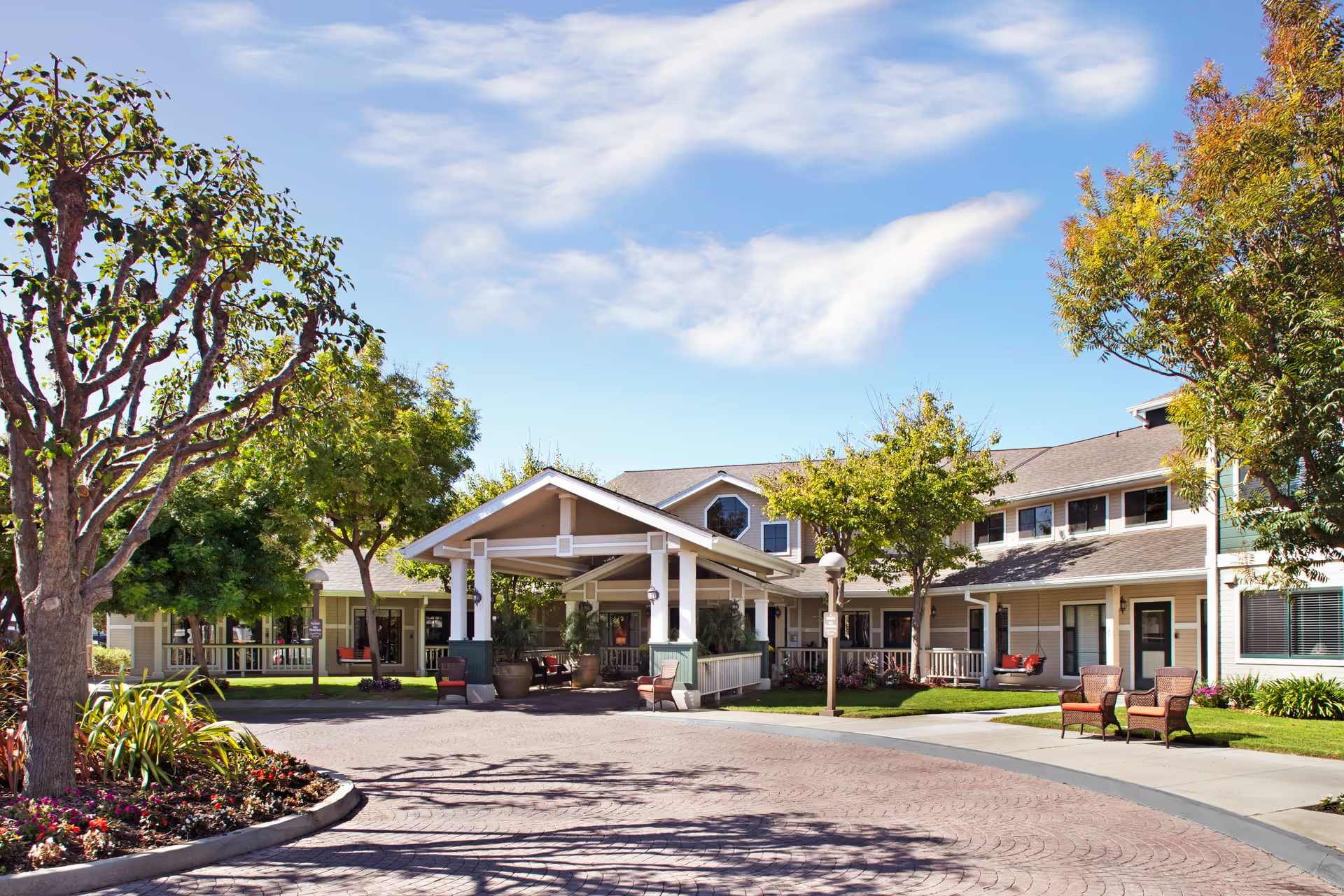
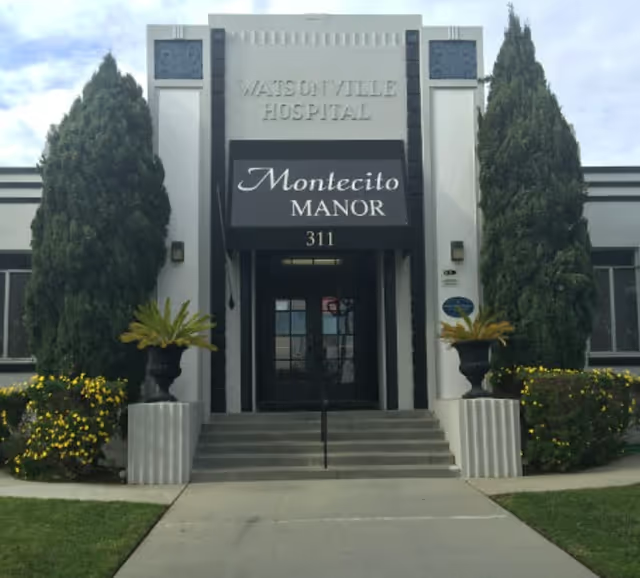
Overall impression: Reviews present a broadly mixed but largely staff-centered picture. Many families and residents emphasize compassionate, attentive caregivers, a clean and well-kept campus, and an inviting, resort-like environment with attractive grounds. The facility offers private-room options with kitchenettes and balconies, multiple on-site amenities (salon, library, fitness room), and a restaurant-style dining room that supports flexible meal choices and special diets.
Care and staffing: Staffing is the central theme dividing impressions. Numerous accounts praise individual caregivers for warmth, responsiveness, and personal attention; call-button responsiveness and prompt fall communication are cited positively. At the same time, reviewers frequently cite understaffing, high turnover, and stretched schedules that can lead to longer wait times and reduced one-to-one attention. Memory-care areas are where operational gaps are most commonly noted: inconsistent bathing, grooming, clothing changes, and lower levels of engagement were described as ongoing concerns, indicating variability in how dementia-specific needs are addressed.
Dining and nutrition: Dining receives mixed ratings. The community’s dining format and flexible menu are strengths, and many reviewers describe enjoyable meals, accommodation of pureed diets, and dessert choices. However, several reviewers note inconsistent food quality over time, changes in kitchen leadership affecting meal consistency, and occasional supply shortages. Some families also described communication issues during mealtimes and variable assistance for residents who cannot self-feed.
Activities and social life: Assisted-living programming is frequently described as robust — exercise classes, music events, crafts, parties, and card games are regularly offered and appreciated. The activities director and specific events (singing, holiday parties, live music) earn praise. By contrast, activity availability and engagement in memory-care units are described as more limited; some activities require sign-ups and weekend programming (e.g., movies) is viewed as thin, which can leave residents with fewer options during off-peak times.
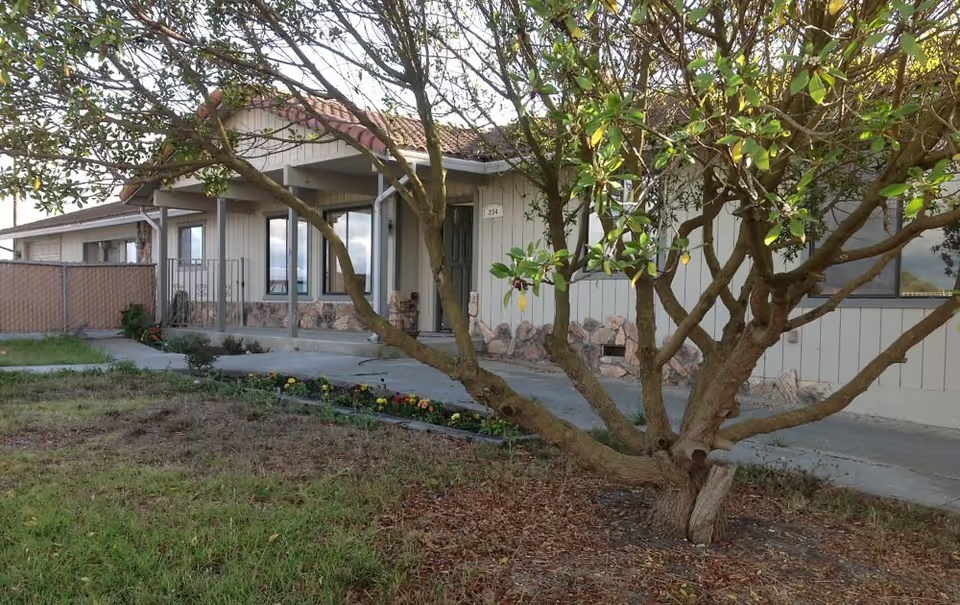
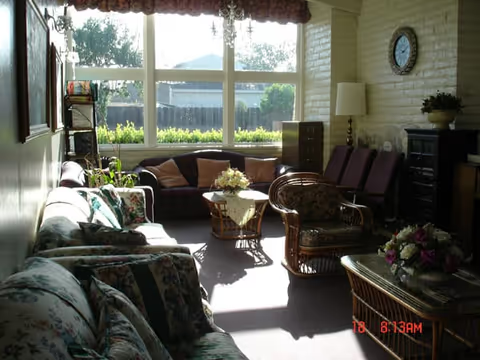
Facilities and amenities: The physical campus is commonly seen as attractive and clean, with well-maintained gardens and comfortable public spaces. Housekeeping and laundry services are generally viewed positively. Apartment size is a recurring practical limitation — studios and some private rooms are characterized as small or awkwardly configured, and some prospective residents feel pricing is steep relative to unit size. Guests’ access to a full kitchen and available transportation are noted benefits.
Management and governance: Several reviews note administrative turnover and variable responsiveness from management; this is tied by reviewers to inconsistent operational performance. Rate increases, extra charges for private rooms, and questions about value are common concerns. A small number of comments raise serious concerns beyond routine operational issues, including concerns following a resident’s death and allegations involving corporate legal and financial matters; these are more exceptional but significant and warrant direct inquiry by prospective families.
Notable patterns and guidance for prospective families: The facility demonstrates clear strengths in staff compassion, campus upkeep, amenities, and social programming in assisted living. The main operational risks are inconsistent staffing levels, variability in memory-care delivery, and fluctuating dining quality. Prospective residents and families should prioritize in-person visits that include mealtime and weekend periods, ask detailed questions about staffing ratios (especially in memory care), inquire about recent management changes and infection-control history, review medication-administration and incident-communication procedures, and clarify any additional fees or recent rate adjustments. These steps will help determine whether the facility’s positive aspects align with the specific clinical and social needs of the prospective resident.