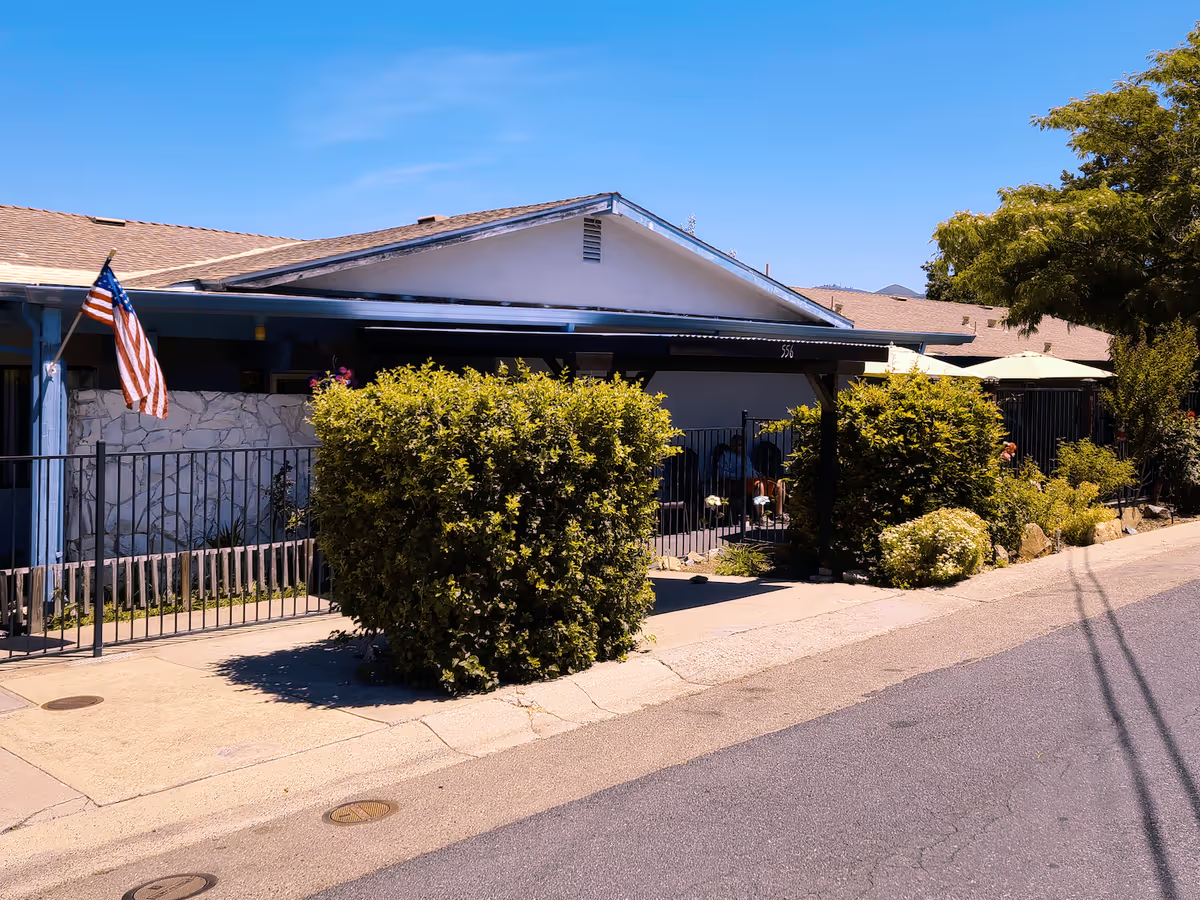
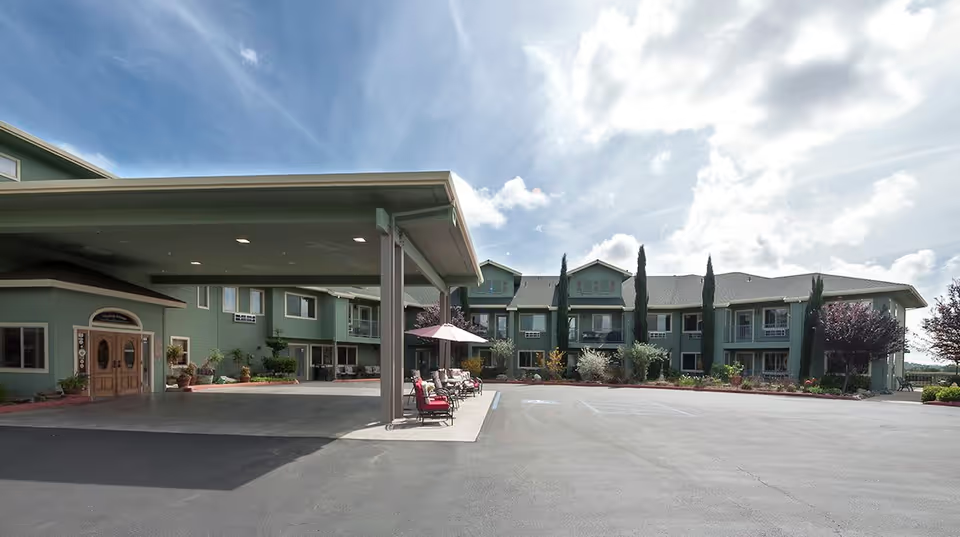
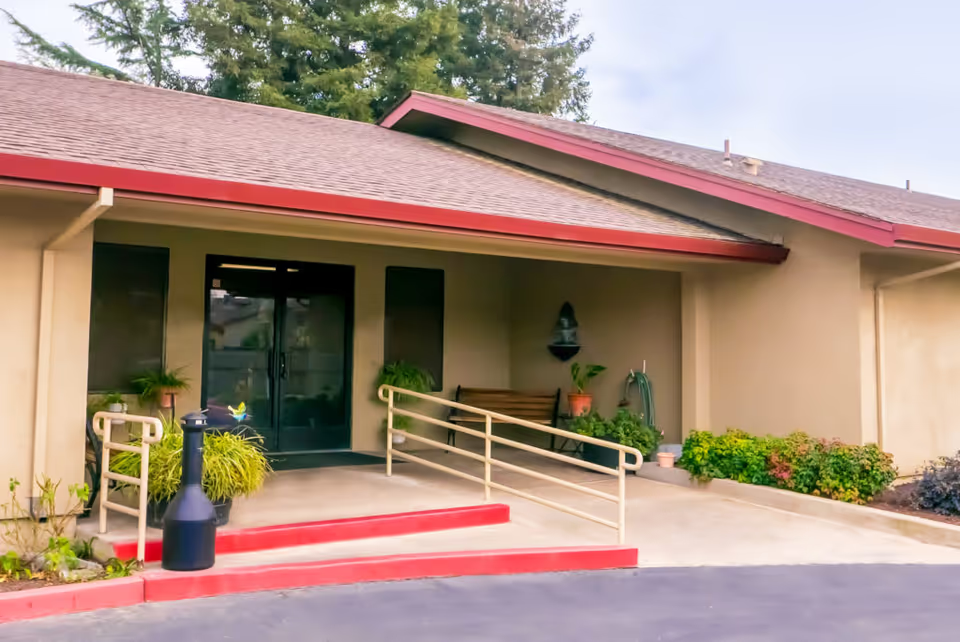
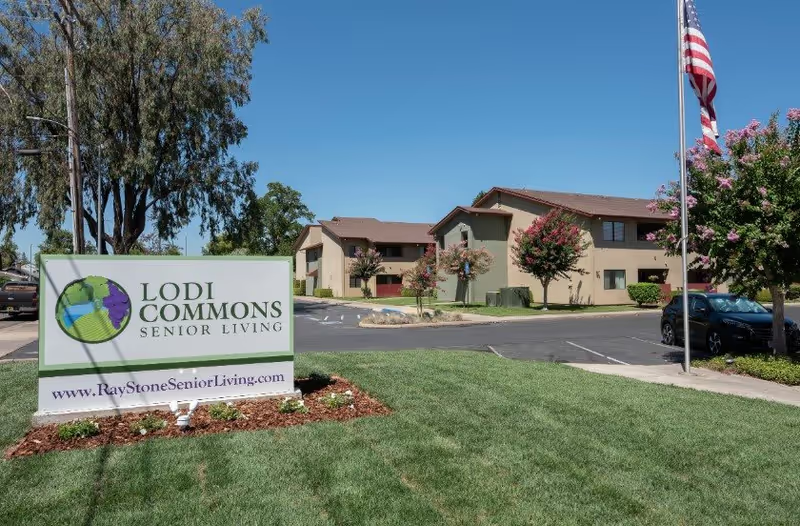
Reviews portray a facility with meaningful clinical strengths alongside notable operational inconsistencies. Strengths most commonly cited include a compassionate nursing and CNA workforce, an effective rehabilitation/therapy program that produces measurable recovery outcomes, and an active activities program that includes Bingo and pleasant outdoor visiting areas. Families frequently praise social work and admissions staff for clear communication and coordinated care planning, and several accounts emphasize personalized attention and tailored meal options when those accommodations are provided.
Clinical care and staffing are a mixed picture. Many families describe staff who go above and beyond, provide emotional connection, and deliver consistent therapy results and 24/7 oversight. At the same time, reviewers identify variability between shifts: responsiveness, tone, and the amount of time staff spend with residents can differ. This variability is reflected in concerns about transfer and mobility practices during therapy, and in observations that nighttime supervision and noise control are sometimes inadequate. These patterns suggest the facility performs well under staffed or well-managed conditions but may struggle to maintain consistency across all shifts or units.
Dining and activities are similarly mixed. The activities program, outdoor garden and visiting areas, and social offerings receive positive comments for resident engagement and quality of life. Dining experiences range from praise for nutritious, preference-tailored meals to complaints about cold food, menu substitutions, and inadequate diabetic accommodations. Prospective families should ask specific questions about dietary management and diabetic meal planning if nutrition is a priority.
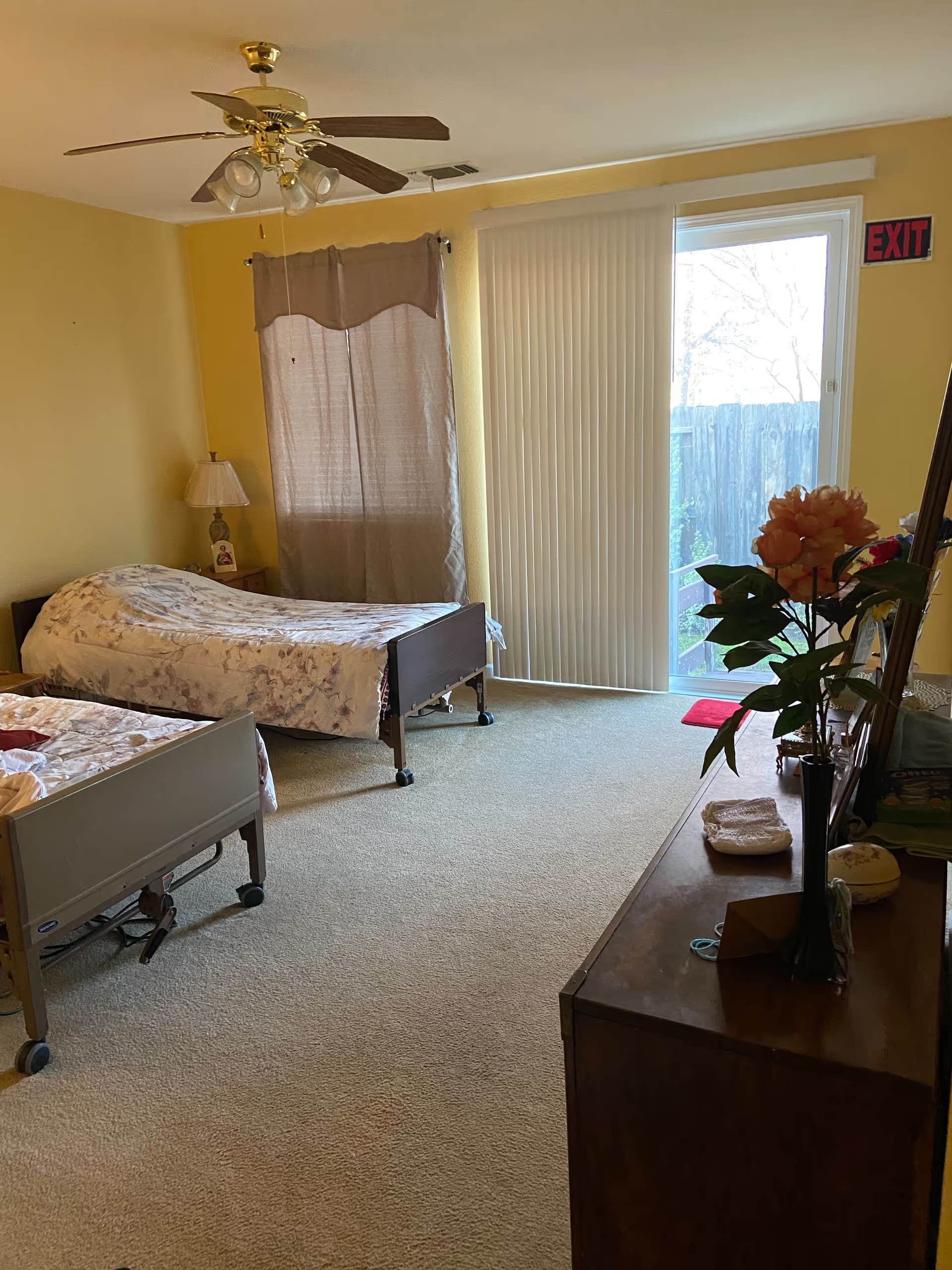
Facility condition and infection-control observations vary. Several reviewers describe clean, well-kept common spaces and a pleasant interior, while others note sanitation concerns in certain rooms or pieces of equipment and isolated odor issues. Infection-control and visitation policies drew criticism in the context of COVID-related restrictions and outbreak communication; transparency and flexibility around visitation and outbreak protocols were identified as areas needing improvement.
Administrative and safety issues are the most serious recurring themes. Reviewers describe gaps in medication-management controls, personal-belongings security, and administrative follow-through — including broken promises and poor business-office communication. A subset of reviews raises serious incidents, including alleged improper searches, theft of belongings or medications, medication removal that led to emergency care, eviction actions, and concerns following hospitalization and an adverse outcome. These claims vary in nature and severity; together they point to the need for clear policies, stronger property- and medication-security measures, and more consistent incident reporting and family communication.
Overall, Golden San Andreas Care Center demonstrates clear strengths in person-centered care, therapy, and social engagement but also shows operational vulnerabilities that affect safety, consistency, and family confidence. Prospective residents and families should weigh the facility's strong rehabilitation and caring-staff reports against concerns about medication controls, property security, cleanliness consistency, dining reliability, and administrative accountability. Recommended pre-admission steps include an on-site visit during different shifts, direct questions about medication and belongings security, review of infection-control and visitation policies, and obtaining written care and incident-reporting procedures.