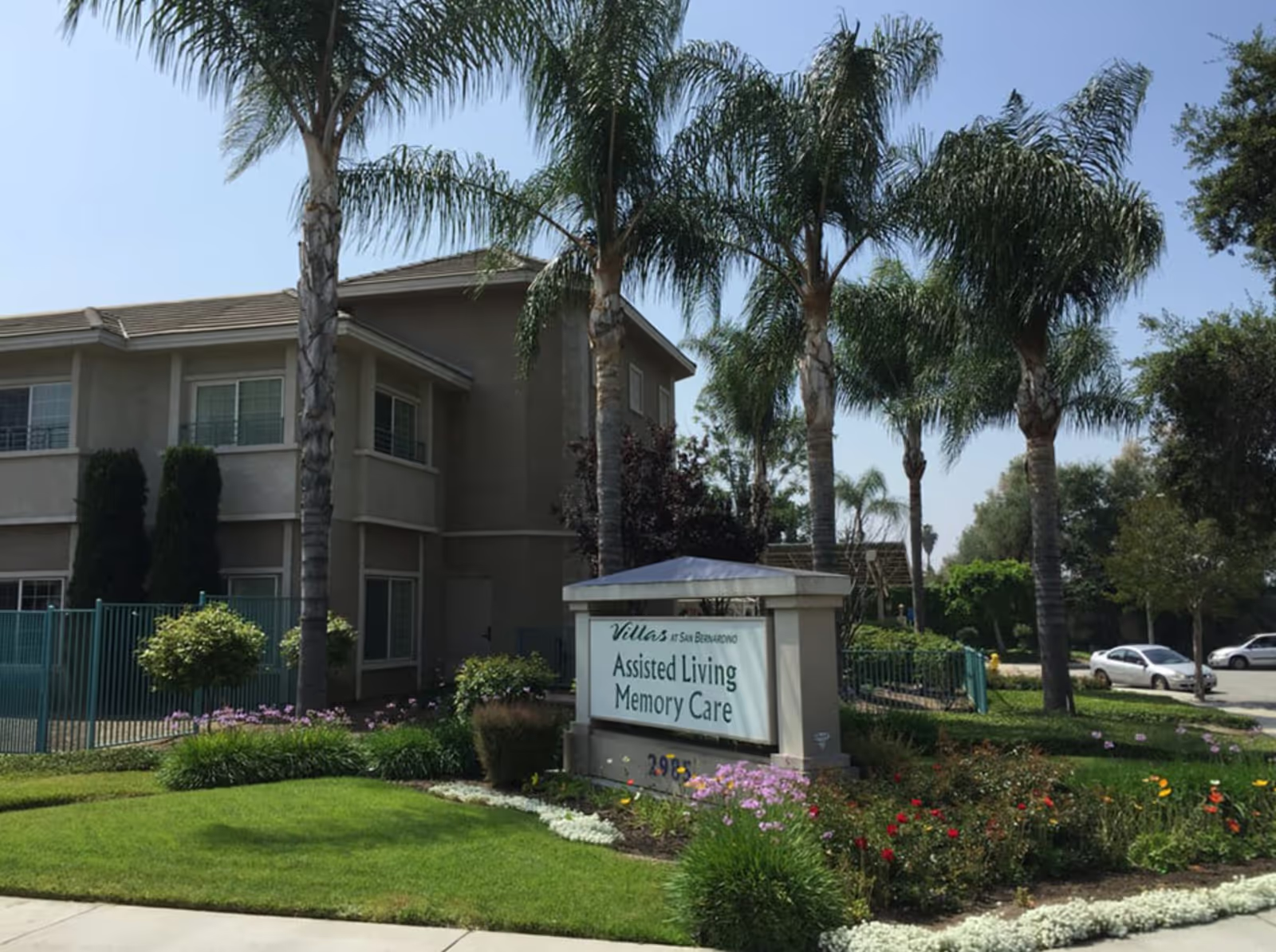
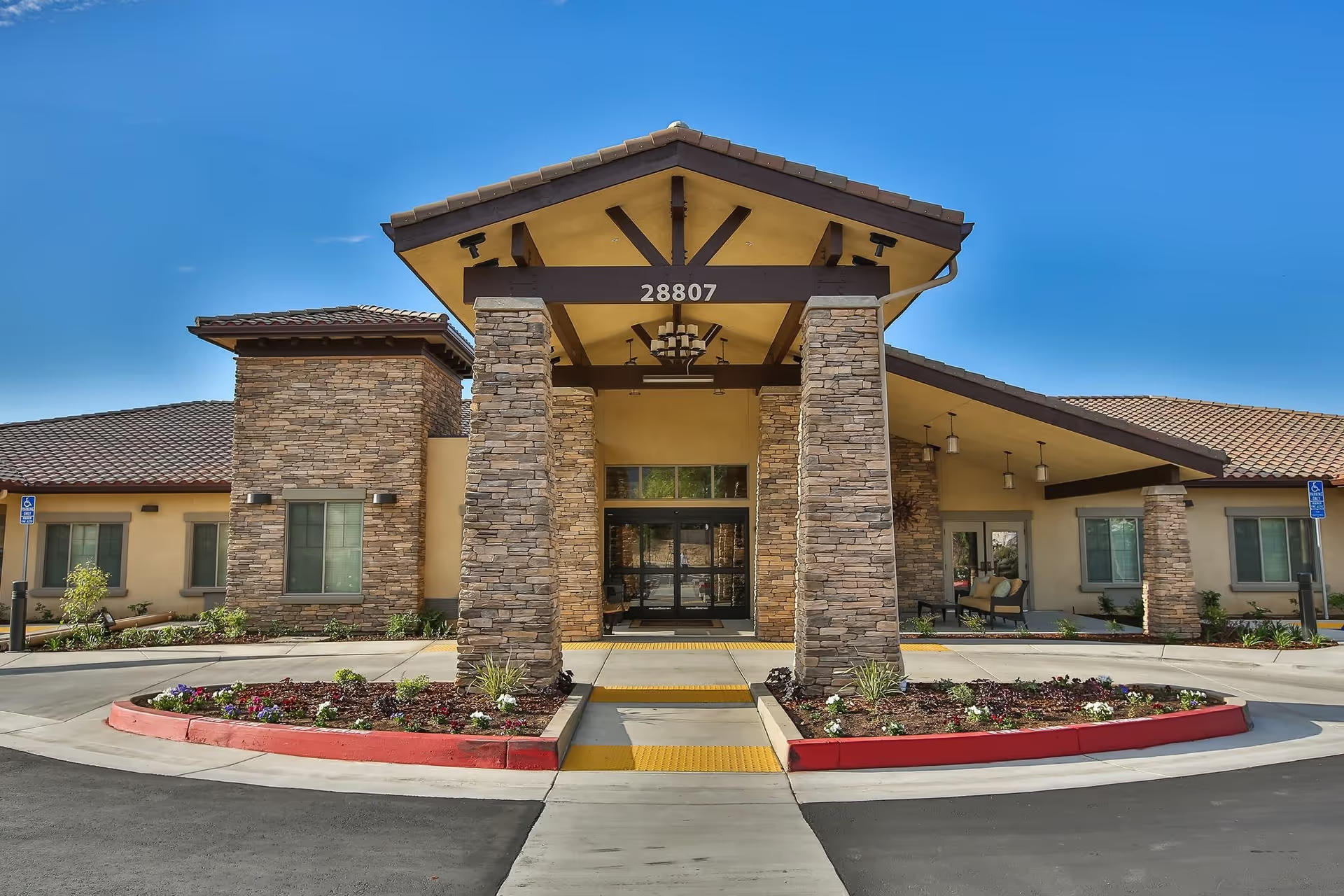
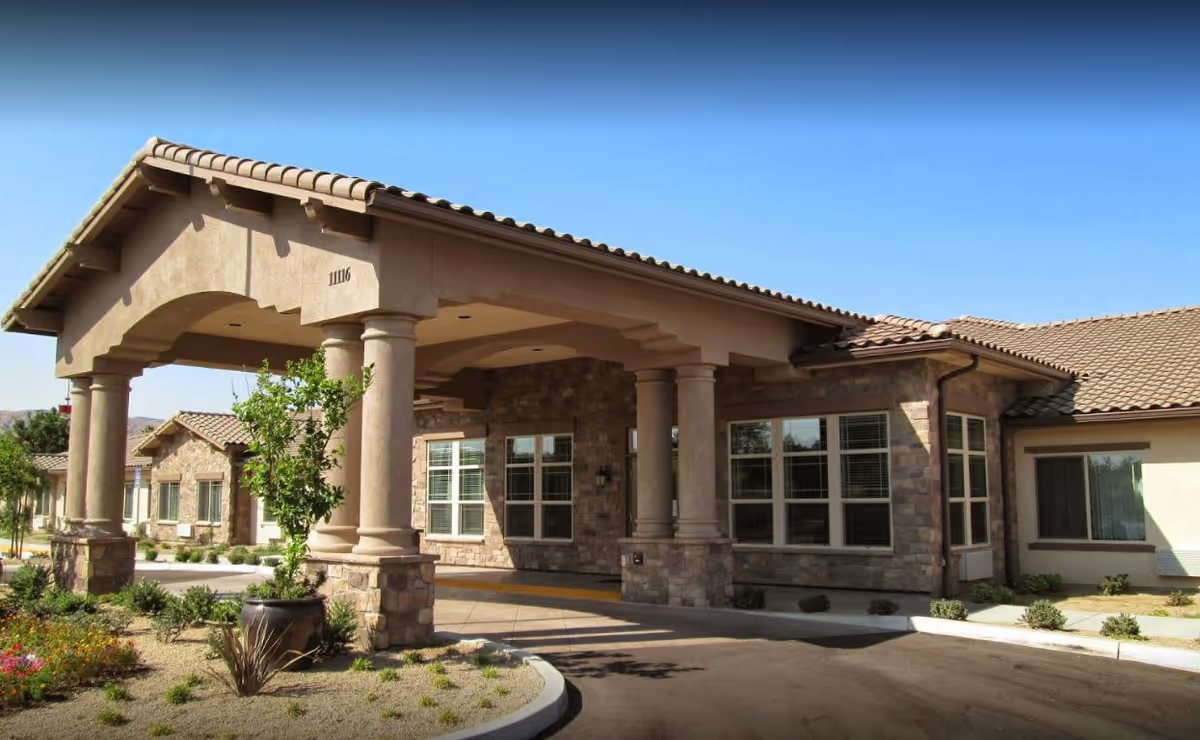
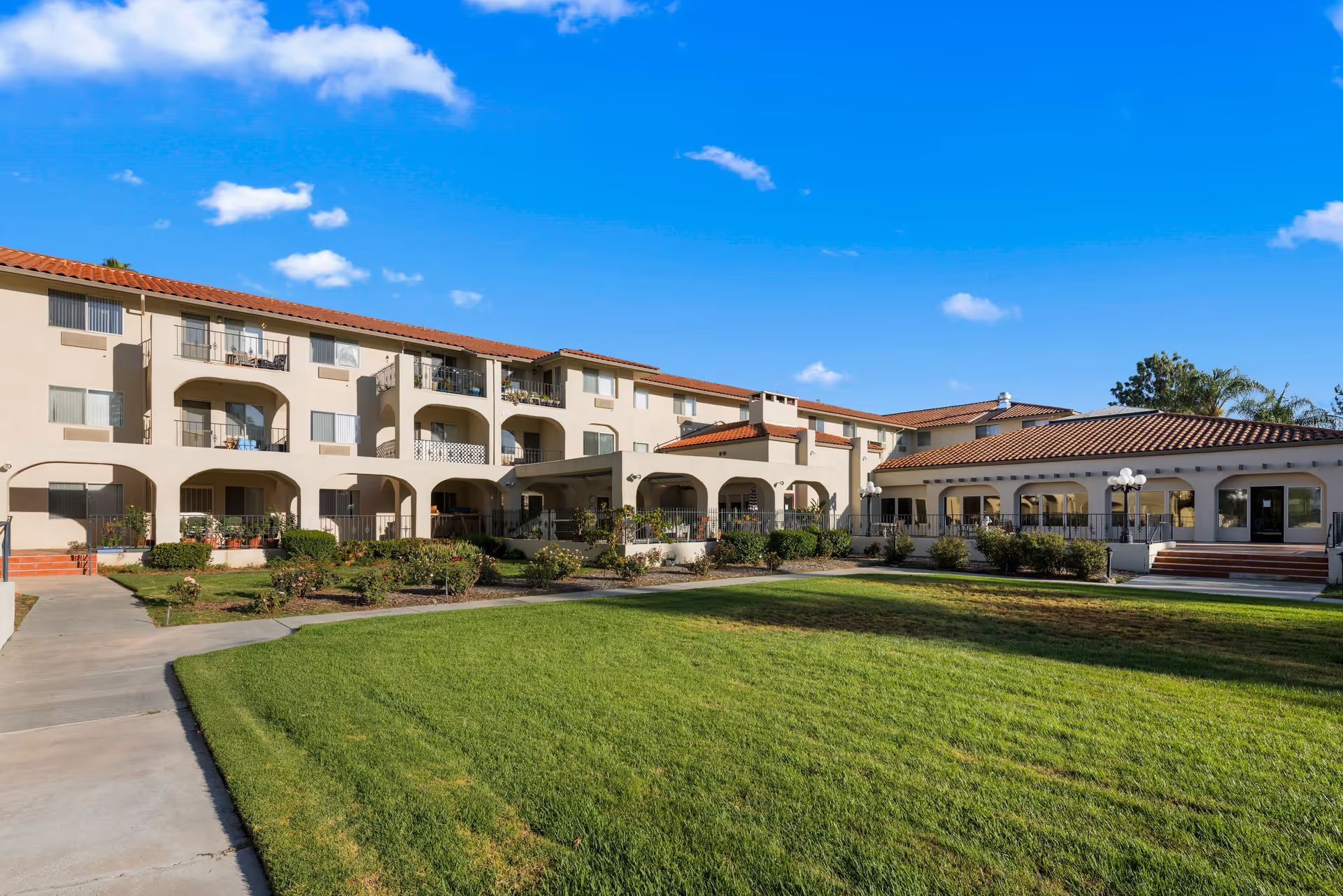
Reviewer accounts of Hillcrest Care present a sharply divided picture: several describe high-quality, round-the-clock caregiving and a clean facility, while a number of others raise substantive operational concerns. The most consistent positive themes are that the environment is kept clean and that families encountered skilled, attentive staff with 24/7 on-site care availability. These positive statements include claims of individualized attention and effective daily care for some residents.
Care quality shows a clear split. On one hand, there are reports of excellent day-to-day assistance and continuous nursing presence. On the other hand, multiple accounts describe delays in responding to resident needs, examples of pressure-injury development that reviewers link to care planning, and instances that resulted in hospital transfers. These descriptions suggest variability in clinical follow-through and in the consistency of care-plan execution across shifts or units.
Staff-related issues focus on communication tone, professionalism, and responsiveness. Some families praised direct-care staff, while others reported what they characterized as disrespectful or unprofessional interactions and poor information-sharing about changes in a resident’s condition. Understaffing and slow assistance response times are recurring operational themes that can contribute to both perceived and actual declines in care continuity.
Facility and program matters are mixed. The physical spaces are described as clean and maintained, but reviewers also mention a loud environment and restrictive movement practices described as lockdown-like. There are also concerns about supervision of residents with behavioral-health needs and about safety protocols for those residents. Reviews provide little direct detail about dining quality and organized activities, so those areas remain unclear from the submitted summaries.
Management and oversight patterns are a notable area of concern. Several reviewers raised issues about how complaints were handled, including claims about insufficient regulatory follow-through and involvement of outside advocates such as an ombudsman. Some allege potential conflicts of interest affecting complaint resolution. These points, together with reports of abrupt admission decisions and disputed placement practices, indicate a need for clearer grievance procedures, transparent admission policies, and stronger external-review engagement.
Taken together, the pattern is polarized: clear praise for aspects of hands-on caregiving and facility cleanliness exists alongside repeated operational weaknesses in staffing consistency, clinical follow-through (including wound/pressure-injury management), family communication, behavioral supervision, and complaint escalation. Prospective residents and family members should tour the facility, request recent inspection and staffing records, ask specifically about wound-care protocols, response times, behavioral-health supervision, admission/placement procedures, and the facility’s process for escalating and documenting complaints. Consulting the local long-term-care ombudsman and state inspection reports is advisable to clarify the facility’s regulatory history and complaint outcomes before making placement decisions.