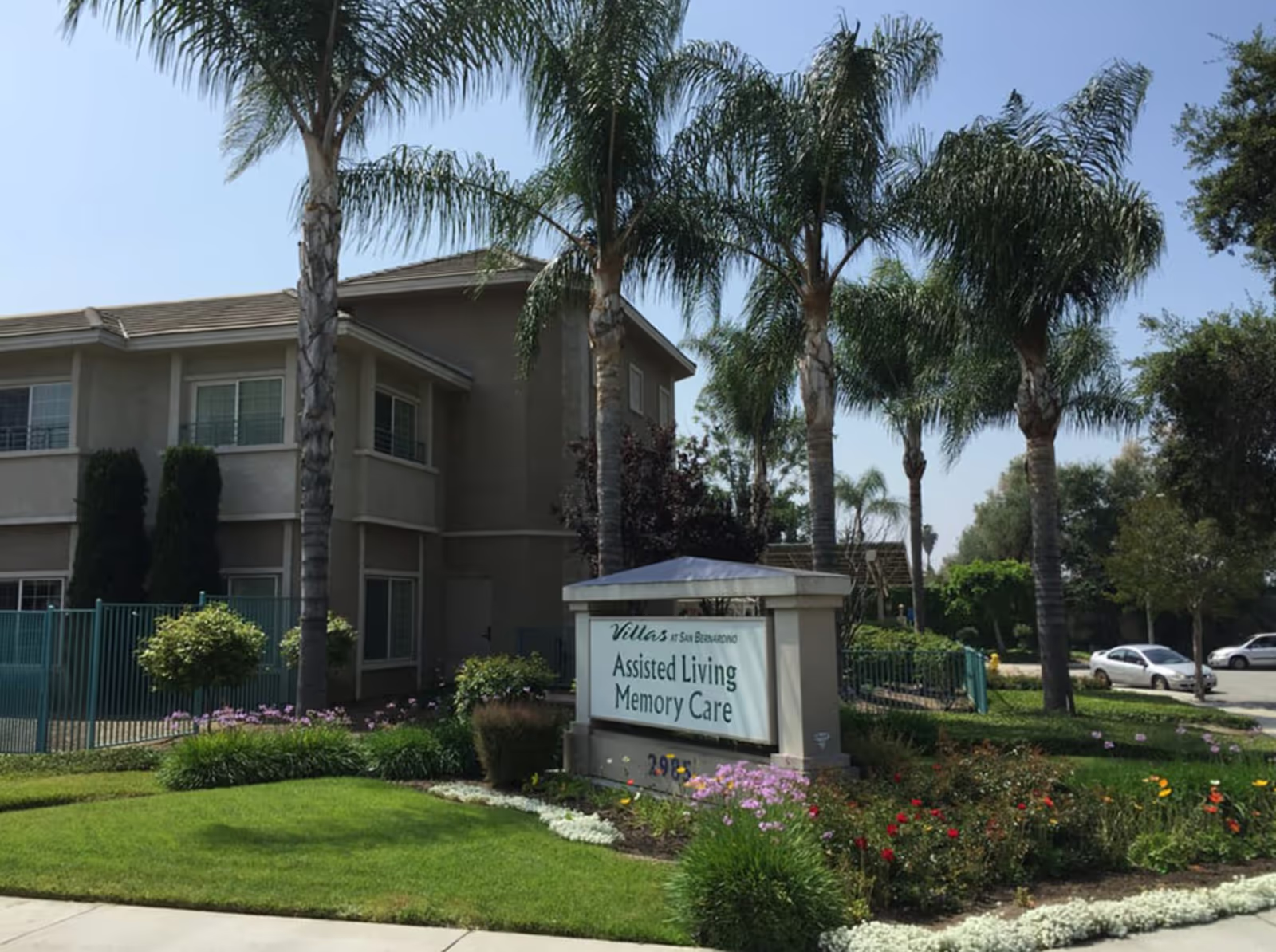
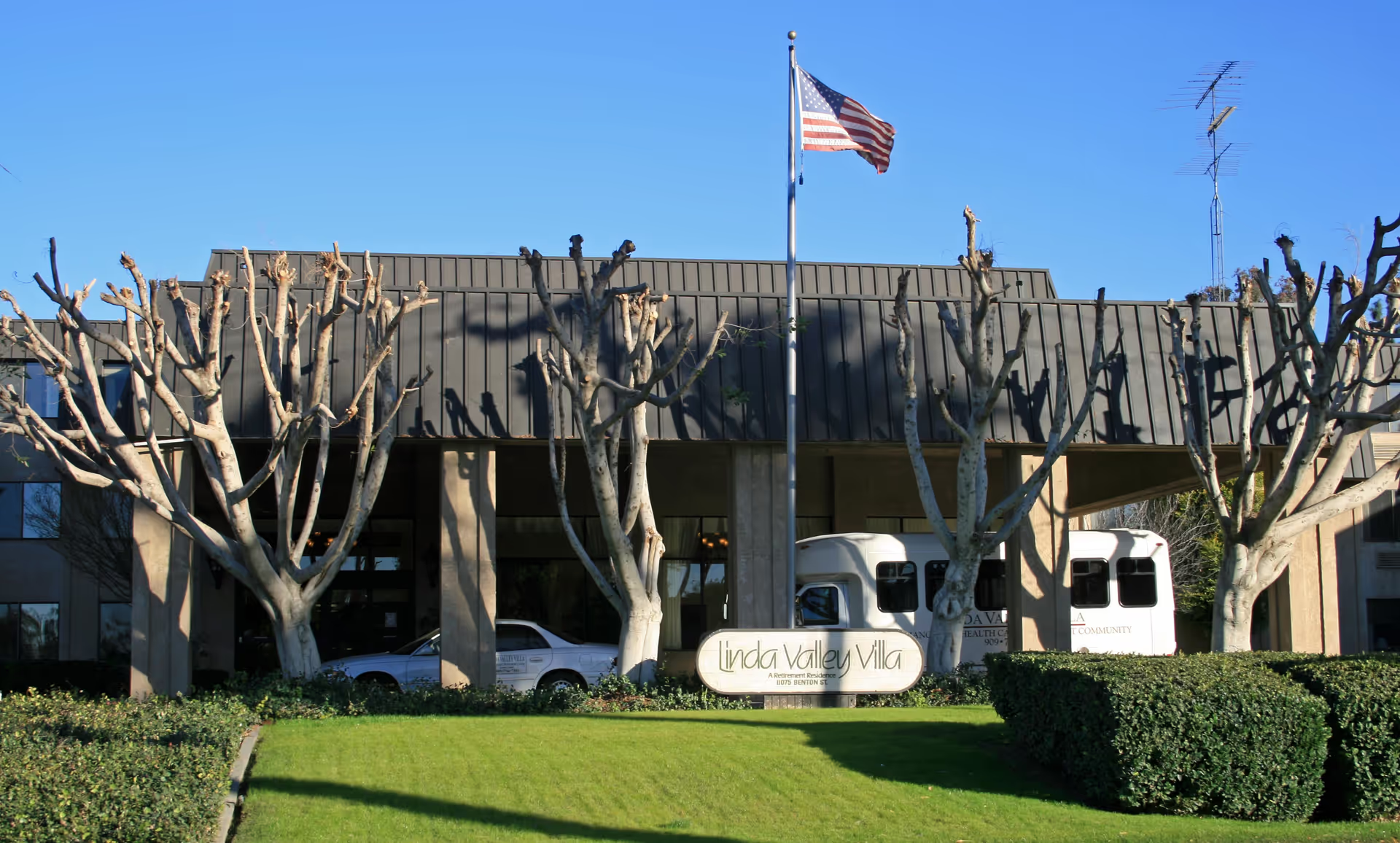
Overall impression: Reviews describe a polarized experience at this facility. Many families and patients highlight individual staff members and therapy teams who deliver compassionate, effective care and successful rehabilitation outcomes. At the same time, a substantial number of accounts describe operational failures that have direct clinical and safety consequences. This creates a variable quality profile in which a resident's experience appears heavily dependent on staffing, shift, and team composition.
Care quality: Clinical concerns center on inconsistent execution of basic nursing tasks and clinical protocols. Specific operational weaknesses include medication-administration errors, gaps in wound and ostomy care, delays in attending to resident needs, and weaknesses in fall-prevention and transfer practices. A few narratives describe care transitions and discharge follow-up that resulted in emergency-level care needs; these reinforce a pattern of uneven clinical oversight and coordination. Conversely, other accounts describe attentive, outcome-oriented care—particularly in the therapy services.
Staff: Staff performance is described as mixed. Several individuals and teams receive high praise for compassion, responsiveness, and clinical skill; named staff are cited for positive engagement with families. However, recurring themes include variable staff attentiveness, perceived rudeness or poor communication tone, personal-device distractions during shifts, and staff shortages—especially on weekends and during shift changes. These human-resource patterns appear to drive much of the variability in resident experience.
Dining and nutrition: Food quality is generally described as acceptable by some families, and activities around mealtime are not often a central complaint. That said, there are reports of inconsistent dietary management for residents with specific needs (for example, diet-restricted patients), indicating a need for clearer processes to ensure special diets are followed reliably.
Activities and therapy: This is a relative strength. The facility hosts social events, birthday celebrations, picnics, and regular group programming that families noted positively. Physical and occupational therapy receive repeated commendation for measurable improvements and motivated staff. These offerings contribute meaningfully to rehabilitation and social engagement for many residents.
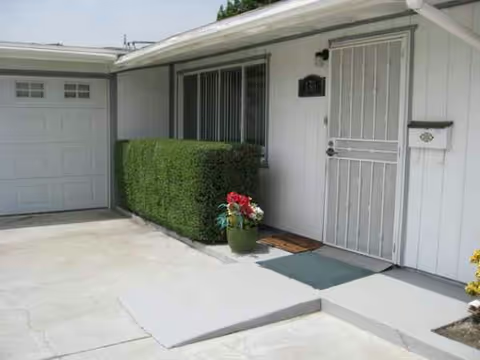
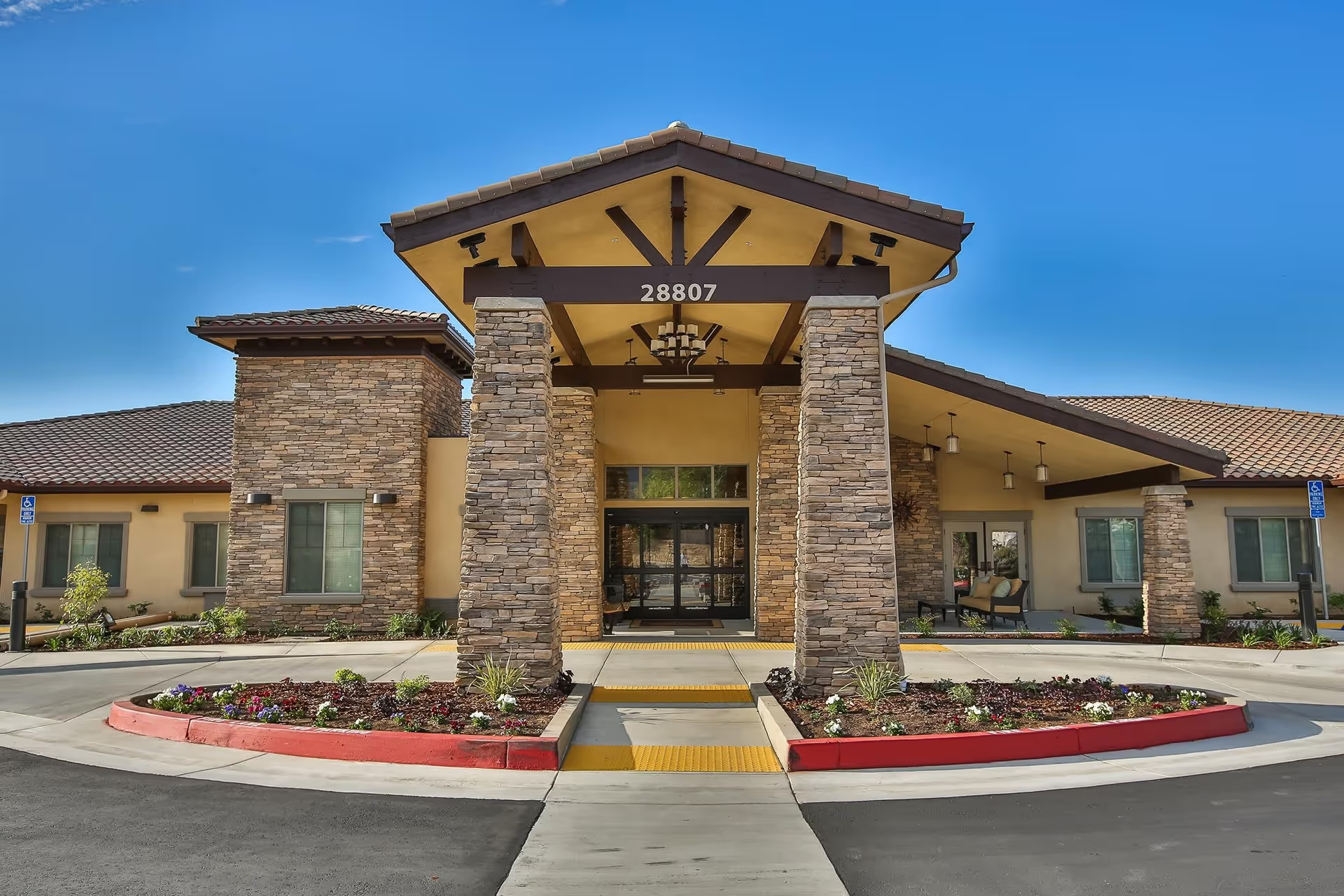
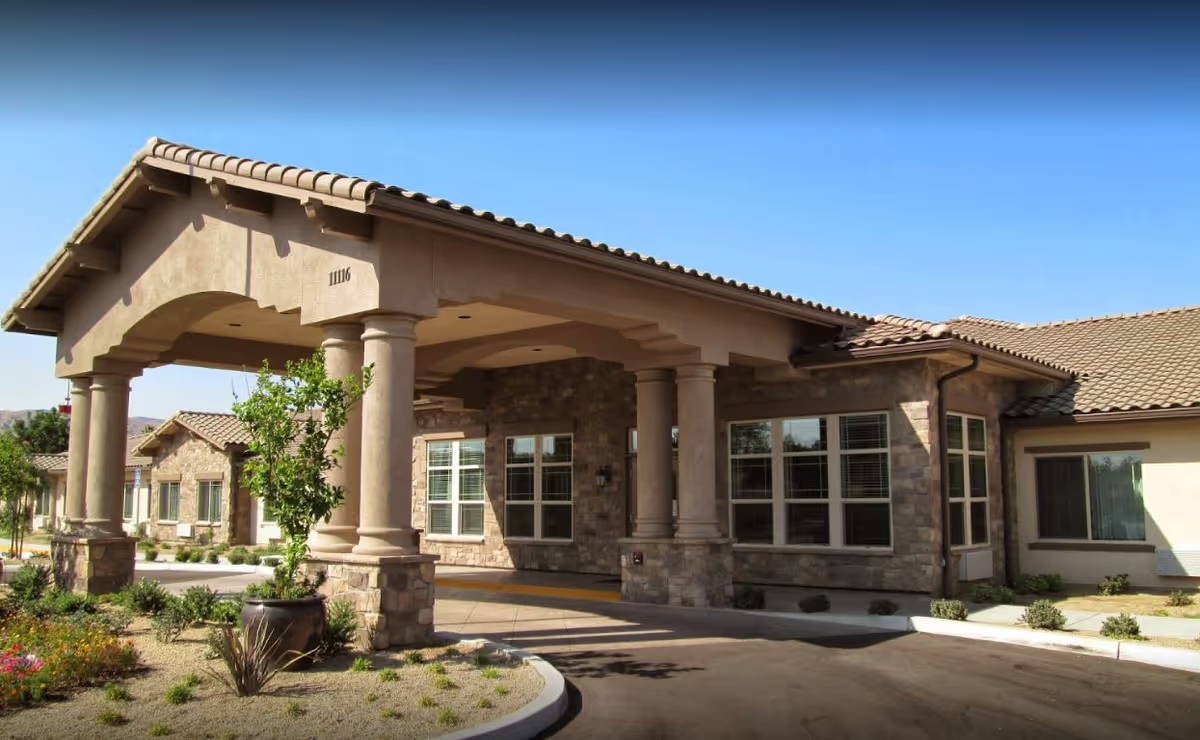
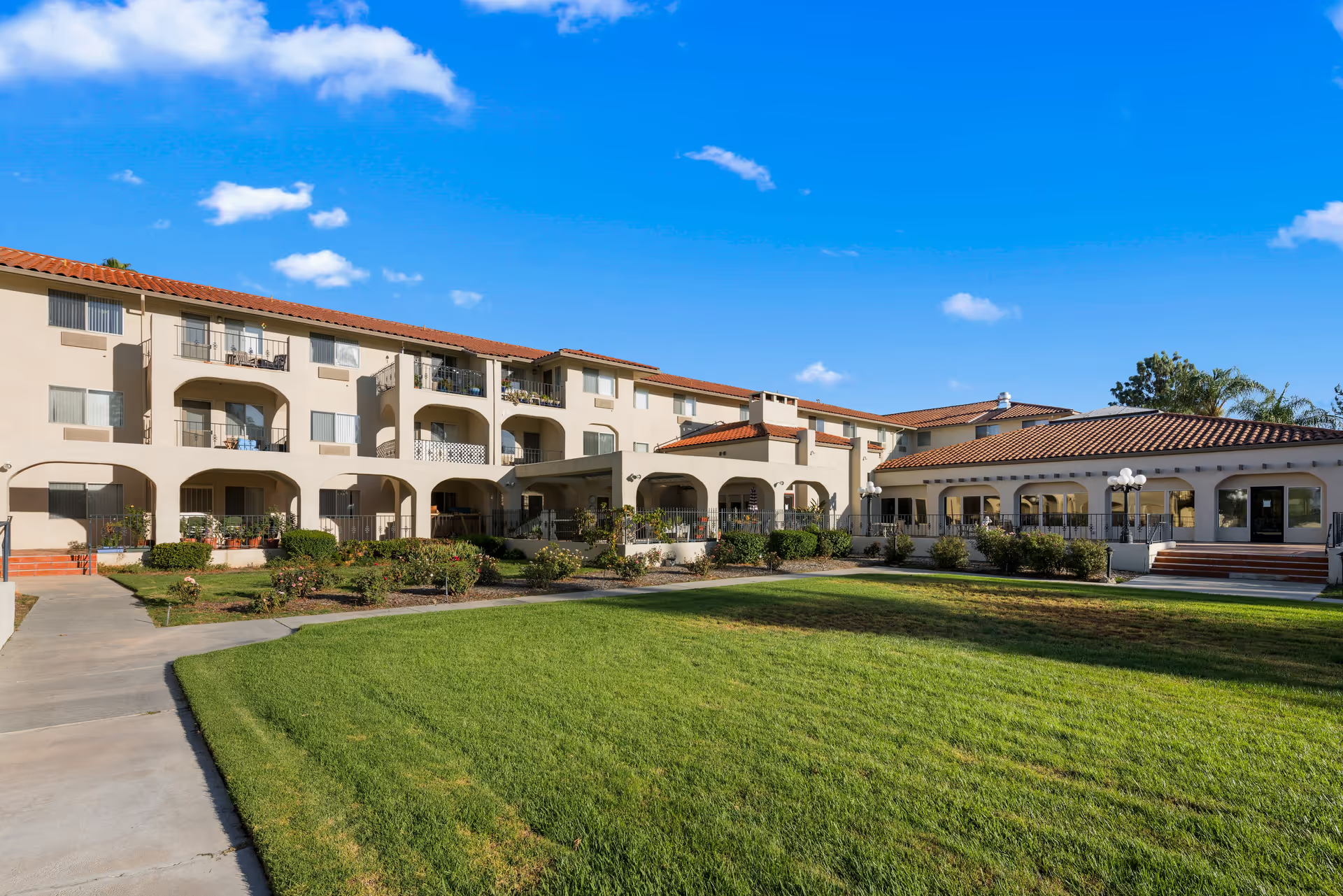
Facilities and housekeeping: Descriptions of the physical plant are mixed. Some reviewers describe clean, well-maintained rooms and timely housekeeping; others report aging infrastructure, equipment failures, and maintenance delays. Sanitation and odor control in certain resident and common areas emerge as recurring concerns that suggest inconsistent housekeeping or environmental-maintenance processes.
Management and operations: Administrative impressions vary. Several front-desk and administrative staff are praised for helpfulness and coordination, while other accounts describe a prioritization of administrative or financial processes over bedside concerns, slow intake/documentation workflows, and lapses in family communication. Transport coordination for external appointments and internal transfers is another operational gap noted by families.
Notable patterns and takeaways: The overall pattern is one of inconsistency—high-quality care and excellent therapeutic outcomes are possible, but so are significant lapses tied to staffing, training, and process reliability. Prospective families should be aware of the dichotomy: strong therapy and engaged caregivers exist alongside operational issues that can affect safety and continuity of care. When evaluating the facility, families may wish to inquire specifically about staffing ratios by shift, wound/ostomy care protocols, medication-administration safeguards, infection-control practices, weekend coverage, and how dietary restrictions and pharmacy needs are managed.