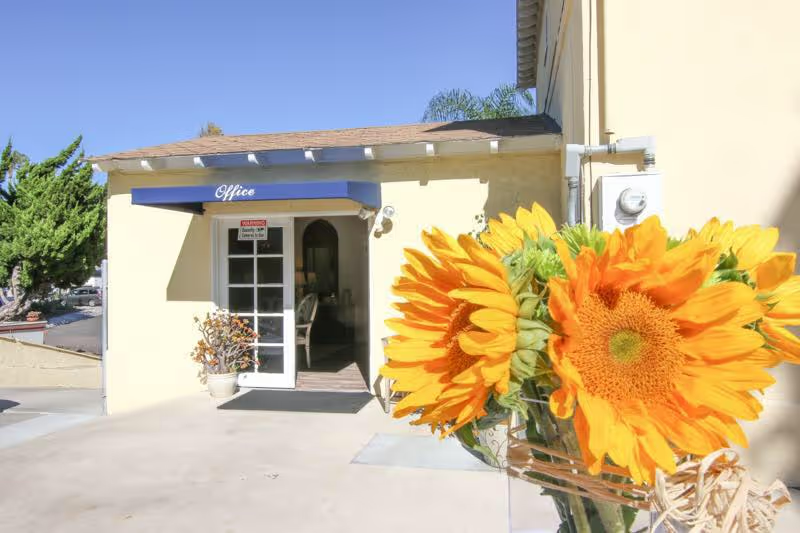
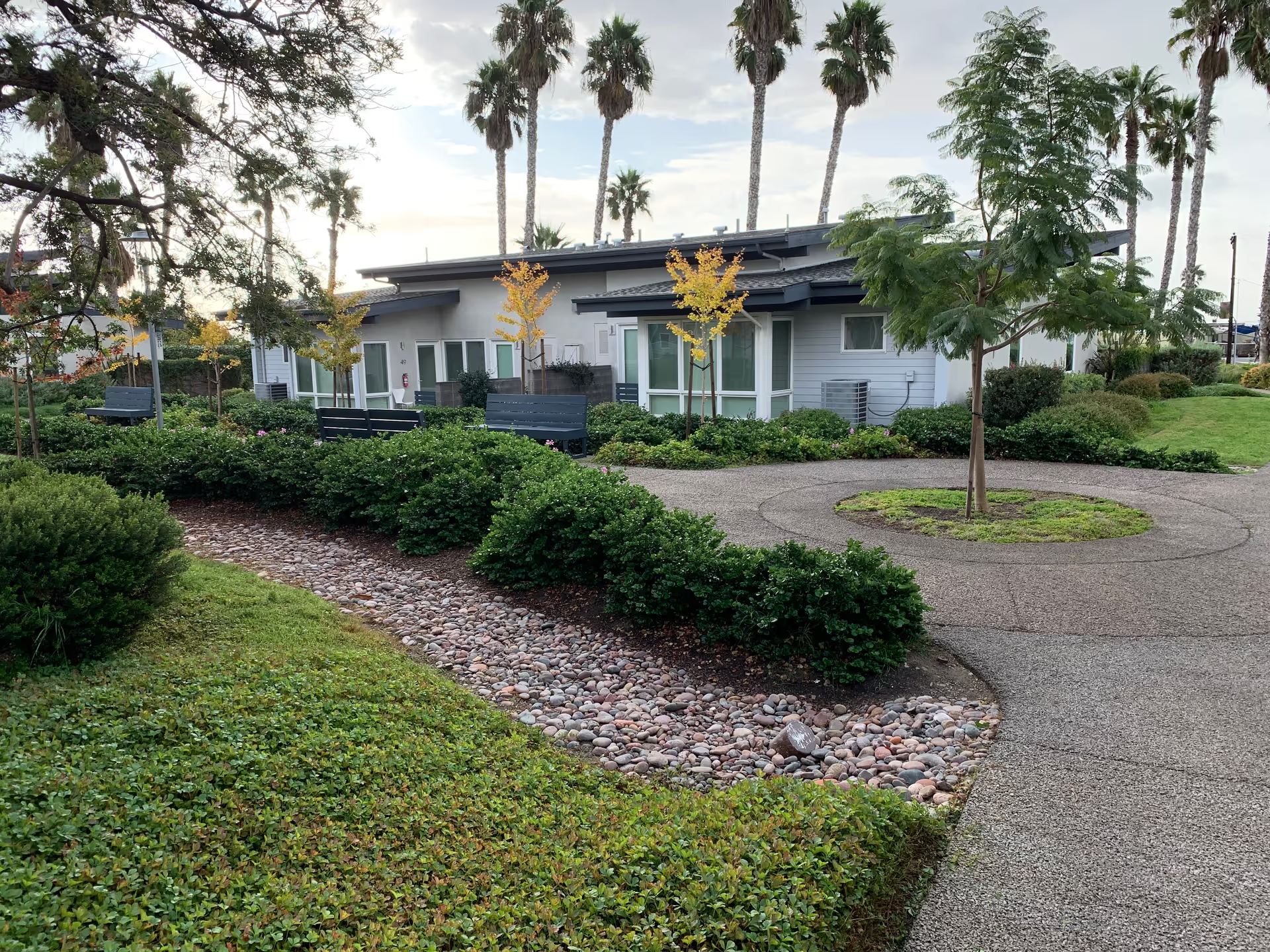
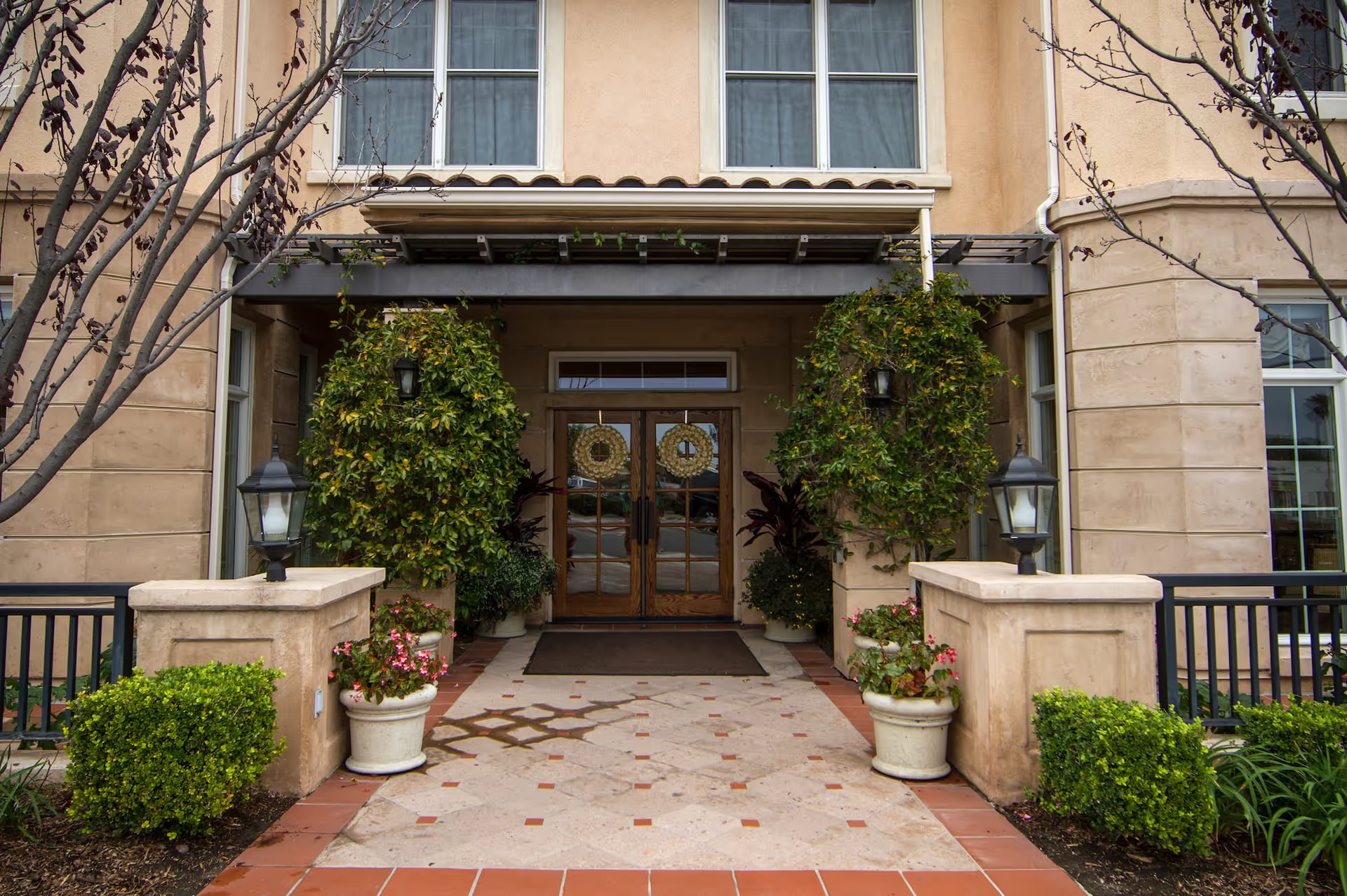
Point Loma Estates Memory Care elicits a mix of strong positive impressions and operational concerns. Many families emphasize the facility’s small, home-like scale, well-maintained interiors, attractive outdoor spaces, and a staff culture described as compassionate and attentive. Long-tenured employees, an active resident-services director, and a visible activities team contribute to an environment where residents participate in walks, social events, and planned entertainment. The community’s layout — single-story, secure for dementia needs, with sunny porches and ample common areas — is repeatedly cited as conducive to safety and engagement.
Clinical care receives mixed assessments. Several reviewers praise on-site nursing oversight, periodic physician or nurse visits, and dependable assistance with daily tasks such as bathing, laundry, and housekeeping. At the same time, there are recurring operational concerns around medication administration and clinical follow-through: delays, incorrect timing, and other inconsistencies in how medications are given have been described, and one serious allegation involves inadequate family notification after a medical event. Families should ask specific questions about medication protocols, RN coverage, emergency notification procedures, and transfer/assistance practices during a tour.
Staffing and day-to-day caregiving quality appear variable. While many reviewers describe attentive, consistent caregivers and low turnover, others report periods of understaffing, inconsistent care continuity, or aides distracted by non-care tasks. This pattern suggests that experiences can differ by shift and by individual caregiver; prospective families may want to review staffing ratios, float/backup staffing plans, and staff training on dementia-specific care.
Dining and activities are frequently highlighted as strengths but not uniformly so. Several families praise high-quality, flavorful meals, special brunches, and robust programming led by engaged staff. Conversely, there are accounts of cold meals, intermittent meal-service problems, and occasional concerns about dining-area cleanliness or odors. Activities are generally described as plentiful and appropriate for memory-care residents, though some families expected more individualized engagement for higher-functioning residents.
Facility operations and administrative practices show positive and negative signals. Maintenance responsiveness, ongoing renovations, and clean common areas are consistent positives. However, reviewers also note billing errors, unclear pricing communication, insurance paperwork delays, and occasional incorrect charges. Inventory-control issues such as lost laundry or personal items are another operational weakness to probe. In addition, location-related factors — traffic, external noise from vehicles, and concerns about the immediate surrounding property including sanitation and pest-control issues on adjacent lots — are cited as affecting the overall environment and perceived safety for some families.
Overall, Point Loma Estates appears to offer a warm, well-kept, memory-care–focused setting with many engaged staff and meaningful programming. The facility shows clear strengths in hospitality, grounds, and resident engagement. At the same time, the pattern of inconsistent clinical practices, medication and hygiene-management gaps, communication shortfalls with families, and some administrative lapses suggests areas requiring careful inquiry. Prospective residents and families would be well served to tour the community, meet clinical leadership, review medication and incident-notification protocols, confirm staffing patterns for the desired shifts, and ask about pest-control and exterior-site safety before deciding.