Overall impression: Reviews portray Providence Place as a small, intimate assisted living and memory-care home characterized by a home-like, non-institutional atmosphere and a strong emphasis on personalized attention. Families repeatedly cite compassionate, hands-on caregiving and a high caregiver-to-resident ratio as core strengths. The facility is positioned as dementia-capable, with staff experienced in memory-care approaches and an environment described as calm, structured yet flexible, and appropriate for residents who wander or need steady supervision.
Care and staff: Consistent themes across summaries are attentive caregiving, proactive communication from management, and clinically minded oversight. Multiple accounts highlight a responsive director/point person who provides regular photo and video updates, coordinates care, and is reachable by phone or text. Staffing is often described as stable with low turnover; reviewers name individual caregivers and support staff positively. Clinical strengths cited include 24/7 availability, RN/LVN/social work involvement, organized pandemic precautions (regular testing and vaccination coordination), and timely responses to acute changes in condition. A small number of accounts reference isolated concerns about staff conduct or discrete negative interactions; these appear as exceptions rather than the central pattern.
Dining and nutrition: Dining is consistently noted as a strength. The facility employs a chef or dedicated cook who prepares fresh daily meals with tasty and nourishing options, including vegetarian choices. The dining environment is described as warm and comfortable, and family meals or accommodations for visitors are common. A few reviewers noted that parts of the dining area or décor look dated, which may be a consideration for prospective families who prioritize contemporary interiors.
Activities and therapies: Providence Place offers a broad activities program that reviewers find engaging and varied. Regular programming includes music therapy, exercise/physical-therapy–oriented sessions, arts and crafts, games, manicures, knitting, and social events. Families frequently note strong activity leadership and the positive impact of programming on residents’ social, motor, and cognitive engagement. On-site therapy and transportation for appointments are additional conveniences highlighted by families.
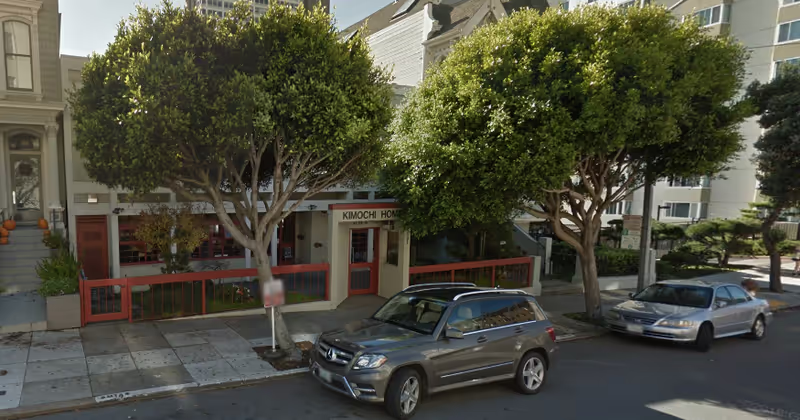
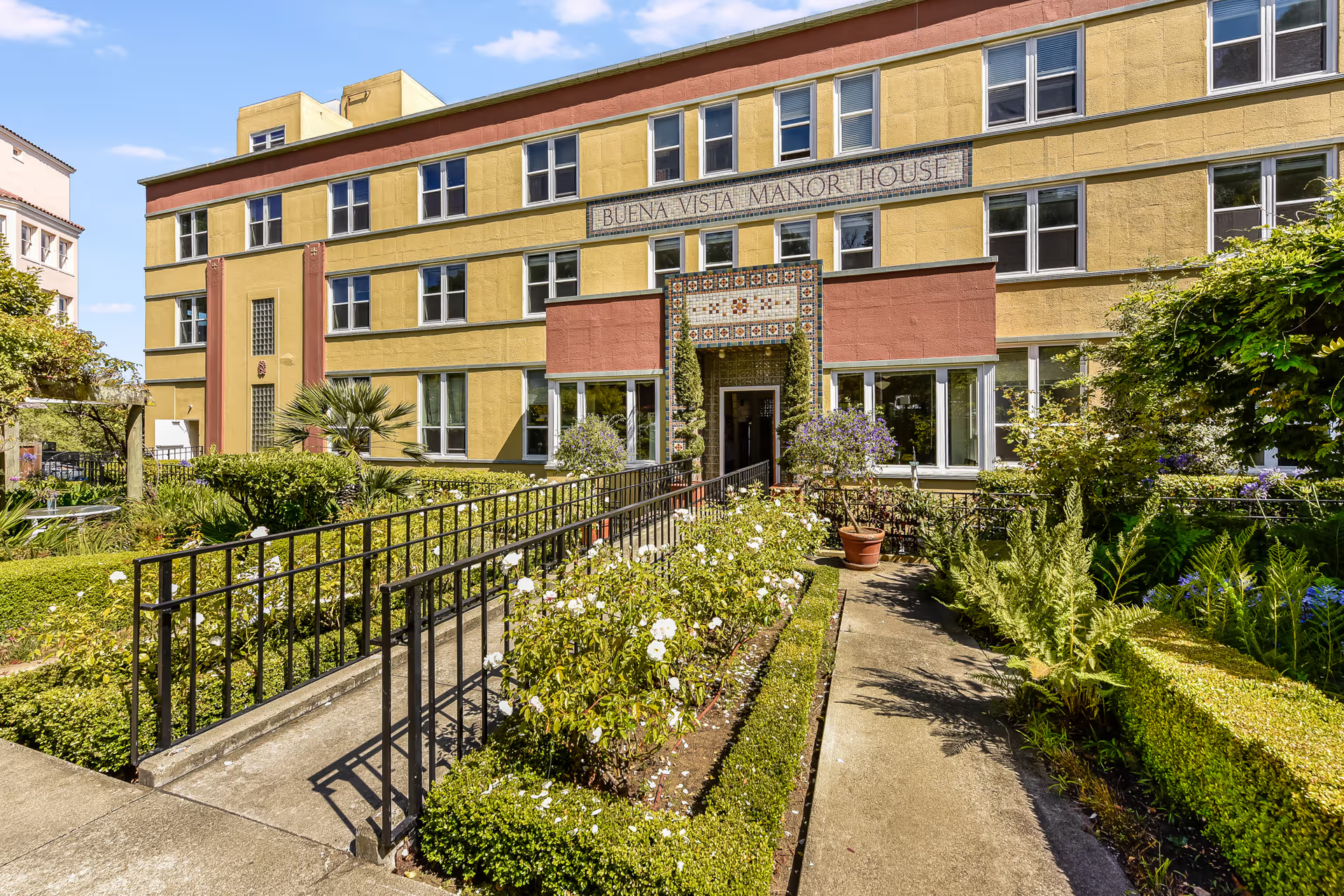
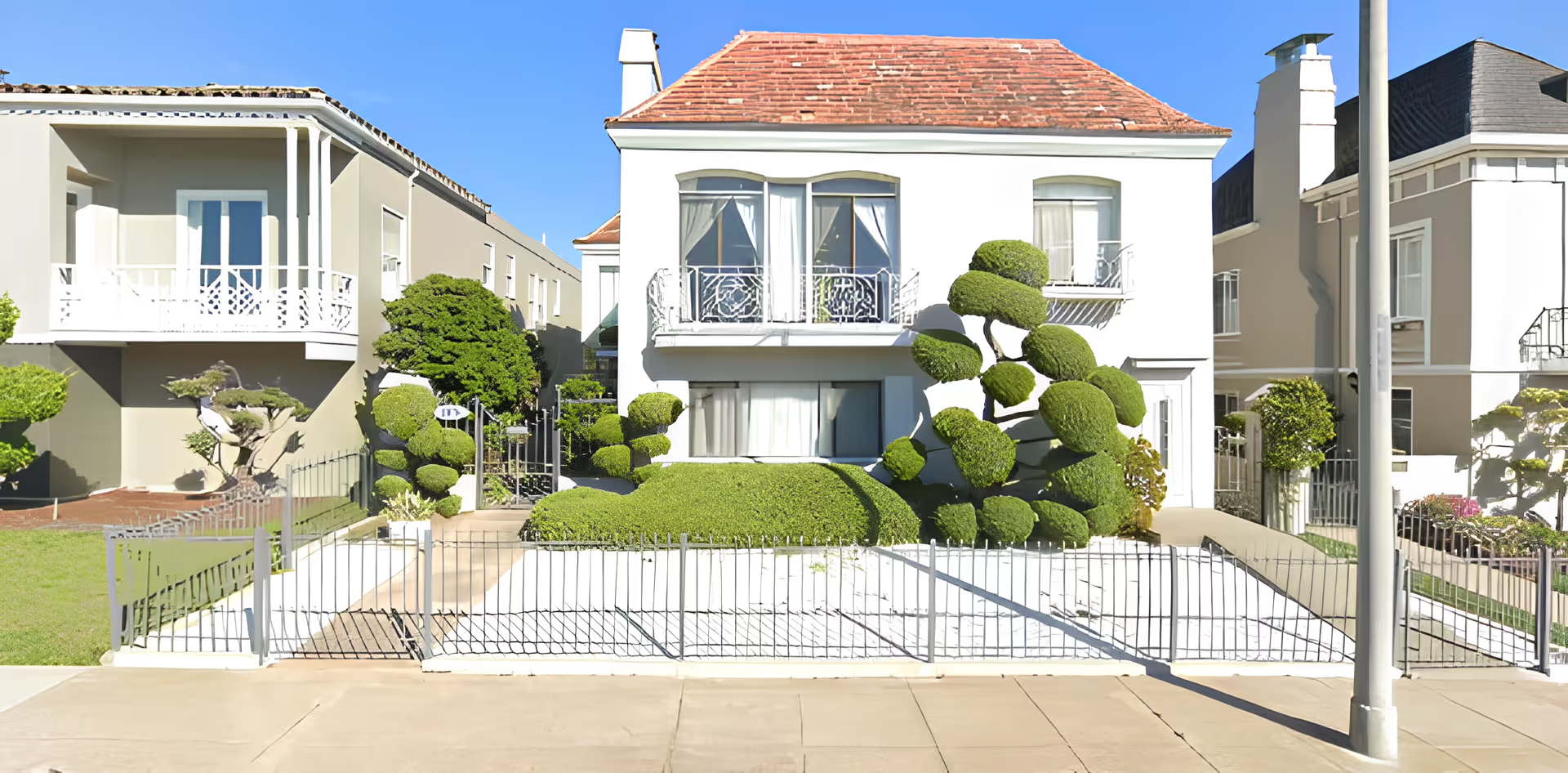
Facilities and logistics: The facility is described as clean and well-kept, with small, homey bedrooms that include safety features (radiant heated floors mentioned). The small scale contributes to more individualized attention and family involvement. Practical limitations reported include constrained onsite parking, busy street noise, small bathrooms with limited natural light in some rooms, and a garden whose access is restricted by the building layout. Private-room availability is limited in places, so prospective residents should confirm room types during a tour.
Management and notable patterns: Management and a central communications point are repeatedly praised for responsiveness, frequent updates, and family inclusion in celebrations and care decisions. Fee structure is noted as all‑inclusive but with increases as care needs rise; families should request clear, written guidance on how rates change with higher levels of care. While the dominant pattern is positive—emphasizing compassionate staff, strong programming, and solid clinical oversight—there are occasional, isolated negative accounts suggesting variability in staff professionalism and occasional care-coordination gaps for higher nursing needs. Prospective families should verify specifics about private-room availability, parking, outdoor access, and escalation pathways for more intensive nursing services during the tour and in the admission paperwork.
Bottom line: Providence Place appears to be a well-regarded, small-scale assisted living and memory-care option that emphasizes individualized, family-oriented care, strong activity programming, and quality dining. It is a particularly good fit for families seeking a homelike setting with active staff communication and dementia-capable services. Visitors should evaluate logistical factors (parking, room layout, private-room options, and fee escalations) and clarify processes for arranging higher-level nursing care before moving forward.