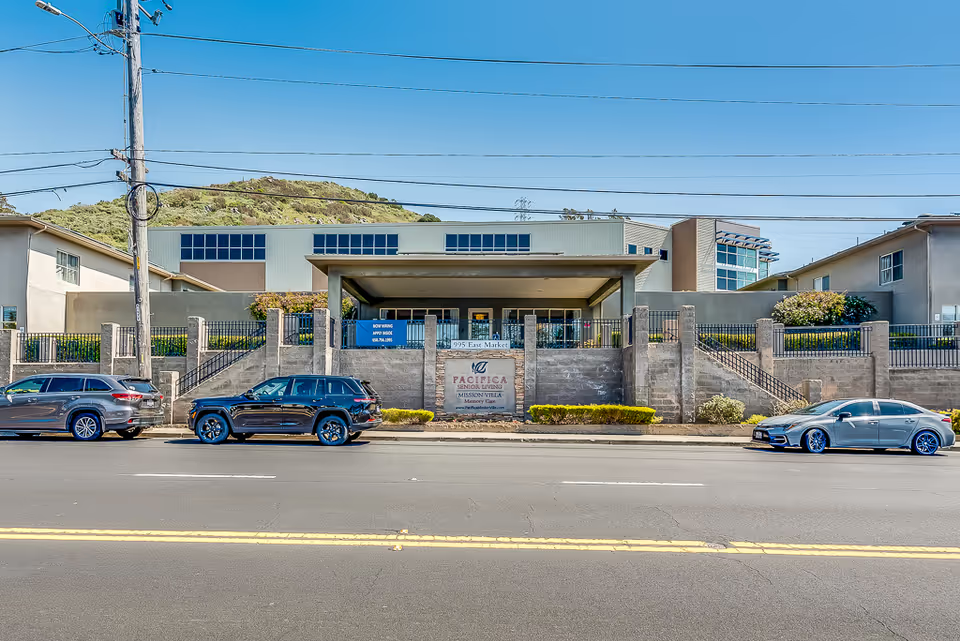
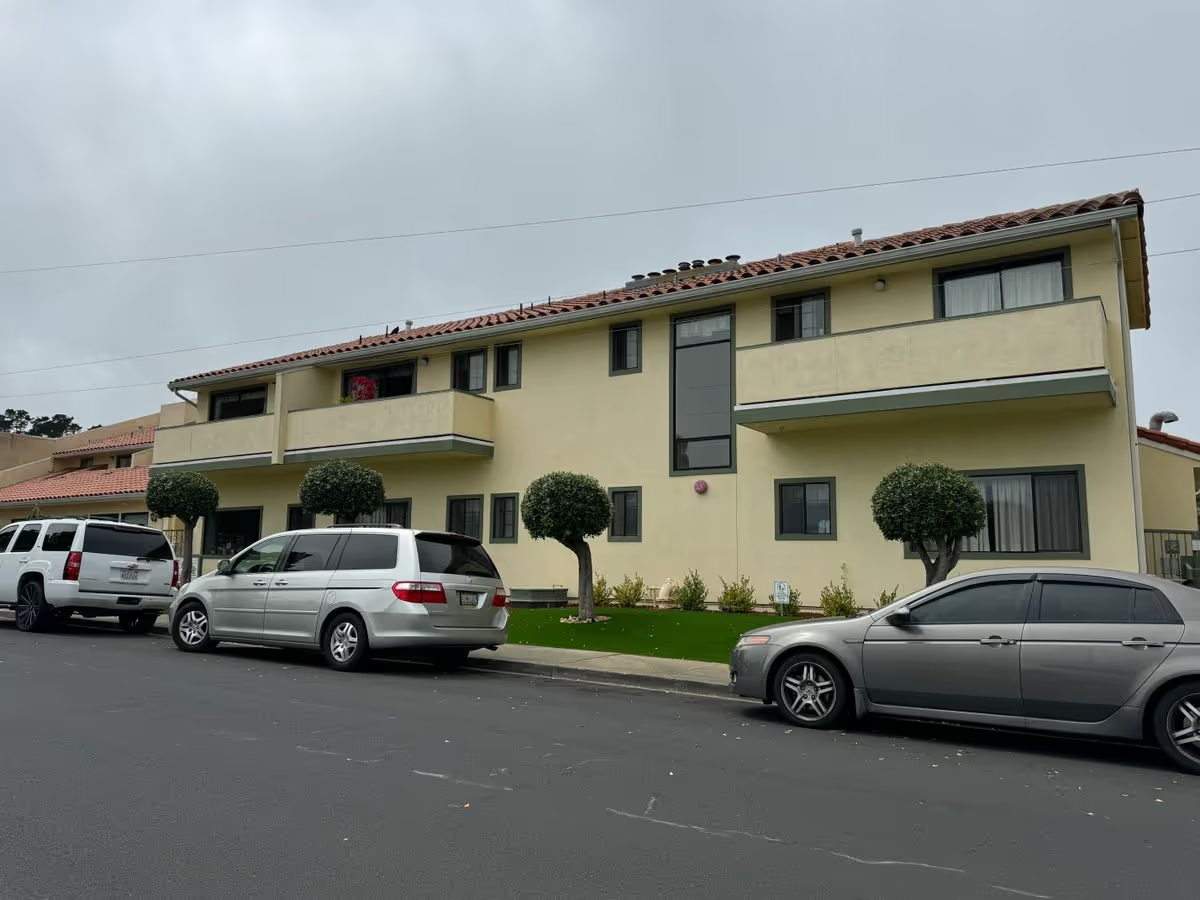
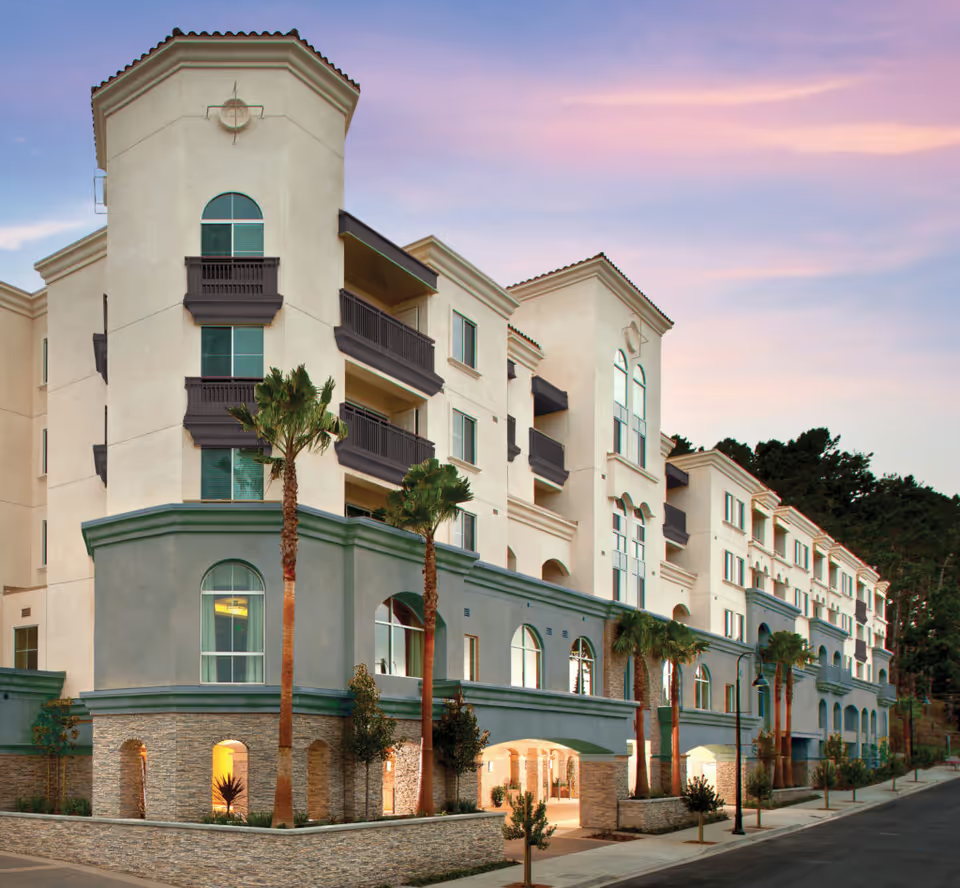
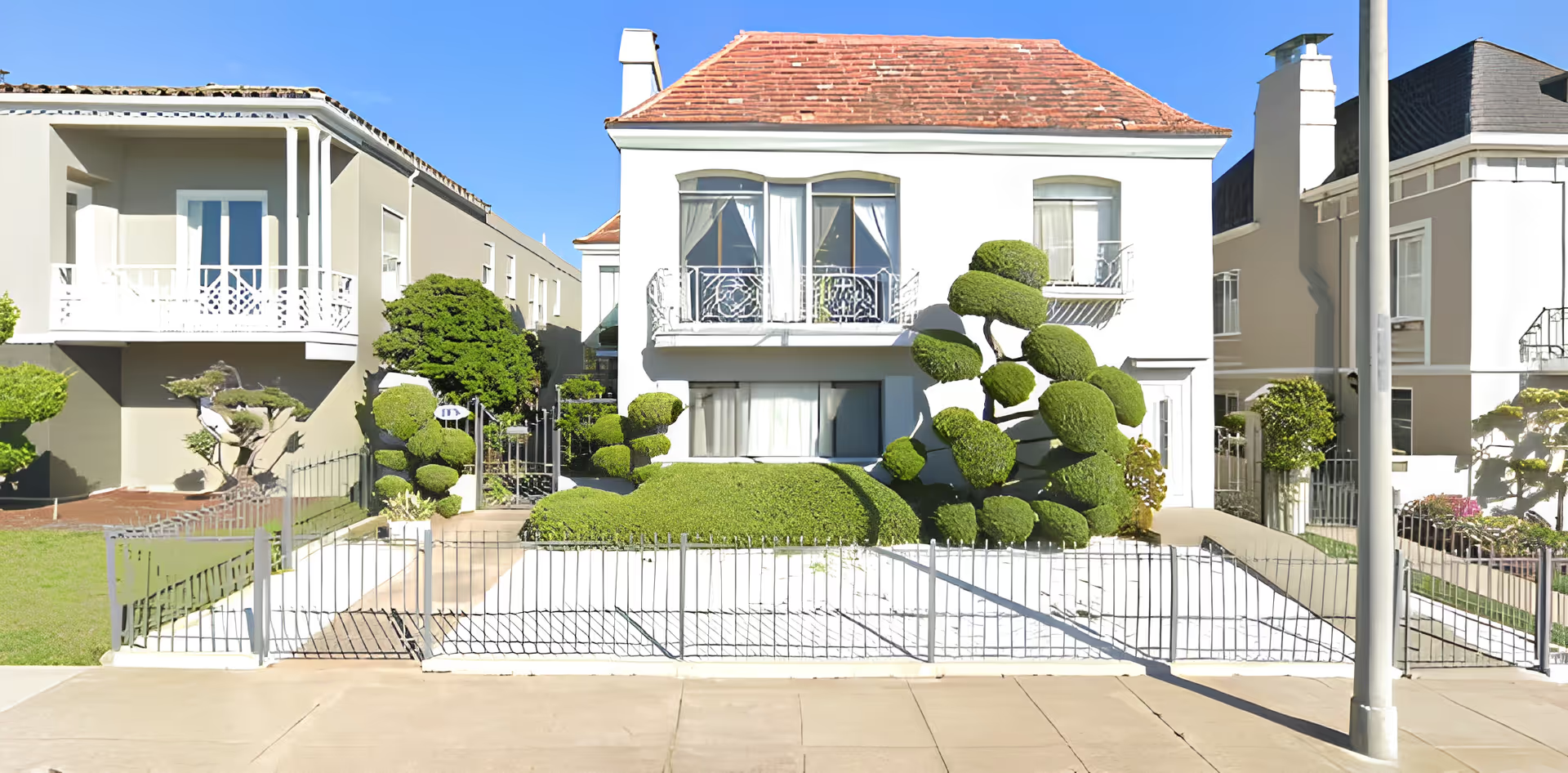
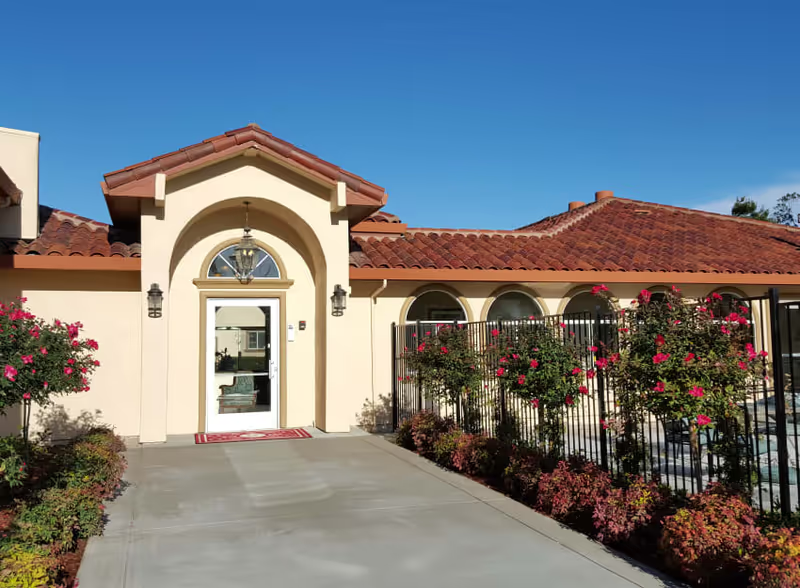
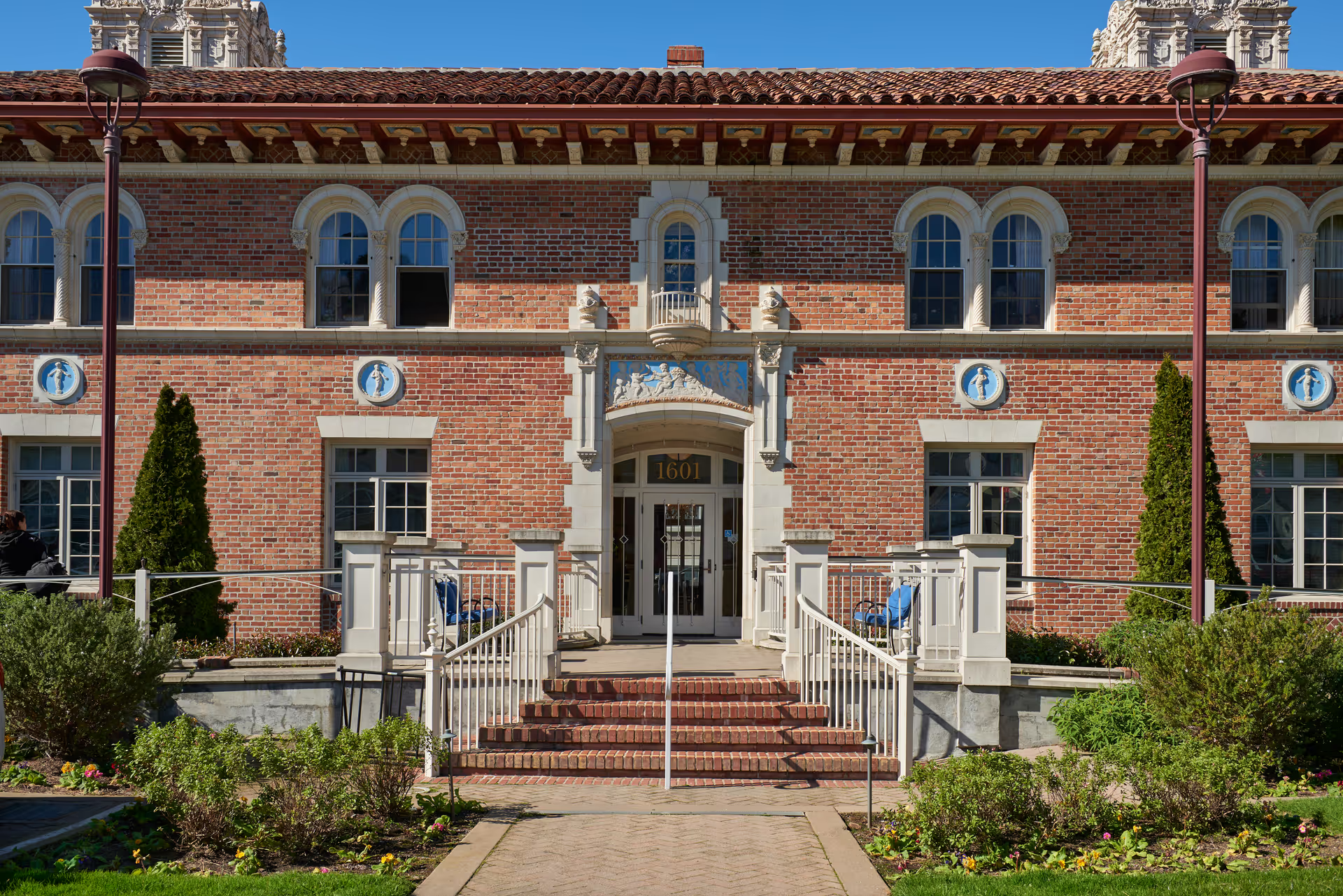
San Francisco Post Acute is described overall as a small, well-kept skilled nursing and rehabilitation facility with a strong emphasis on social programming and family communication. Many families praised the facility’s cleanliness, welcoming atmosphere, and visible infection-control measures. The admissions and administrative teams are frequently mentioned for proactive outreach and helpful discharge coordination, and social-work staff are noted for assistance with home equipment and post-discharge planning. The facility’s location in the Mission with nearby parking, smaller building size, and home-like communal spaces are commonly cited as positives.
Clinical care receives both commendation and criticism. Several reviewers described compassionate, attentive nursing and CNA care, and many families credited the facility’s rehabilitation team with measurable mobility gains and focused, home-directed therapy. At the same time, a recurring operational concern is inconsistent therapy delivery: some families experienced short sessions (e.g., 15–20 minutes) or therapy that was not provided daily, and others felt discharge occurred before sufficient functional readiness. There are also reports suggesting variability in day-to-day clinical responsiveness and attentiveness to resident needs; while some staff are described as going above and beyond, other accounts describe delays in care or uneven attention.
The activities program and communal life are frequently highlighted as strong features. Karaoke, themed parties, arts and music engagement, pizza-making, and large birthday celebrations contributed to reports of joyful residents and an active social culture. Reviewers singled out the activity director for leadership in programming, decor, and visitor screening. Food and hospitality receive generally positive comments for variety and warmth, though concerns about meal timing and occasional variability in quality appear in other accounts.
Facility condition and logistics show both strengths and limitations. Positive comments note a pleasant smell, spotless common areas, and good housekeeping; conversely, a subset of reviews point to inconsistent cleanliness, localized odor concerns, cramped room layouts, and noise issues (for example, early grounds maintenance) that can disrupt rest. Virtual-tour options and tablet/FaceTime engagement were useful for families during infection-control periods and for ongoing communication.
Management and communication are another mixed area. Many families praised proactive admissions staff, helpful nurses, and social workers who invest time coordinating care. However, other families described inconsistent managerial responsiveness, missed callbacks, and restrictive or unevenly applied visitation policies that created friction during stays. There are also serious, isolated allegations concerning administrative conduct; these are not the predominant narrative but warrant direct inquiry during a placement decision.
In summary, San Francisco Post Acute offers notable strengths in rehabilitation for many patients, a vibrant activities program, and a personable, family-oriented culture supported by dedicated admissions and social-work staff. Prospective residents and families should balance these positives against recurring operational issues: variability in therapy frequency and clinical responsiveness, occasional cleanliness or space constraints, visitation-policy inconsistency, and concerns about discharge timing. When considering this facility, ask targeted questions about therapy schedules and intensity, staffing ratios and coverage, visitation rules and exceptions, discharge-readiness criteria, and how management documents and follows up on family concerns.