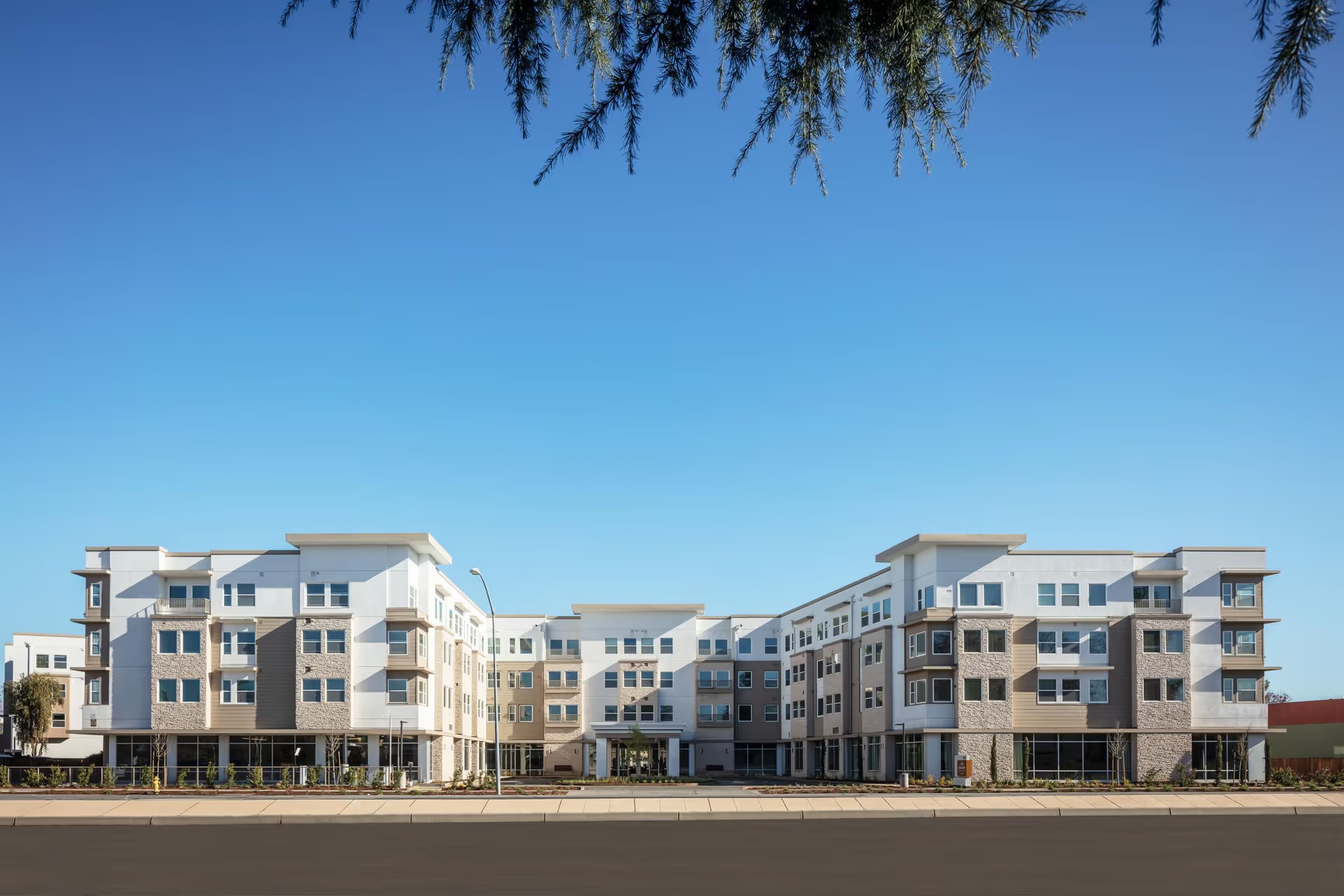
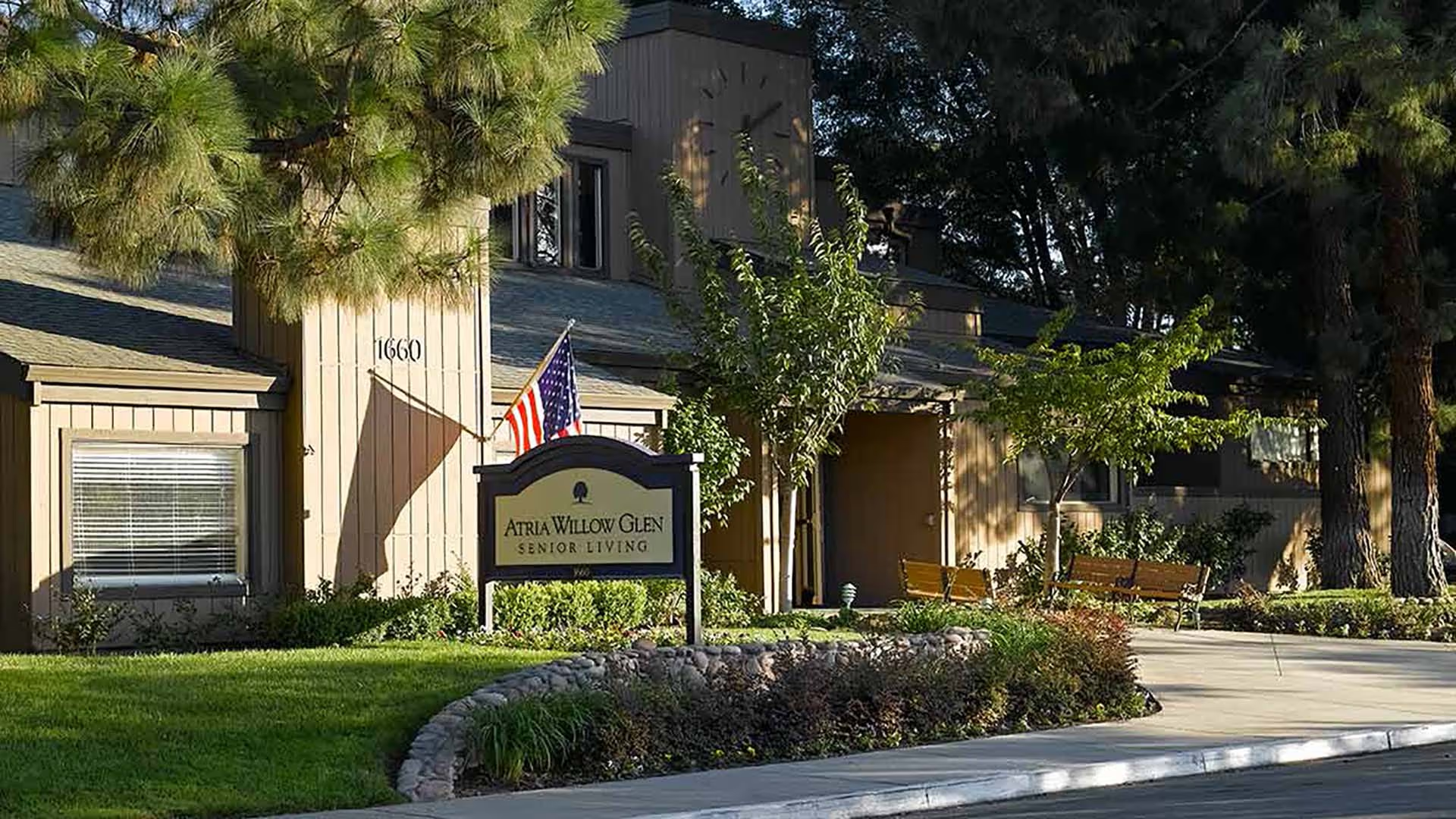
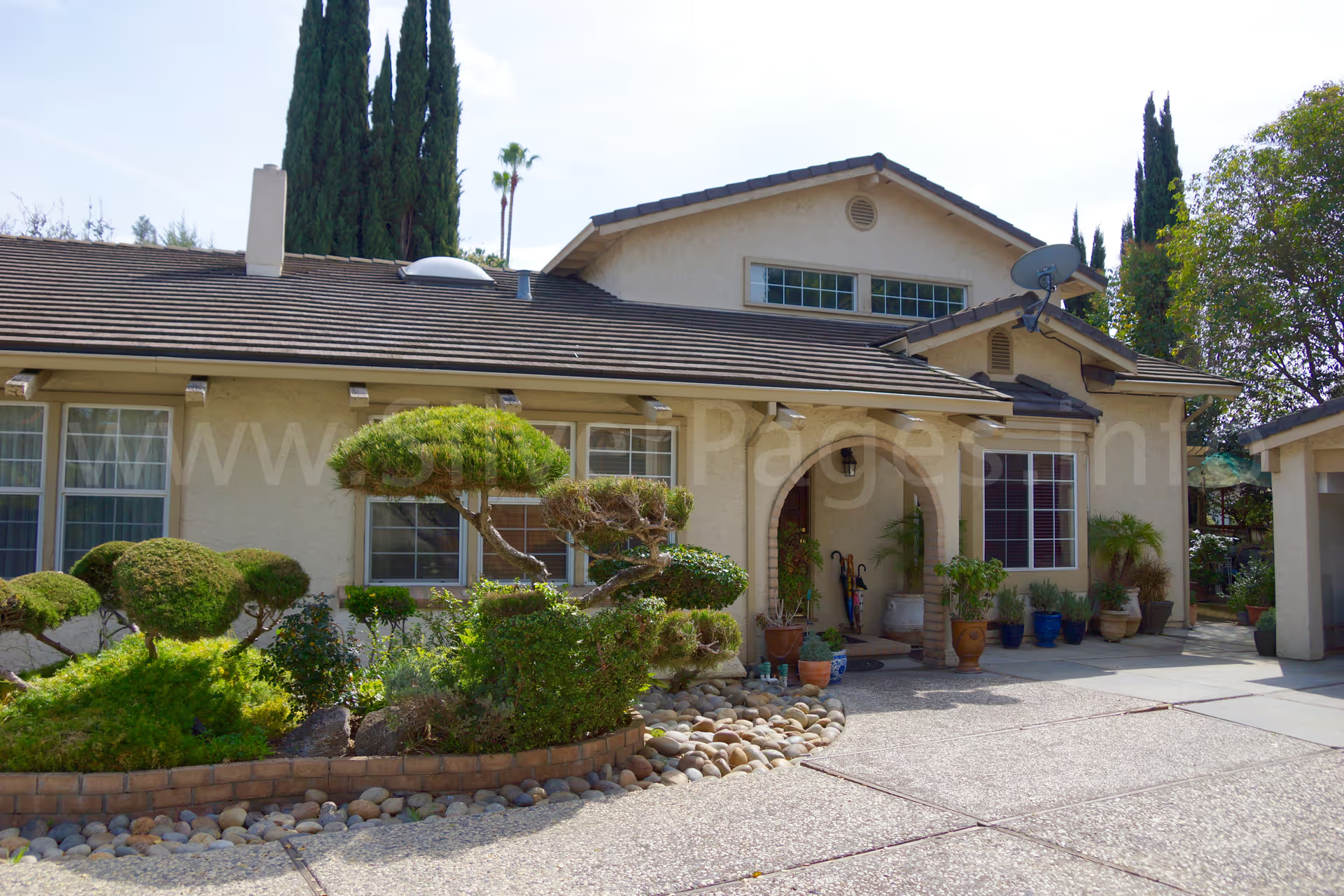
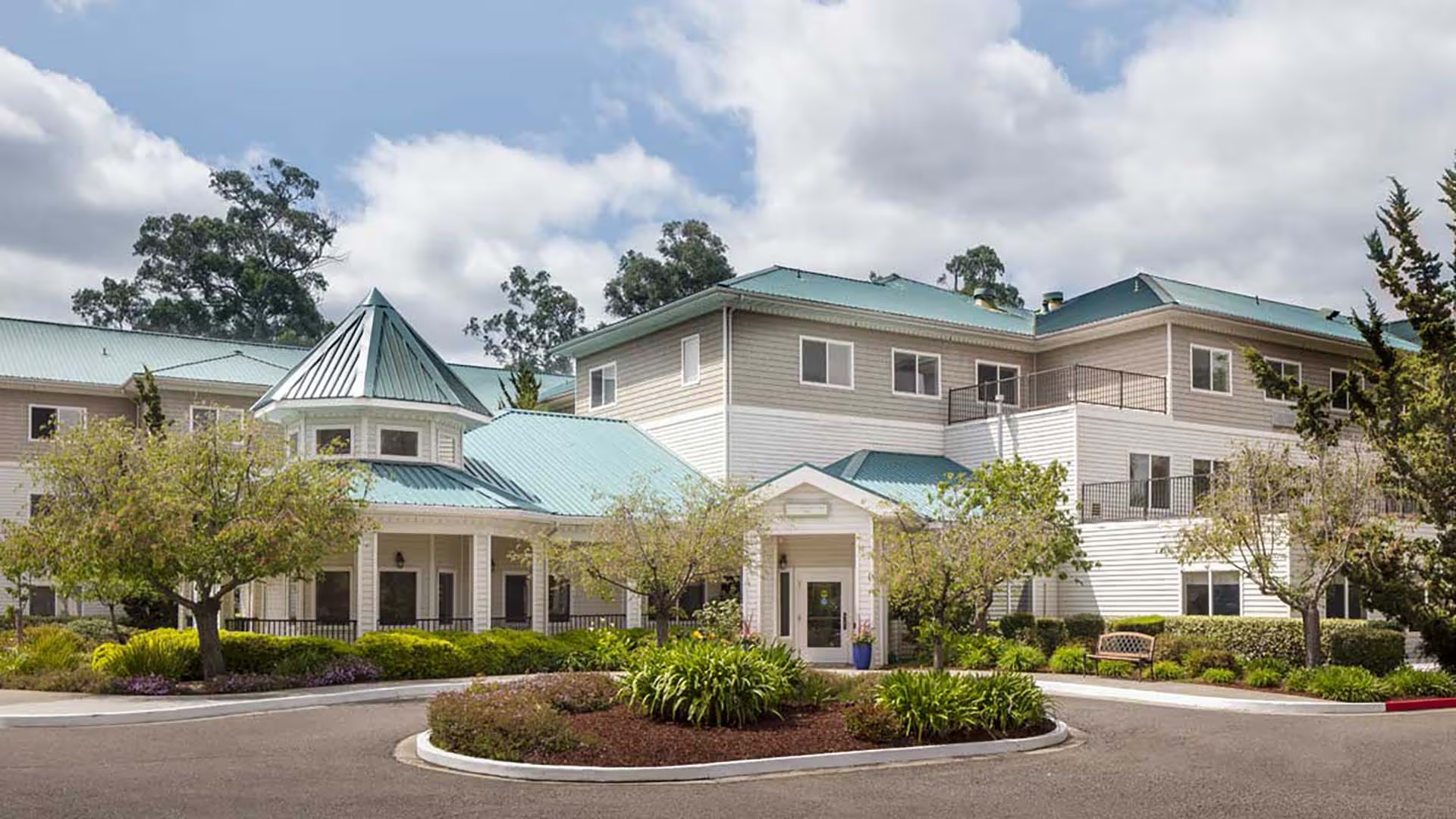
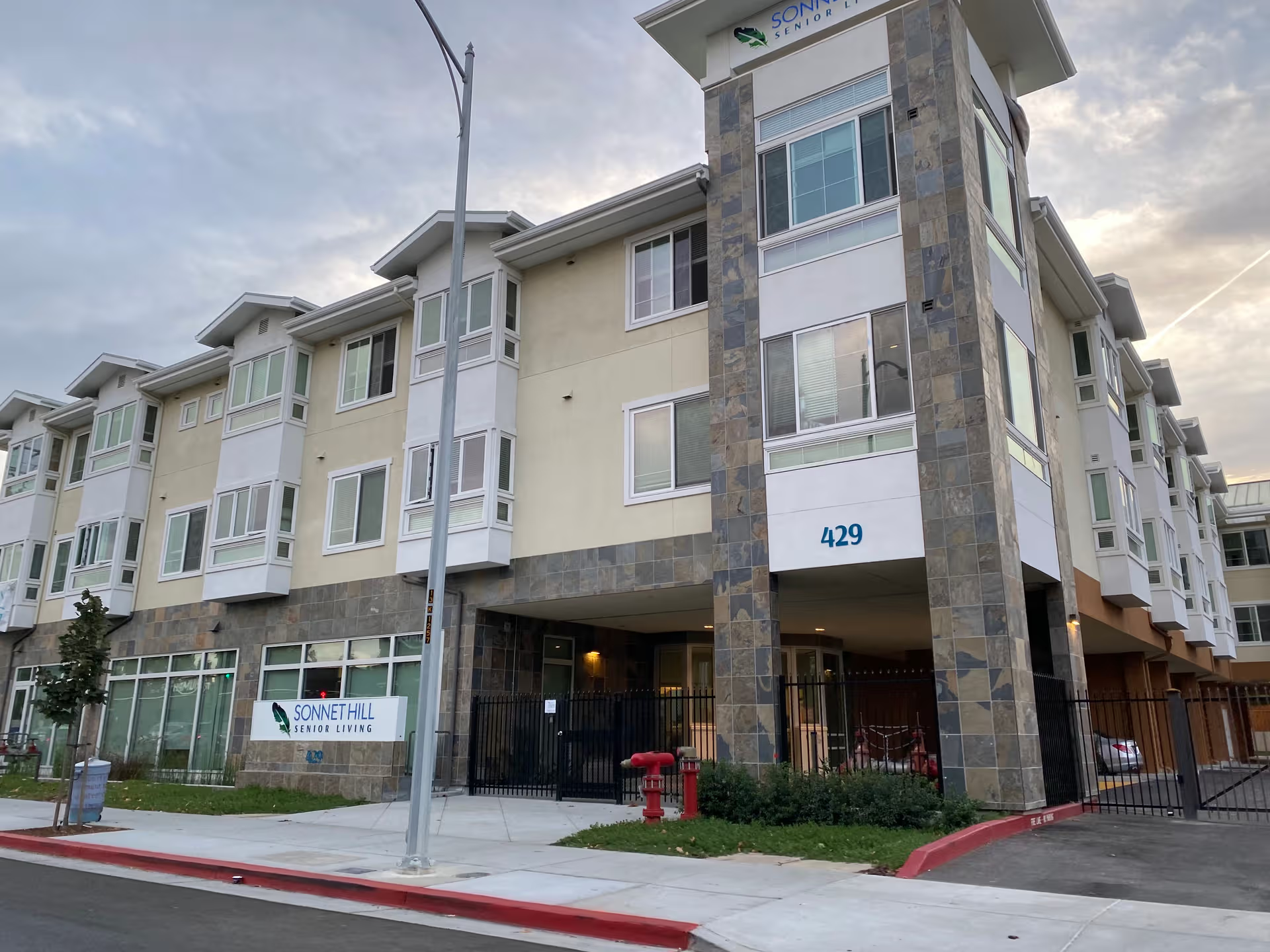
Overall impression: Carlton Senior Living San Jose presents a well-appointed, resort-like community with extensive common-area amenities and an active social program. Many observers praised the facility’s landscaping, theater, dining room, salon, library and multiple activity spaces. The property is frequently described as clean and attractive, and staff interactions are commonly characterized as warm, friendly and helpful. Residents and families who prioritized social engagement, therapy services and convenient location often reported a positive experience.
Care quality and clinical oversight: Feedback on clinical care is mixed. Several families highlighted strong physical-therapy programming and attentive caregiving staff; however, there are recurring concerns about supervision and clinical oversight for residents with cognitive impairment. These concerns include insufficient supervision during higher-risk periods, gaps in monitoring for certain medical needs, and variability in staff responsiveness—particularly on weekends or during busy shifts. There are also isolated billing and service-delivery inconsistencies raised (for example, charges for monitoring services that were not consistently delivered), which point to opportunities for clearer clinical workflows and billing transparency.
Staff and management: Staff are frequently described as friendly, personable and engaged with residents; tour staff and directors received specific praise for helpfulness and responsiveness. At the same time, reviewers noted operational and management issues such as scheduling delays, long waits during busy entry times, miscommunications between staff and families, and perceived lack of follow-through on some family concerns. These patterns suggest competent frontline staff but occasional gaps in managerial oversight and communication systems.
Dining and activities: Dining is generally seen as a strength — many reviewers praised the quality, presentation and menu variety, noting restaurant-like dining areas and multiple menu choices. The activities program is consistently highlighted: regular social events, arts and crafts, gardening, outings, exercise classes, music, theater viewings and bingo contribute to an active daily life for residents. Families seeking a socially rich environment with therapeutic programming and frequent group events will likely find these offerings appealing.
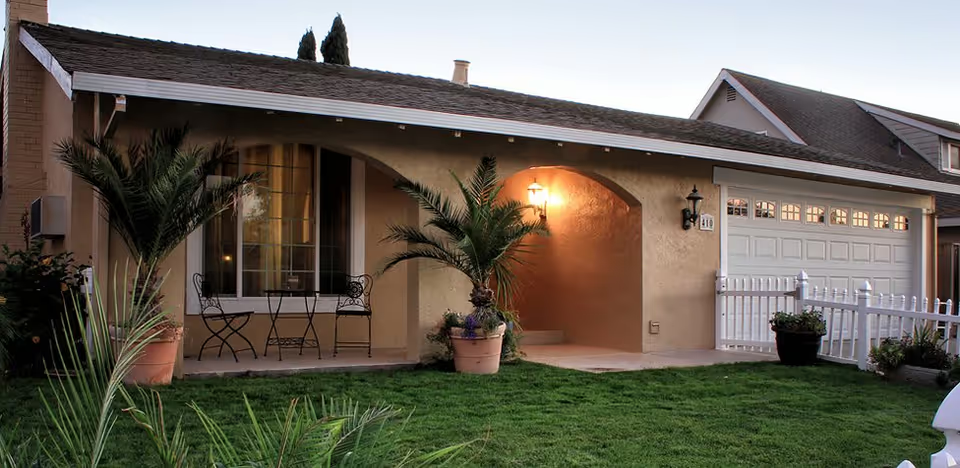
Facilities and accommodations: The community’s shared spaces and amenities are highly rated, but private accommodations draw mixed feedback. Studios and one-bedroom apartments are frequently described as clean and attractive but smaller than some families prefer; limited private outdoor space or balconies is a recurring theme. There are also comments about limited availability of larger units and long wait times for one-bedroom apartments, which may affect placement planning.
Notable patterns and recommendation framing: The overall pattern is of a well-resourced, activity-focused community with strong interpersonal staff strengths and attractive common areas, balanced against operational challenges around staffing consistency, memory-care supervision, communication and fee transparency. Prospective residents and families should consider an in-person assessment focused on clinical staffing ratios (especially for memory-care needs), specific unit sizes and layouts, contract and fee details (including any monitoring fees), and management communication processes. If cognitive impairment or high personal-care needs are central concerns, families should request detailed explanations of supervision protocols, staffing levels across shifts, and examples of how the community manages medication monitoring and care coordination.