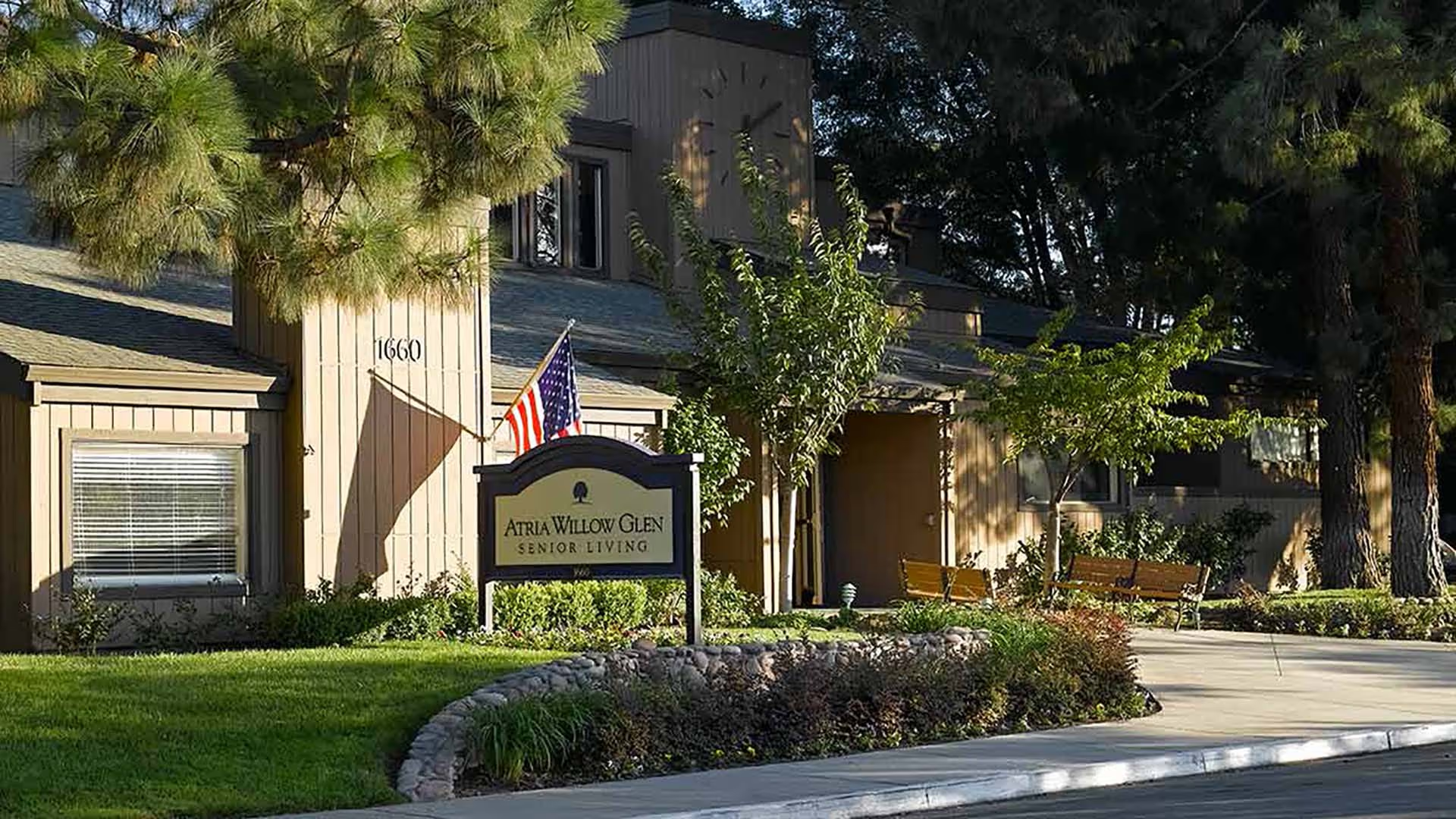
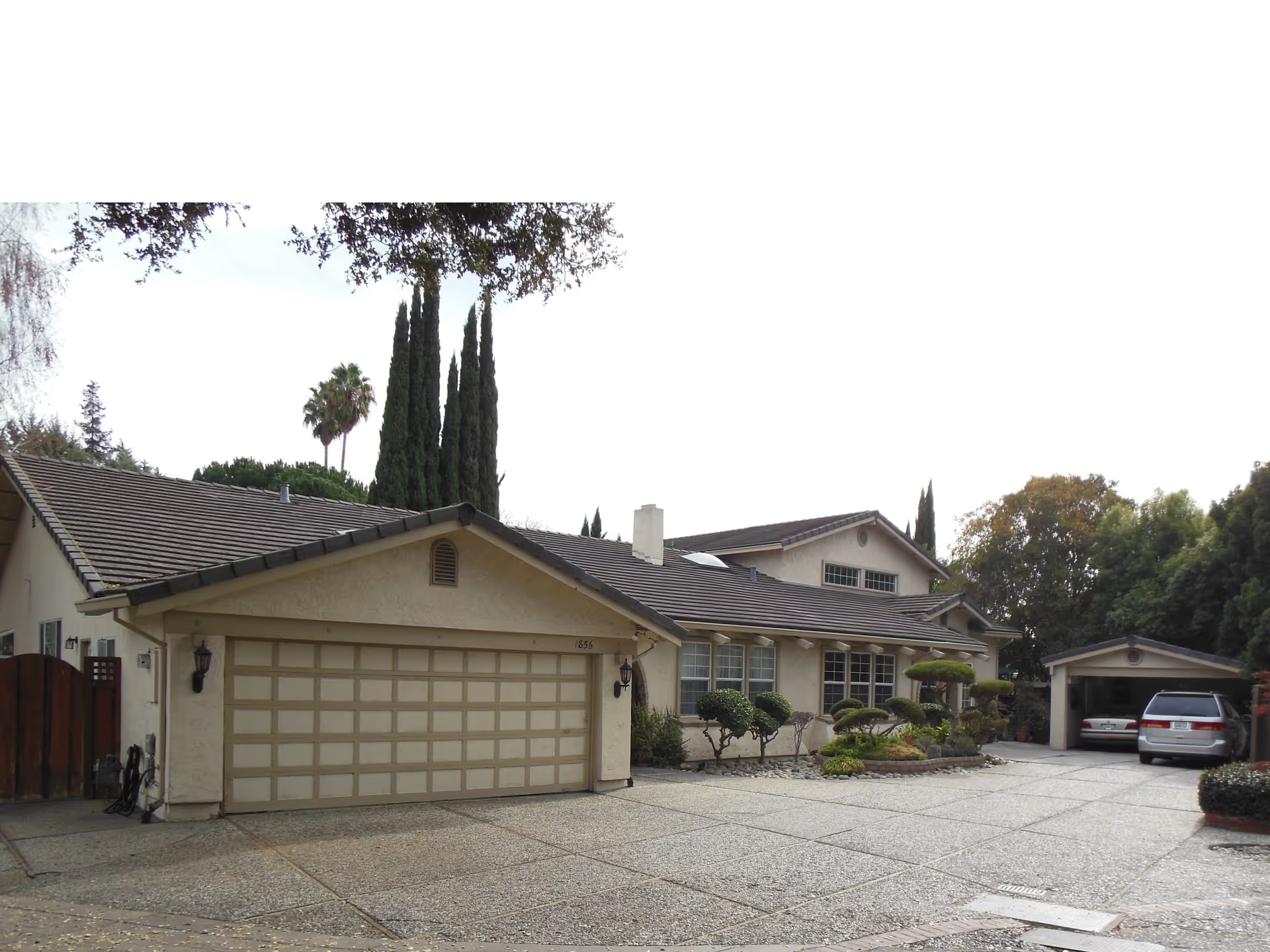
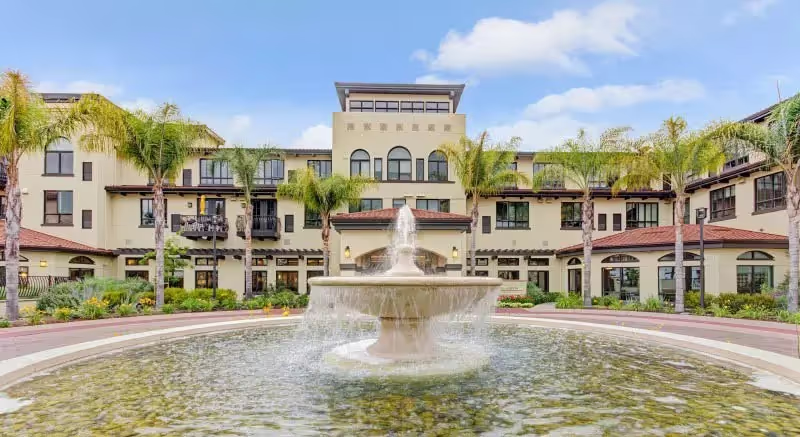
Overall impression: Sonnet Hill Senior Living is presented as a small, new, boutique assisted living and memory-care community with a consistently positive culture. Reviewers emphasize a warm, welcoming atmosphere, thorough move-in support, and a staff that is frequently described as kind, attentive, and experienced. The facility's design and upkeep are repeatedly noted as attractive and well maintained, and the community markets itself as pet-friendly and family-oriented.
Care and staff: The facility appears to emphasize personalized care — reviewers cite individualized care plans, one-on-one attention, and 24-hour nursing with medication management. Aides and nurses are characterized as well trained and compassionate; families comment on smooth transitions and helpful coordination with outside providers. Leadership and staffing continuity are often highlighted as strengths. At the same time, there are operational concerns to be aware of: reviewers describe intermittent delays in responsiveness and occasional lapses in professionalism or communication tone. Those patterns suggest prospective families should ask about staffing levels, response protocols, and communication practices during a tour.
Dining: Dining is a visible part of the community identity. Many reviews praise the food, noting restaurant-style service, homecooked options, variety, and special events such as chef meet-and-greets and holiday meals. A number of families found the meals impressive and varied; others indicated that particular menu days did not match a specific resident's home-style preferences. This points to generally strong culinary offerings with some variability in individual taste alignment.
Activities and social life: Activity programming is robust for a small community and includes themed weeks, dancing, exercise groups, bingo, arts and crafts, movie and exercise rooms, and family luncheons. Residents and families frequently describe a family-like social environment and enthusiastic activity staff. Limitations noted include the smaller resident population reducing the breadth of peer interactions for some individuals, and participation barriers for residents with significant motor impairments — in those cases, activities may require adaptation or additional staff support.
Facilities and management: The building is consistently described as new, clean, and well kept, with private bedrooms available in shared units and helpful maintenance and housekeeping services. The community is positioned as offering good value for the level of assisted living and memory-care services provided. Reviewers caution that the facility may not be appropriate for those who require higher-acuity nursing care beyond assisted living-level services, so clarity on clinical scope and transfer protocols is important. Management is generally portrayed as engaged and supportive, with low staff turnover; however, isolated incidents of poor customer-service interactions were described, indicating variability in front-line conduct.
Notable patterns and decision points: The dominant themes are strong interpersonal care, active programming, attractive facilities, and effective move-in support. Trade-offs include the small-community scale (which some families find ideal and others find limiting), occasional responsiveness or communication issues, and potential limits in clinical intensity of care. Prospective residents and families should confirm staffing ratios, clarify the facility's maximum clinical capability, sample the dining program, observe activity engagement, and ask about how the community accommodates residents with mobility limitations or specialized needs.