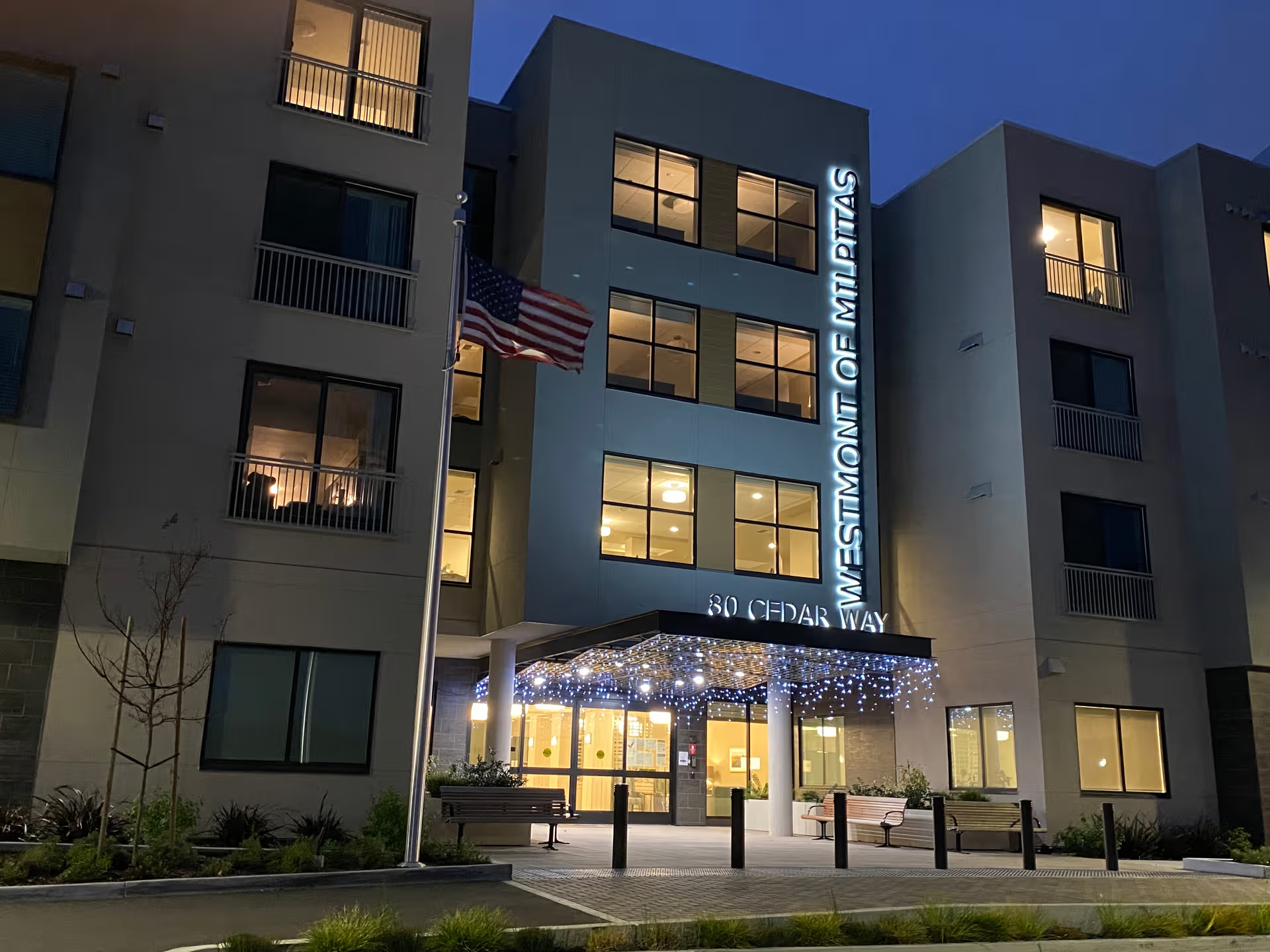
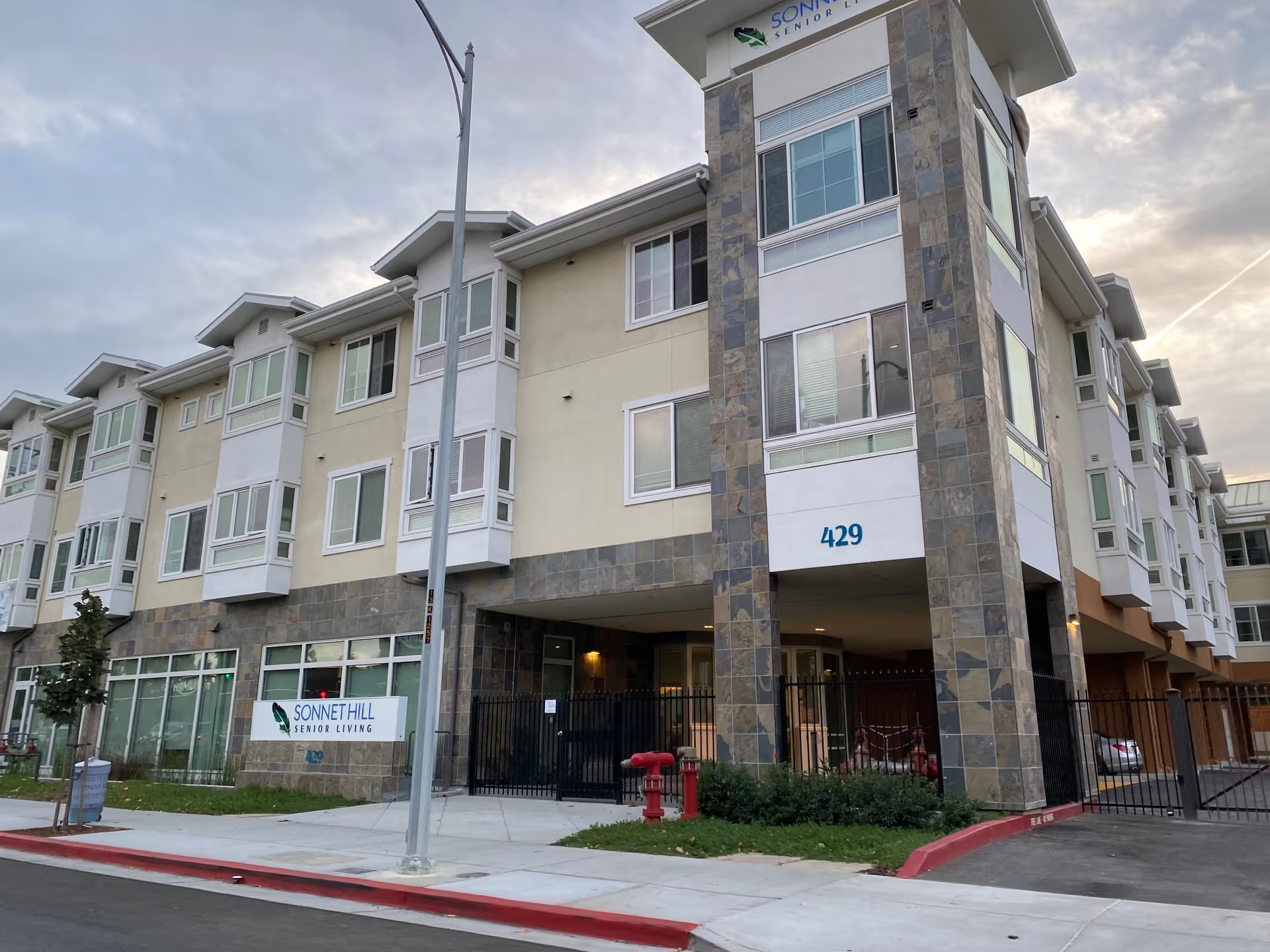
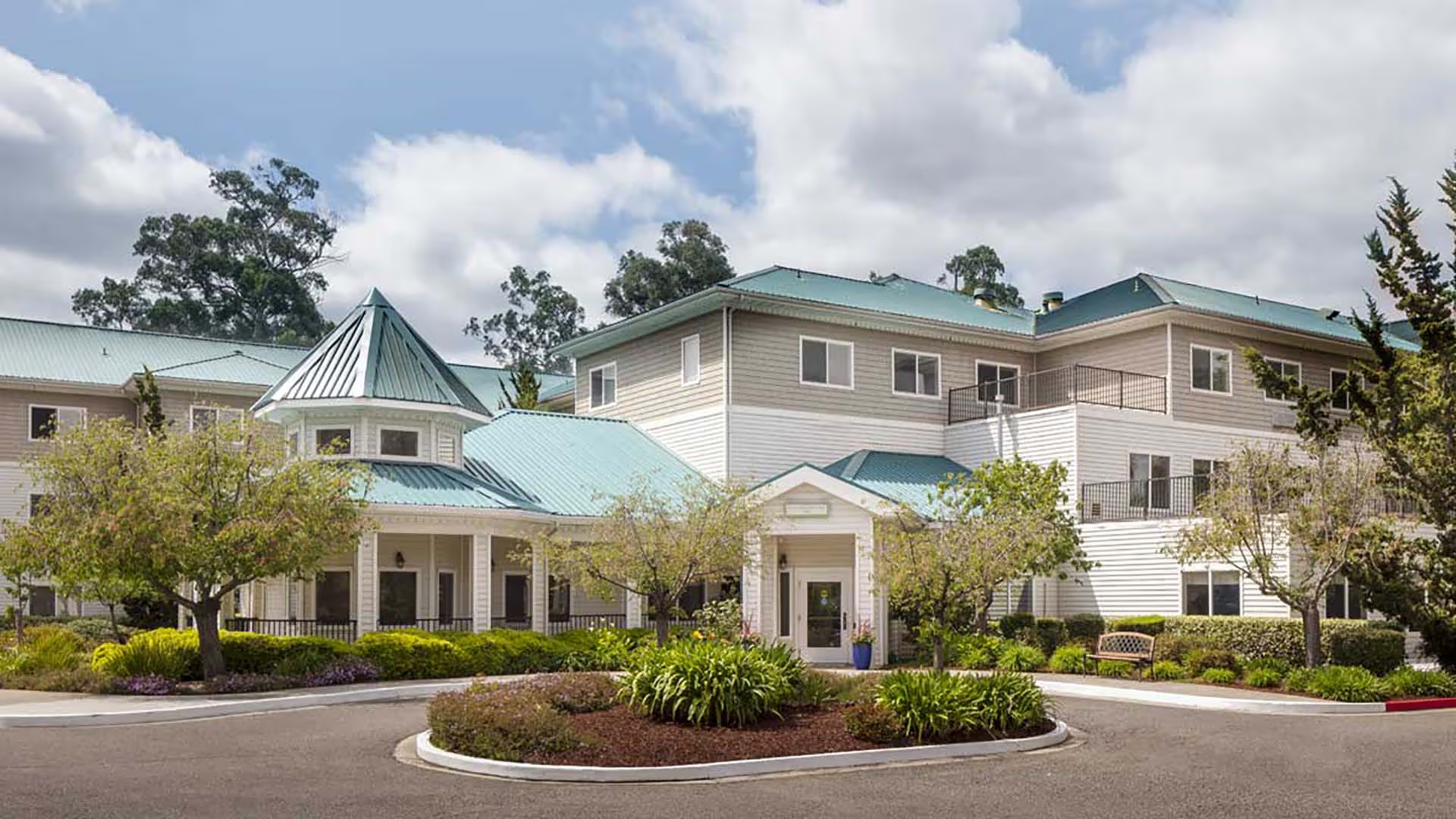
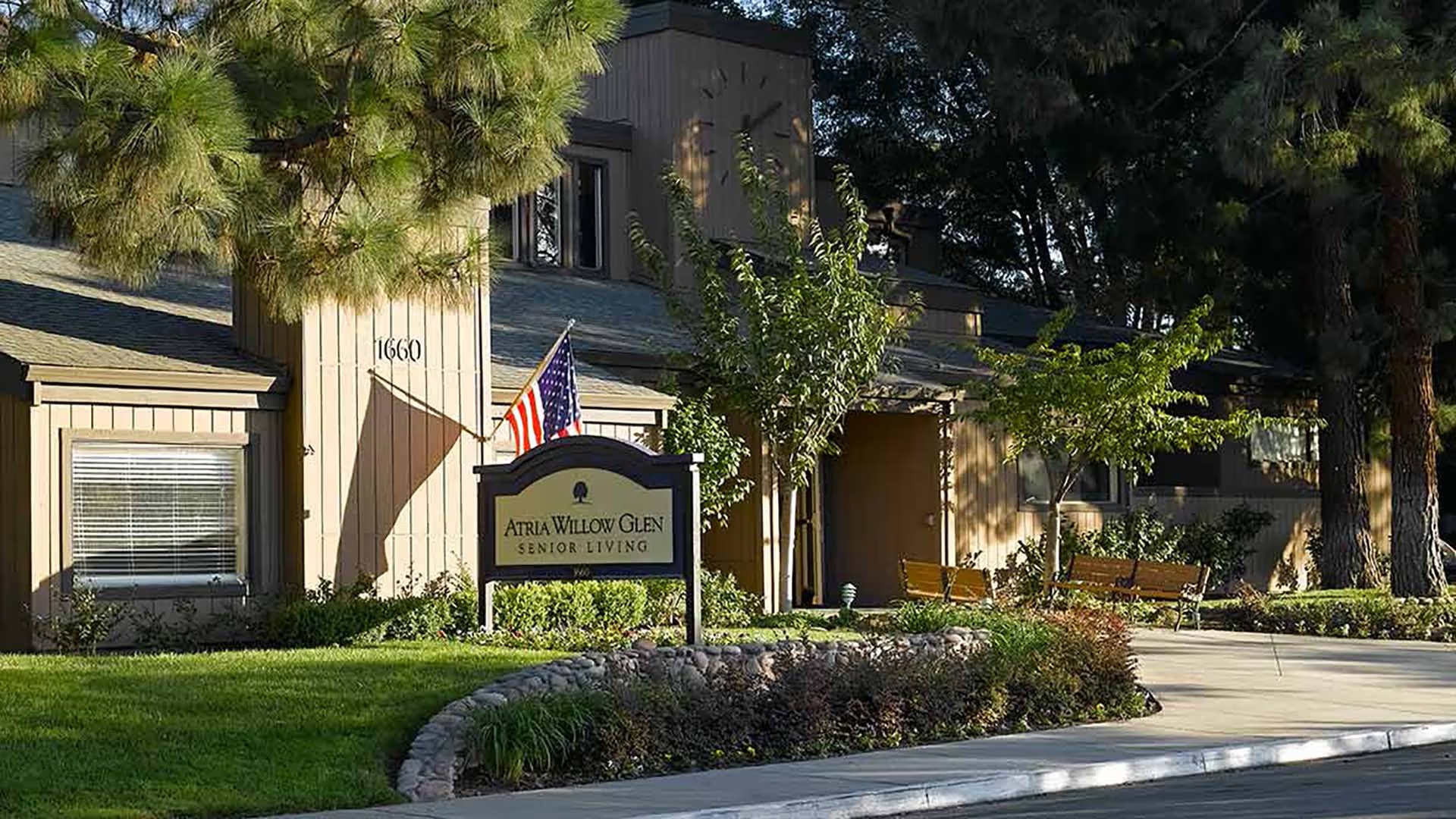
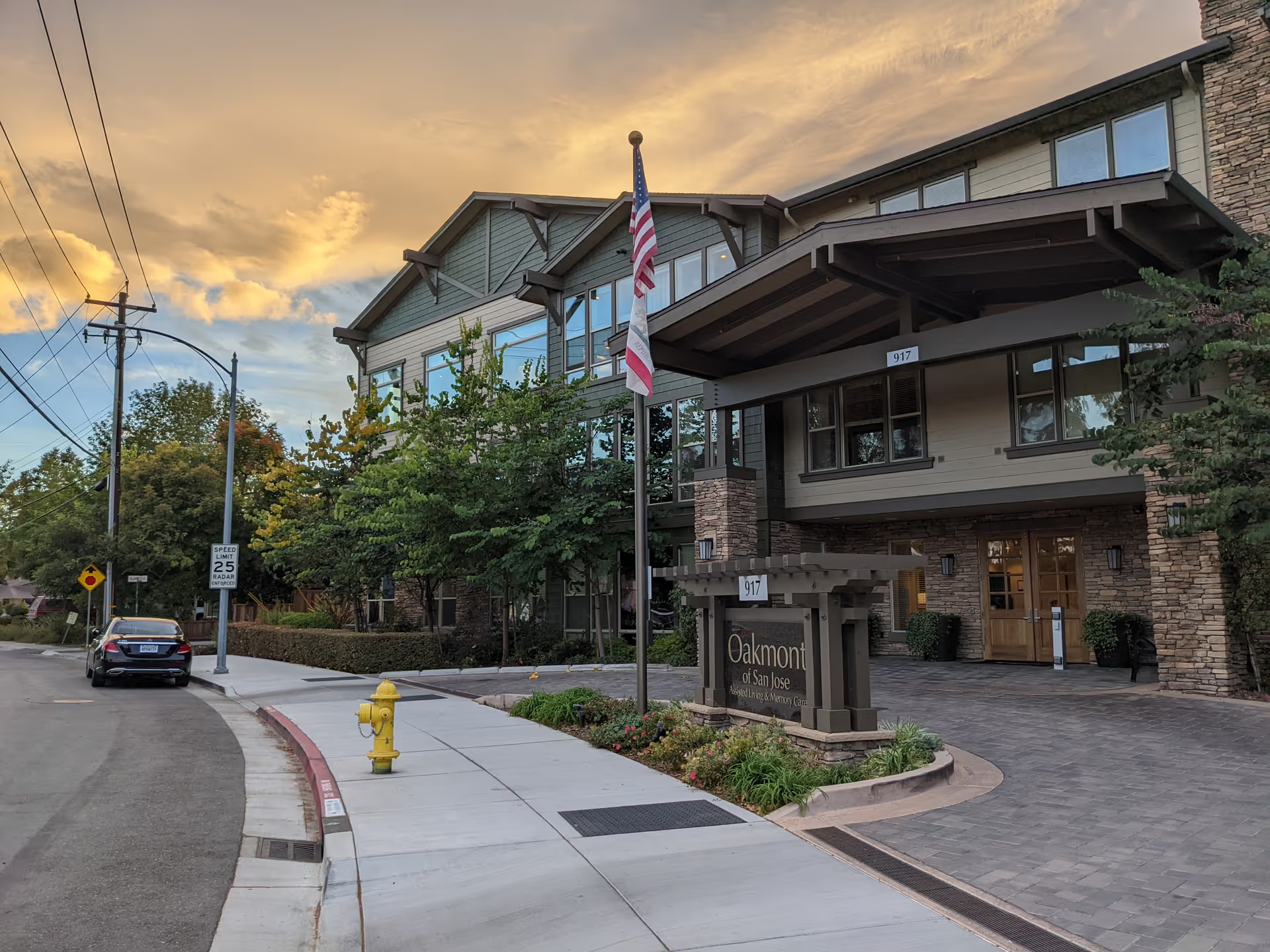
Overall impression: The facility is described predominantly as clean, bright, and professionally managed, with many families citing a welcoming, hotel-like atmosphere. Infection-control processes and visitor screening are consistently noted as organized and thorough. The physical environment (dining rooms with views, a family room, TVs in rooms, and communal recreation spaces) and attention to sanitation contribute to a generally positive first impression.
Care and staff: Reviewers consistently praise the quality of hands-on care — nurses, CNAs, and therapists are characterized as compassionate, attentive, and recovery-focused. The rehabilitation program and physical/occupational therapy teams receive particular commendation for encouraging progress and delivering measurable outcomes. Leadership and front-desk staff are described as professional and organized. That said, a pattern of inconsistent communication emerges: families report delayed call-backs, occasional blunt or curt staff interactions, and variability in follow-up after clinical events. A small number of reviews raised serious concerns following a resident's death; these accounts highlight potential gaps in clinical-incident response and family communication that prospective families should clarify when evaluating the facility.
Dining and activities: The facility offers varied meal choices and appears willing to accommodate individual preferences and visitor dining. Snack availability and visitor-friendly kitchen arrangements were noted positively. The activities program is active and diverse — examples include morning exercise, bingo, chair yoga, arts-and-crafts, movie nights, music/piano, ping-pong, salon services (haircut/shave), and spiritual support — which many families found engaging and helpful to resident morale.
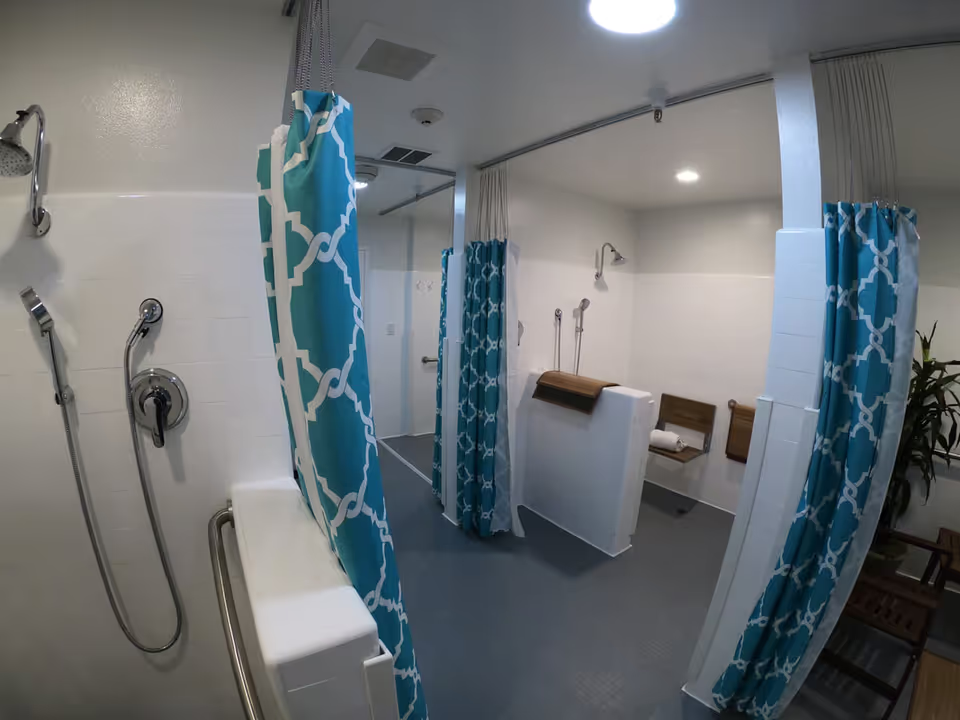
Facilities and operations: Physical facilities are described as well-maintained, bright, and comfortable. Rooms are often two-bed with individual TVs and a single shared bathroom; this arrangement provides social connection but limits privacy for some residents. Security and check-in procedures (including temperature/COVID screening and mask availability) are established. Operational weaknesses that recur across reviews include administrative or bureaucratic delays (notably around discharge processing), occasional misplacement of belongings, and at least one mention of outdated documentation or compliance concerns. Parking availability is limited, which may affect visitors.
Patterns and recommendations: The dominant strengths are clinical rehabilitation, cleanliness, and a generally compassionate staff. The dominant operational issues relate to inconsistent communication, episodic professionalism, and administrative/process gaps. Prospective residents and families should tour the facility, ask specifically about communication protocols (call-back timelines, incident reporting to families), room-privacy options, discharge procedures, and documentation/compliance practices, and request examples of how the facility handled recent clinical incidents. These focused questions can help confirm whether the facility's strong clinical and environmental attributes align with a family's priorities and expectations.