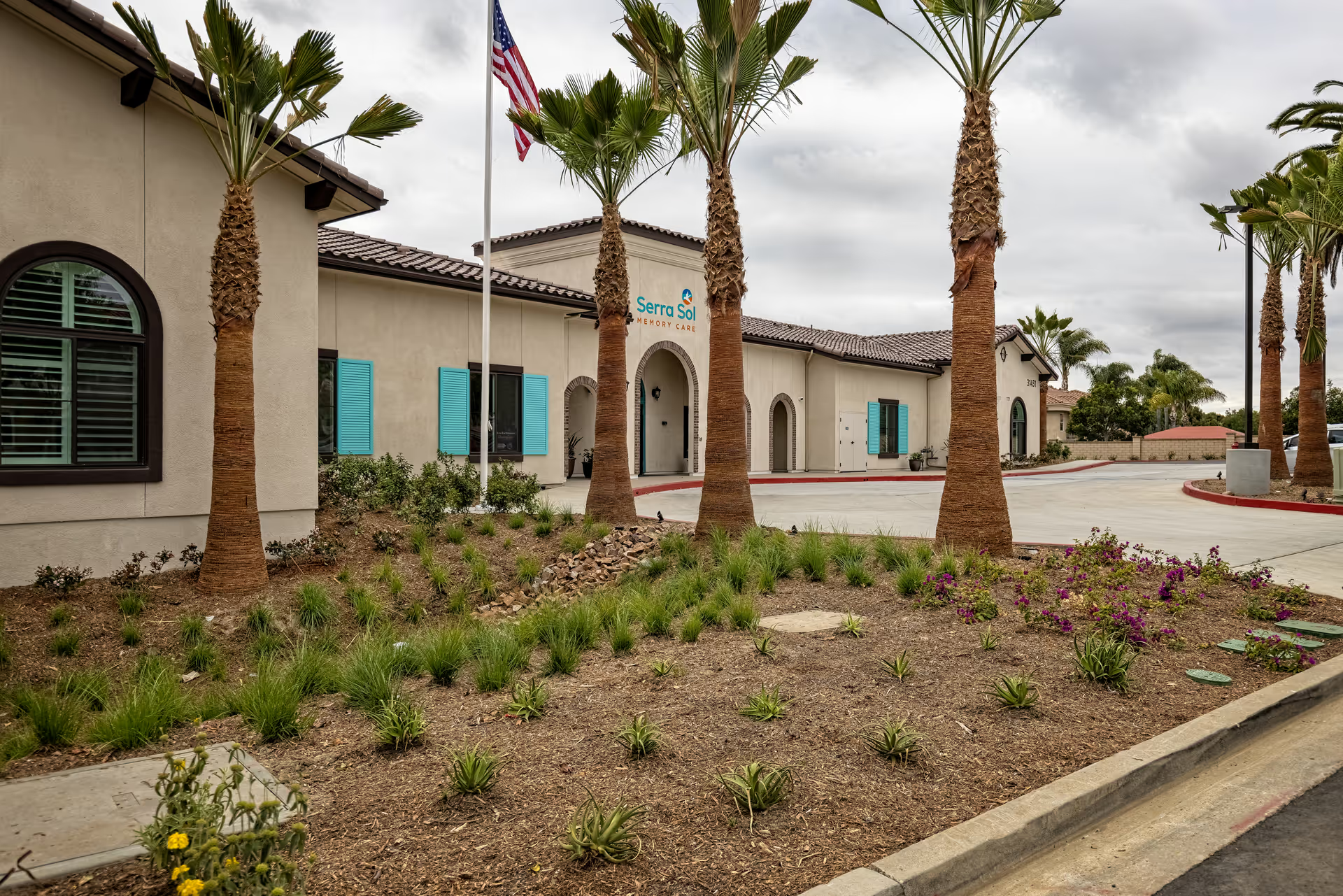
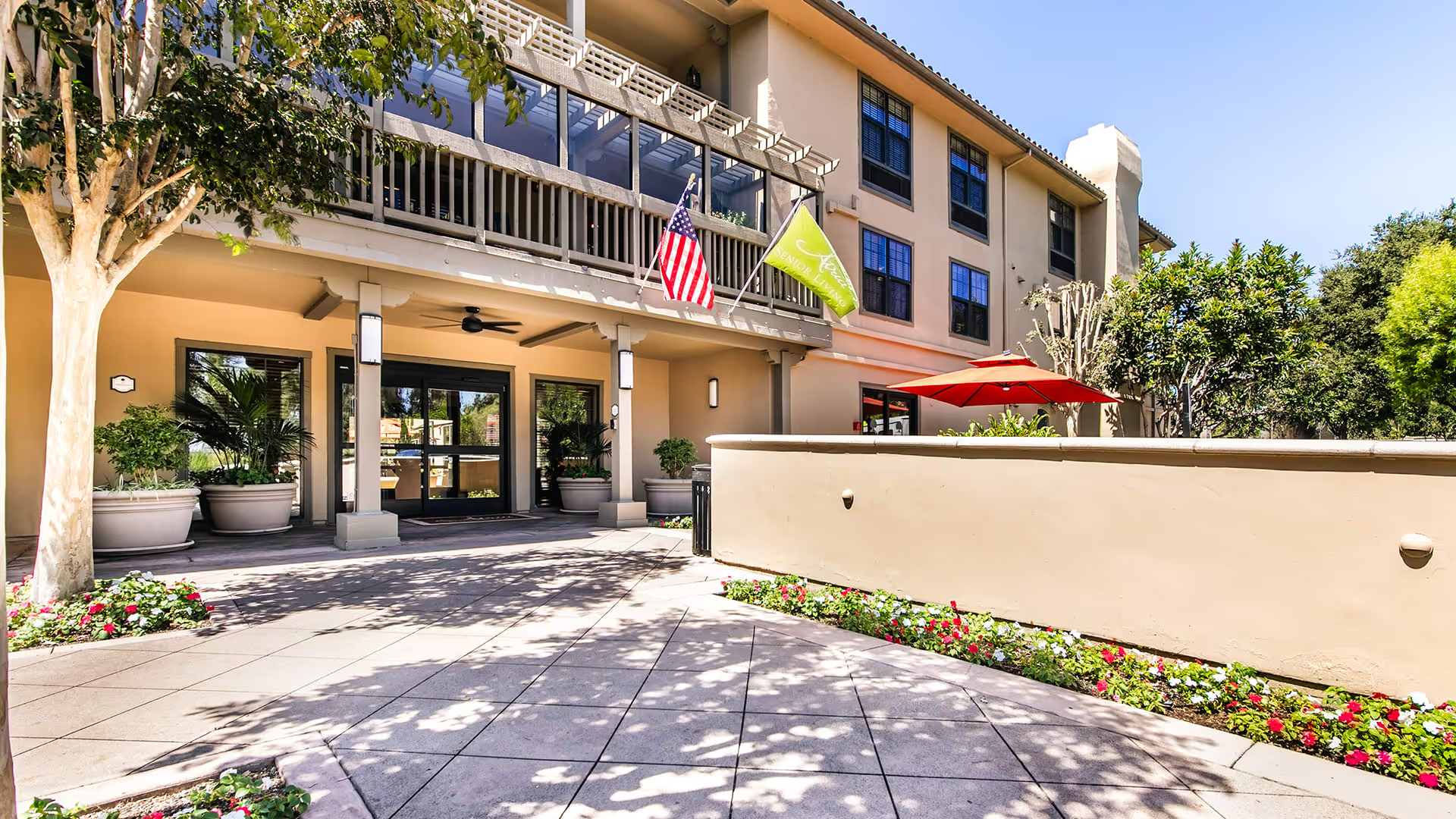
Silverado San Juan Capistrano presents a mixed picture for prospective families. On the positive side, the community offers a purpose-built memory-care environment with dementia-focused design elements, cognition-based dining rooms, and a strong complement of activities — from live music and creative arts to gardening and social events — that many residents and families find engaging. The facility’s physical environment is frequently described as clean and well maintained, with a single-floor layout, a central courtyard, walking paths, gardens with labeled plants, aviaries/animal areas, and pet-friendly policies that support animal-assisted interaction.
Clinical and caregiving strengths are reported as well. Numerous accounts describe compassionate, familiar caregivers, consistent nursing and med-tech presence, personalized care plans, transition-support personnel, and rehabilitative services that have helped residents regain mobility. Staff are often praised for warmth, clear communication with families, and efforts to maintain dignity in daily routines. The on-site kitchen and chef-driven dining program, multiple bistros, and all-day dining format are commonly cited as strengths; several families also highlighted special events, baking/country kitchen activities, and robust social programming.
However, the reviews reveal recurring operational concerns that prospective residents should evaluate. There are consistent statements about inconsistent personal-care delivery, including delays or long intervals between showers and hygiene-related management issues tied to shared restroom setups; these point to scheduling and sanitation-control weaknesses. Medication-management concerns appear repeatedly, including pressure to change medications and questions about prescribing practices. Some families also expressed the view that clinical decisions can be influenced by billing or revenue considerations. Billing practices themselves are a frequent pain point: the community’s pricing is positioned at the premium end of the market, and several families described extra-fee practices (for example, incontinence-product charges and requirements tied to one-on-one care) that can materially increase monthly cost; there are also allegations about diagnostic evaluations being used to justify additional charges.
Staffing and administrative patterns are mixed. Many reviews praise attentive caregivers and engaged leadership teams, but others describe periods of understaffing, delayed caregiver response times, and indicators of staff burnout or turnover that affect continuity of care. There are also remarks about limited on-site physician presence, with a reliance on on-call medical coverage, and some families noted gaps in communication around medical events. The physical layout and amenities are widely liked, yet limited private-room availability means some residents are placed in shared accommodations that can create privacy or workspace constraints (for example, single-sink shared arrangements). Additionally, there are operational concerns such as parking shortages, occasional odor concerns in certain areas, inconsistent pet-safety management when animals roam, and activity programming that may not always be well adapted to very small groups or residents with sensory impairments.
In summary, Silverado San Juan Capistrano combines many features that families seeking memory care value: a clean, attractive campus; dementia-informed design; active programming; on-site dining and therapy services; and staff who often demonstrate genuine warmth and clinical knowledge. At the same time, prospective families should probe specific operational areas during a tour and pre-move conversations — personal-care scheduling and sanitation controls, medication oversight and prescribing practices, billing and extra-fee policies, staffing ratios and continuity, on-site medical coverage, private-room availability, and pet-management protocols — to ensure the community’s current operational practices align with their expectations and care needs.