Overall impression: Reviews indicate a facility with clear clinical strengths alongside operational inconsistencies. Families frequently describe compassionate, attentive caregivers and an effective rehabilitation program; at the same time, there are recurring concerns about cleanliness-related odors and uneven standards of day-to-day personal care.
Care quality and clinical services: Multiple summaries praise the nursing staff, CNAs, and therapists as skilled and attentive, and rehabilitation services are characterized as strong and ‘phenomenal’ for short-term recovery. These comments suggest reliable clinical competency and an ability to deliver goal-oriented therapy. However, other remarks indicate variability in basic care tasks and incontinence-care practices, which points to inconsistent execution of routine caregiving that could affect some residents’ comfort.
Staff and management: Staff are often described as friendly and responsible, and ownership/management receives positive mention for engagement. That said, there are also notes about unprofessional or rude interactions. This pattern implies that while leadership and many frontline employees perform well, there are lapses in staff conduct and communication that merit attention; prospective families should ask about staff training, supervision, and complaint-resolution processes during a tour.
Dining and activities: The reviews supplied do not provide consistent information about dining quality or the breadth of activity programming. Absence of commentary means these areas were not highlighted; families should request current menus, sample meal plans, and an activities calendar to evaluate fit for social and nutritional needs.
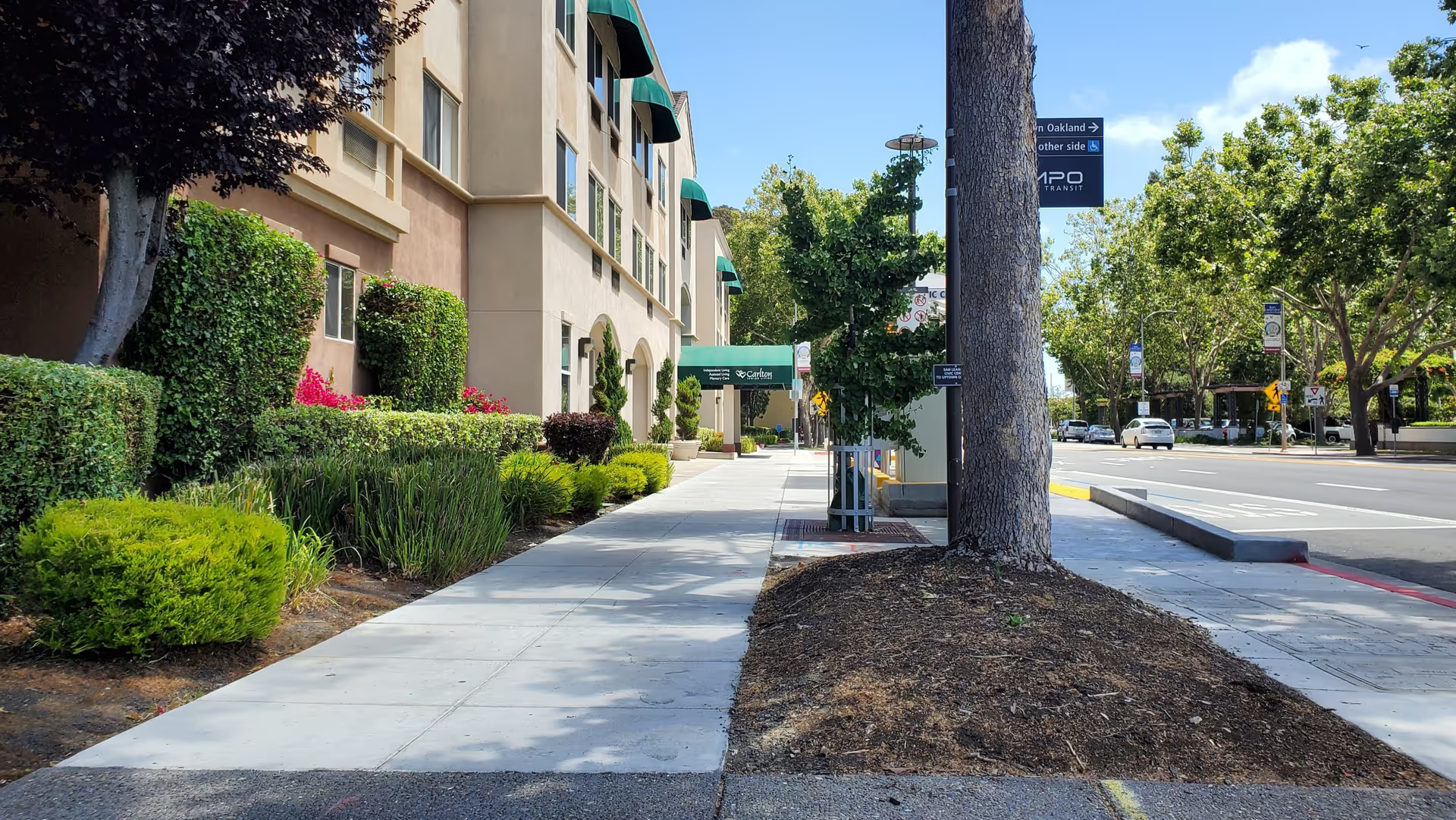
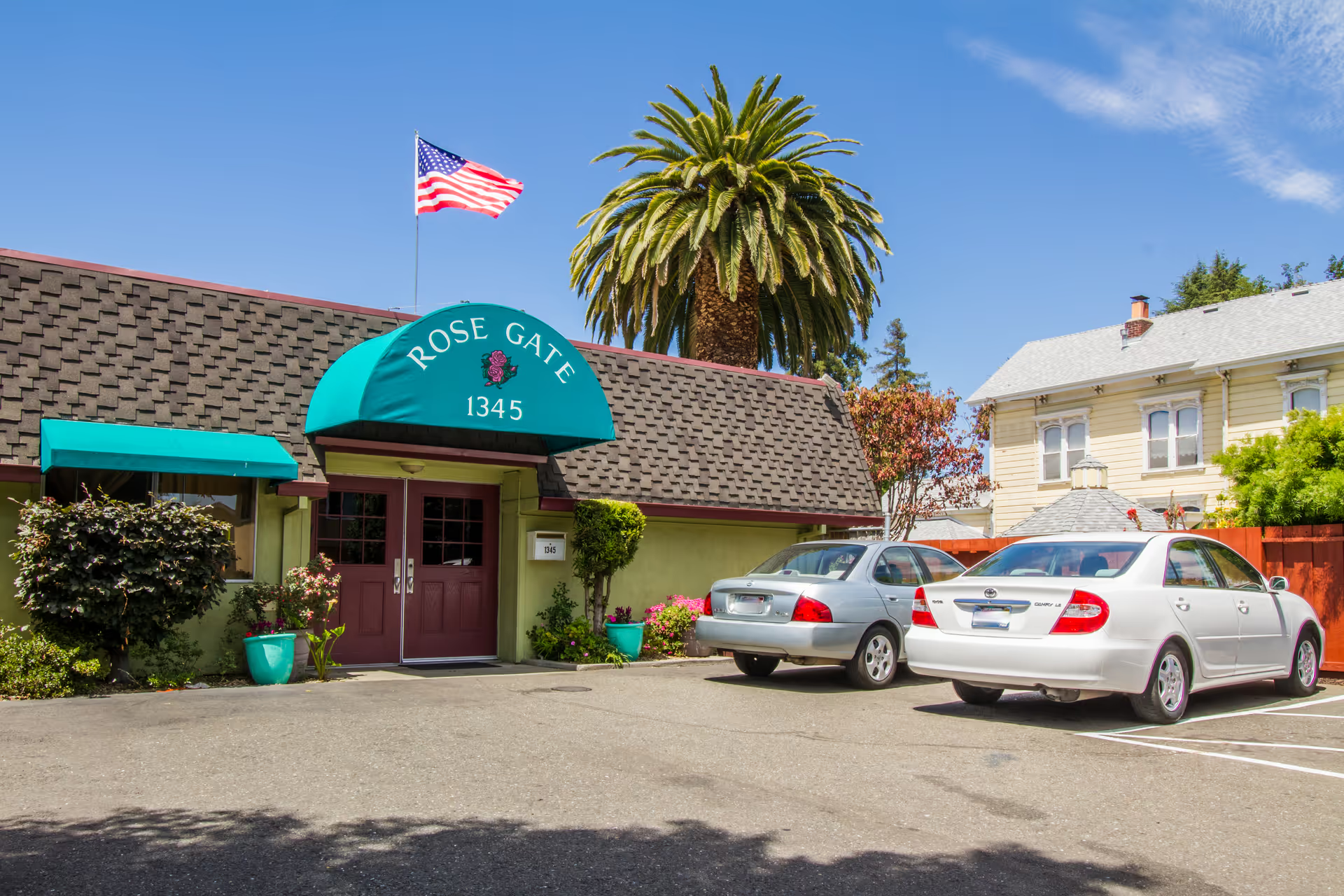
Facilities and environment: Positive reports about resident comfort coexist with specific sanitation-related concerns, most notably odors in some resident areas. These comments suggest that facility upkeep and housekeeping practices may be uneven. A walkthrough focused on cleanliness, common spaces, and resident rooms is advisable, with attention to any lingering odors and housekeeping schedules.
Notable patterns and recommendations: The dominant positive themes are compassionate staff, engaged CNAs and nurses, a family-centered approach, and strong rehabilitation services. The dominant negative themes are operational: cleanliness/odor issues, inconsistent personal-care practices, and occasional lapses in staff professionalism. For prospective residents and families, recommended actions include arranging an in-person visit focused on housekeeping and odor control, asking about staffing levels and staff training, reviewing rehab outcomes and therapy schedules, and speaking with current families about day-to-day communication and responsiveness.