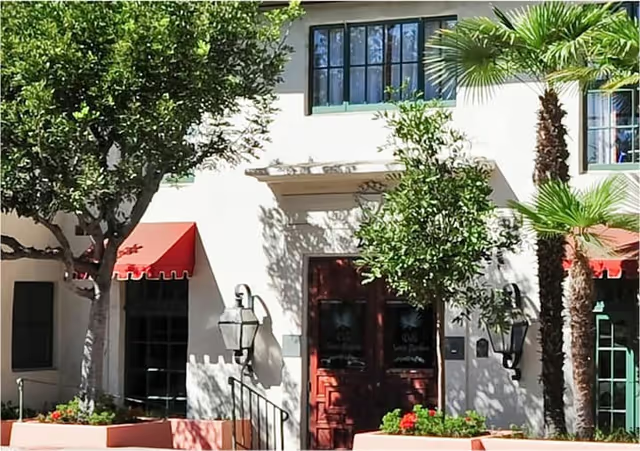
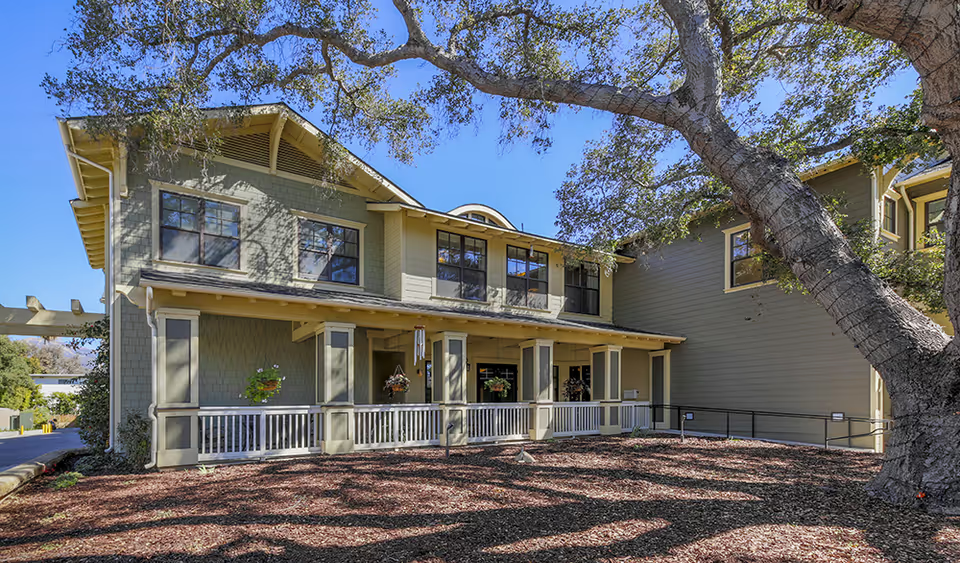
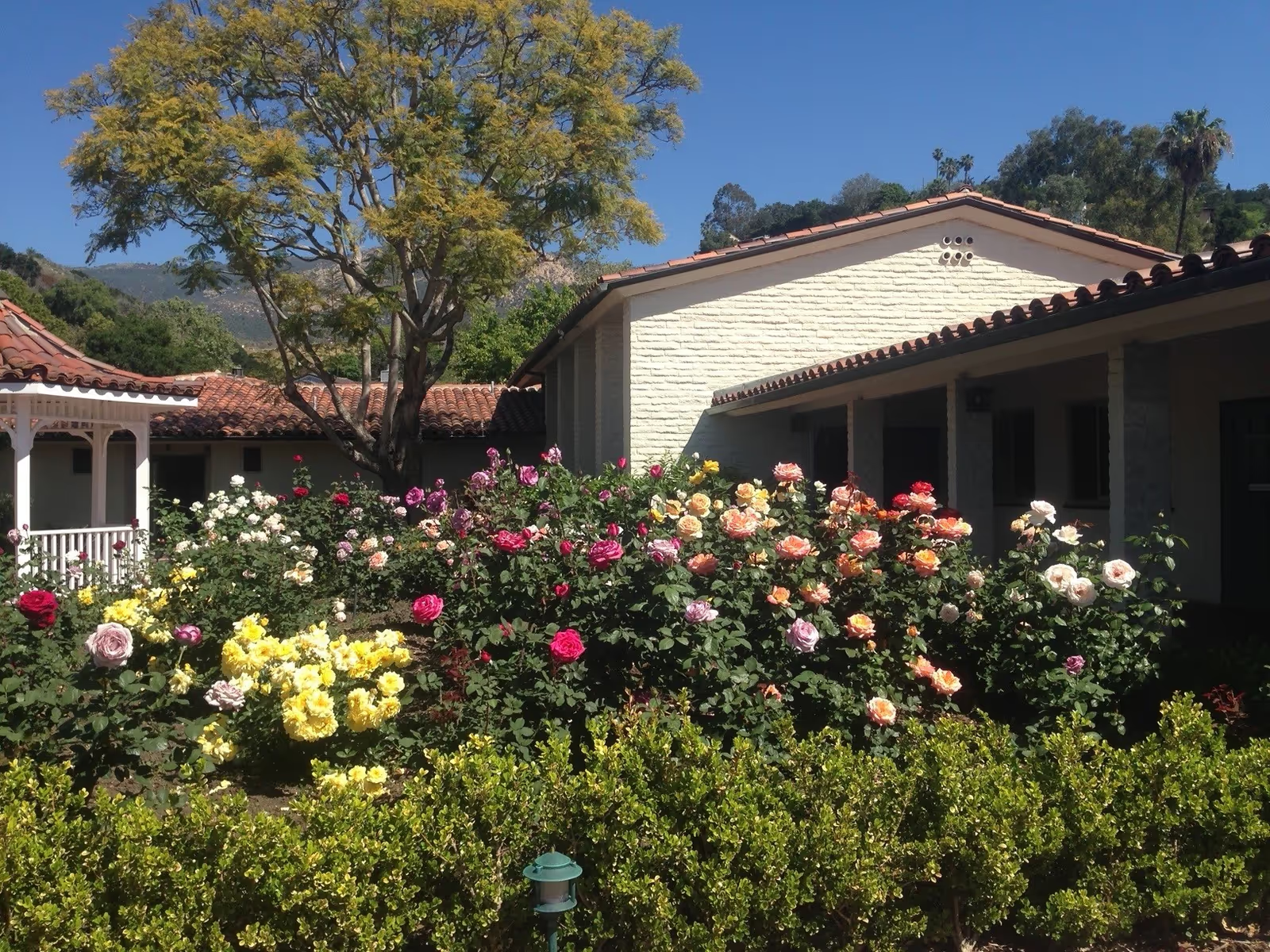
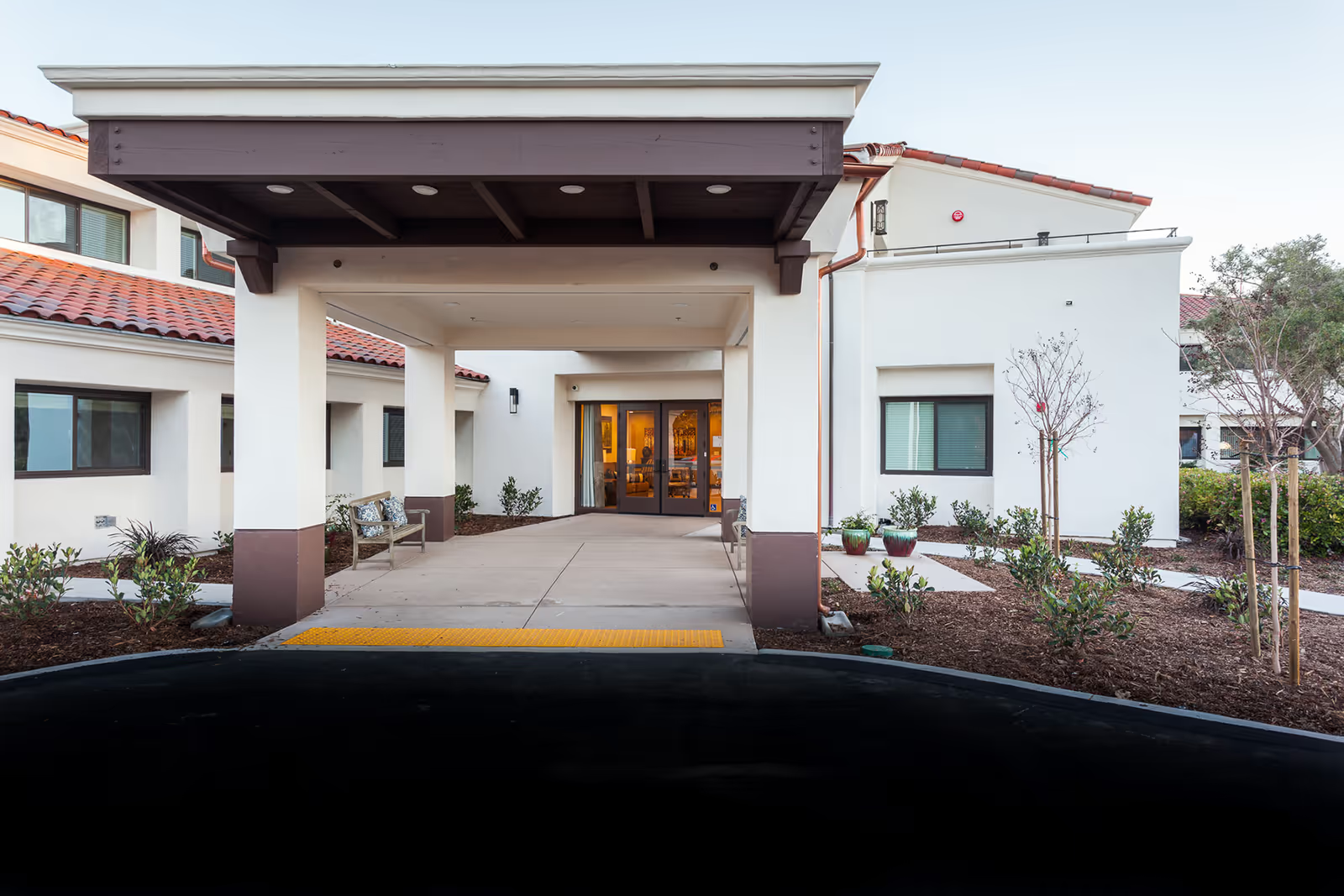
Casa Dorinda is described as an upscale, first-class senior living campus set on more than 35 acres, with notable architectural appeal and well-maintained grounds. The community offers a full continuum of services — independent residences, assisted living, and skilled nursing — and is actively investing in facility expansion. Overall sentiment in the source material is strongly positive, with many references to long-term stays and sustained satisfaction.
Care and staffing are prominent strengths. Review summaries emphasize attentive caregivers and a familial tone in staff–resident interactions; these impressions align with reports of long-term residents receiving consistent attention. The availability of skilled nursing alongside assisted and independent living suggests clinical capacity to manage changing care needs, and the staffing culture is characterized as supportive and responsive.
Dining and daily life receive consistent praise. Food quality is described as excellent, with particular mention of beverage service (noted cappuccinos). Activity programming appears varied and active: exercise classes are available and the community organizes diverse outings using campus transportation, supporting social engagement and mobility for residents.
Facilities and management show a mix of strengths and foreseeable operational considerations. The campus scale and upscale positioning support a broad amenity set and planned capital improvements, but the premium model translates into higher resident costs and may limit affordability or occupancy options for budget-conscious families. The size of the grounds can be an asset for programming and landscaping, yet may present wayfinding or mobility challenges for some residents. The planned expansion indicates continued investment but also raises the possibility of temporary construction-related disruptions.
In sum, Casa Dorinda presents as a well-appointed, activity-rich community with a strong emphasis on personalized, family-style staff interactions and high-quality dining. Prospective residents and families who prioritize campus amenities, an active lifestyle, and an integrated continuum of care are likely to find the community attractive; those for whom cost, campus scale, or potential short-term disruption during expansion are primary concerns should factor those operational traits into their decision-making.