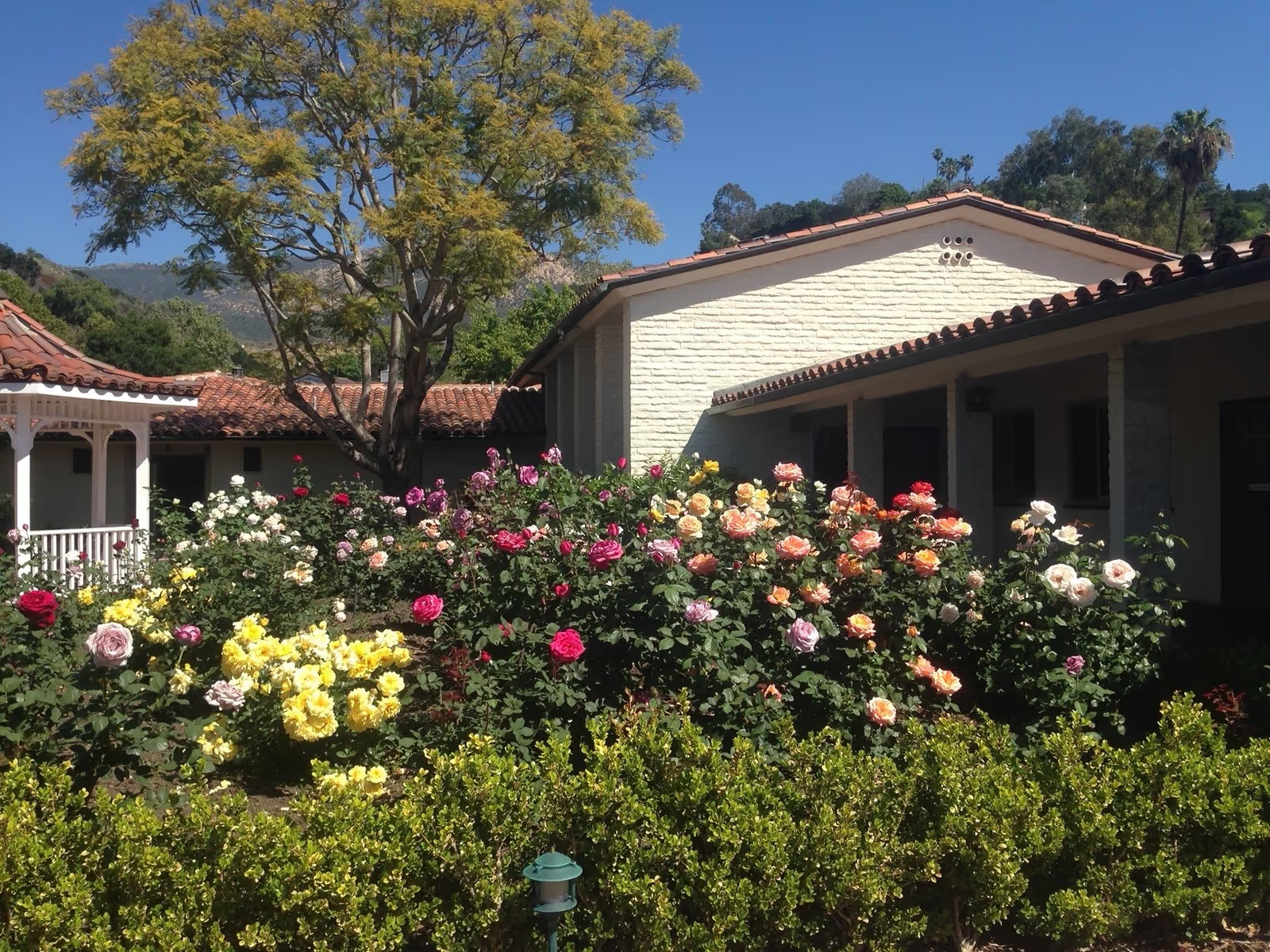
Maravilla presents as an upscale, resort-like senior living community with extensive amenities and a strongly developed social environment. The campus, grounds, and architecture are frequently described as beautifully maintained, with multiple pools, fitness rooms, library and internet lounges, art and music spaces, salon and massage facilities, and a mix of living options that include cottages, casitas, and apartment-style units. Housing tends to be roomy for the market (including two-bedroom cottages and one-bedroom apartments with full kitchens and outdoor spaces). The community’s physical environment and event programming create an atmosphere often characterized as bright, airy, and hotel-like.
Staff and care receive mixed but distinct impressions. Many accounts emphasize warm, welcoming, and personable staff who facilitate a family-like culture and strong resident engagement; staff are often praised for hospitality, individualized greetings, and enthusiastic programming support. However, a recurring operational pattern concerns staffing levels and clinical coverage: reviewers describe understaffing at multiple levels (nursing, night shift, in-unit caregivers), uneven responsiveness to call buttons, and specific gaps in medication-management processes. These patterns suggest that while day-to-day social and hospitality interactions are a strength, families should carefully evaluate clinical staffing ratios, night staffing protocols, and medication oversight if the prospective resident has higher-care needs.
Dining is a prominent strength in many accounts: chef-driven, restaurant-style meals with fresh, locally sourced ingredients and attentive service are frequently praised. Servers and presentation receive consistent positive mentions, and many events feature high-quality catered fare. At the same time, there are recurring notes about inconsistent culinary details—nutritional balance concerns, occasional undercooked vegetables, disappointing pastries/desserts, and variability tied to staffing experience. Some reviewers also cited operational issues in dining service during busy periods. Prospective residents should sample multiple meals and ask about menu planning, nutrition oversight, and staff training to assess consistency.
The activity calendar and social life are significant selling points. Maravilla appears to support an unusually broad range of resident-led clubs, fitness classes, musical performances, arts programming, adventurous outings, and frequent transportation for shopping and cultural events. This breadth supports strong social connection and engagement, making the community particularly well suited to active residents who want an eventful lifestyle. Conversely, the same emphasis on activity and social programming means the community may be less well suited to individuals who require substantial hands-on assistance or who are unable to participate in group activities; families should clarify how the community supports quieter, higher-need residents.
Management, contracts, and costs warrant careful scrutiny. Many reviewers report positive, informative tours and a hospitable admissions experience, but others cite concerns about transparency (hidden or additional fees, housekeeping upcharges), high buy-ins or deposits, and ongoing value-for-cost considerations. There are also isolated operational complaints—delays coordinating returns from hospital or rehab, variable responsiveness from administration, and occasional maintenance or sanitation issues such as isolated mold incidents and concerns about unit-level upkeep. The community does offer assisted living and memory care on-site, but descriptions indicate limited skilled-nursing capacity and wait lists for some care levels, which is an important consideration for residents who may need higher levels of clinical care later.
Overall assessment: Maravilla is a well-appointed, activity-rich community that delivers a high-quality lifestyle experience for independent and socially engaged seniors, with notable strengths in dining, campus aesthetics, and programming. At the same time, consistent themes around understaffing, gaps in clinical oversight and night coverage, variability in certain food and housekeeping services, and a high-cost model suggest that prospective residents and families should perform targeted due diligence. Recommended areas to probe during a visit include staffing ratios and schedules (including nights), medication-administration policies, clinical oversight and escalation procedures, detailed contract/fee disclosures (housekeeping, utilities, deposits), wait-list status for higher levels of care, and multiple meal tastings to confirm dining consistency.