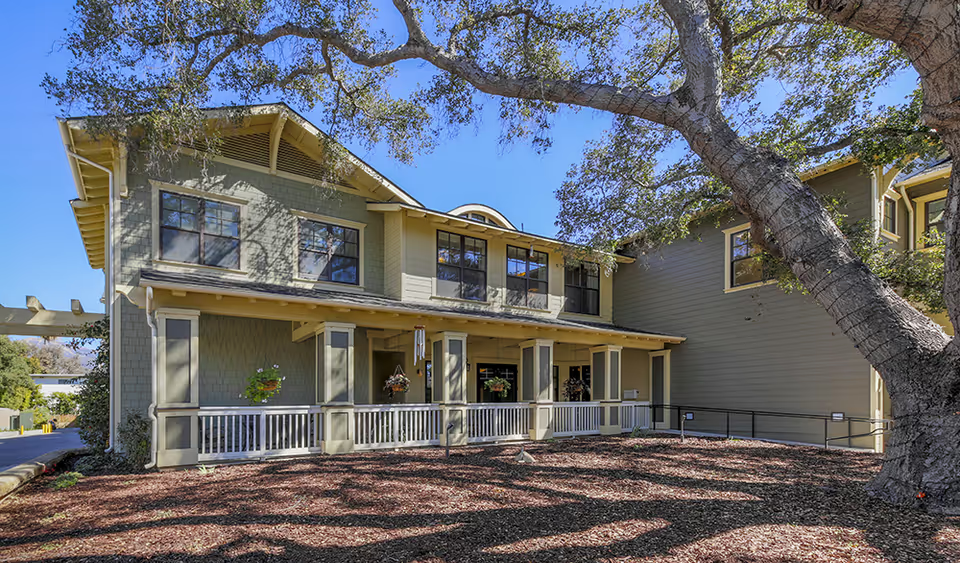
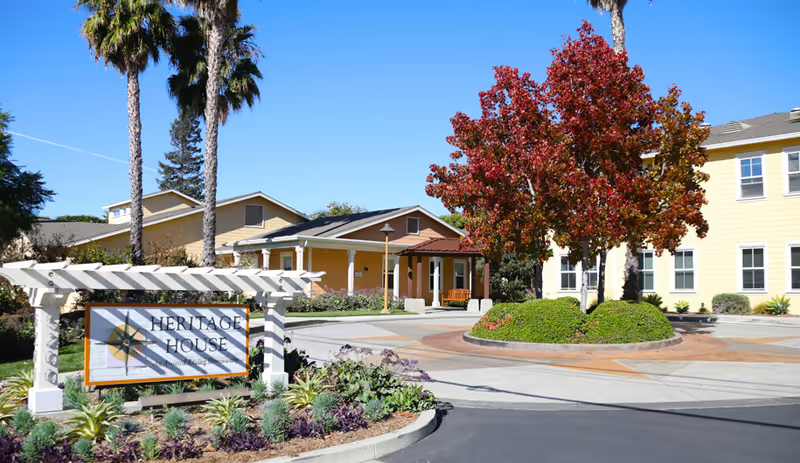
Mission Park Healthcare Center elicits broadly positive descriptions for clinical rehabilitation, aesthetics, and daily-life amenities while also producing a set of recurring operational concerns families should weigh. Strengths most frequently noted include a skilled therapy department (physical and occupational therapy), compassionate hands‑on caregivers, and 24‑hour nursing coverage. Many reviewers emphasize an attractive, well‑maintained physical environment: an elegant dining room, landscaped courtyards and patios, upscale dining presentation, and welcoming front‑desk staff. The facility offers a robust activity program (live music, exercise groups, bingo, outings) and on‑site cognitive therapy programming, which several families credited with improving recovery and quality of life.
Care and staff performance show a generally favorable profile but with variability in day‑to‑day execution. Multiple accounts commend individual nurses, CNAs, and therapists for respectful, attentive care and timely therapy interventions. At the same time, several narratives point to inconsistent communication, uneven follow‑through on nursing requests, and delays in responding to call buttons. These items suggest variability in staff conduct and responsiveness across shifts or units rather than a uniform standard. Families should clarify communication protocols, escalation pathways, and staffing patterns prior to admission.
Dining and nutrition receive mixed but specific feedback. The facility's dining room and meal presentation are commonly praised, and some residents enjoy varied menus and prompt service. However, concerns center on inconsistent meal textures (notably pureed options) and limited accommodation of specialized diets such as low‑salt plans. Prospective residents with strict dietary needs should confirm menu flexibility and advance planning procedures with nutrition services.
Activities and communal life are a comparative strength, with regular programming, live performances, and social events reported. That said, activity availability appears to vary by unit and by period; some reviewers described limited options during certain stays. The building and grounds are widely described as well‑appointed, clean, and comfortable, though a minority of experiences describe sanitation inconsistencies or room comfort issues (temperature control, smaller or more utilitarian rooms).
Operationally, families should pay attention to discharge planning, roommate and property safeguards, and administrative communication. A pattern of communication lapses—lack of discharge meetings, insufficient family notification, or unclear handoffs—emerges from several accounts and can materially affect transitions home. Related concerns include roommate compatibility management and personal‑property protection, as well as occasional transportation privacy or professionalism issues. There are also mentions of management changes and mixed impressions of administrative organization and tone.
In summary, Mission Park offers strong rehabilitation services, an attractive facility, and many examples of compassionate, capable staff. It can be an excellent choice for post‑operative rehab or short‑term recovery, particularly for people who value therapy intensity and a resort‑like environment. Families should proactively discuss discharge procedures, dietary accommodations, staffing patterns (including night/evening responsiveness), and roommate arrangements to mitigate the operational variability highlighted by reviewers.