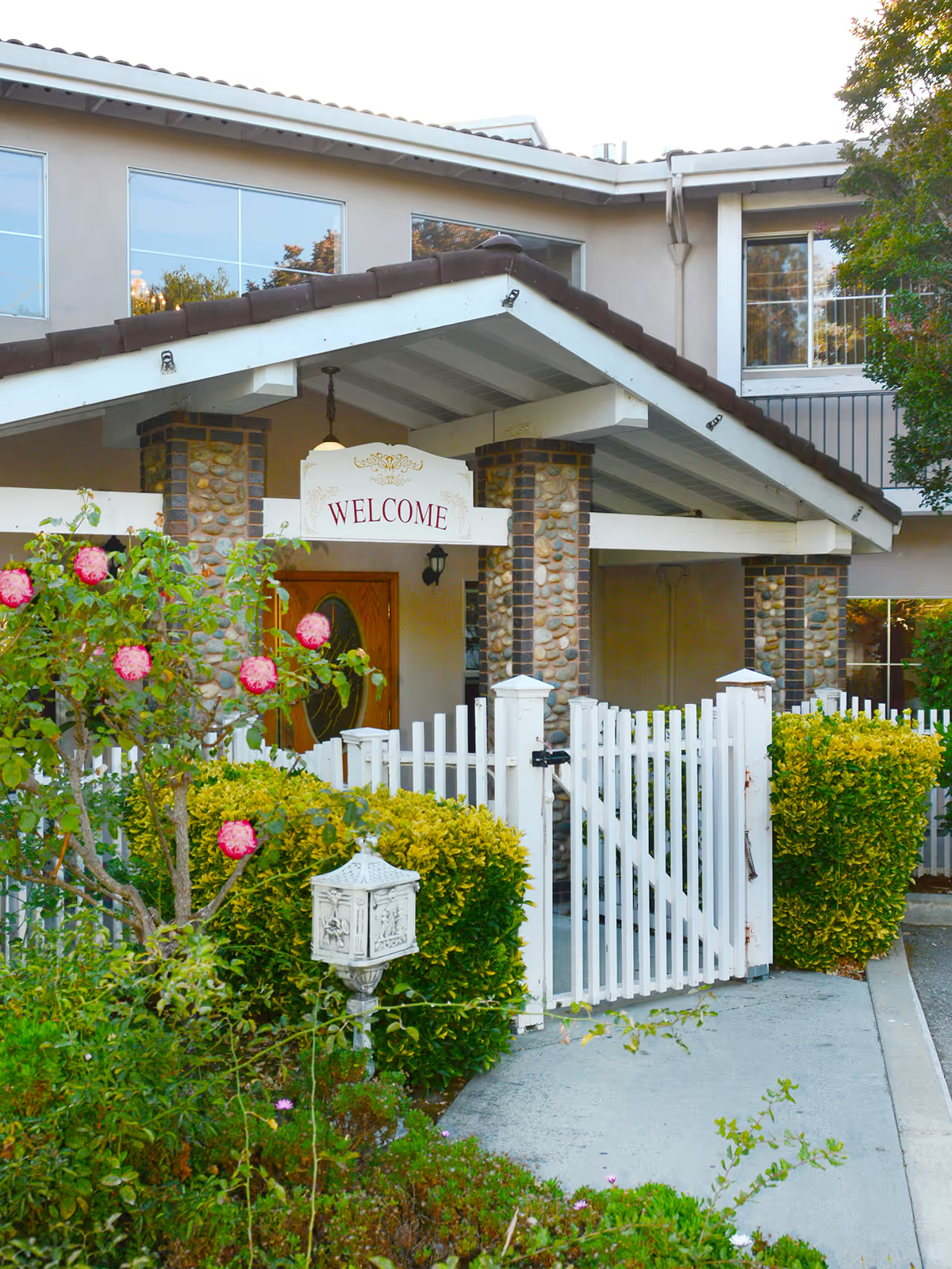
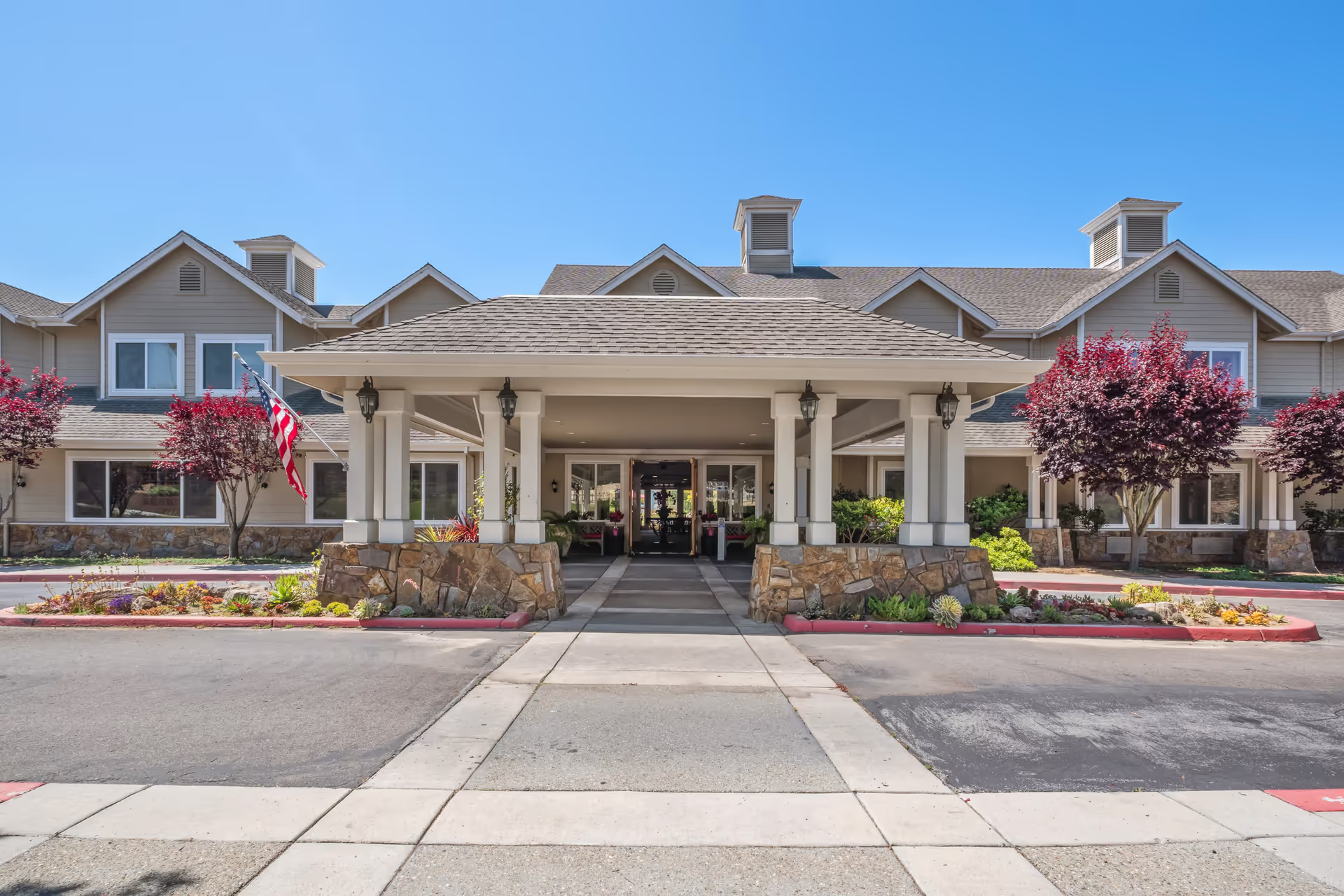
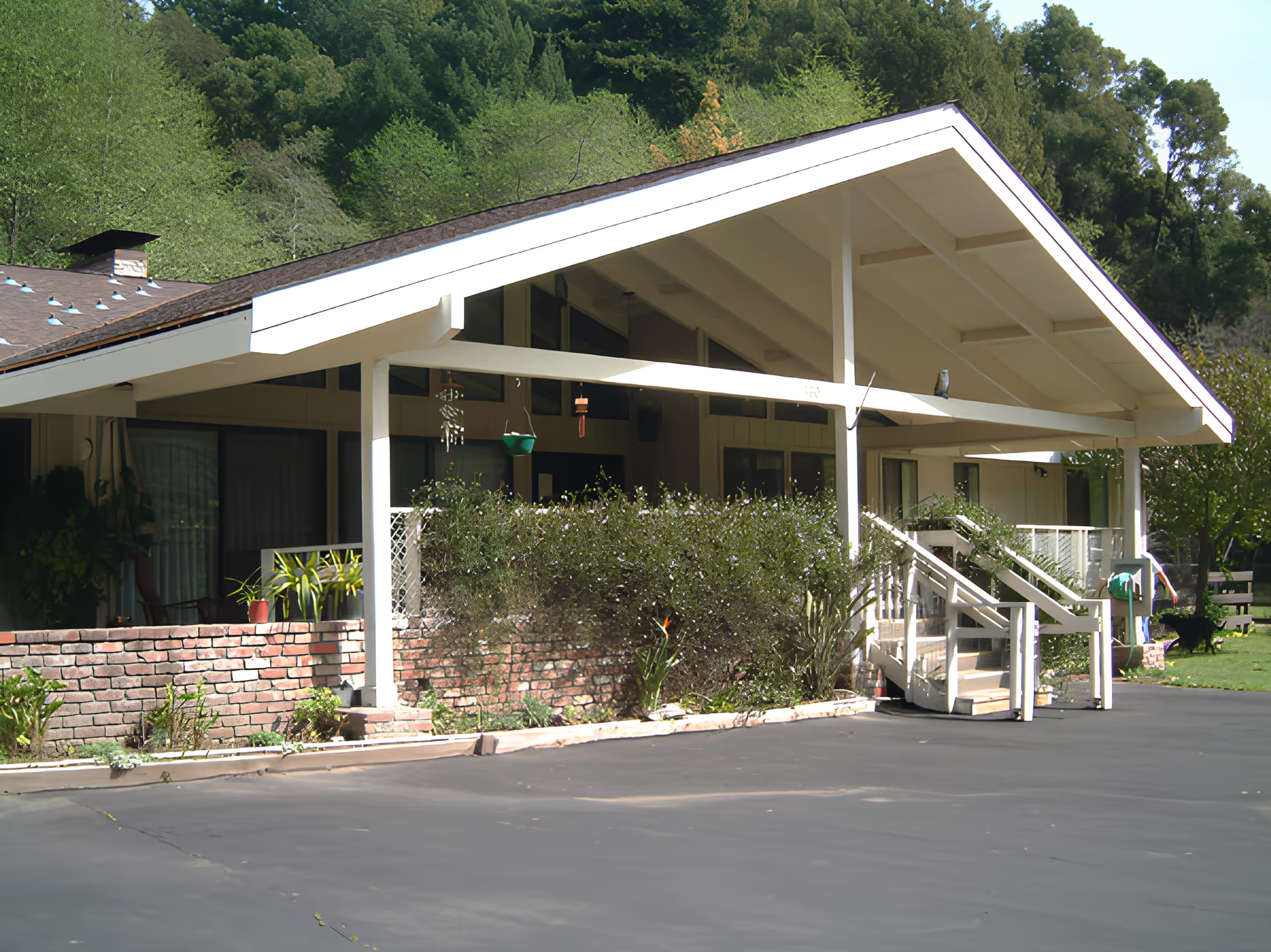
Westwind Memory Care is described as a newly built, well-maintained memory-care community with strengths in individualized dementia care and an active social environment. Reviewers emphasize compassionate, dignity-focused caregiving and a staff that is generally seen as knowledgeable and attentive. The facility’s layout is purpose-built for memory care, featuring private apartments with en-suite bathrooms, large open common spaces for socializing and circulation, and secure wandering-prevention measures.
Staffing and clinical care are frequent positive points: families report reliable medical oversight, 24/7 care availability, and staff who will advocate for residents when administrative or medical records issues arise. At the same time, an operational pattern of variable staffing levels is noted; when staffing is stretched, reviewers describe slower responsiveness and concerns about resident safety. Communication and admissions-process inconsistencies — including tour preparedness and coordination during transitions — have been raised as areas for managerial attention.
Dining and activities are central features of the community. Many families praise home-cooked meals made from fresh ingredients, with a standard of three daily meals plus snacks and opportunities to participate in cooking. The activity program is broad and lively, including music, cultural events, flower arranging, dancing and resident-centered crafts that promote engagement and socialization. A minority of comments suggest the food can be starch-heavy and could include more fresh fruits and vegetables to improve nutritional variety.
Facility amenities generally receive high marks: new construction, clean common areas, good housekeeping, and flexible visitation policies. Noted limitations include a lack of on-site outdoor walking areas (the program compensates by bringing outdoor activities into the community) and occasional mechanical noise from building systems that can intrude on resident comfort.
Cost and value considerations are recurring themes. The community is described as premium-priced, with some reviewers indicating price increases and significant out-of-pocket expense. Several families conclude the program is worth the cost for the level of care and engagement provided; others note affordability concerns and seek transparency around pricing and billing.
Overall, Westwind appears to deliver strong, dignity-focused memory care in a modern setting with a robust activities program and attentive clinical oversight. Prospective residents and families should weigh the facility’s higher cost against its programmatic strengths and ask specific questions about staffing levels, admissions coordination, meal nutrition, outdoor access, and noise mitigation during visits and tours.