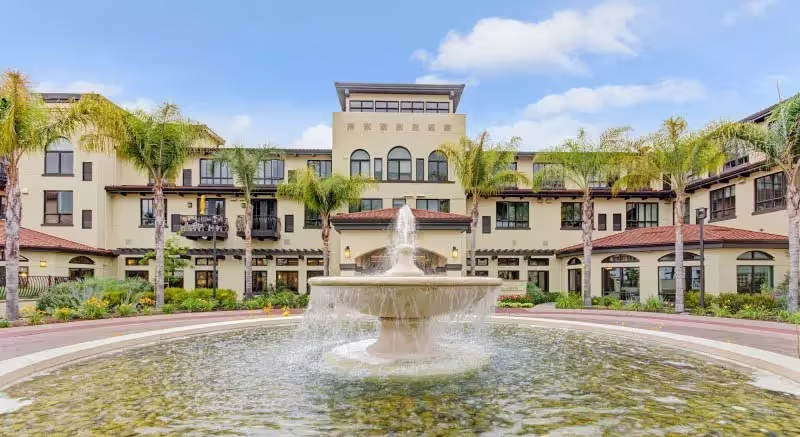
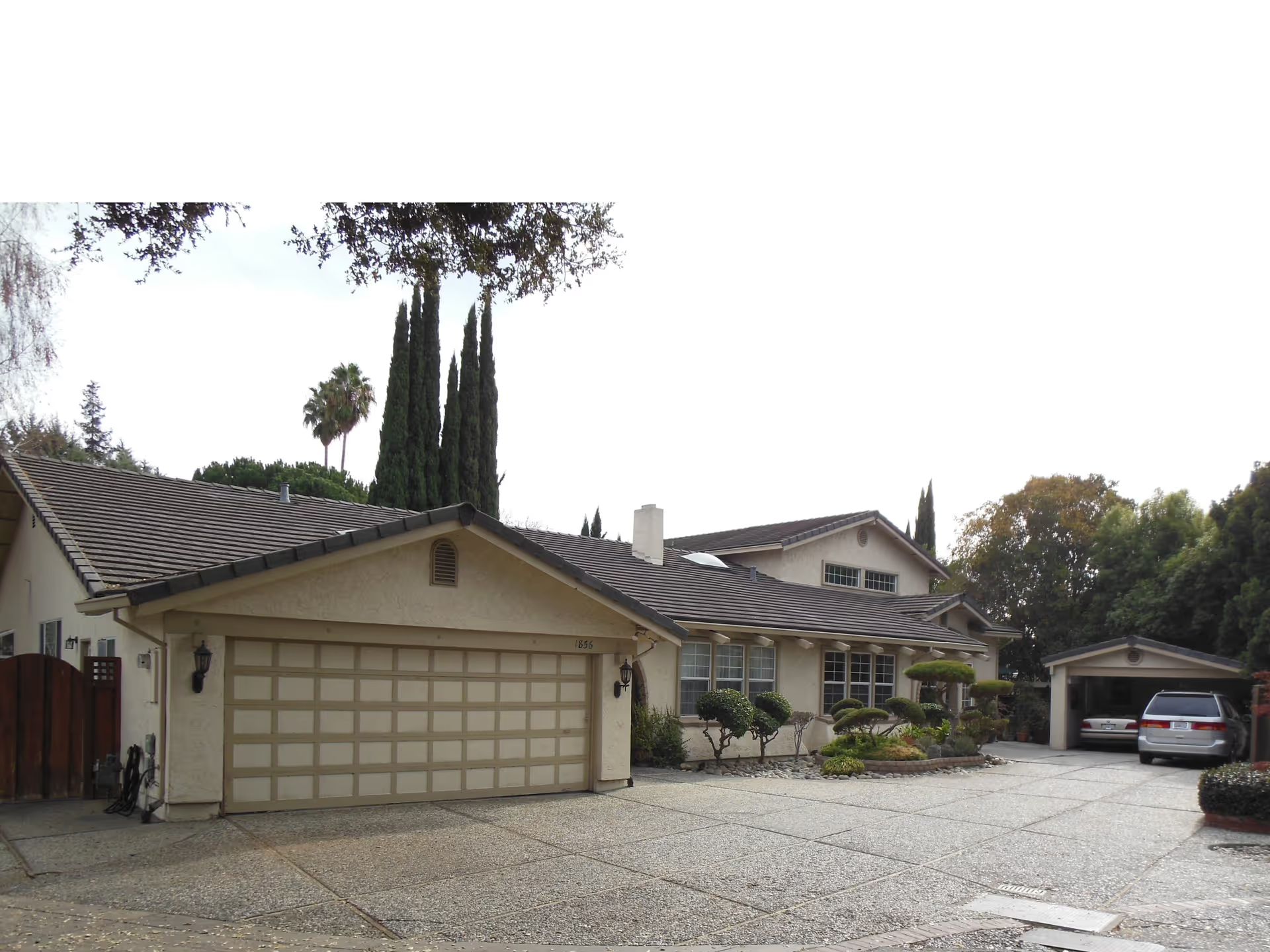
Overall impression Saratoga Retirement Community presents as a well‑appointed, large campus with attractive grounds and a range of housing levels (independent living, assisted living, and memory care). Many families emphasize compassionate, long‑tenured caregiving staff and positive day‑to‑day experiences, particularly around dining, cleanliness, and organized outings. The facility offers on‑site rehabilitation and a memory‑care program, and the sales and admissions staff are often described as helpful during move‑in.
Care quality and nursing Clinical strengths cited include attentive direct care staff and accommodating assisted‑living care. Areas of concern center on the facility’s clinical scope: reviewers indicate that 24‑hour nursing is not included, and several noted gaps in medication ordering and pharmacy coordination that produced refill delays and scheduling friction. Prospective residents and families should verify the facility’s nursing coverage, clarify medication‑management workflows, and ask how after‑hours clinical needs are handled and billed.
Staff and family communication Staff are frequently characterized as caring and responsive; however, there are also accounts of uneven communication and follow‑up from administrative channels (calls not returned, delayed responses). Some families felt they needed to advocate actively to secure desired services or to prevent premature transitions between levels of care. It is advisable to discuss communication expectations, escalation procedures, and family‑involvement policies before committing.
Dining and activities Dining consistently receives positive comments for taste, choices, and available to‑go options. Programming includes arts and crafts, outings, and excursions, which many residents enjoy. At the same time, there are reports of inconsistent engagement for residents with higher care needs—families should confirm activity staffing levels and individualized engagement plans for memory‑support or higher‑need residents to ensure appropriate social stimulation.
Facilities and memory care The campus and interior spaces are described as attractive and well maintained. The memory‑care unit is available but characterized by some reviewers as relatively small and still developing; families seeking substantial memory‑care capacity should assess program size, staffing ratios, and specialized programming in person.
Management, policy, and cost considerations A recurring pattern concerns administrative priorities and cost structure. Some reviewers perceived an emphasis on occupancy and transitions, and there are indications that continuous 24/7 care often requires private, supplemental home‑care services that can be costly. Reviewers advise closely reading contracts, clarifying what services are included versus fee‑based, and obtaining written policies on transitions between care levels and billing for outside caregivers.
Bottom line and recommended questions Many families have very positive experiences centered on compassionate staff, good food, and an appealing setting. At the same time, there are operational weaknesses worth investigating: medication and pharmacy processes, absence of around‑the‑clock nursing, variability in family communication, and limited memory‑care capacity. Prospective residents and families should tour the specific unit of interest, ask for current staffing ratios and medication‑management protocols, request sample contracts and fee schedules, and clarify how the facility handles after‑hours clinical needs and continuity of care for higher‑need residents.