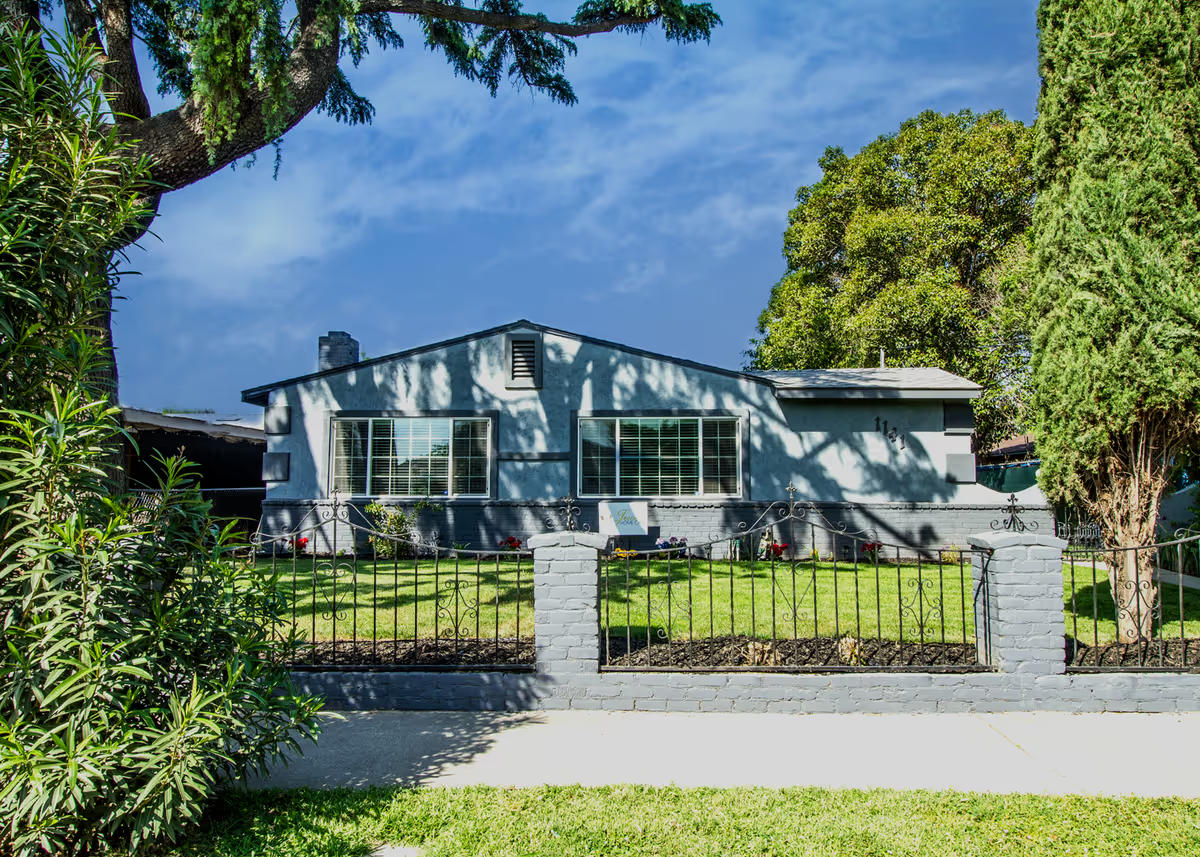
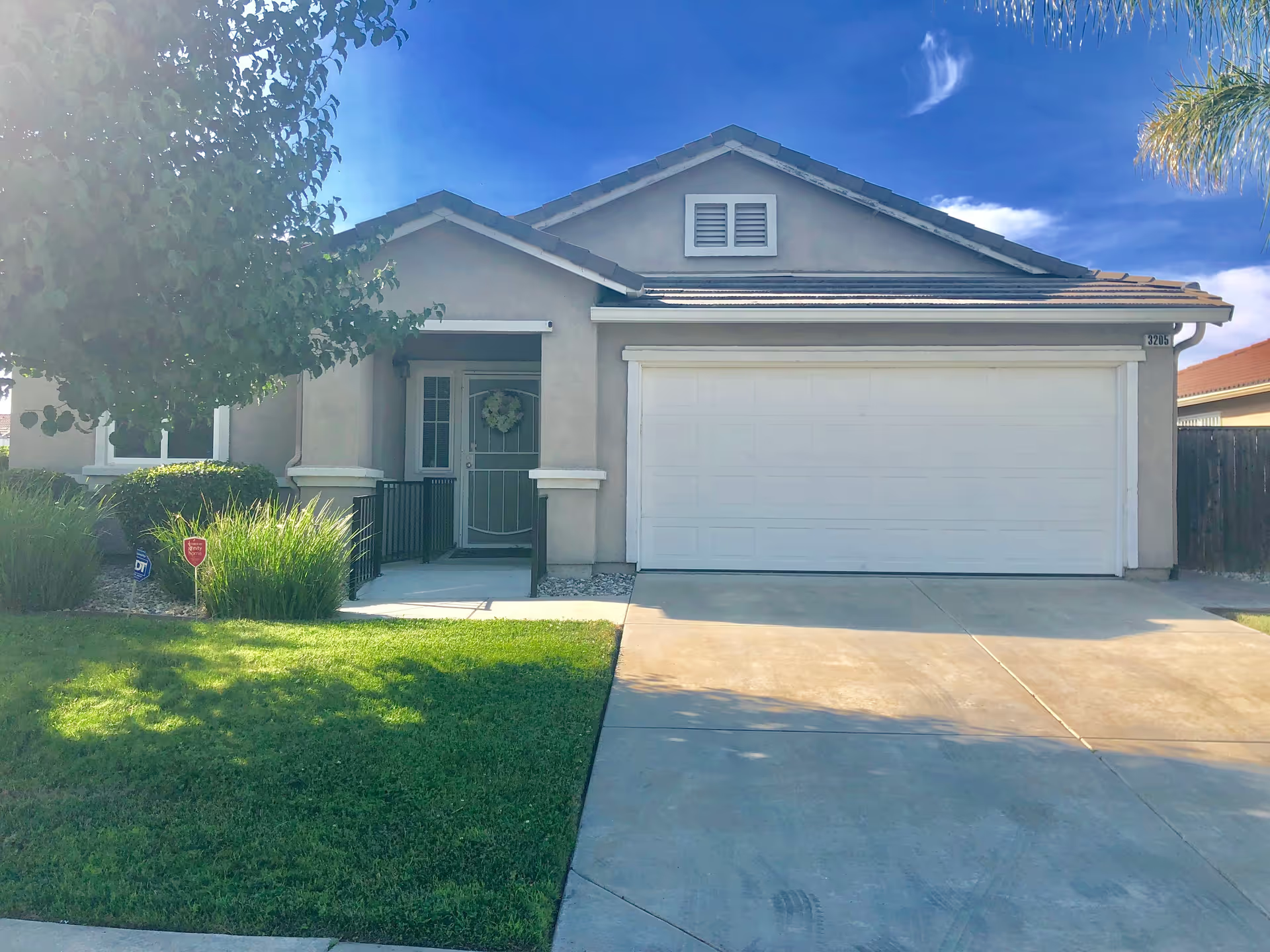
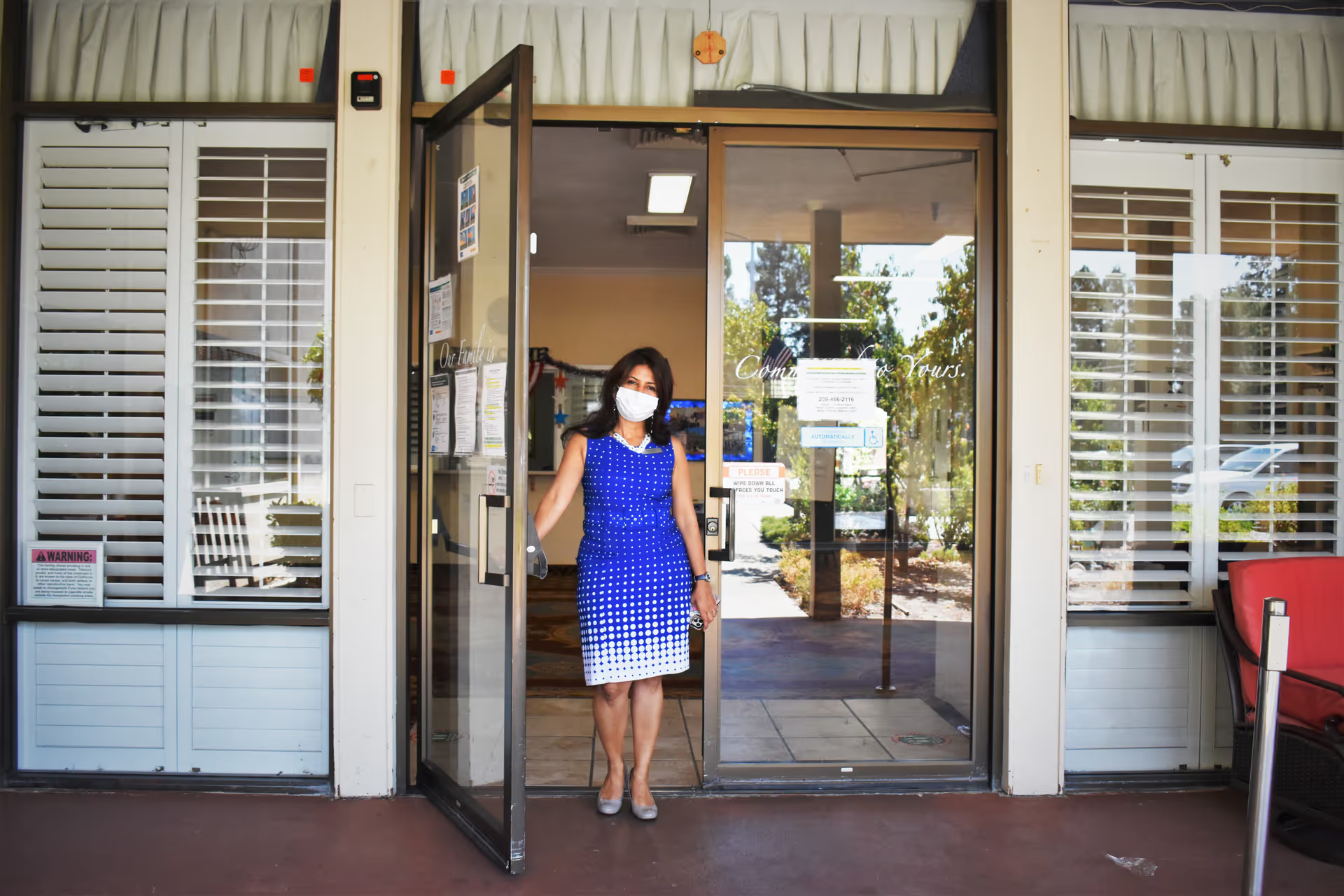
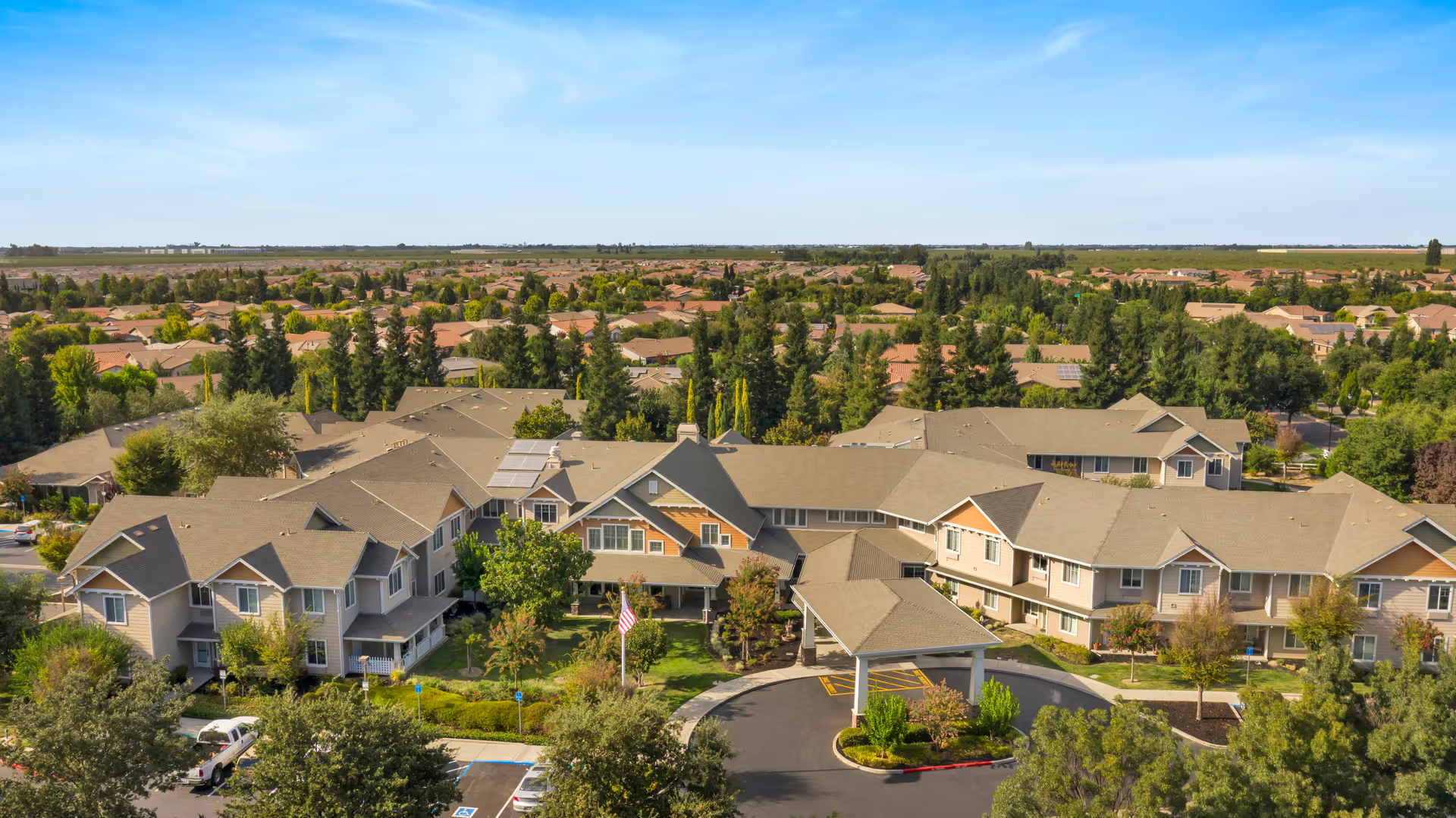
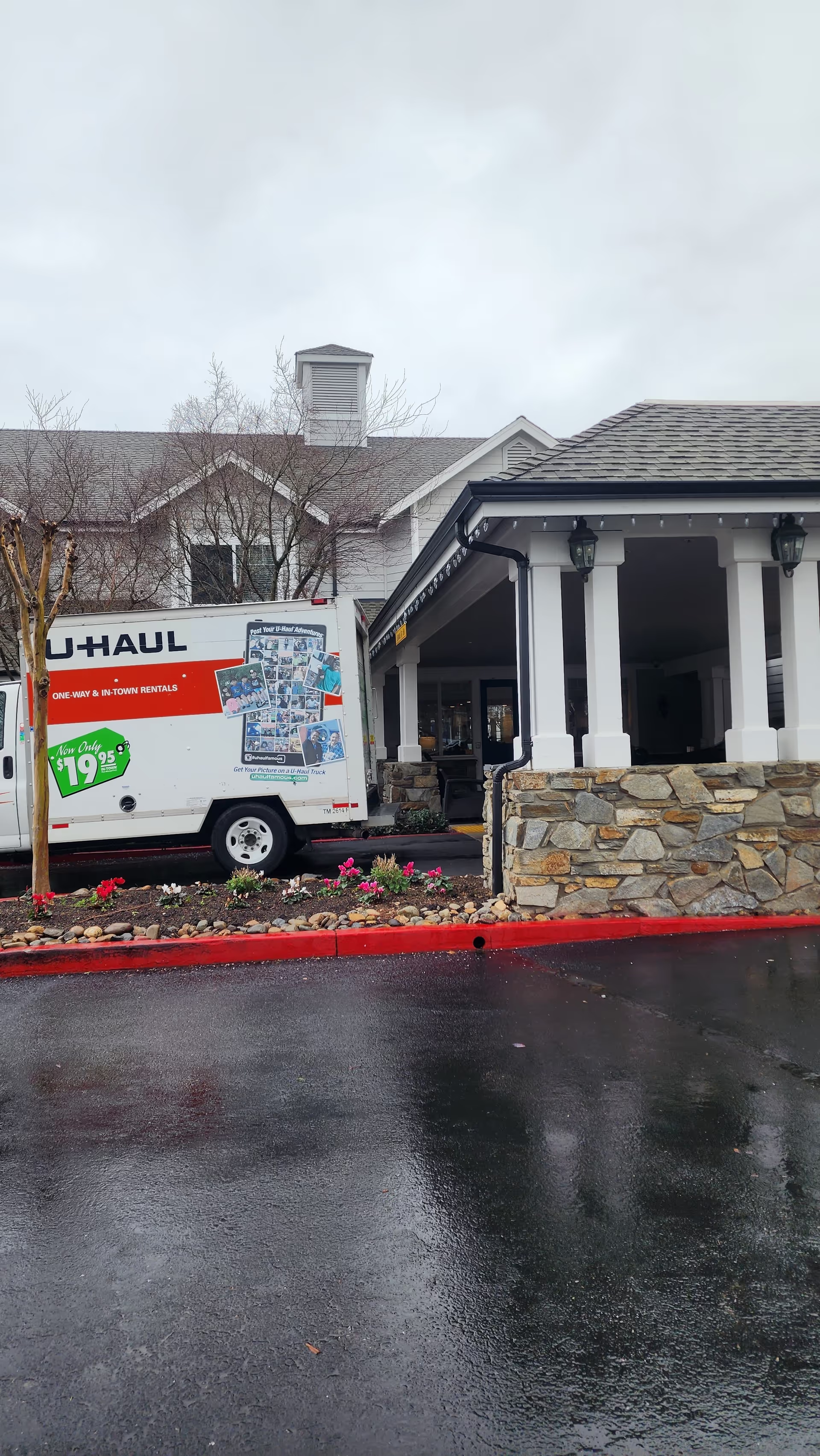
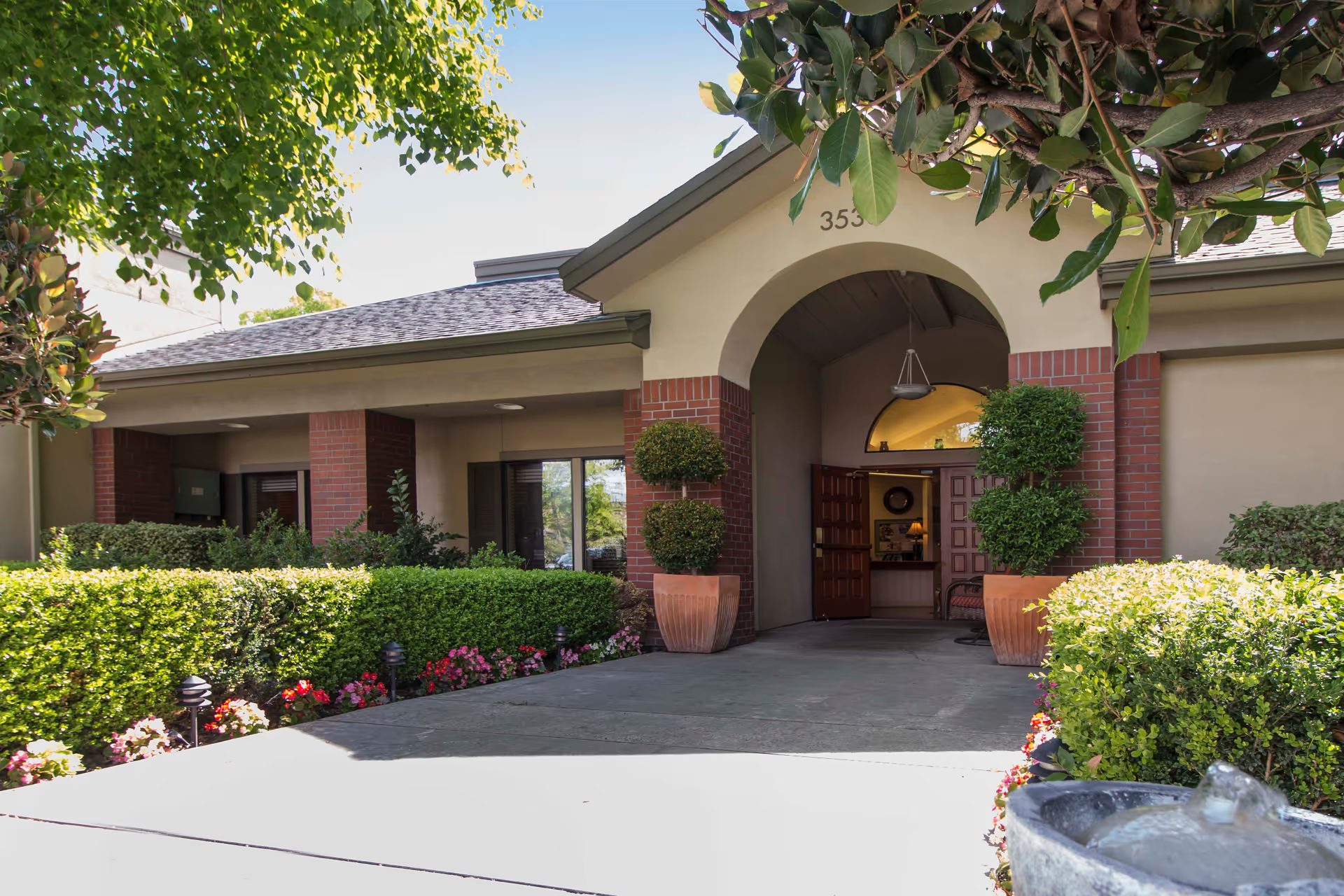
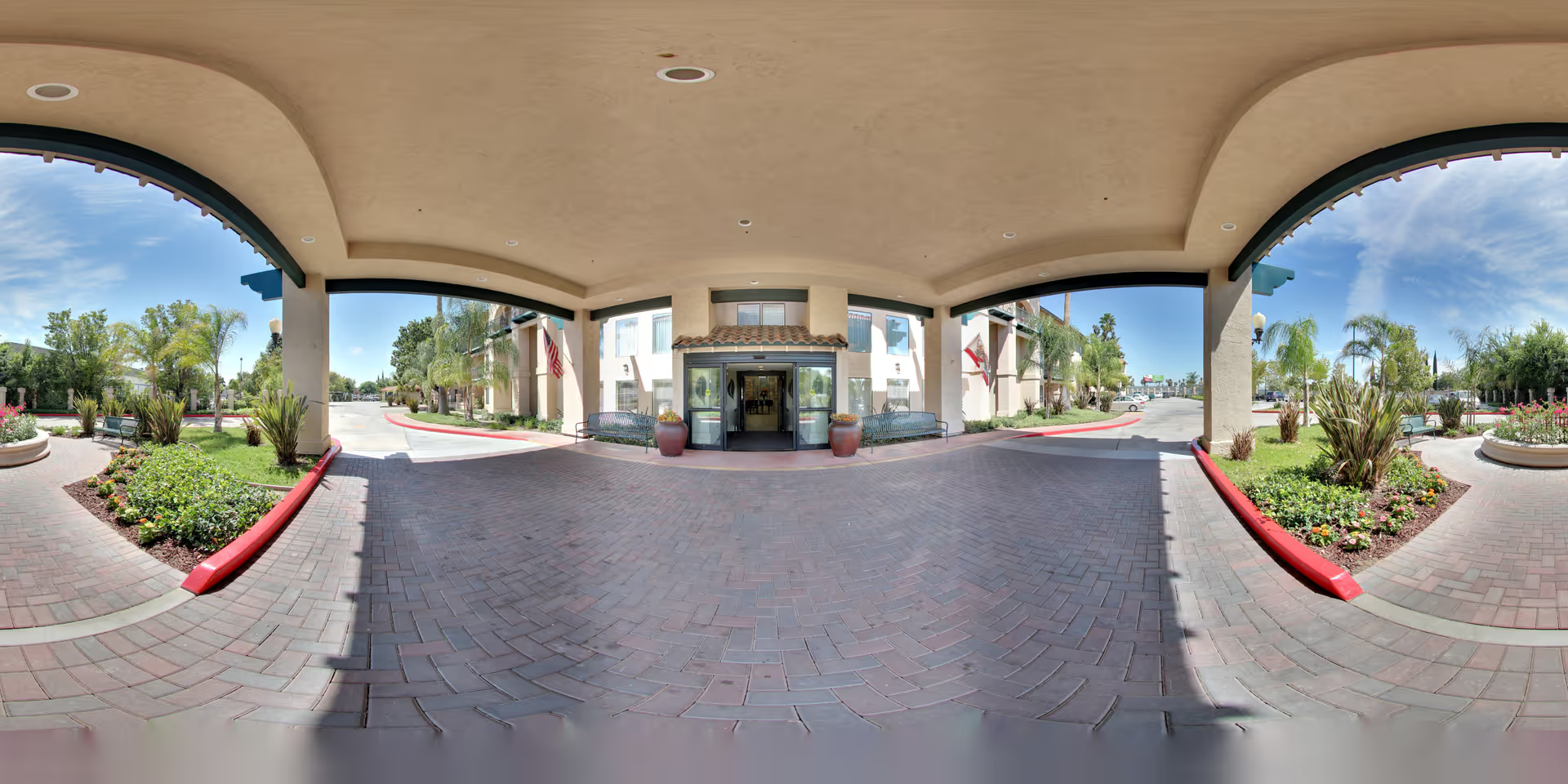
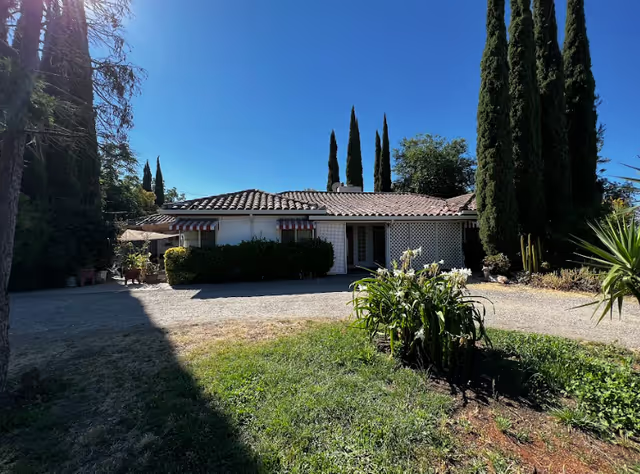
The reviews describe a facility with a mixed public presentation but several operational concerns. On the positive side, visitors consistently noted a clean, well-presented environment during tours, with clearly visible communal living and dining spaces and an onsite activities program. Prospective families described tours as informative and found caregiving staff to be courteous and professional in direct interactions.
Care quality and staff performance appear uneven in the accounts. Direct-care staff are described as generally courteous, but multiple accounts raise concerns about responsiveness and timeliness of clinical attention. Reviewers describe instances where families and hospital staff experienced difficulty obtaining timely information about resident status, and there are reported gaps in the facility’s processes for notifying families about transfers or emergency care.
Dining and facilities receive generally favorable observations for cleanliness and presentation, and the dining room and living areas were noted as well maintained during tours. There is little specific commentary about food quality in the summaries provided; however, the physical environment and common spaces were viewed positively.
Activity programming exists but is described as less active than some families expect. Several reviewers indicated limited engagement and reduced resident mobility support, with concerns that residents may be spending extended periods in wheelchairs or otherwise not receiving sufficient mobilization or activity facilitation. This suggests an opportunity to review staffing levels, activity staffing, and mobility-assist protocols.
Management and administrative practices are the most prominent area of concern. Reviews raise issues about management responsiveness, owner-level governance, and transparency — including concerns about infection-control communications and the rationale behind certain care transitions. There are also allegations of missing personal items and weaknesses in property safeguards. Several reviewers referenced regulatory or licensing complaints and involvement of authorities, which indicates family members have pursued formal channels for resolution.
Taken together, the pattern suggests a facility that presents well physically and can offer courteous frontline care, but one where systems-level weaknesses — communication with families and hospitals, emergency-transfer protocols, mobility and activity support, personal-property controls, and management transparency — may materially affect family confidence and resident experience. Prospective residents and their families would be advised to ask specific, documented questions about transfer-notification procedures, property-accounting practices, infection-control communication policies, activity staffing and mobility-assist routines, and to review state inspection and complaint histories before making a placement decision.