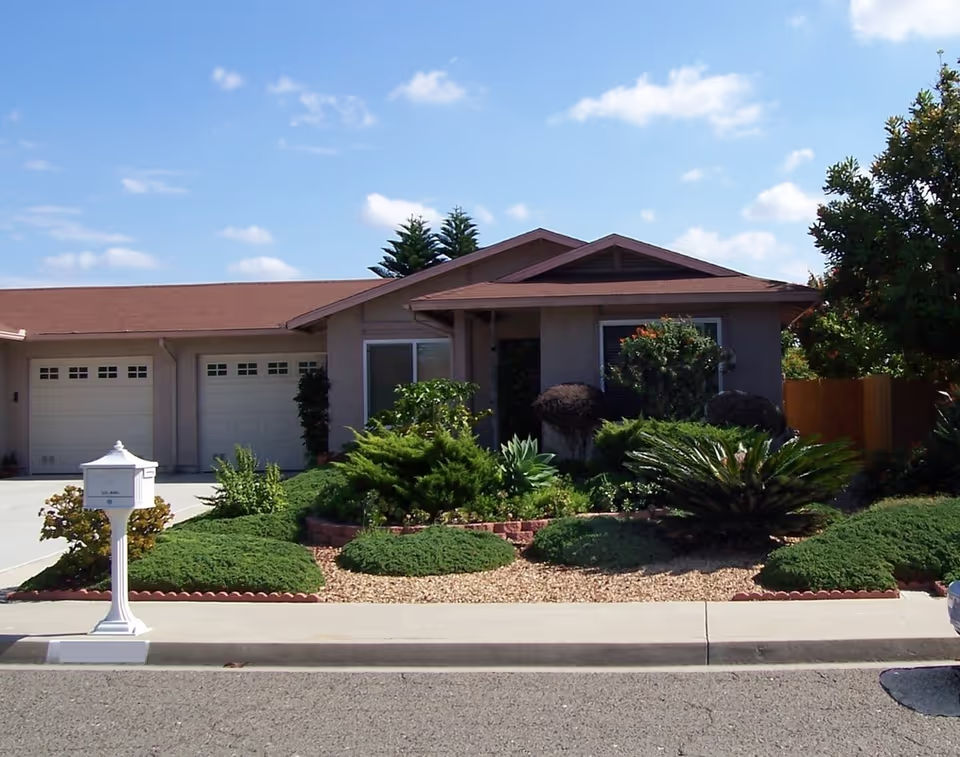
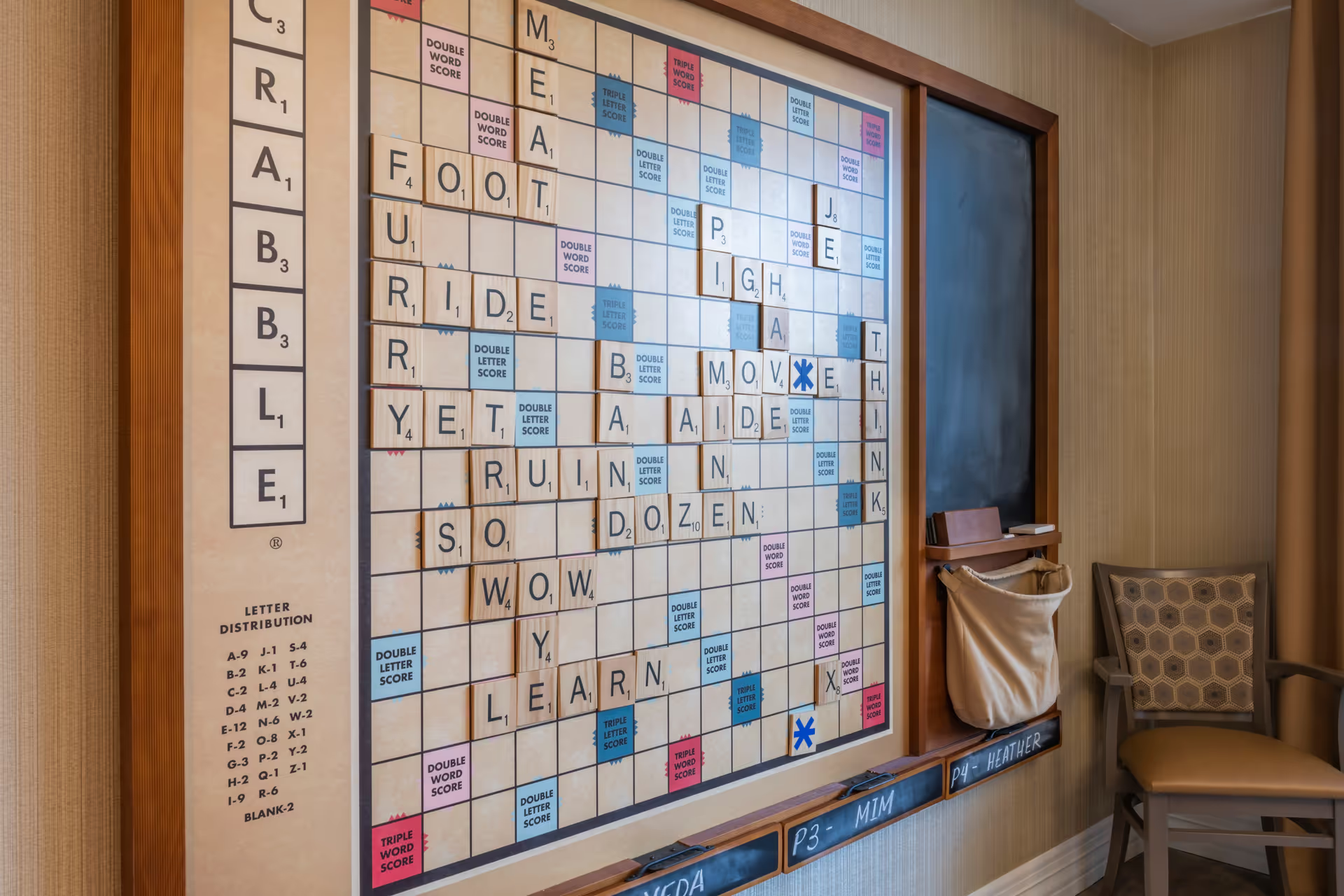
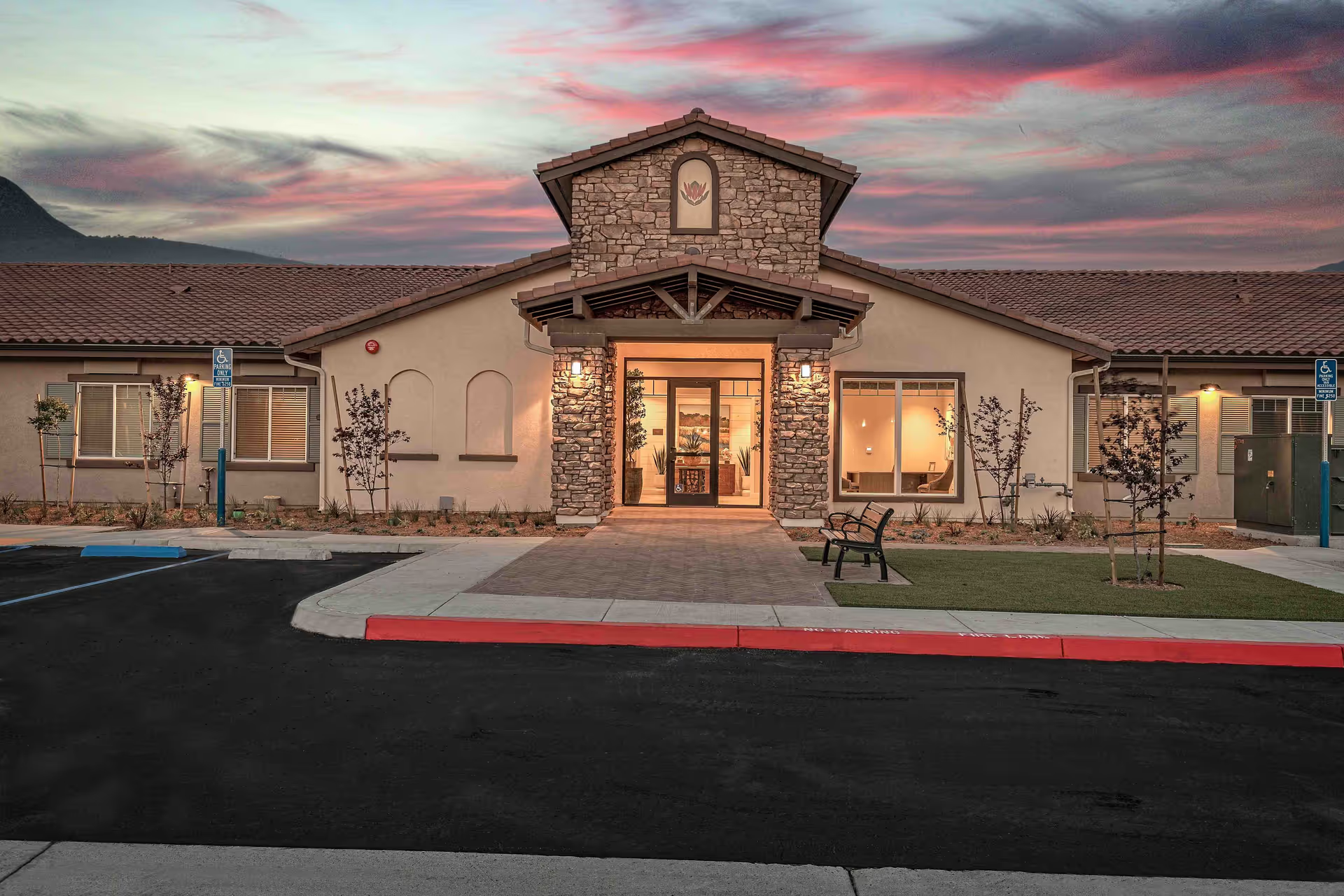
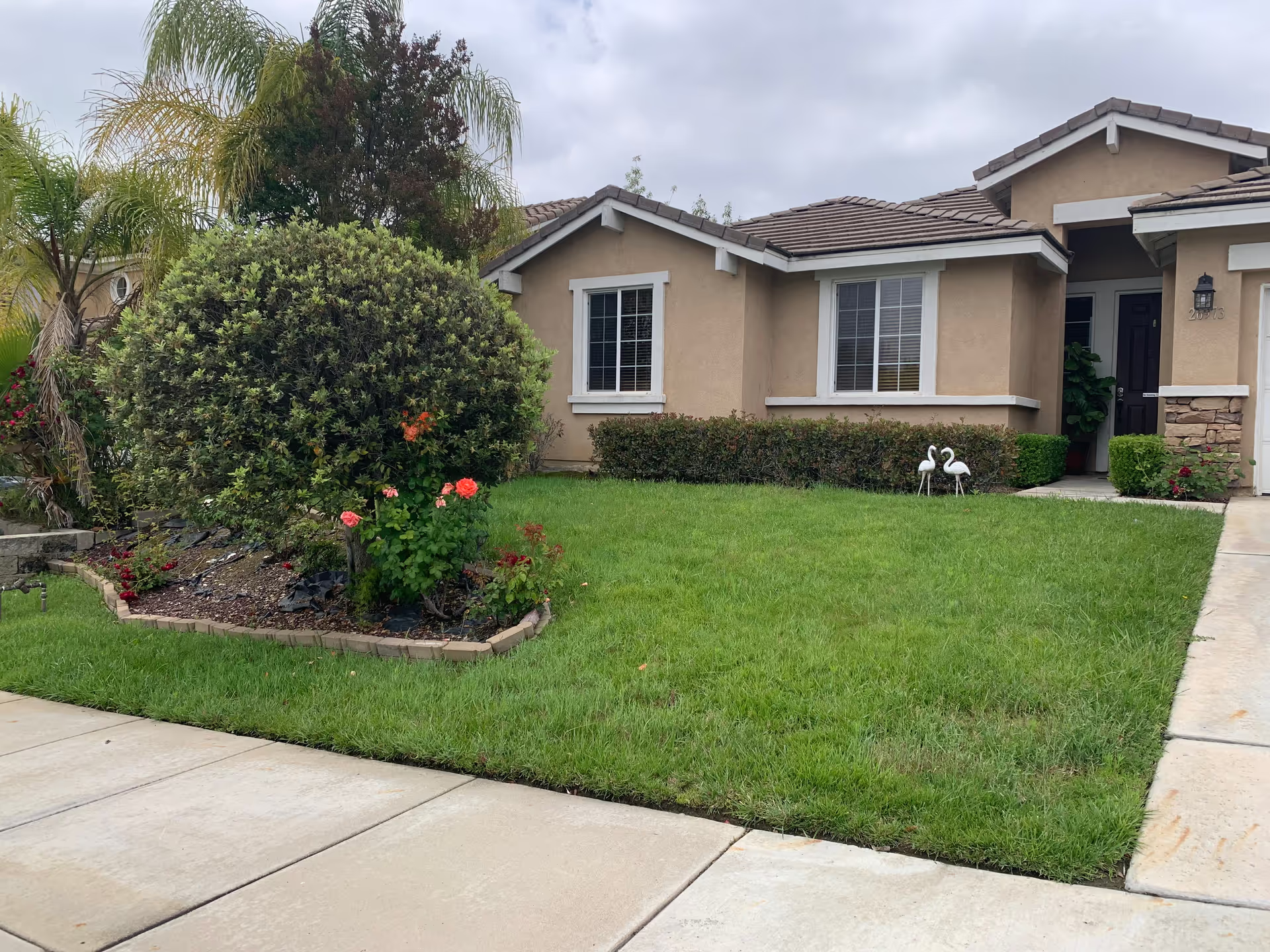
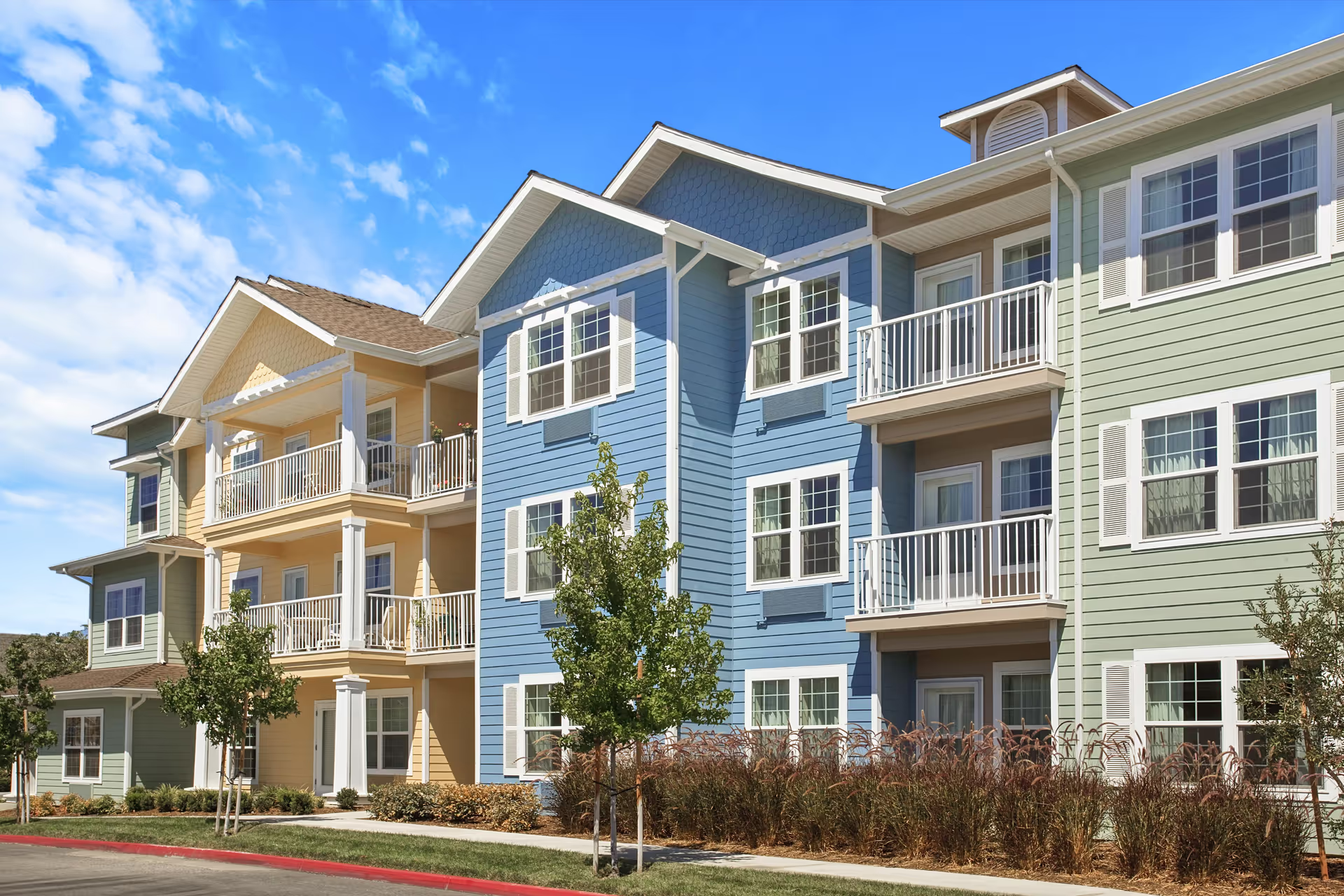
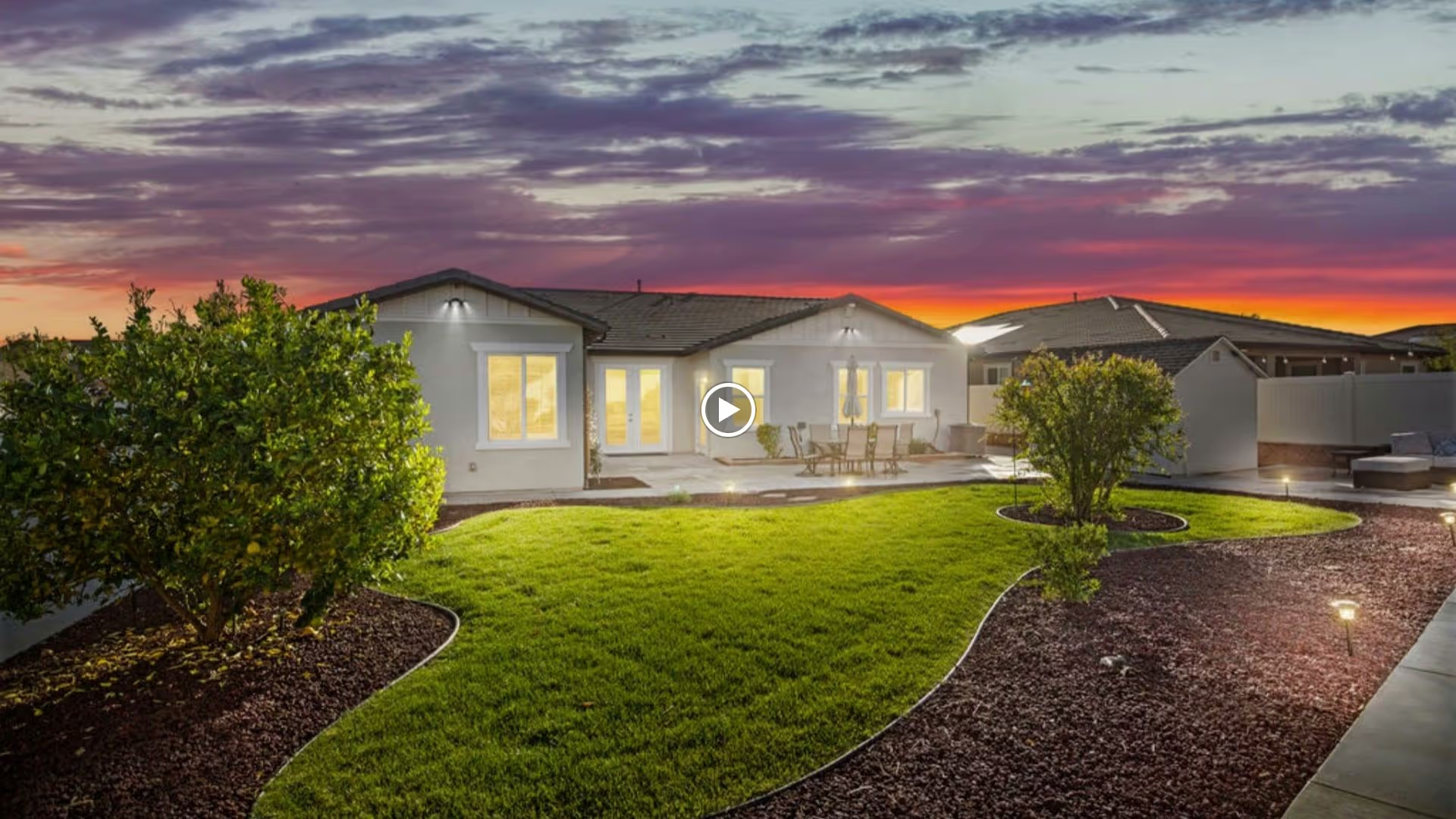
Atria Park of Vintage Hills is consistently described as a well‑kept, resort‑style senior community with extensive grounds and a broad amenity set. Reviewers frequently praise the campus landscaping, pool, salon, multiple dining venues, and social spaces that support interaction and camaraderie. Many families and residents highlight attentive, compassionate staff and an active calendar that includes exercise classes, socials, outings, and hobby groups. The community offers a full continuum of care—independent, assisted, and memory care—which is attractive for residents seeking a long‑term option on a single campus.
Care quality and staffing receive mixed but specific feedback. Numerous comments commend direct caregivers, med‑techs, and nursing teams for kindness and responsiveness; families cite positive transitions and supportive staff interactions. That said, reviewers also describe variability in staffing levels and turnover, and several reviews raise concerns about limits to on‑site clinical coverage for higher‑acuity needs (for example, medication logistics, injections, bedside call systems, and monitoring). There are recurring observations about gaps in fall‑prevention measures and monitoring technology, which prospective families should evaluate relative to a resident’s clinical risk.
Dining is a notable strength in format and choice—restaurant‑style service, multiple venues, and special events are frequently mentioned—but food quality and consistency are uneven. Reviewers contrast well‑executed meals and a talented chef with accounts of packaged or lukewarm service, decreased variety, and difficulty accommodating therapeutic diets such as low‑sodium plans. Families should confirm current menu practices and special‑diet handling during a tour and taste test.
Activities and social life are widely praised for variety and frequency, from water aerobics and clubs to trips and themed events. However, some reviewers found that an advertised activity calendar did not always translate into active programming observed at the time of visit, and memory‑care engagement was described as more limited in a few accounts. Transportation services and on‑site drivers are a consistent positive for appointments and shopping.
Facility condition is generally described as clean and well maintained in public areas, with ongoing refurbishments. At the same time, several reviewers note aging interior finishes in some apartments—carpeting, cabinetry, and other elements—and inconsistent completion of upgrades. Maintenance responsiveness is another theme: common areas receive attention, but unit‑level repairs have been characterized as slow or incomplete by some families.
Management and administration show a split pattern. Many reviewers praise specific leaders and admissions staff for helpfulness, communication, and smooth moves‑in. Others raise concerns about billing practices, fee increases, deposit/refund handling, and occasional lapses in family communication. Security and access‑control practices also vary across accounts (front‑desk coverage, gate monitoring, and door hardware), so verify current procedures for after‑hours access and emergency response.
Notable patterns: experiences at the community range from highly positive—residents describing improved social life, good food, and trusting relationships with staff—to critical reports centered on clinical coverage, safety systems, dining consistency, and administrative transparency. Prospective residents and families should weigh the strong social environment, amenities, and many examples of compassionate caregiving against operational items that affect safety and daily living. Practical next steps include an unannounced meal visit, specific questions about nursing coverage and fall‑prevention protocols, a walk‑through of a typical apartment (including maintenance history), and a detailed review of the residency agreement, fees, and billing practices before committing.