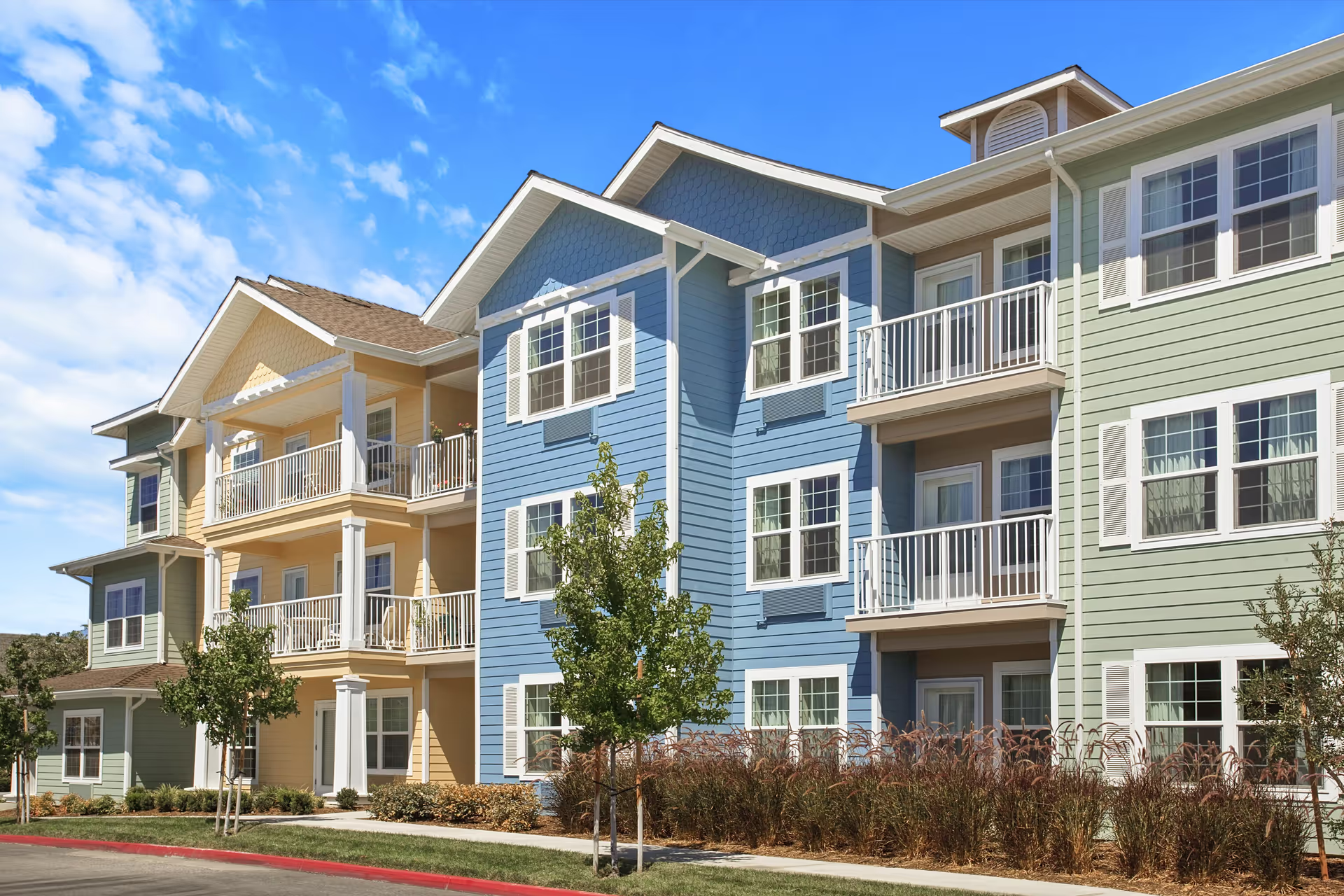
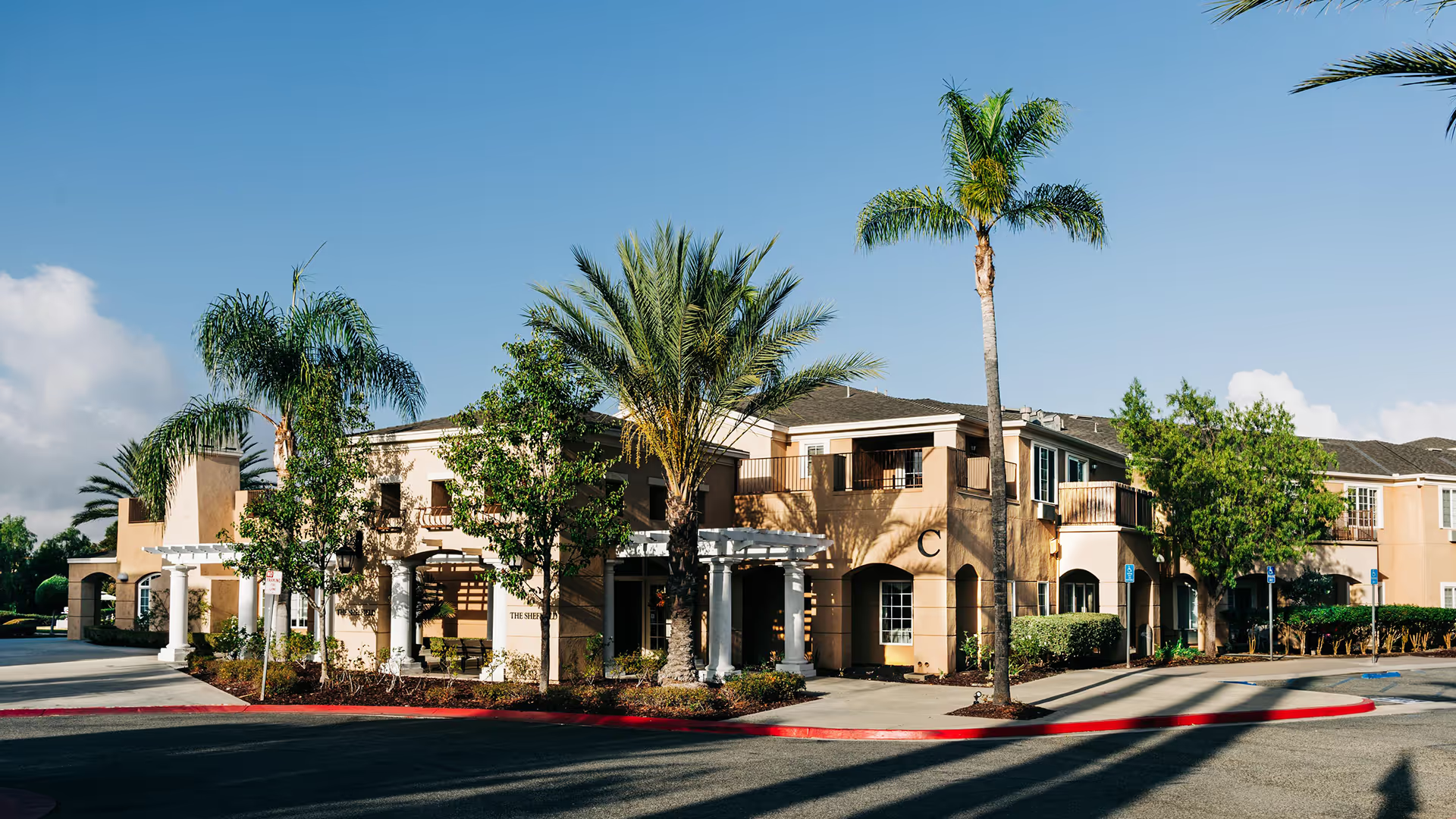
Overall impression: Vineyard Ranch at Temecula receives consistently positive comments for its caring staff, memory-care capabilities, and social atmosphere. Many families and residents describe warm, attentive caregivers, engaged leadership, and a small-community feel. The community offers a broad suite of on-site clinical resources and amenities — including weekly medical visits, therapy services, a salon, and a built-in gym — set in an attractive, well-maintained campus with multiple indoor and outdoor common areas.
Care and staff: The consensus among reviews highlights staff warmth, individualized attention, and strong memory-care practices. Families frequently mention staff who know residents by name and provide hands-on support with activities of daily living. Leadership and certain directors receive praise for regular family updates and proactive communication. That said, reviewers also describe variability in staffing reliability and turnover; some families reported instances of missed shifts or inconsistent caregivers. A smaller number of accounts raise concerns about medication management and clinical supervision, which suggests monitoring and consistent clinical oversight are an area for attention.
Dining and nutrition: Dining is a clear strength for many residents — described as restaurant-style with appealing holiday meals and flexible menu options. The chef and meal service receive frequent praise, and on-site dining spaces are used for family visits. At the same time, a recurrent request is for greater menu variety and more diverse ethnic and vegetable-forward options; a few reviewers flagged intermittent under-seasoning or cold food. Overall the dining program is well-regarded but shows signs of inconsistency in variety and occasional quality control.
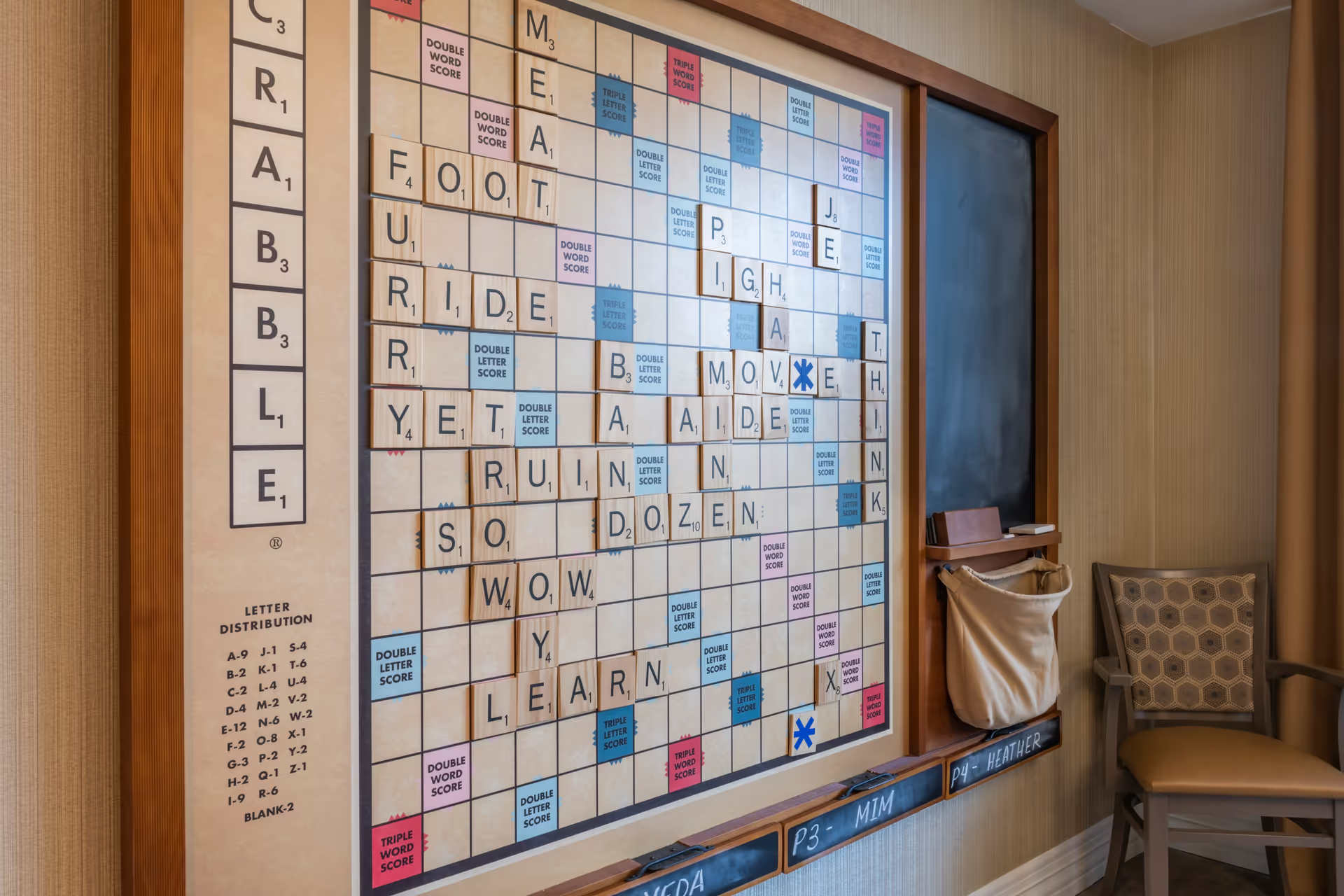
Activities and social life: The activity program is generally robust and varied: arts and crafts, choir, happy hours, indoor lawn bowling, gardening, pet therapy, and religious services are among offerings. The small, intimate size of the community supports social connections and regular events. However, reviewers diverge on resident engagement — some note very active participation, while others feel cognitive-stimulation programming or participation levels could be stronger. Integration of new residents into dining and social routines was also identified as an area for improvement.
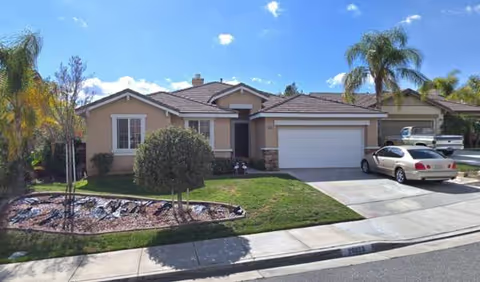
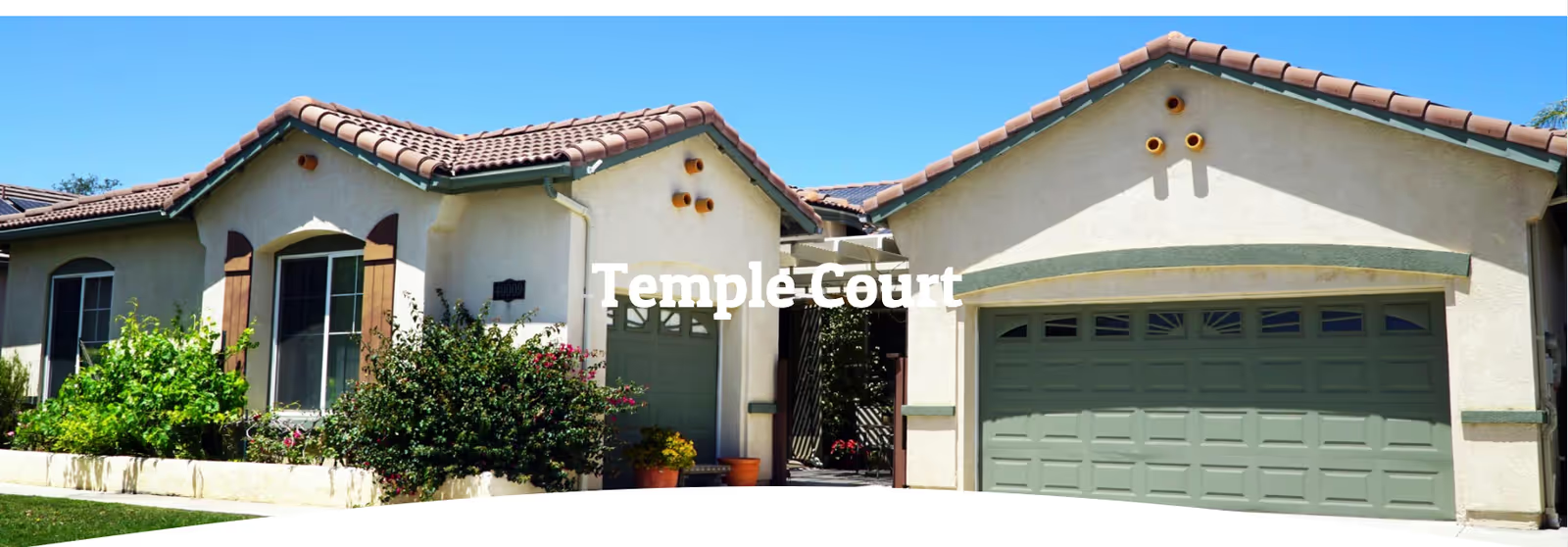
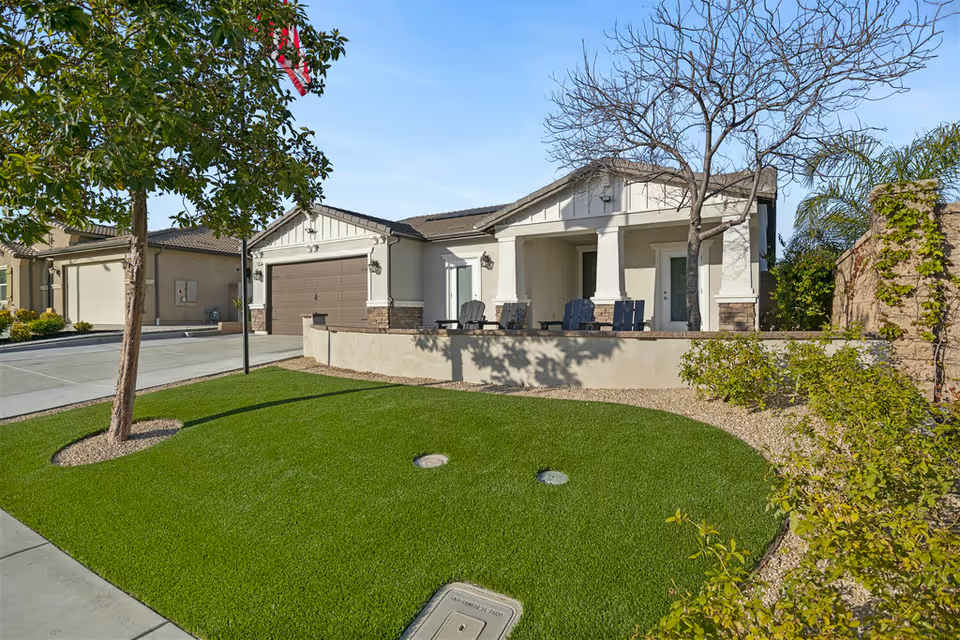
Facilities and environment: Many reviewers praise the clean, attractive interiors, pleasant grounds, gated courtyards, and comfortable common areas. Apartments are described as comfortable and light-filled, though private spaces are frequently characterized as small and some rooms are located farther from amenities like elevators. A few comments point to periodic cleanliness or odor concerns in certain common areas and suggest outdoor lounging spaces could use upgrades. Overall maintenance is seen as good, contributing to a resort-like campus feel.
Management, policies, and value: Leadership is often highlighted as responsive and family-oriented, with examples of good communication and support during hospital transitions and pandemic conditions. There are also recurring notes about pricing perceptions — while some families feel the community provides good value, others found costs surprising and wanted clearer upfront pricing for anticipated services. Visitation and acclimation policies (restricted visitation during initial periods) were noted as a friction point for some families. In several reviews communication around larger operational concerns or incidents was described as variable, indicating room to standardize follow-up and transparency.
Notable patterns and guidance: Prospective residents should expect a community with strong person-centered care, solid memory-care programming, plentiful activities, and generally well-regarded dining and amenities. Useful follow-up when touring would include questions about staff continuity and turnover, medication-management protocols, meal planning and menu cycles, exact pricing and what services are included, and the facility’s approach to integrating new residents socially. Asking for recent family communication samples and how the community handles clinical escalations or staffing gaps can help clarify the areas where reviewers indicated variability.