Reviewer feedback for Tracy Nursing and Rehabilitation Center presents a mixed but distinct pattern: many families and residents praise the facility’s clinical rehabilitation capabilities, daily therapy offerings, and several individual staff members for restoring mobility and facilitating successful discharges. The therapy department, including named clinicians, receives consistent commendation for effective, recovery-focused programs. Nursing staff, CNAs, and frontline caregivers are frequently described as compassionate and attentive, and leadership is credited with maintaining a mission-driven culture that supports family-centered care.
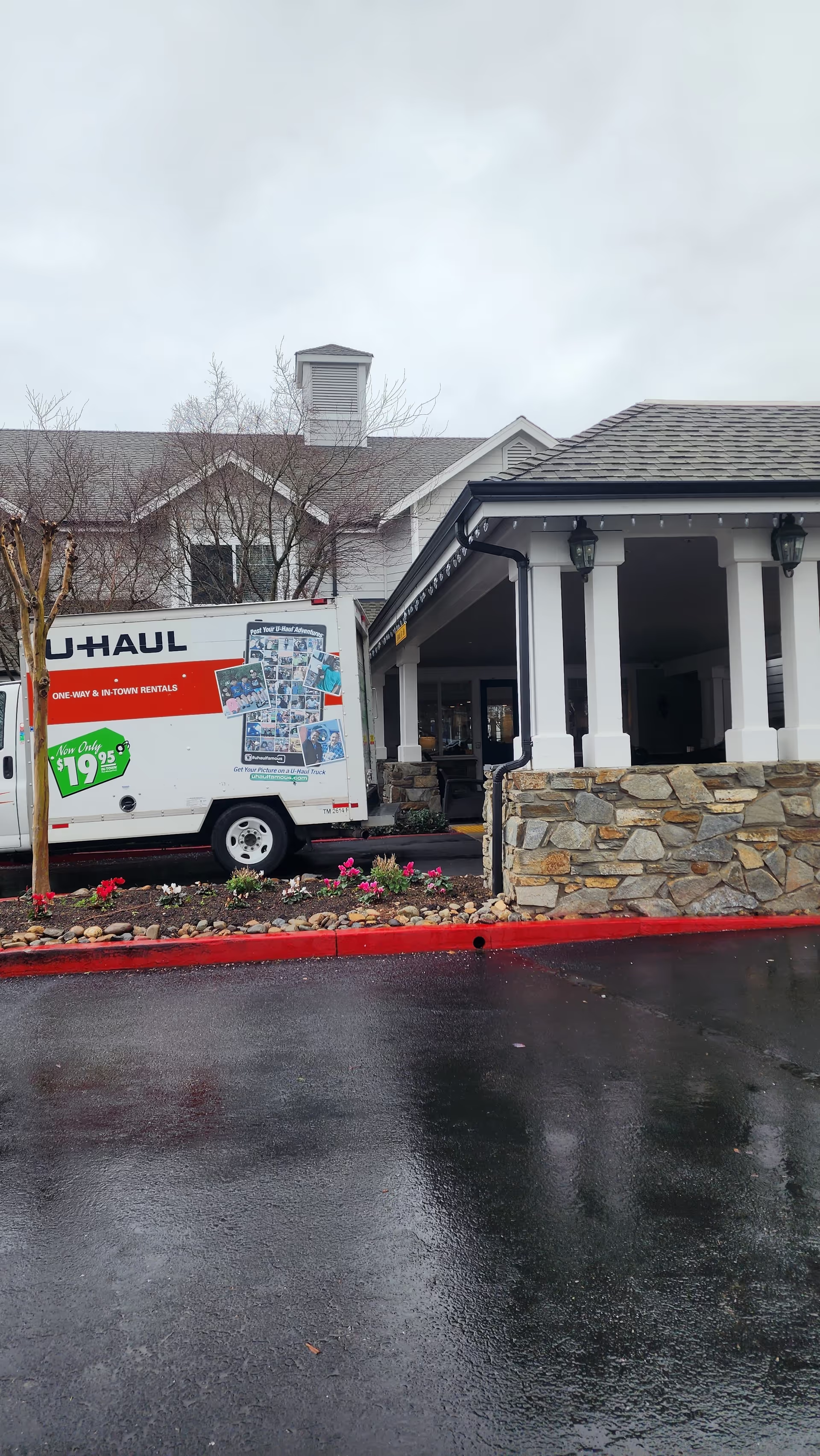
Dining and activities are other commonly cited strengths. Multiple accounts note flavorful, well-prepared meals, varied dining options, and organized recreational programming such as monthly events, barbecues, spiritual services, and specialist therapies (for example, technology-assisted therapy). The physical environment is often described as clean, well-lit, and modernized in parts, with pleasant common areas and grounds; infection-control measures and COVID-19 protocols are also described as robust.
Alongside these positives, a set of operational concerns recurs. Several reviews describe delays or inconsistency in attending to personal-care needs and assistance with feeding and repositioning, suggesting gaps in responsiveness and care workflows. Relatedly, there are concerns about medication oversight and psychotropic-medication management, which some families view as contributing to adverse outcomes. Meal-service continuity and the consistency of dietary accommodations are uneven in some accounts. Cleanliness and sanitation standards appear variable across units, and there are isolated pest-control concerns noted.
Communication and discharge practices are additional themes. Some families reported difficulties obtaining timely explanations or felt their concerns were minimized, indicating room for improvement in family engagement and transparency. A few descriptions raise serious clinical questions about transfers and discharge safety; these are significant and warrant direct review of documentation and follow-up with regulatory or clinical oversight as appropriate. Finally, reviewers expressed questions about the authenticity of some very positive postings, which suggests the facility may benefit from clearer public communication and third-party validation of outcomes. Overall, prospective residents and families should weigh the facility’s strong rehabilitation and many caring staff against the noted operational variability, and consider in-person inspections and direct conversations with clinical leadership to address specific care and safety questions.