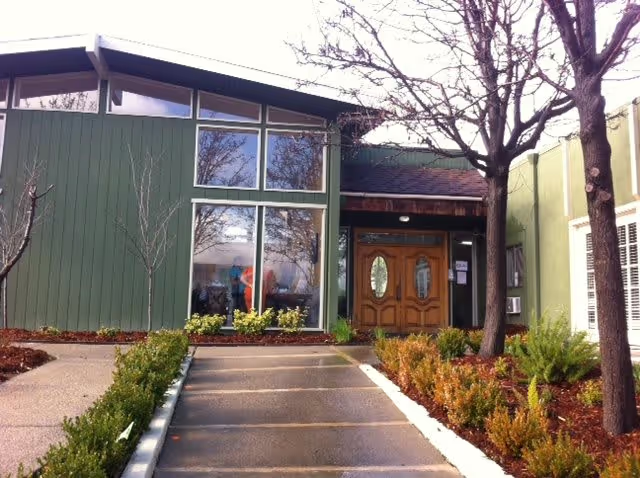
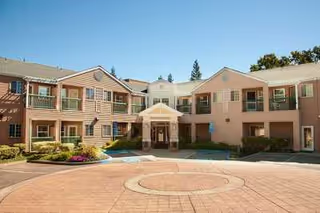
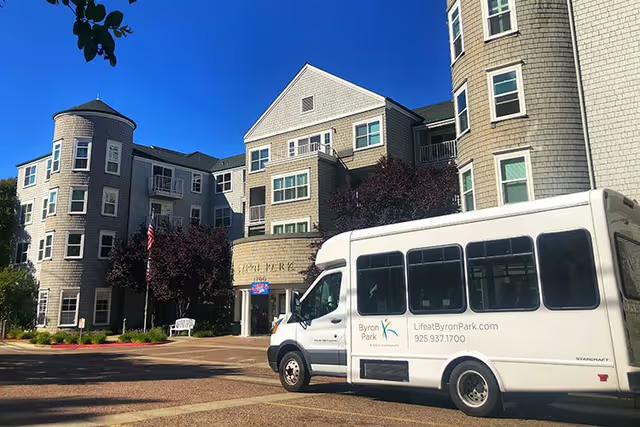
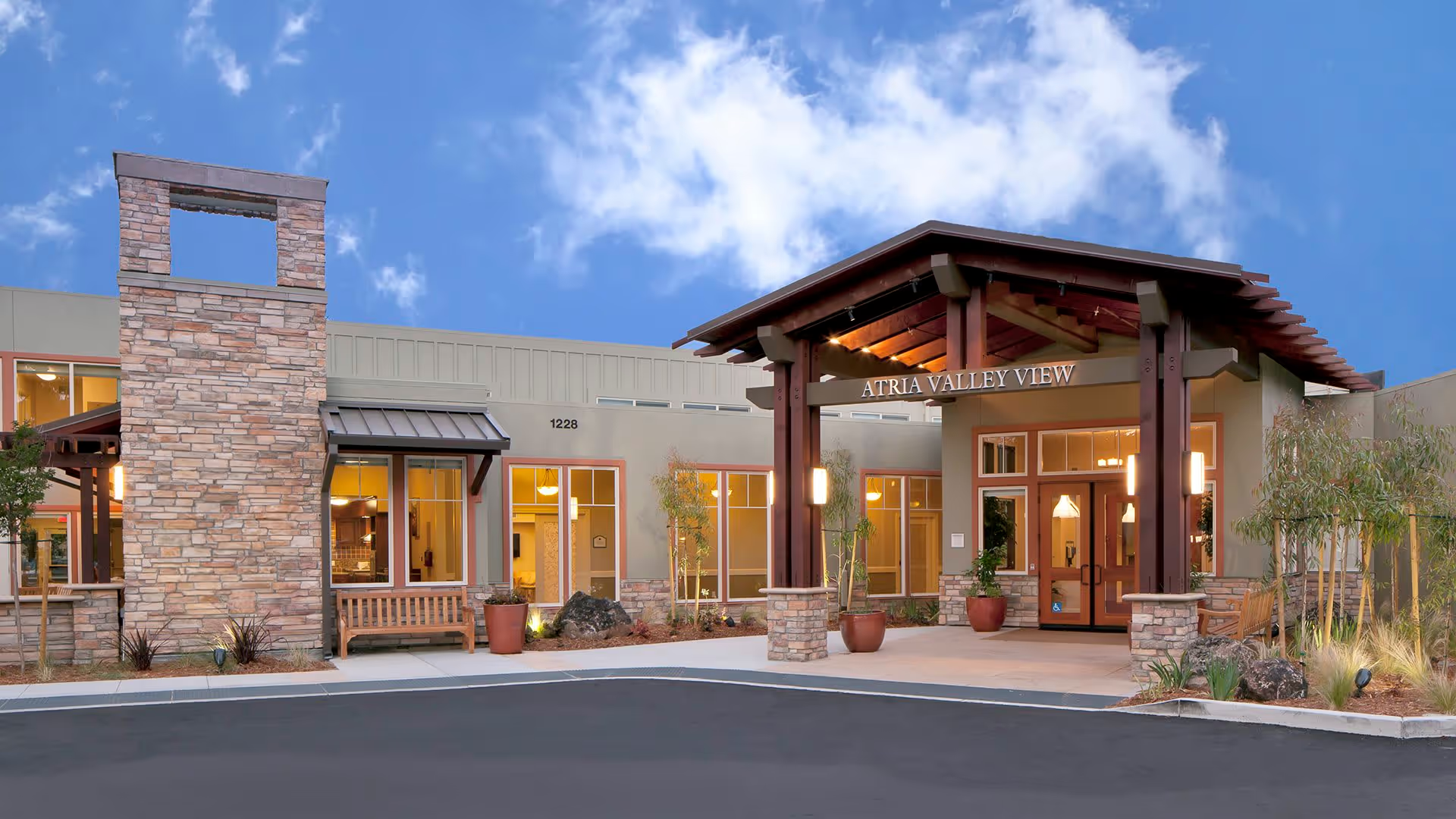
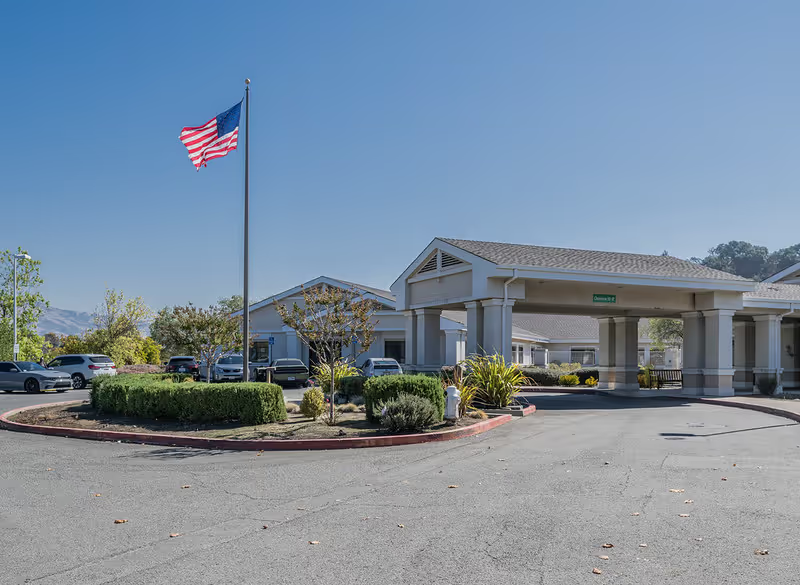
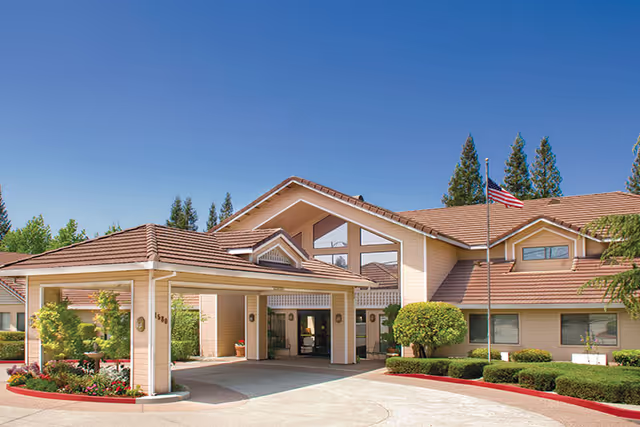
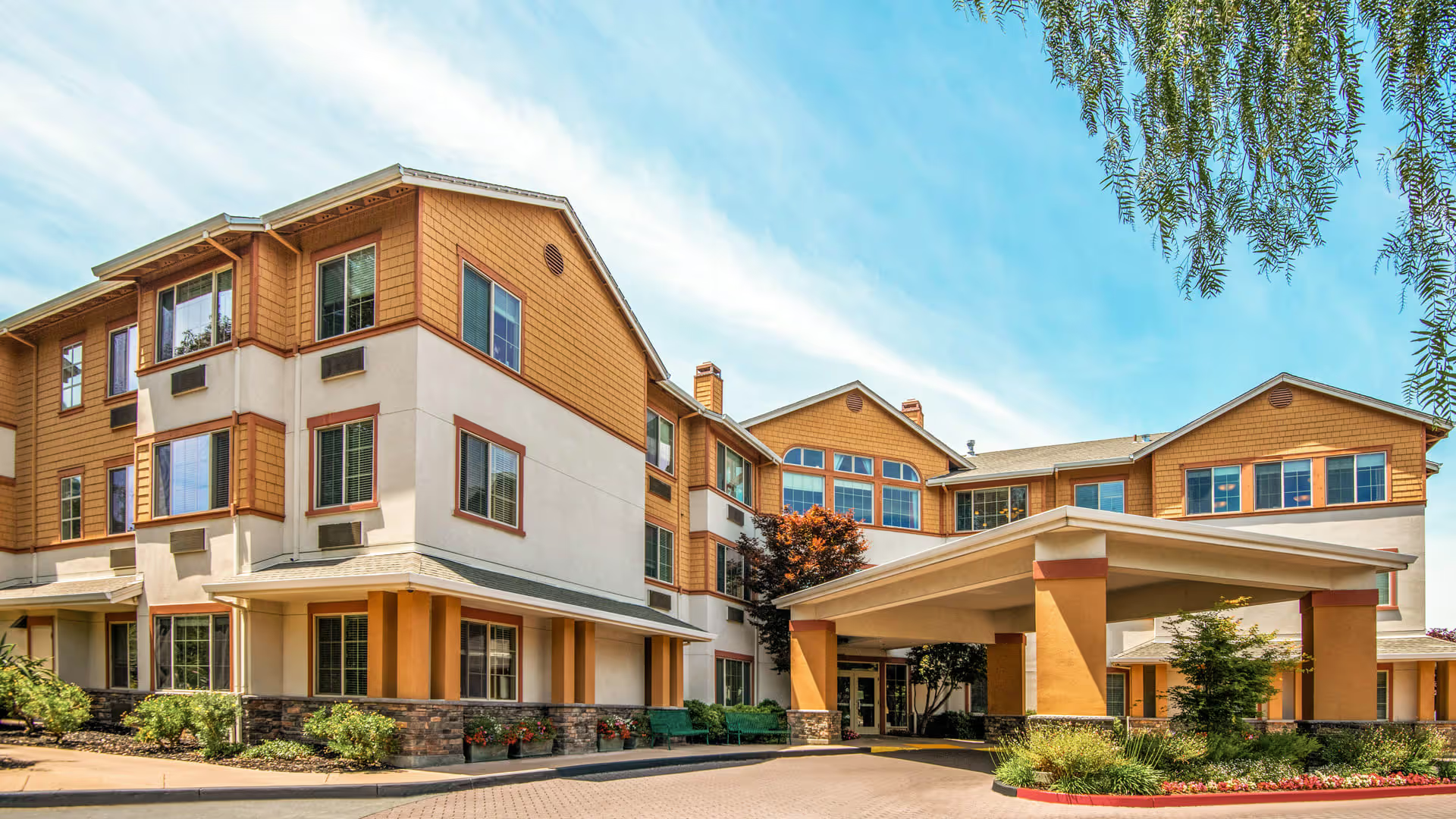
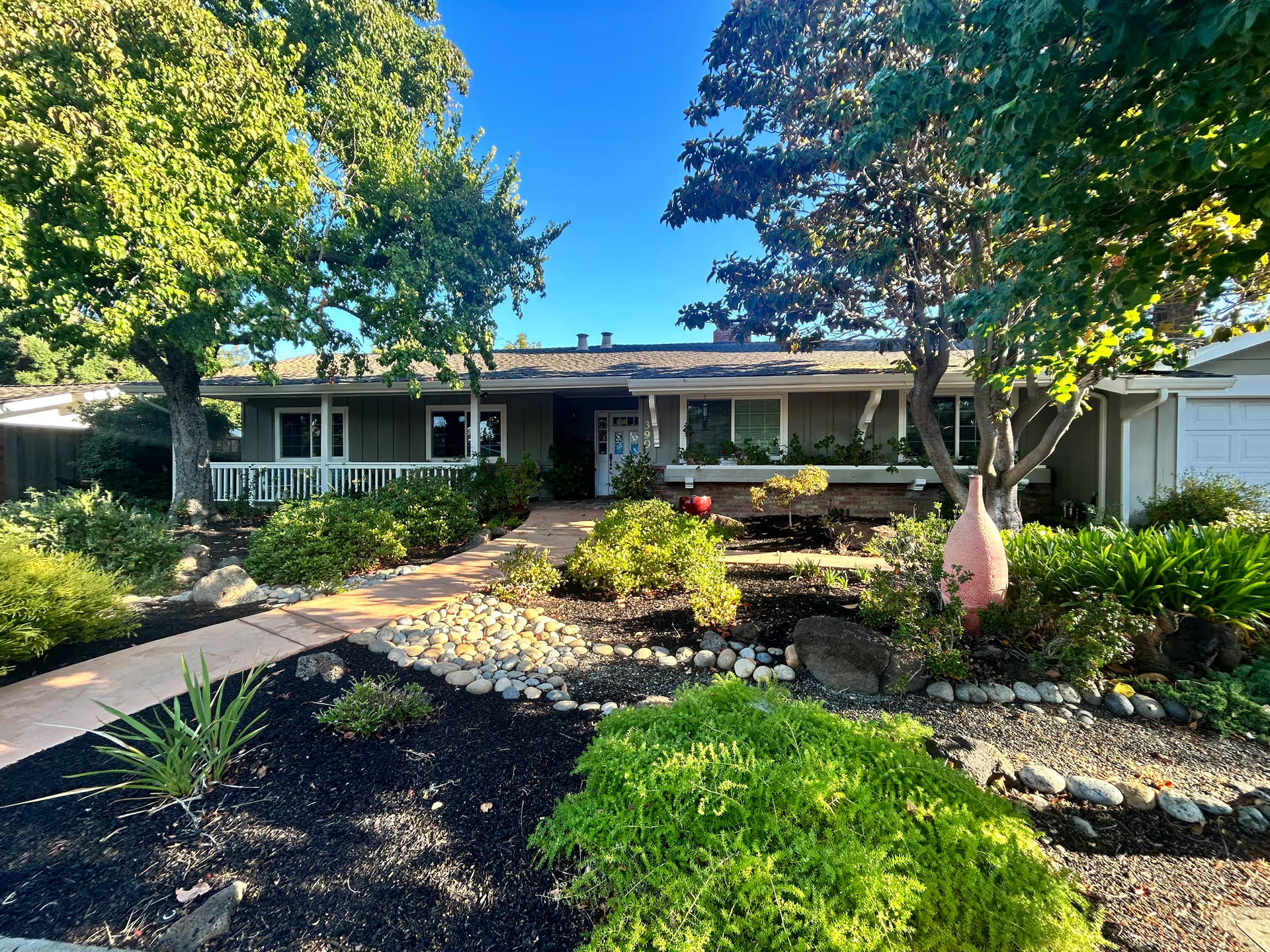
Heritage Downtown presents as a well-appointed independent-living community with a strong emphasis on social engagement, on-site amenities, and restaurant-style dining. Its downtown Walnut Creek location, attractive landscaping and common areas, and a long list of amenities (pool, gym, library, movie theater, salon, and dining room) are consistently highlighted. Apartments range from smaller units to large three-bedroom homes; several units include full kitchens and in-unit laundry, and many residents describe a quick, welcoming transition onto the campus.
Staff and day-to-day services are frequently described as a major strength. Reviewers emphasize friendly, attentive employees, thorough orientation and tours, helpful maintenance and housekeeping teams, and a family-like resident community. Weekly housekeeping, included meals, and responsive maintenance contribute to a perception of reliable hospitality. Activities programming appears robust and varied—exercise classes, clubs, bridge, outings to local events, and scheduled trips are recurring features that support an active lifestyle for residents.
Dining receives overall strong praise for quality, variety, and portion size; the on-site restaurant and included meals are frequently cited as a highlight. That said, there are intermittent notes about inconsistent meal experiences — reviewers alternately describe excellent and occasionally subpar offerings — indicating variability in dining quality depending on timing or menu choices.
Care and clinical capability are important distinguishing factors at Heritage Downtown. The community operates primarily as independent living and is not configured as an assisted-living or skilled-care setting. Reviewers identify limits on medication administration and on-site clinical services, and the facility is described as unsuitable for residents needing hands-on assisted care. Prospective residents who may need future assisted-living support should consider this constraint and plan transitions proactively.
Operational and facility-level weaknesses are evident in a few recurring areas. Administrative processes can be slow and at times require approvals from an external owner entity, which some reviewers found to delay decisions. Accessibility is uneven: some buildings have stairs, lower-height fixtures, or long walks from parking or the dining room that can challenge residents with mobility impairments; wheelchair accessibility may be restricted to certain unit types. Practical issues such as limited guest parking, complex garage access, package-handling delays, and occasional noise from deliveries were also noted. A small number of reviews raised pest-control concerns and described lapses that warrant follow-up. There are also references to strict pet and visitation rules and to relatively high monthly costs for certain apartment types.
In summary, Heritage Downtown is consistently characterized as a warm, activity-rich independent-living community with strong hospitality, appealing amenities, and an active resident culture. It is well suited to older adults seeking an independent lifestyle with plentiful social opportunities and high-quality dining. Families should weigh the facility’s limited clinical services, potential accessibility constraints, administrative approval processes, and operational issues such as parking, package handling, and occasional pest-control or noise concerns when determining fit and long-term suitability.