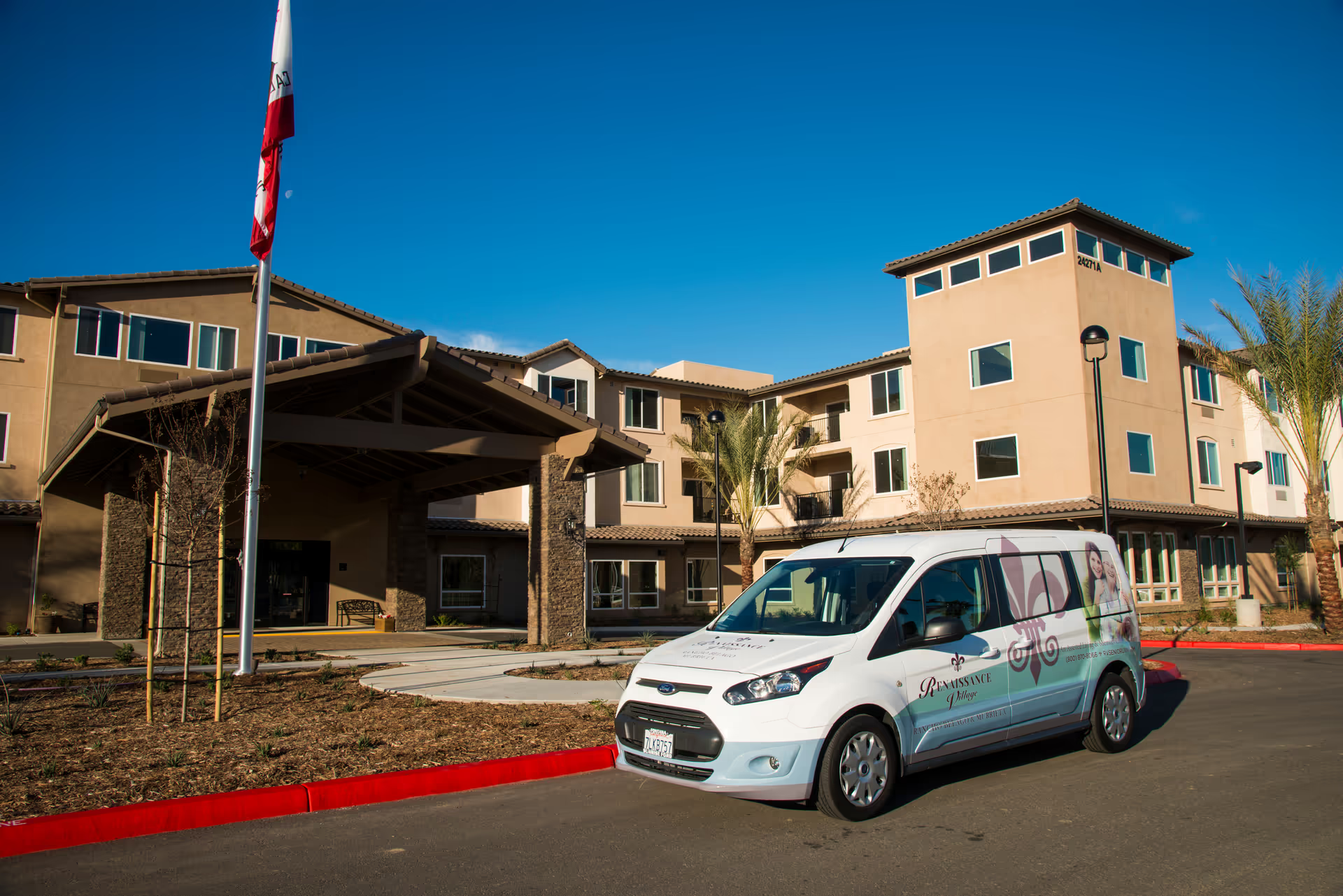
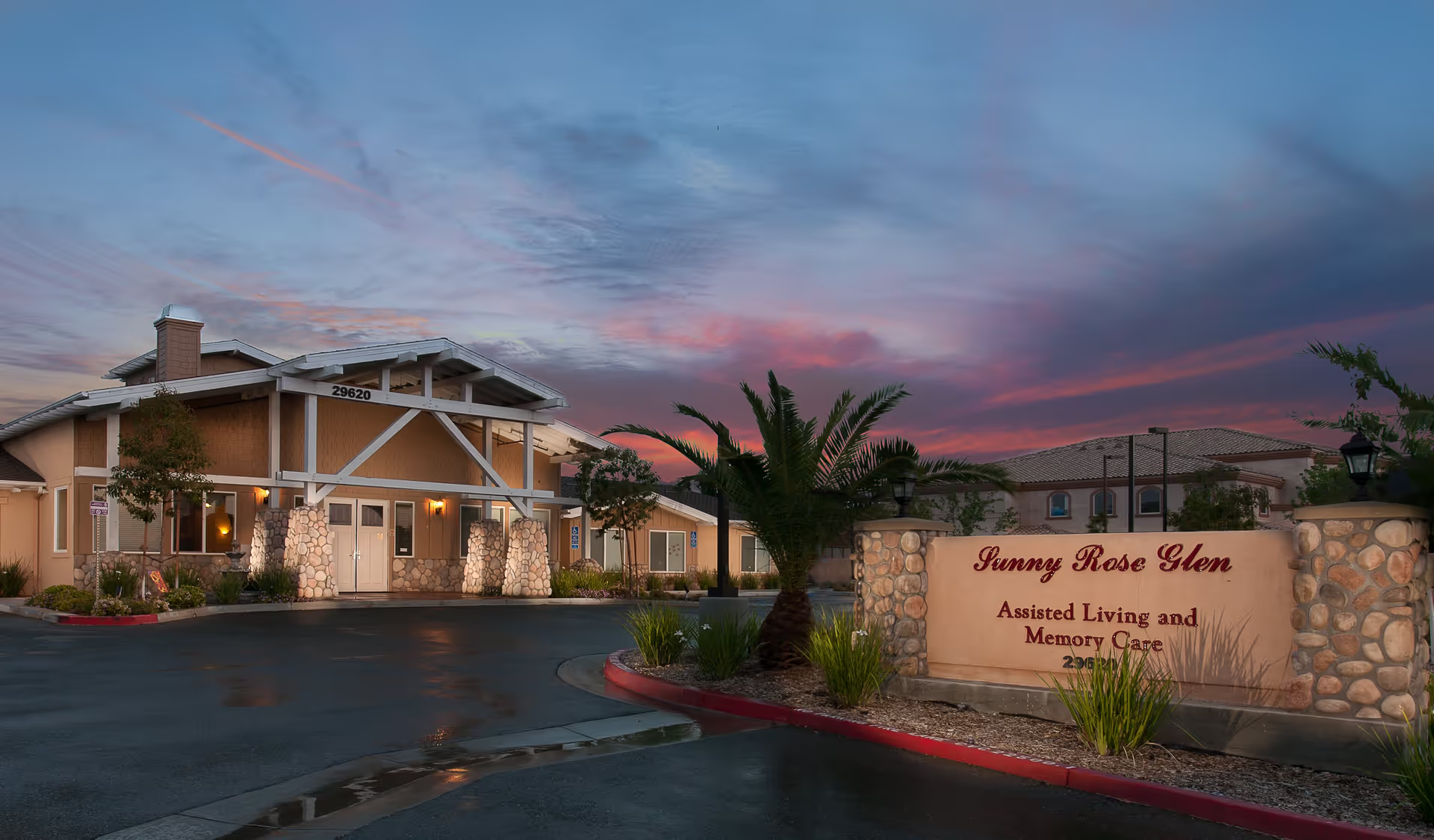
Overall impression: Reviews present Agape Home for the Elderly as a small, home-like long-term care residence with consistently positive feedback about day-to-day caregiving, cleanliness, and a welcoming environment. Families emphasize compassionate, resident-centered staff and describe the facility as bright, well-maintained, and comfortable for visits and celebrations. The cumulative tone indicates strong satisfaction with routine care and quality-of-life elements.
Care and staff: Care quality is characterized as attentive and personal. Reviewers highlighted staff willingness to coordinate with outside medical and hospice providers and to assist with appointments, which supports continuity of clinical care. The staffing style is described as family-oriented and nurturing; reviewers frequently used terms indicating warmth, patience, and professionalism. That said, there are indications that care continuity can vary depending on which staff members are on duty, and one significant communication lapse reported by a family suggests the facility’s urgent-notification practices may not be uniformly reliable.
Dining and activities: Dining receives positive remarks for home-style, nutritious meals, regular snacks, and special-event menus (holiday dinners, birthday celebrations). Social programming appears active and family-friendly, with regular get-togethers that reinforce the home-like atmosphere. These elements are presented as contributors to resident enjoyment and family reassurance.
Facilities and infection control: The physical environment is consistently described as clean, bright, and welcoming, with attention to laundry and laundry turnaround. Reviewers also noted effective infection-control measures and flexible arrangements for visits during times when extra precautions were needed (for example, outdoor/patio visits), which families found reassuring.
Management and communication: Management is generally portrayed as compassionate and proactive, particularly around quality-of-life concerns and visitation flexibility. However, a pattern emerges around communication: while routine updates and coordination with outside providers are strengths, there are instances of delayed family notification about urgent events and gaps in transparency during transitions into the home. These communication issues appear to be the primary operational weakness highlighted across comments and may affect family trust during critical moments.
Notable patterns and takeaway: Strengths center on personalized, hospice-capable care, clean facilities, home-style dining, and a family-like culture that supports social engagement and end-of-life comfort. The main area for improvement is strengthening formal communication protocols—especially timely notifications to families and consistency of care during staff changes or admissions—to reduce variability in experience. Prospective families should weigh the strong day-to-day care and atmosphere against the potential for episodic communication delays, and ask specific questions about notification procedures and staffing continuity during tours or intake discussions.