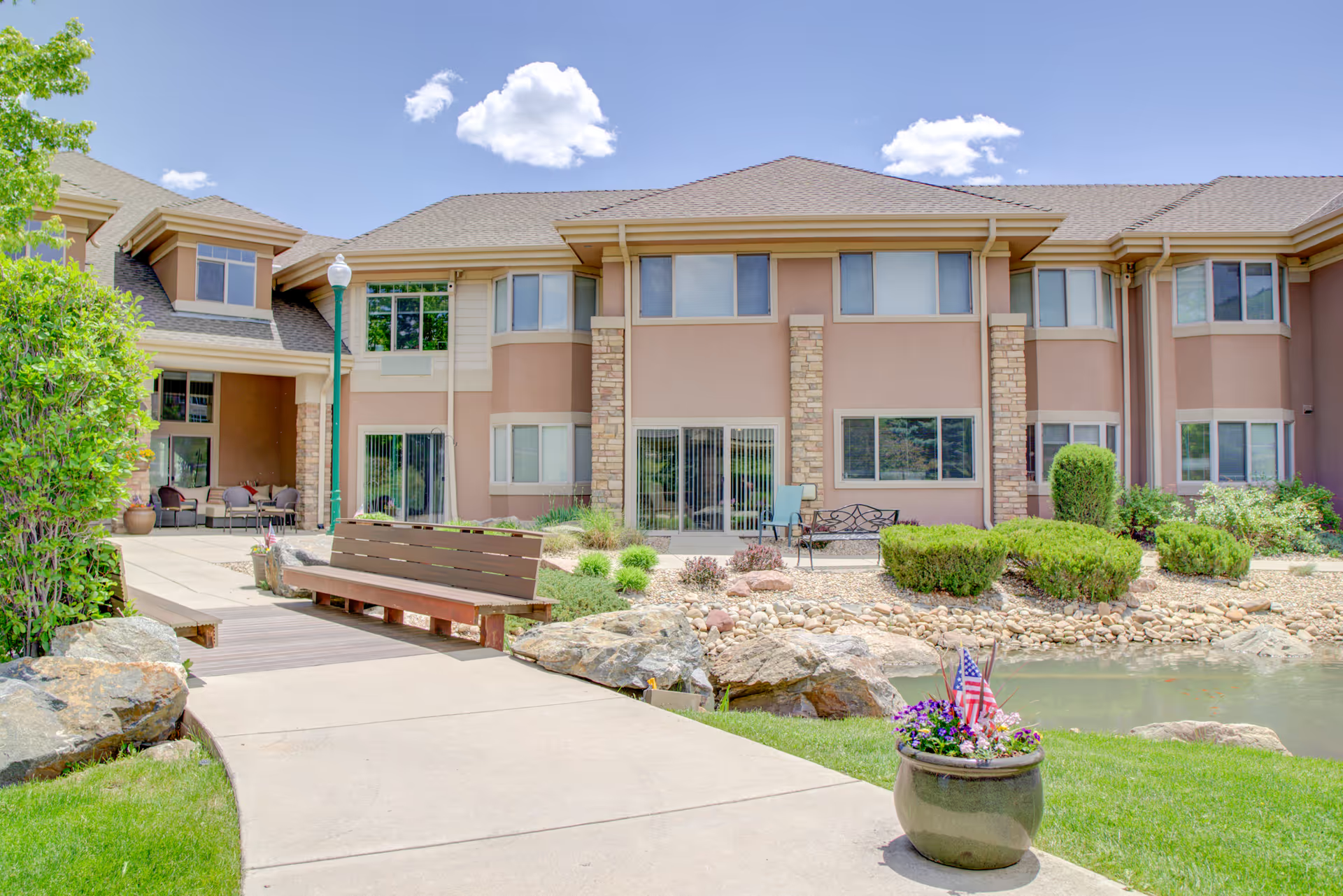
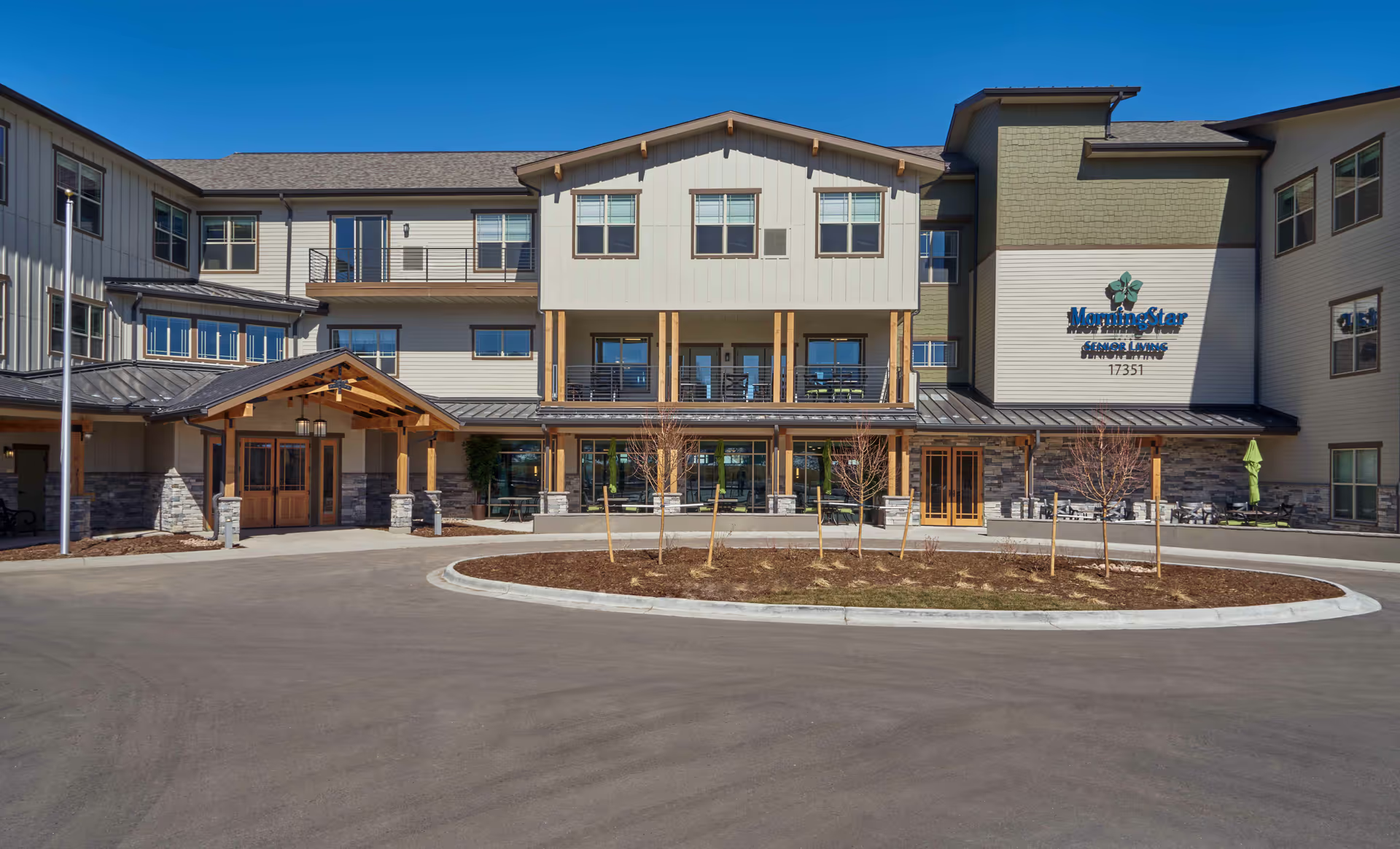
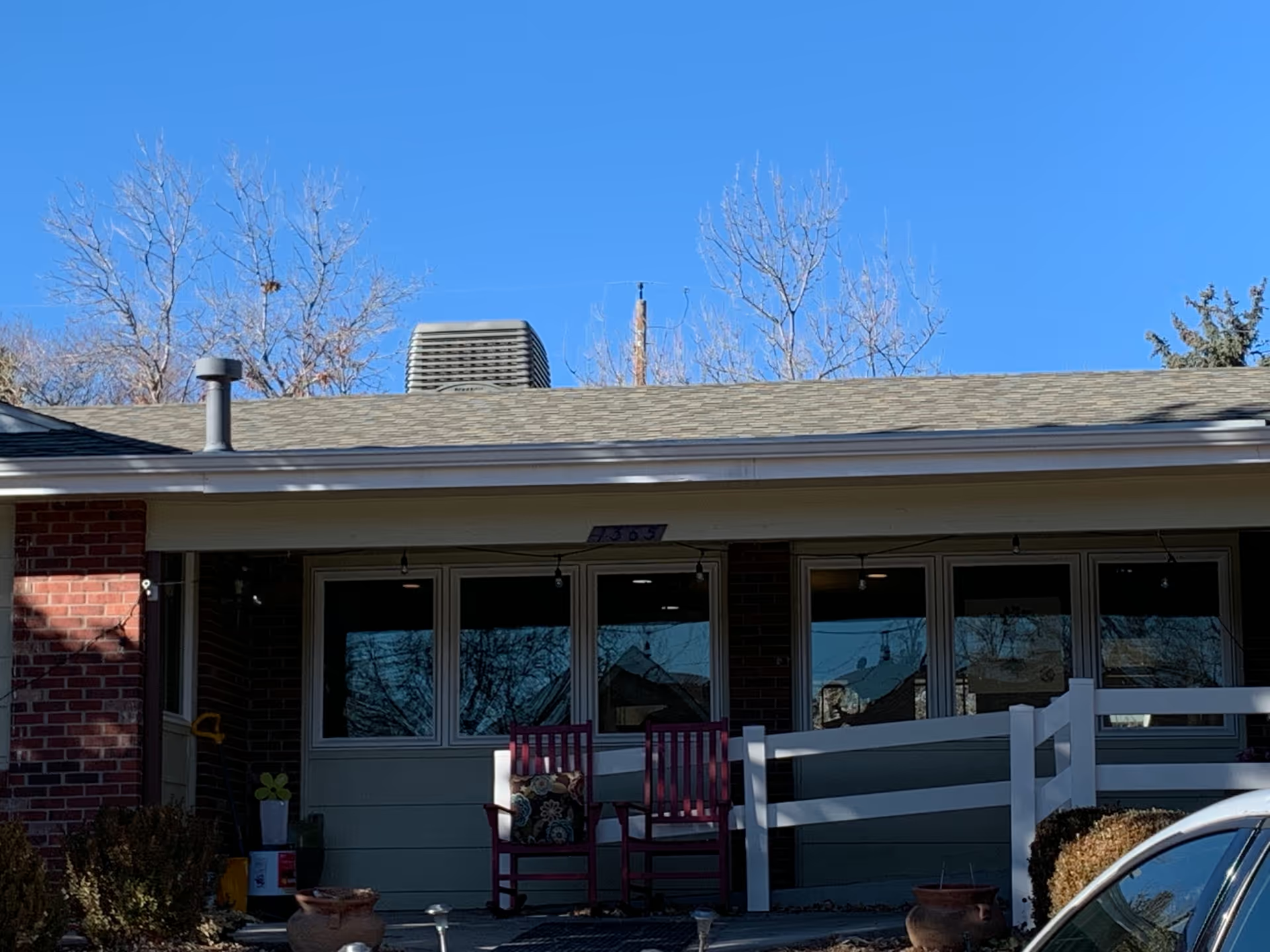
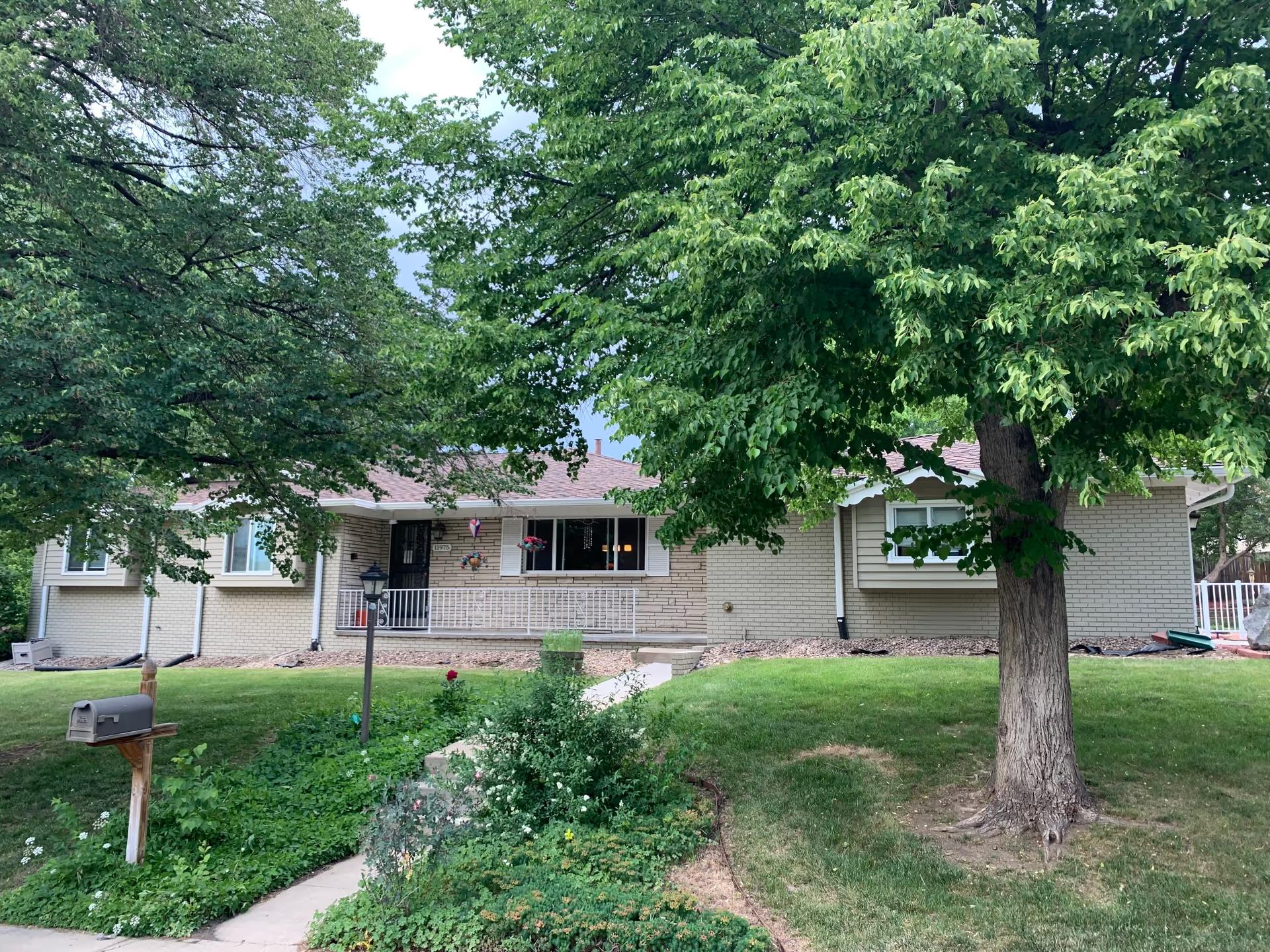
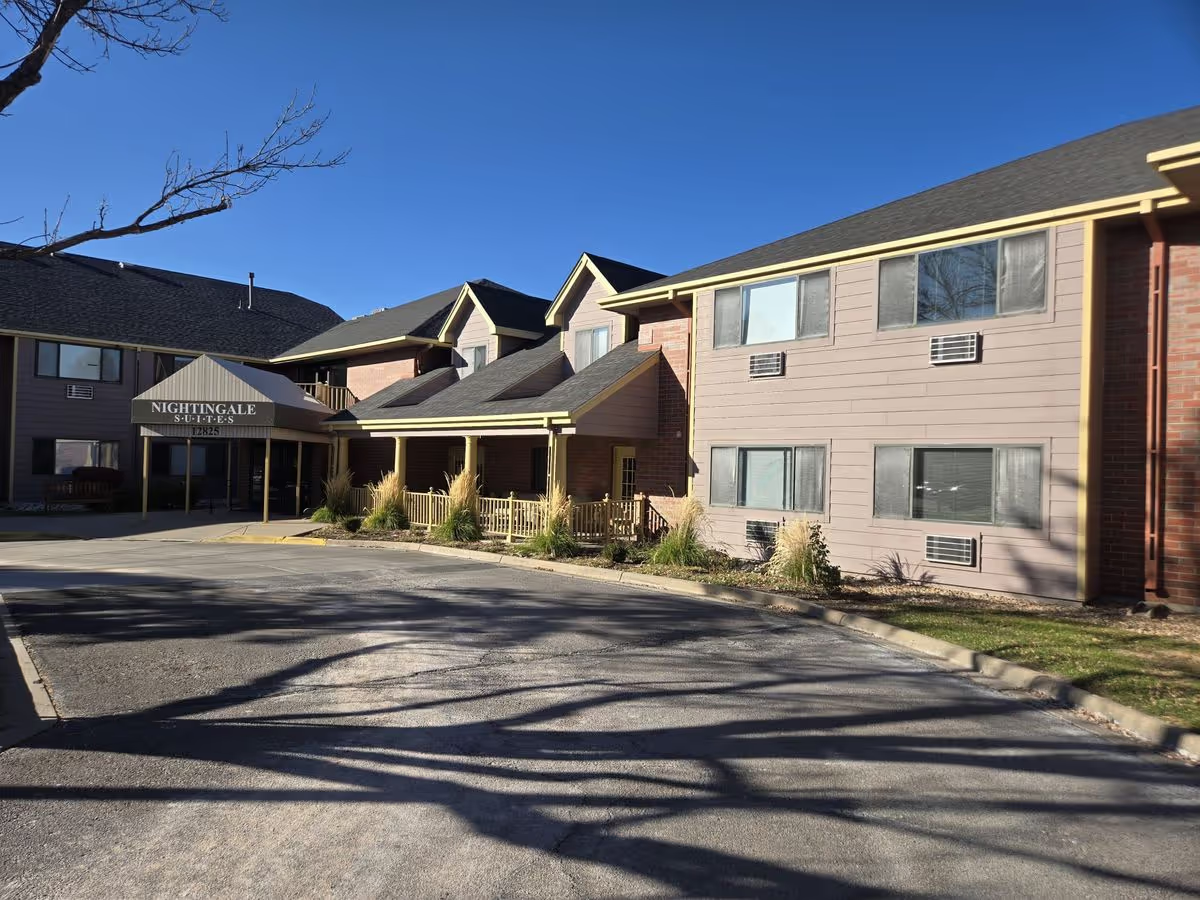
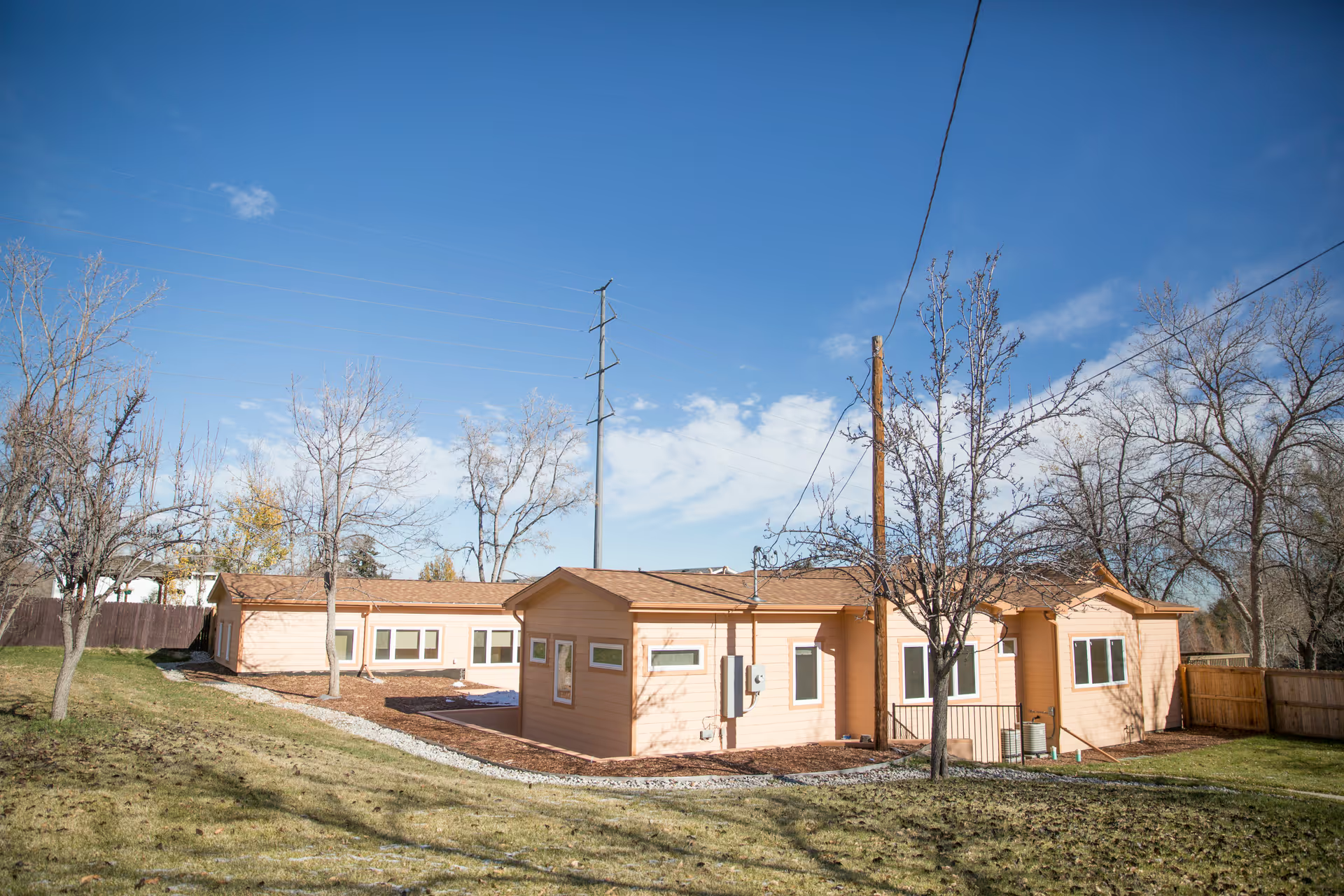
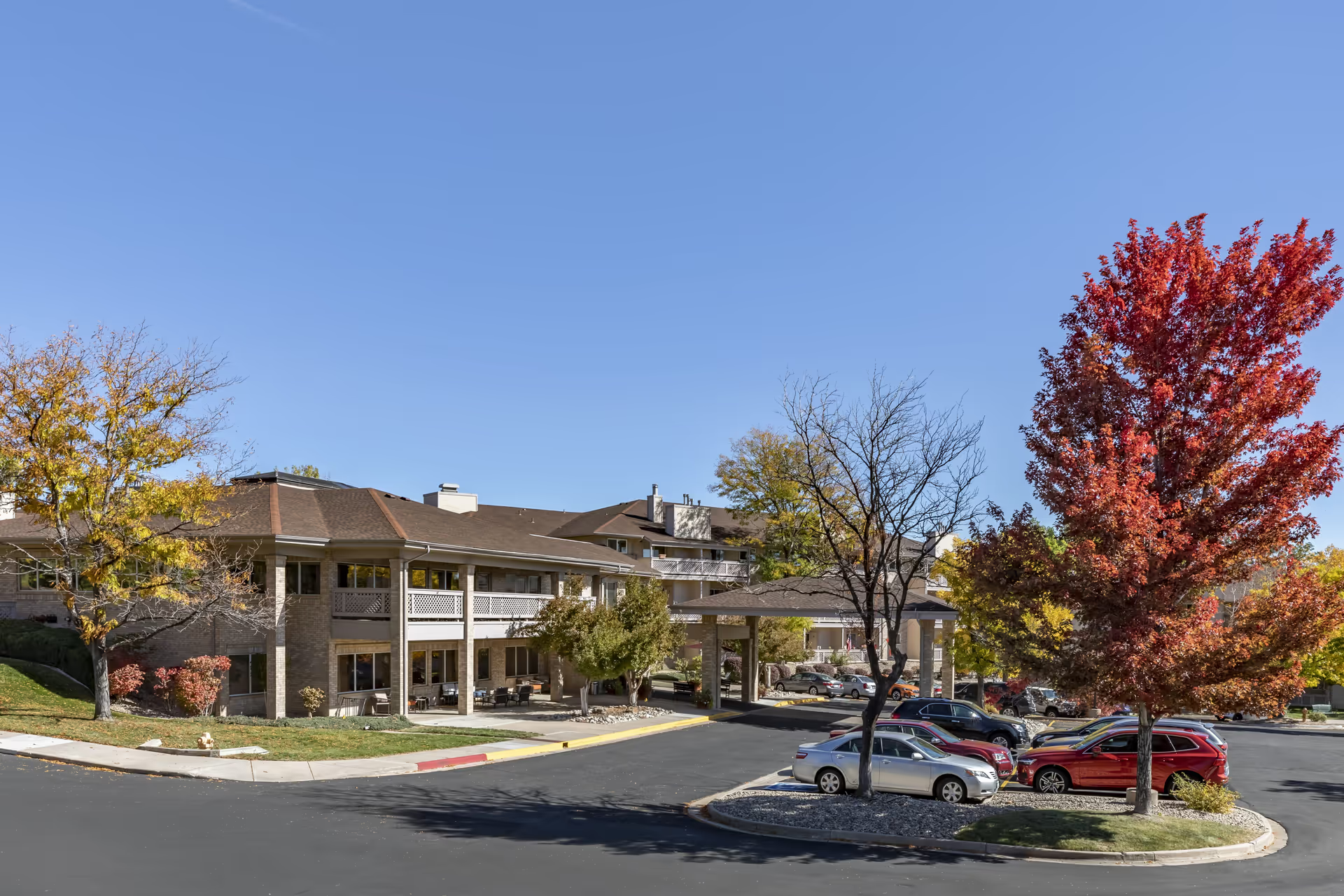
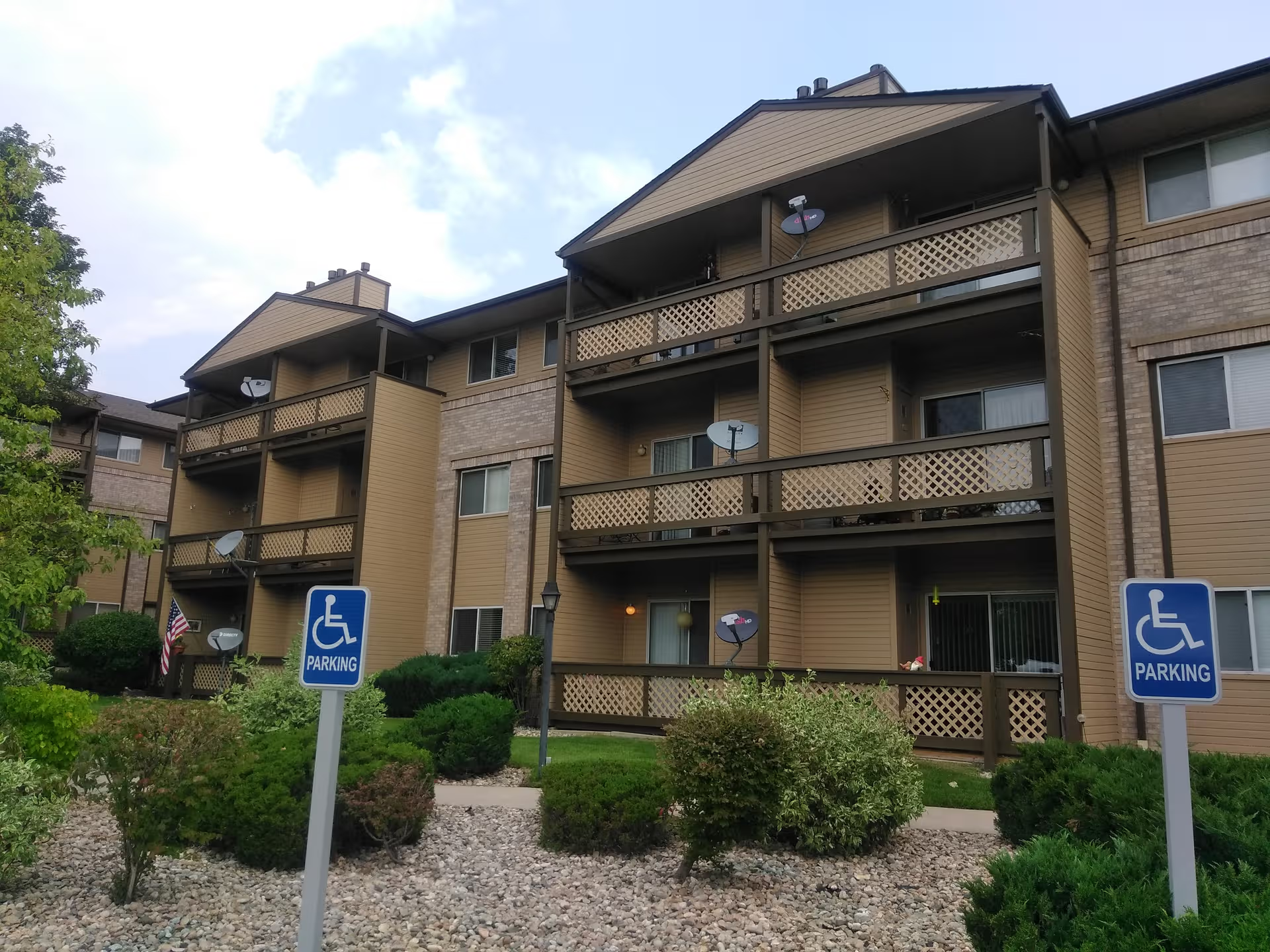
Golden Lodge presents a mixed profile: the physical plant and many frontline staff receive strong praise, while persistent operational weaknesses are cited across numerous accounts. The facility is frequently described as attractive, modern, and well-located with spacious, light-filled rooms, pleasant public areas, and a neighborhood-style memory care wing. Many families report compassionate caregiving, helpful move-in support, an active activities program when staffed, and examples of strong clinical coordination and leadership since a recent management change.
Care quality narratives are polarized. Positive accounts describe attentive, professional caregivers, effective transitions from hospice, and responsive care conferences. Conversely, multiple accounts raise substantive clinical concerns: inconsistent medication administration and documentation, gaps in clinical oversight, fall-related incidents with serious injuries, and incontinence-care inconsistencies. There are also allegations of theft and security lapses affecting resident belongings; these are serious claims that coexist with reports of diligent, trustworthy staff in other areas.
Staffing and culture vary over time. Reviewers commonly note chronic understaffing, high turnover, and episodic weekend or overnight shortages; at the same time, many families describe visible improvements under new leadership and single-staff members who are highly committed. Staff tone is described as warm and family-like by some and brusque or gruff by others. Communication and follow-through have improved in numerous accounts but remain an area of concern for several families, with billing errors and delayed responses reported in earlier periods.
Dining and activities show similar variability. A number of reviewers praise the chef, fresh lunches, and balanced portions; others cite overcooked or unappealing meals, slow service, and changes to meal schedules. Activity programming is often robust—sing-alongs, outings, arts, and social events—when staffing and leadership are stable, but availability and variety are described as inconsistent at times, particularly during low census or program transitions.
Facility maintenance and safety are mixed. The building, views, and room layouts are frequently commended, and weekly cleaning or cleaning-on-request is available. However, reviewers report episodic maintenance failures (HVAC, laundry equipment, plumbing/flooding) and cleanliness inconsistencies in resident rooms and some common areas. Several accounts also identify design or safety shortcomings in memory-care areas that could affect mobility- or wheelchair-dependent residents.
Overall pattern: experiences range from highly positive—highlighting strong, compassionate staff and recent cultural improvements—to critical, operationally focused complaints about staffing, medication oversight, sanitation, security, and inconsistent management. Several reviewers note that leadership changes appear to be producing improvements; others recommend exercising caution until staffing, clinical protocols, and regulatory issues are demonstrably stable. Prospective families should evaluate current staffing levels, medication and safety protocols, infection-control and sanitation practices, security measures for resident belongings, dining policies, and recent regulatory history during an in-person visit and care-conference discussion.