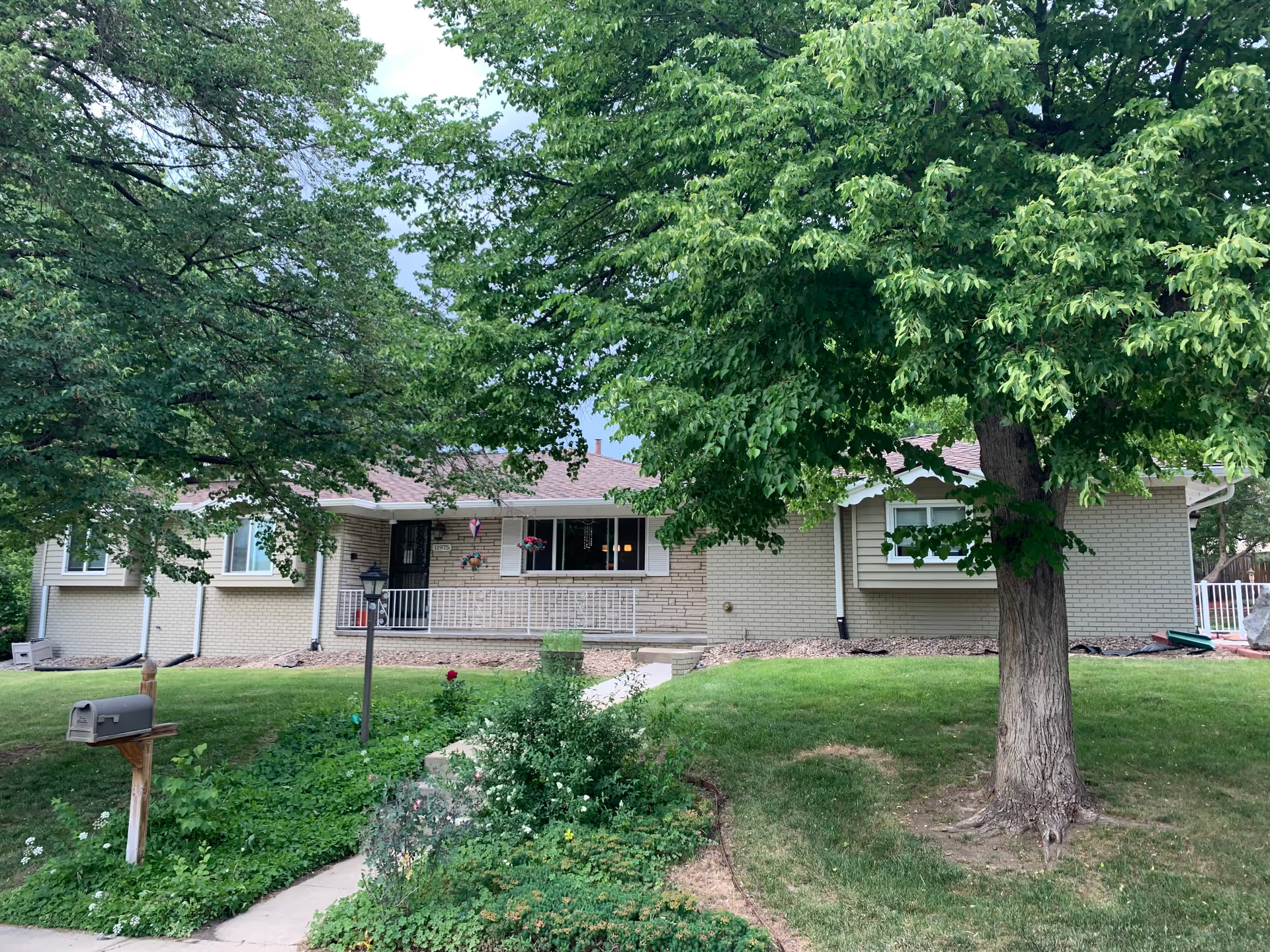
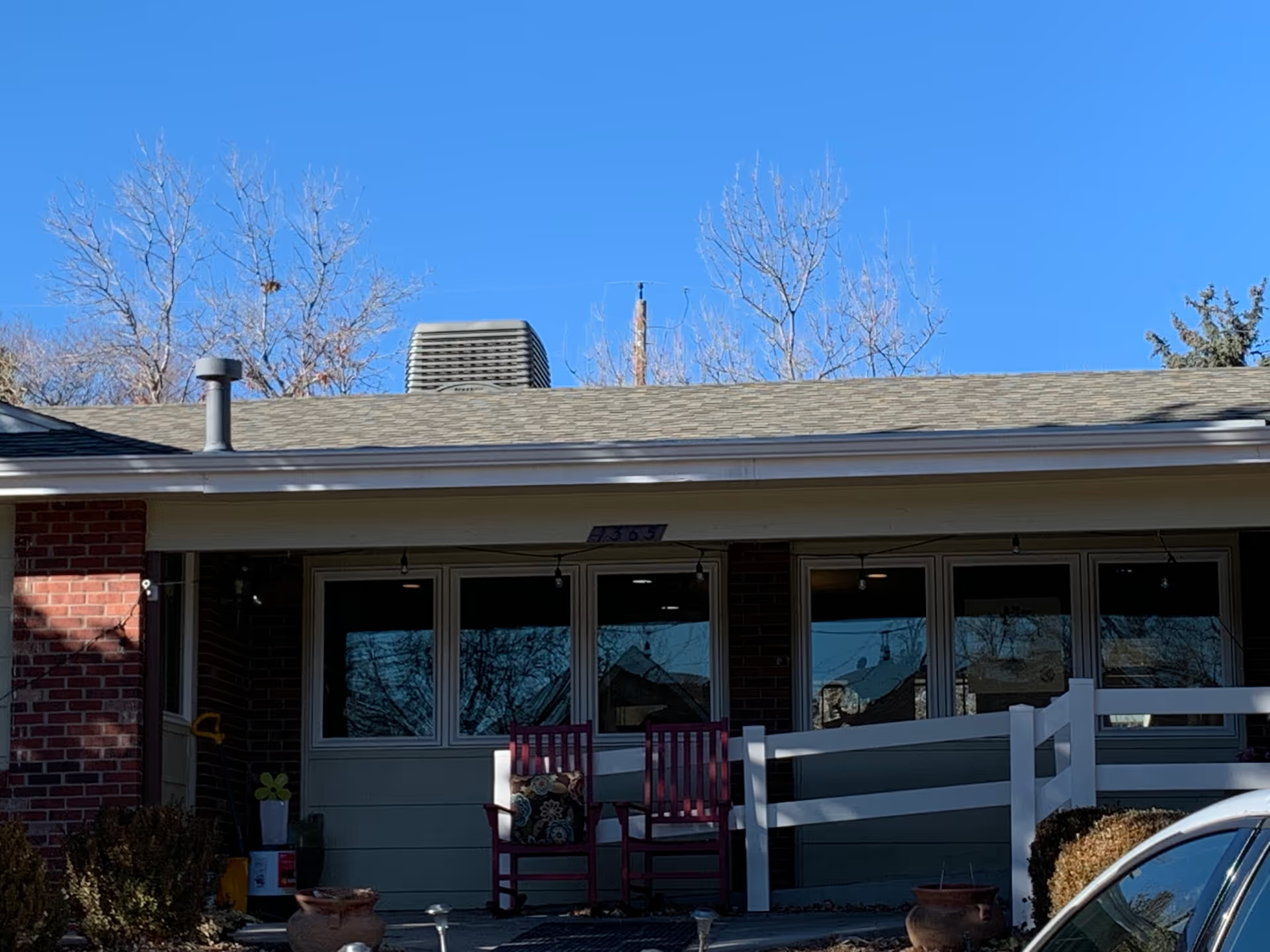
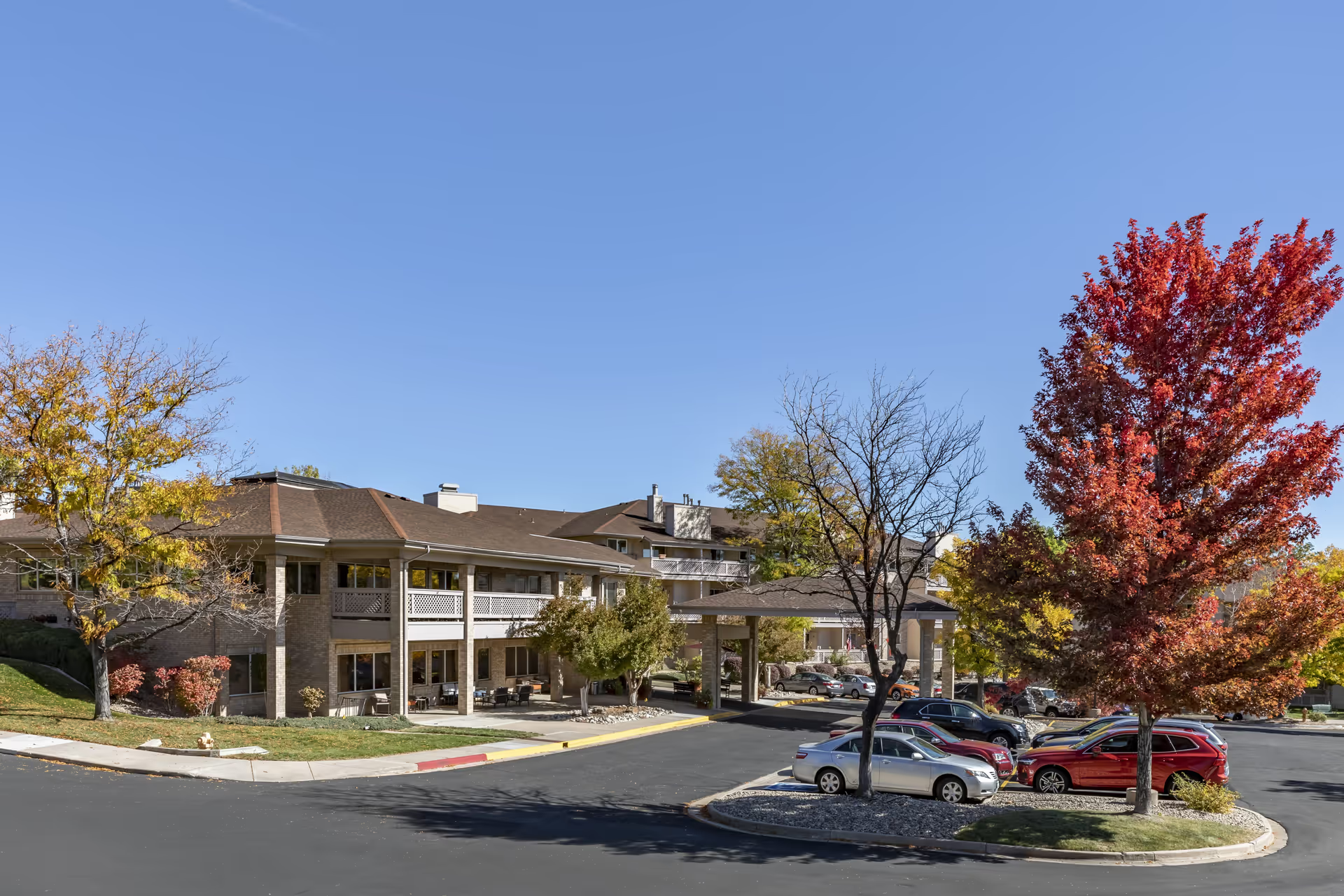
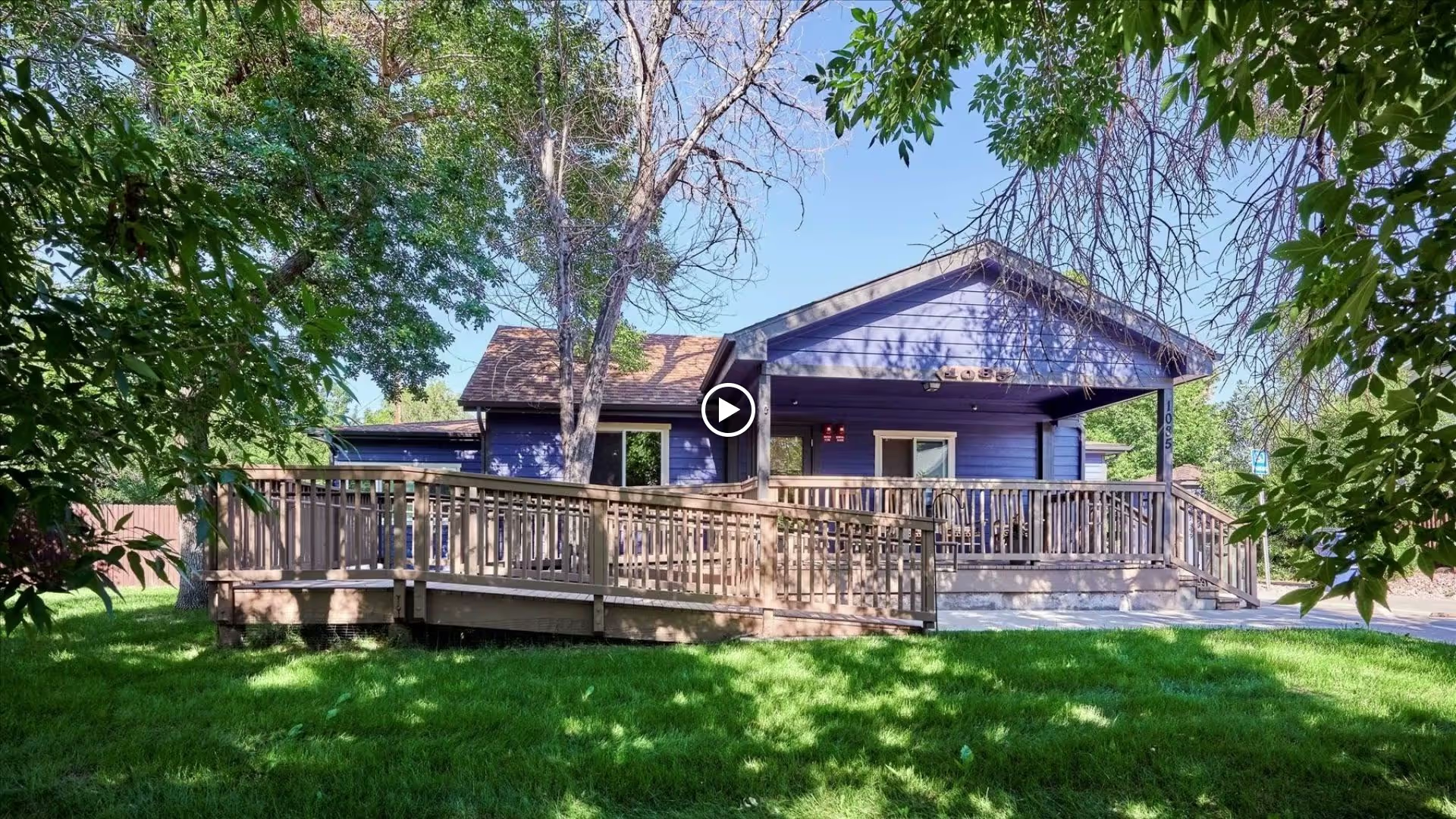
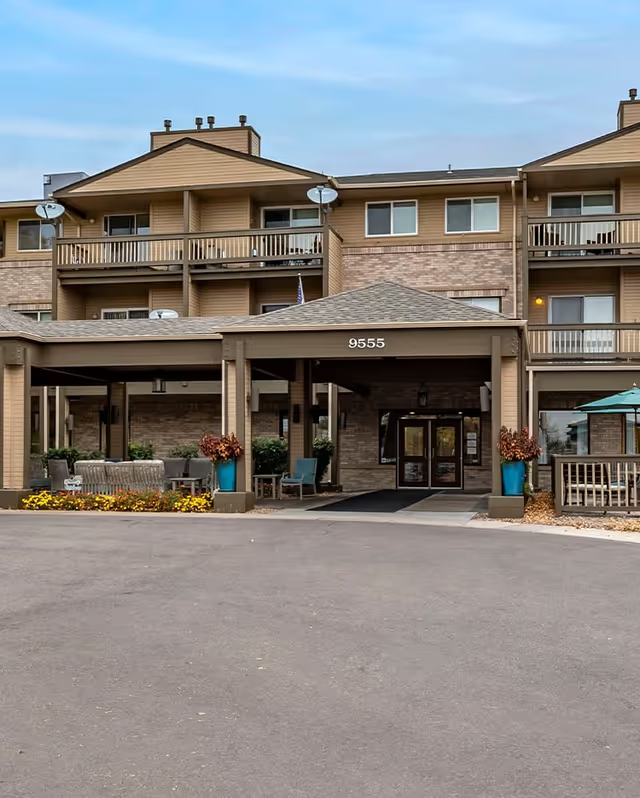
Reviews for MorningStar Assisted Living & Memory Care at Applewood present a mixed picture in which clear strengths coexist with recurring operational weaknesses. Positive accounts emphasize a number of caregiving staff who are compassionate, attentive, and willing to go beyond basic duties; several families singled out individual staff and activities personnel for consistently excellent support. The community offers a range of amenities that appeal to residents: bright, well-appointed apartments with pleasant views, home-like common areas, an on-site chef and fresh-meal programming, a varied activities calendar (music, bingo, art, bridge), transportation for outings, and pet-care options. When leadership and staffing are stable, reviewers describe a family-like atmosphere, strong executive direction, and visible improvements to environment and services.
Care quality and clinical oversight are areas of significant variability. Positive reports describe skilled memory-care teams and reliable assistance for residents with higher needs. However, many accounts identify gaps in medication administration, missed or delayed doses, and periods without consistent on-site nursing coverage. These clinical-process weaknesses have been linked by reviewers to delayed responses to resident needs and to instances of resident decline. As a result, families advise close monitoring of medication practices and staffing patterns during tour and admission discussions.
Staffing, training, and safety practices are recurring concerns. Reviewers cite high turnover, inconsistent staffing levels (particularly in memory care), and orientation or training shortfalls for new personnel. Safety practices such as fall-prevention, transfer routines, and wheelchair/seat locking have been described as uneven; maintenance delays (for example leaks or wet floors) have been cited as prolonged hazards. These operational patterns suggest that oversight of daily care routines and of facilities maintenance can be intermittent, and that prospective families should ask about current staffing ratios, clinical leadership coverage, and maintenance response times.
Dining and housekeeping show both praise and criticism. The community has an on-staff chef and multiple reports of appealing meals and special-feature entrees. Conversely, other reviewers describe inconsistent meal temperatures, menu shortages, or limited variety. Cleanliness and sanitation are similarly mixed: many reviewers found the facility clean and odor-free, while others noted cleanliness lapses and odor concerns in particular areas. Infection-control and outbreak-management were explicitly mentioned as uneven in some accounts, indicating the importance of asking about current procedures and recent public-health incidents.
Management, communication, and administrative policies are another dividing line. Positive reviewers note responsive directors and staff who address concerns and implement improvements; some families credit executive leadership with meaningful facility upgrades. At the same time, other reviewers describe weak follow-up, inconsistent front-desk service, confusing billing or Medicaid-acceptance processes, and slow problem resolution. There are also serious individual claims in the record, including allegations of theft and financial misconduct; these merit direct inquiry during visits and review of incident logs and safeguards.
Bottom line: the community demonstrates real strengths — engaged activities, a welcoming physical environment, and many devoted caregivers — but also shows repeated operational shortcomings around staffing consistency, medication management, maintenance responsiveness, and dining/cleanliness continuity. Prospective residents and families should tour when staff and leadership are on site, ask for current staffing ratios and clinical coverage, review recent infection-control and incident records, and obtain written policies on billing and Medicaid to assess whether the community’s current operational state aligns with the level of care required.