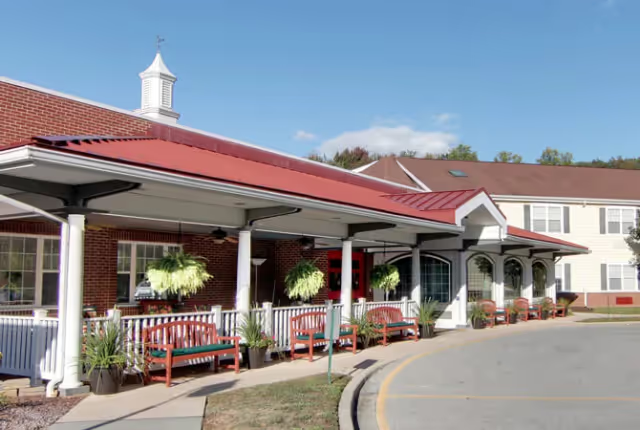
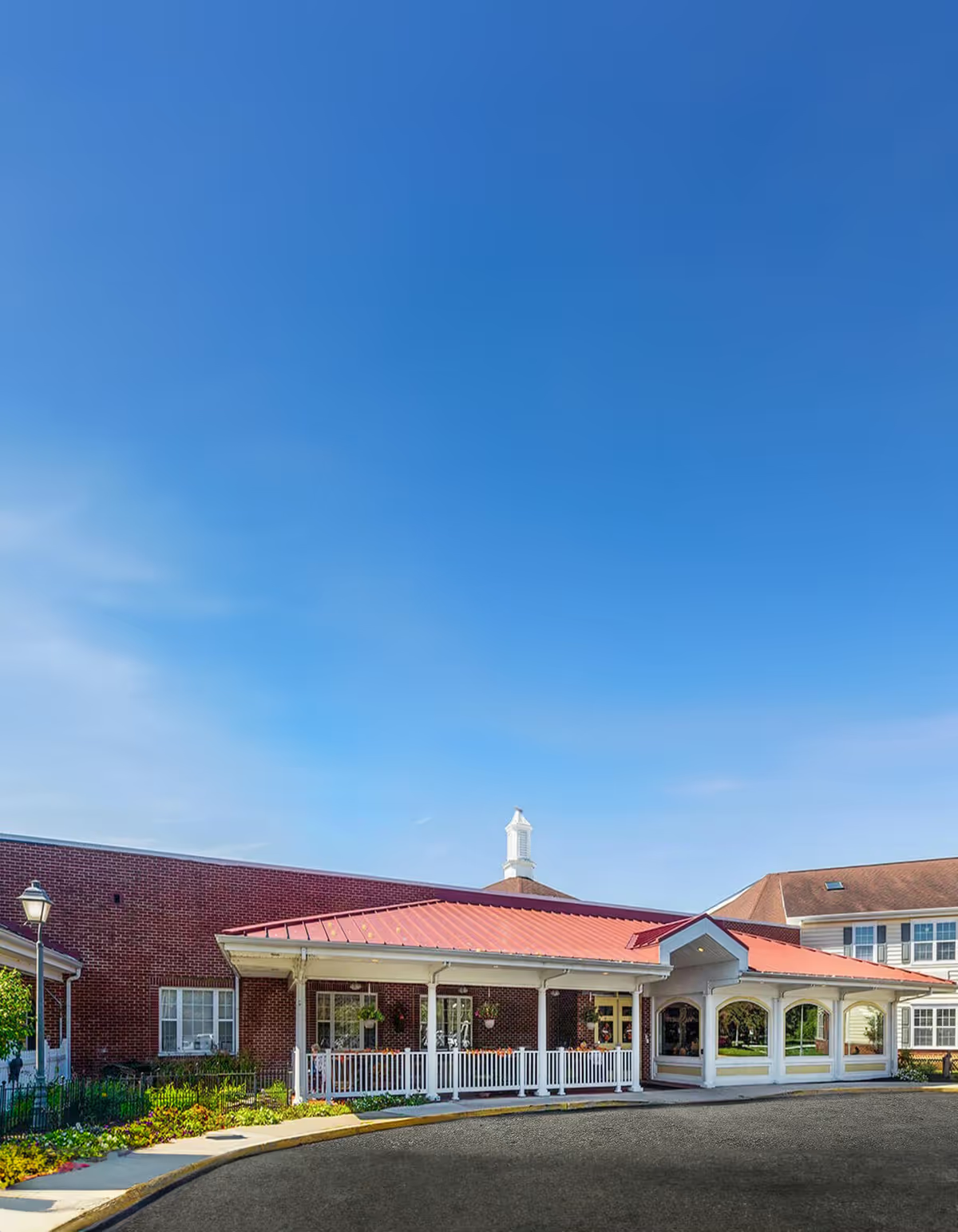
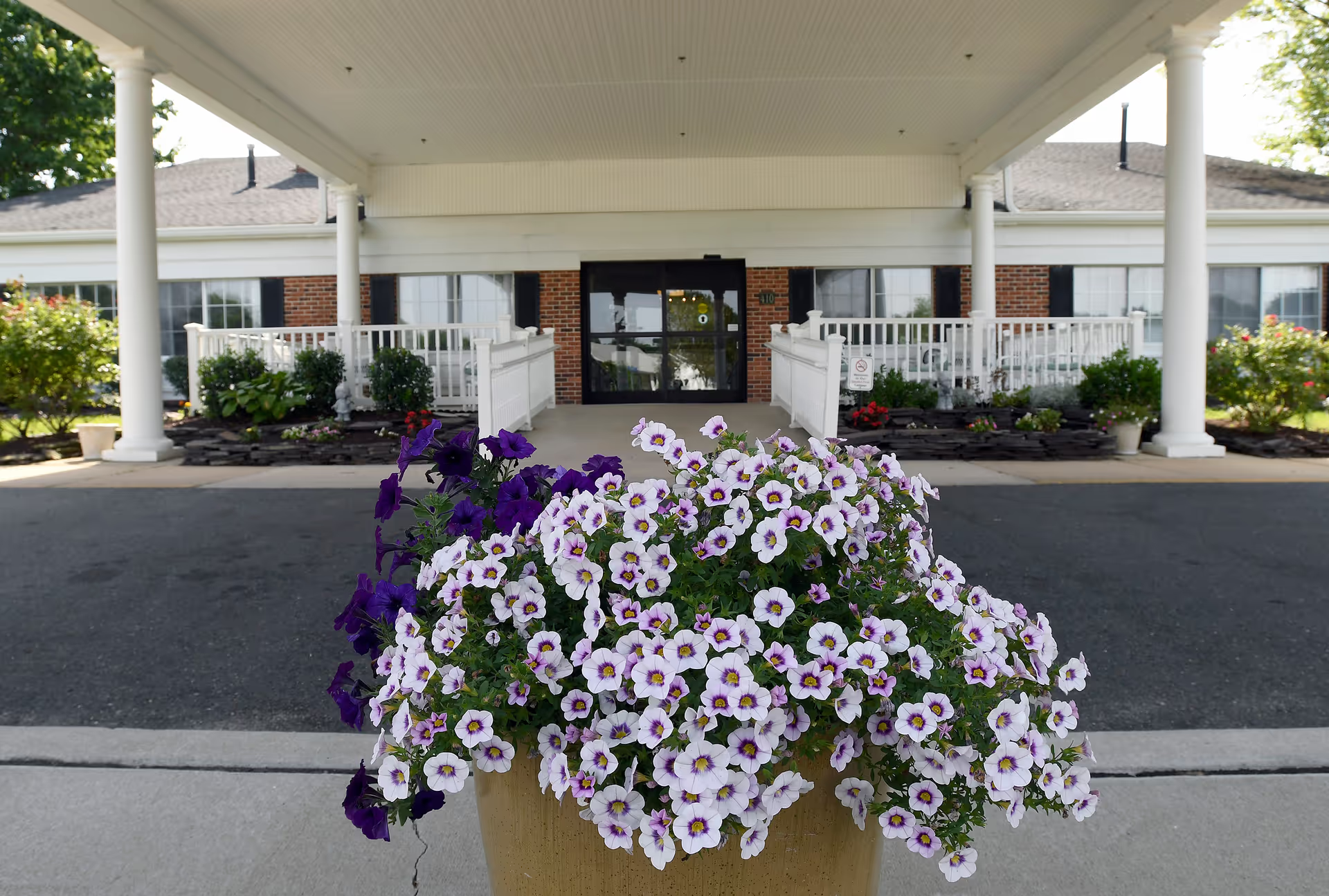
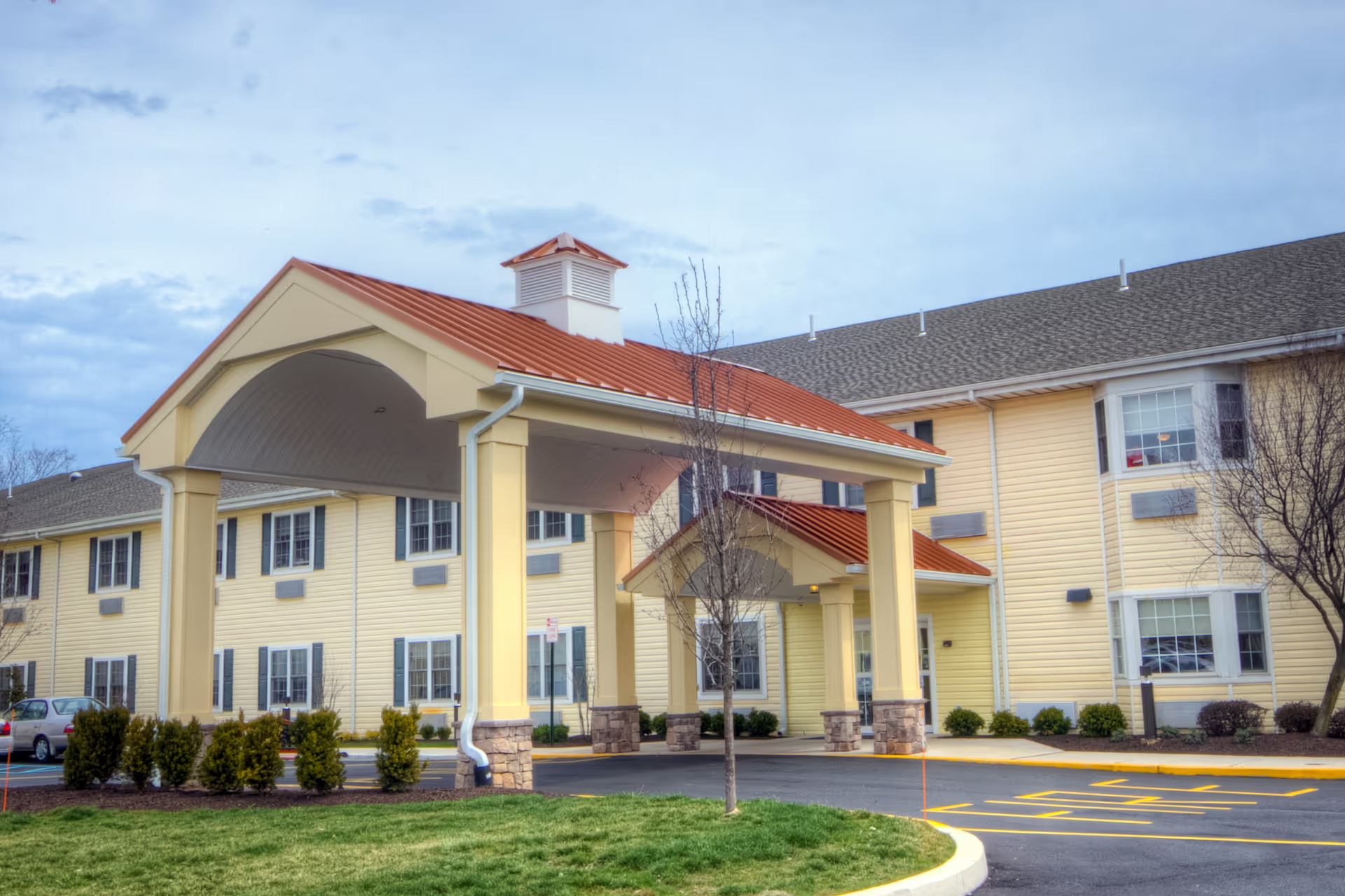
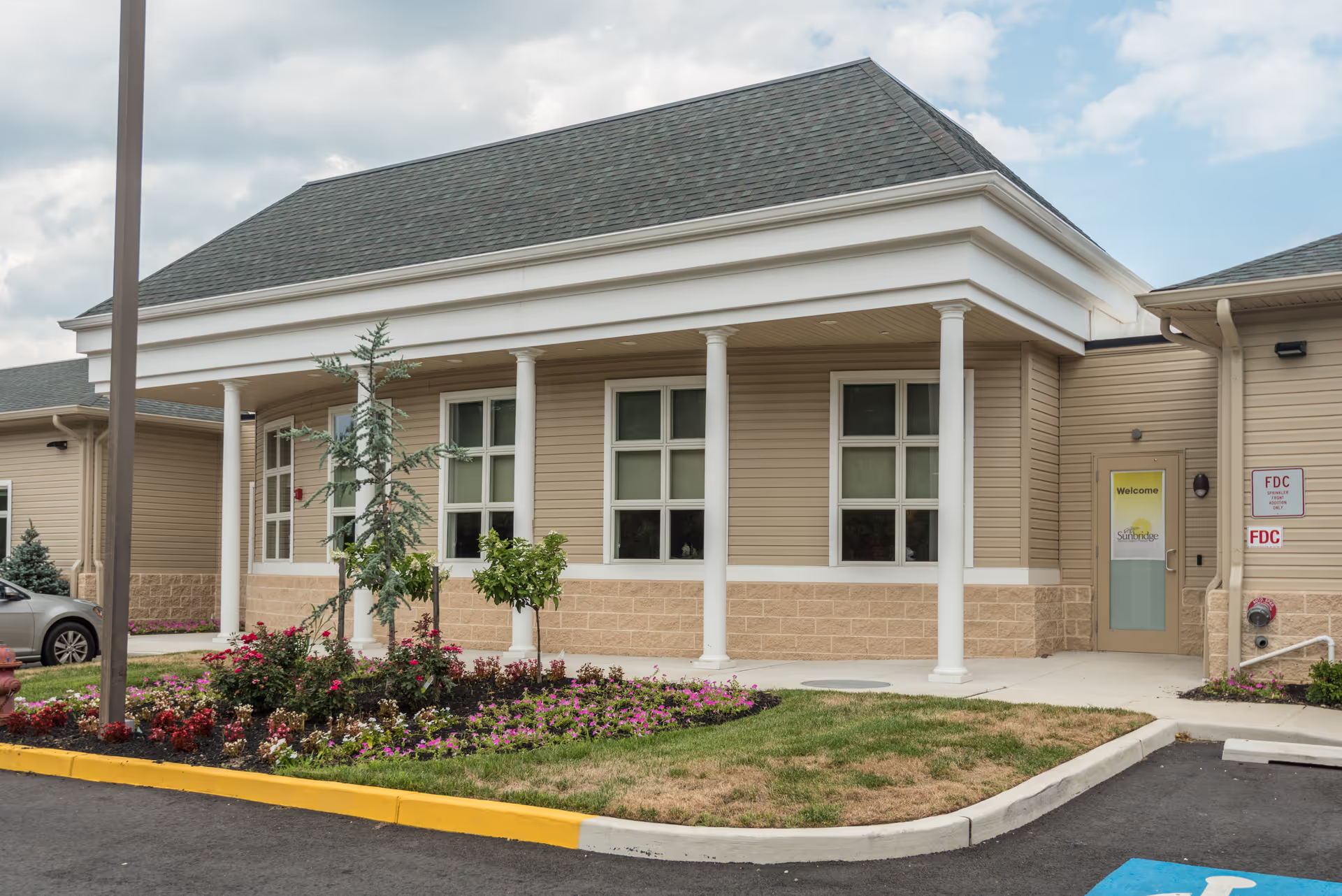
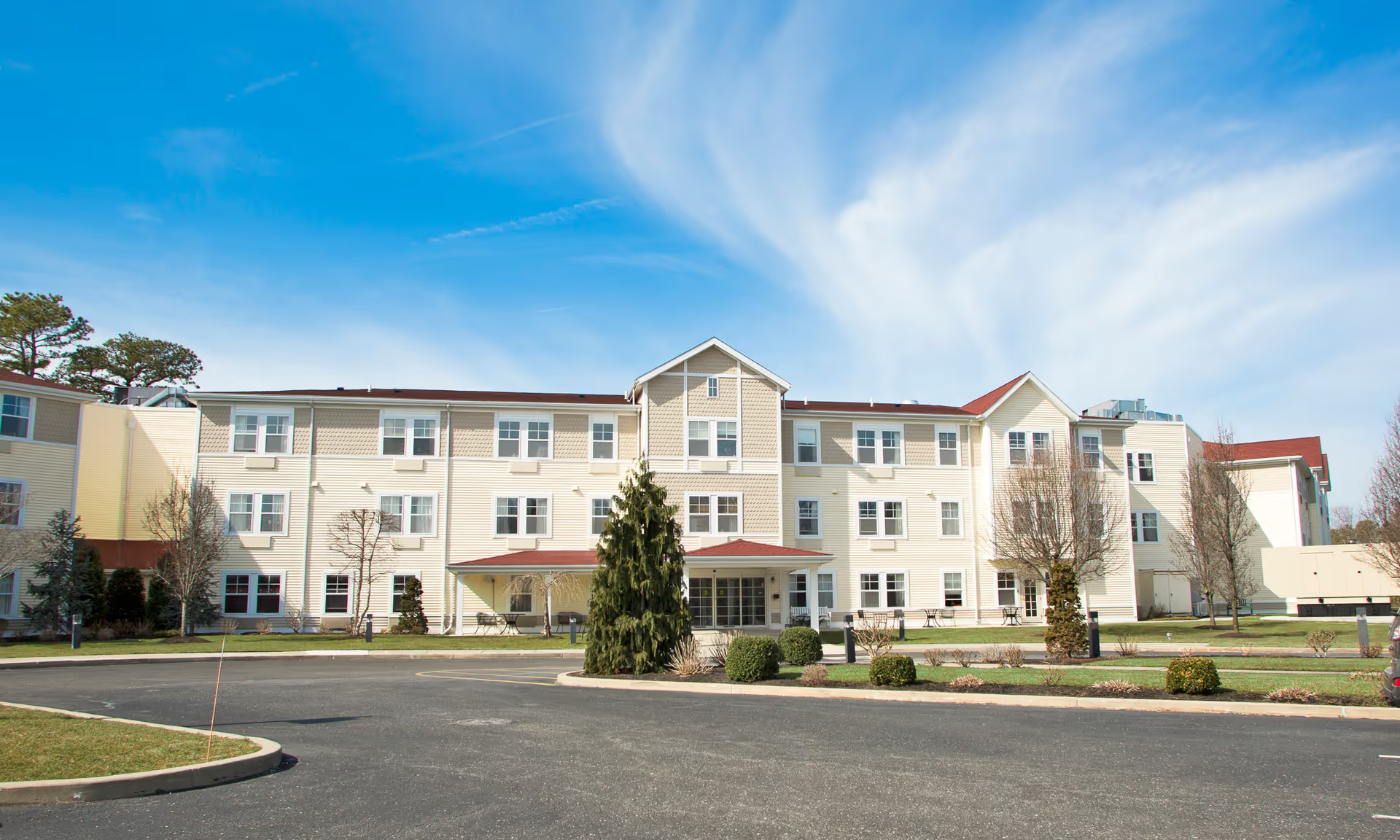
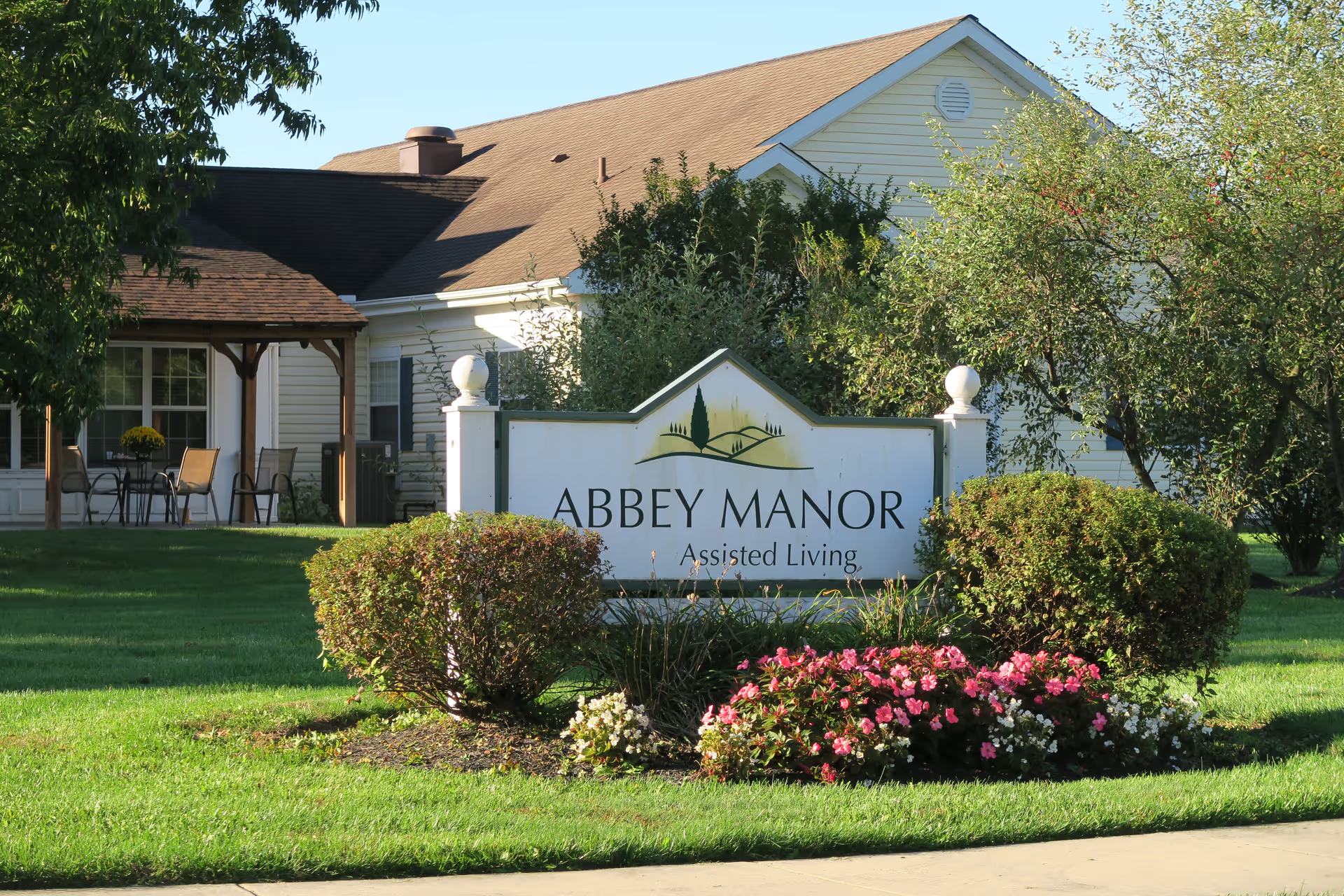
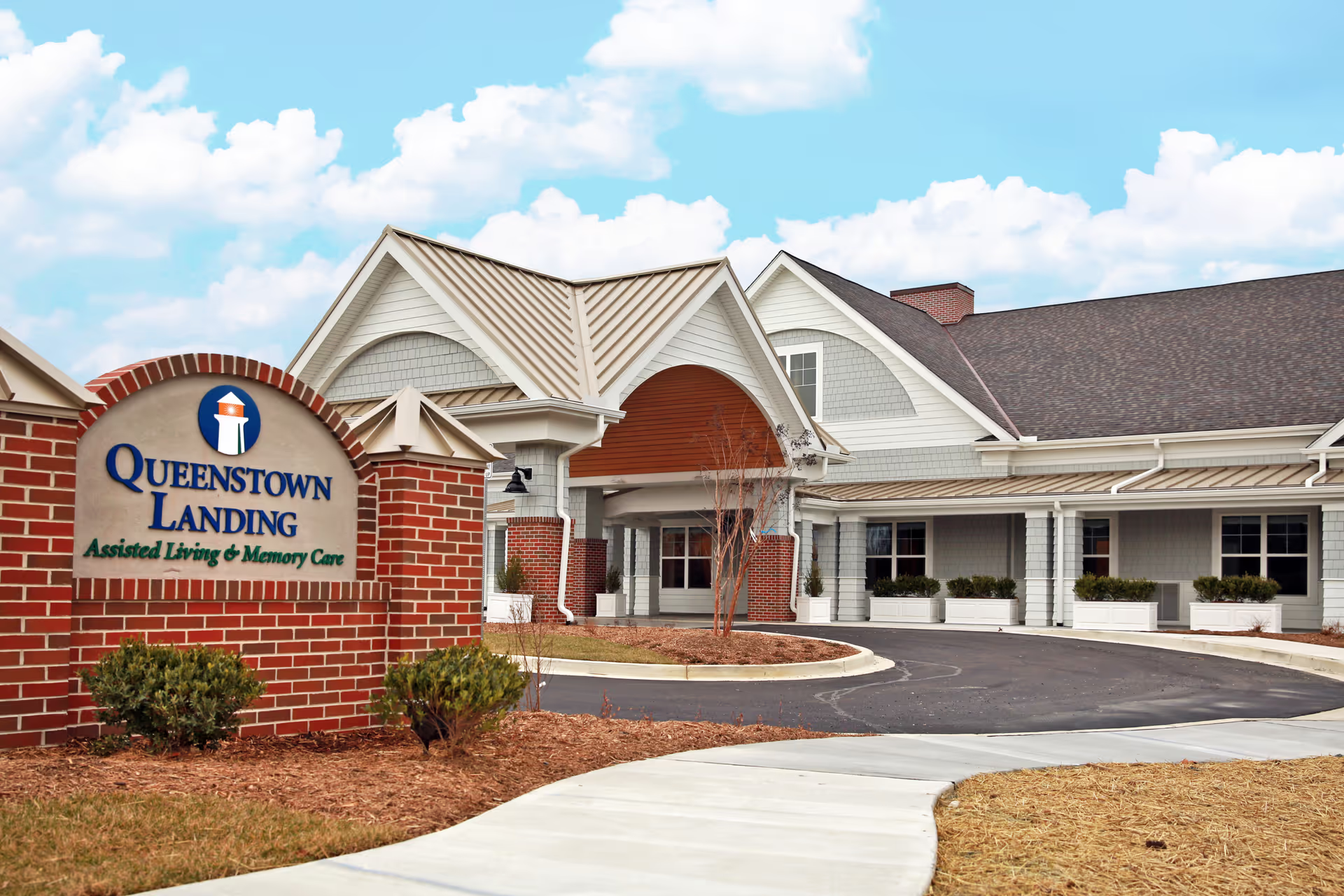
Harmony at Kent presents a clear contrast between a strong physical environment and recurring operational reliability problems. The community is frequently described as new, attractive, and well laid-out: spacious apartments (many with full kitchens and in-unit laundry), private patios and sunrooms, large elevators, a well-equipped fitness center, and dedicated therapy spaces. Common areas such as the dining room, library, and activity rooms are generally noted as pleasant and professionally maintained, and grounds and landscaping receive consistent praise. Transportation, salon services, on-site worship, and a concierge/front-desk presence are additional convenience features that appeal to independent residents.
Direct-care staff and life-enrichment personnel receive substantial positive feedback for friendliness, compassion, and engagement. Many reviewers highlight a welcoming admissions experience, helpful move-in support, and individual staff members who went above and beyond. The community offers a broad activity calendar (bingo, games, movie outings, gardening, themed socials, exercise classes) and on-site rehabilitation services, which contribute to social engagement and access to therapy. Memory-care spaces are described as thoughtfully designed with private bathrooms and a secure footprint.
Despite these strengths, consistent operational themes emerge. Staffing levels and turnover are recurring concerns: reviewers cite slow nursing responses, variable night coverage, and insufficient staff in memory care. These workforce issues intersect with care processes — families noted missed medication reminders, delayed pharmacy renewals, and inconsistent escorting and assistance to meals and activities. Housekeeping and area-specific sanitation were inconsistent in certain units and common spaces, creating uneven cleanliness experiences across the building.
Dining and food service are another polarized area. The facility offers restaurant-style dining and flexible meal options for independent residents, but reviewers report inconsistent meal quality, cold plates, long wait times, limited breakfast choices, and occasional inventory shortages. Dining-room staffing shortages and inconsistent service timing appear to be operational gaps that the community has at times resolved, but which recur often enough to be a pattern of concern.
Maintenance and building-systems reliability are notable weaknesses. Reviewers describe repeated HVAC outages, intermittent hot-water failures, plumbing blockages and flooding in apartments and showers, and electrical/wiring problems. These issues, combined with unfinished construction items and periodic elevator or alarm faults, have affected resident comfort and safety perceptions. Several reviews also raise concerns about after-hours security and emergency coverage, including front-desk availability and frequent false alarms — operational elements that prospective residents should verify.
Management and communication patterns are mixed. While some families found administration responsive and helpful, others experienced leadership turnover, delayed repairs after promises, inconsistent follow-through on billing or refunds, and unsatisfactory responses to escalated concerns. These contrasts suggest recent or ongoing management instability in certain departments (administration, maintenance, dining), which has impacted overall consistency.
For prospective residents and families: the community offers many desirable physical attributes and robust programming, and it can deliver a warm, active residential experience when staffing and maintenance systems are functioning. However, the persistence of staffing variability, dining-service inconsistencies, building-system failures, and episodic management turnover are operational risks to weigh. Recommended pre-move conversations include asking about current staffing ratios and turnover, maintenance response timelines and service-level agreements, specifics of the meal plan and what is included, after-hours security protocols, medication-administration procedures, and recent corrective actions the community or corporate office has taken to address the recurring system issues.