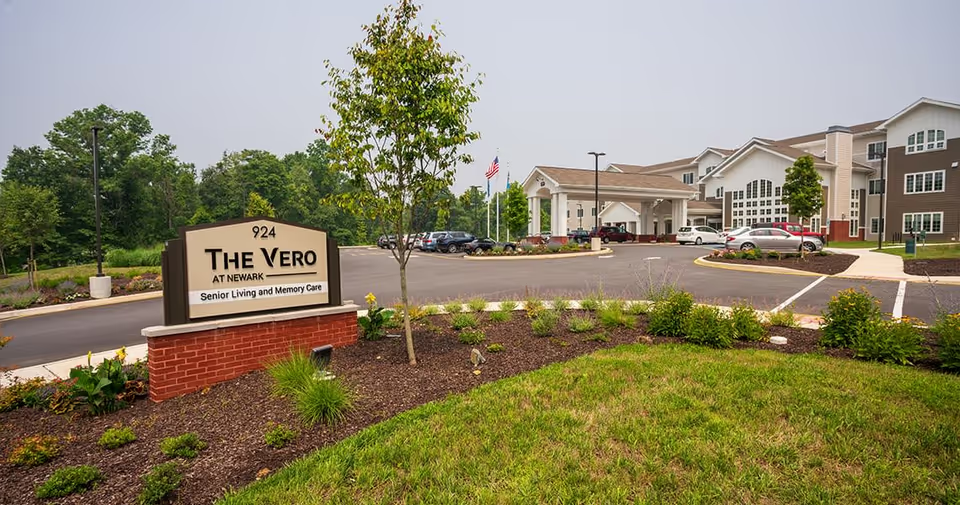
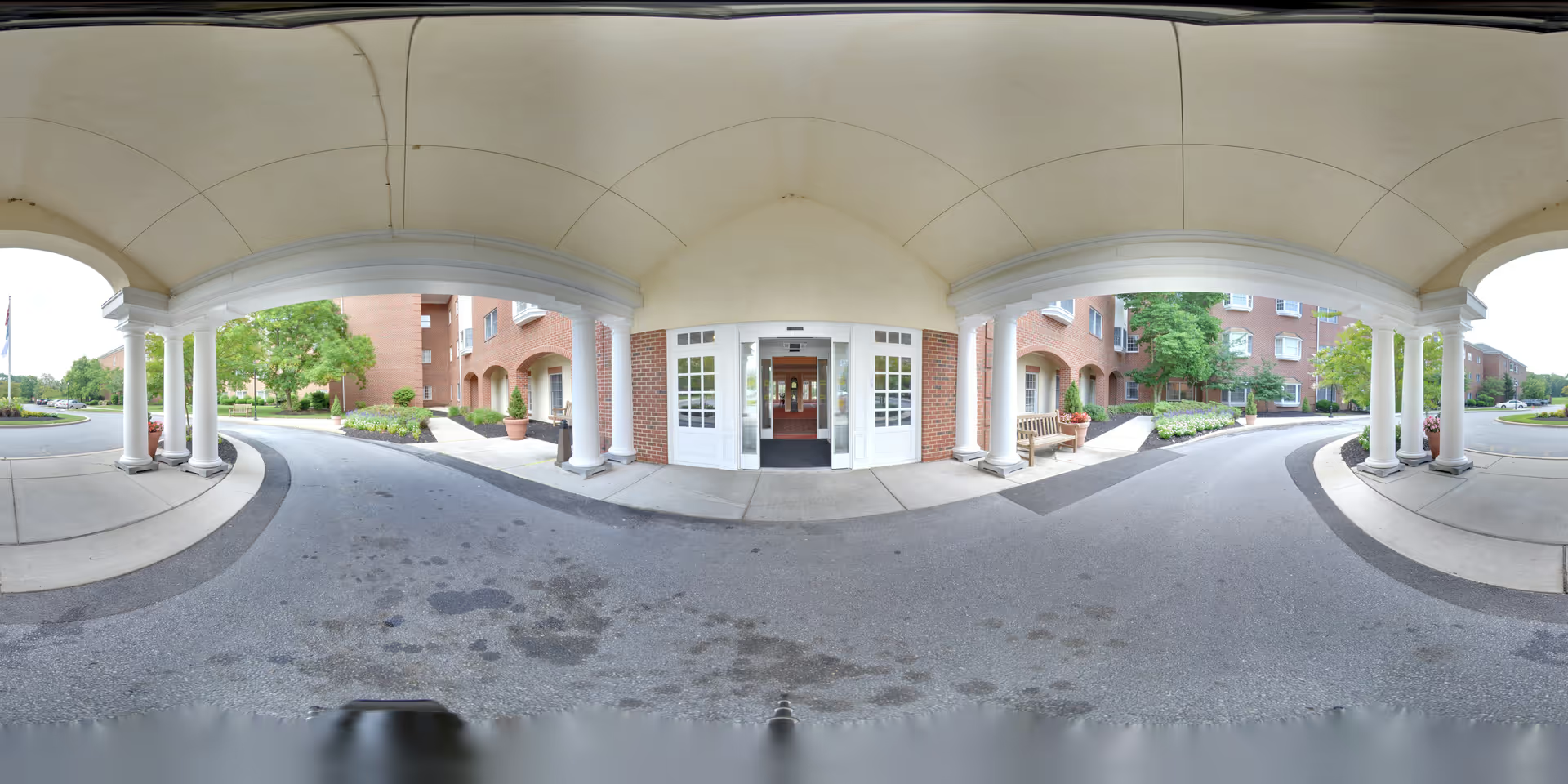
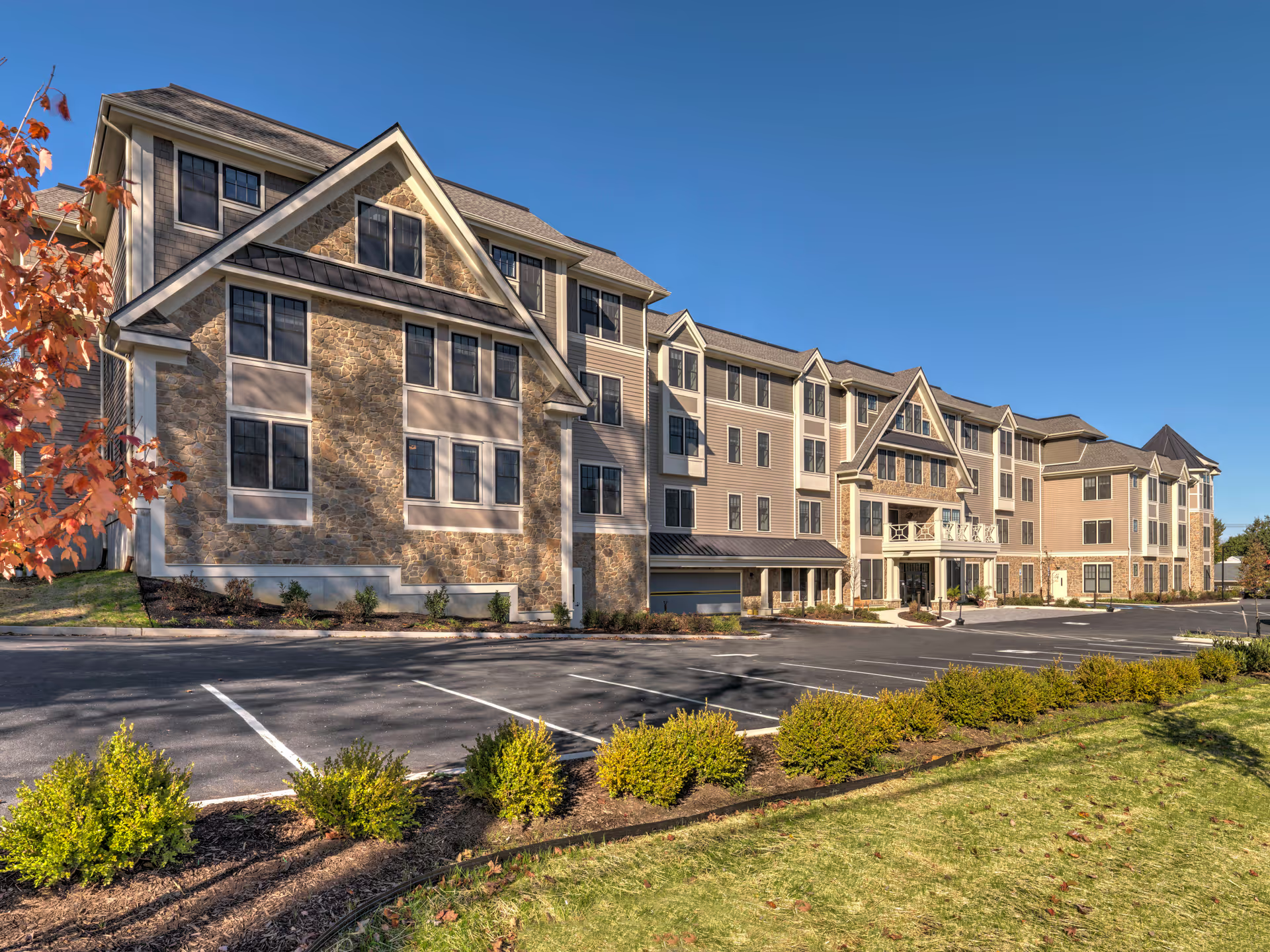
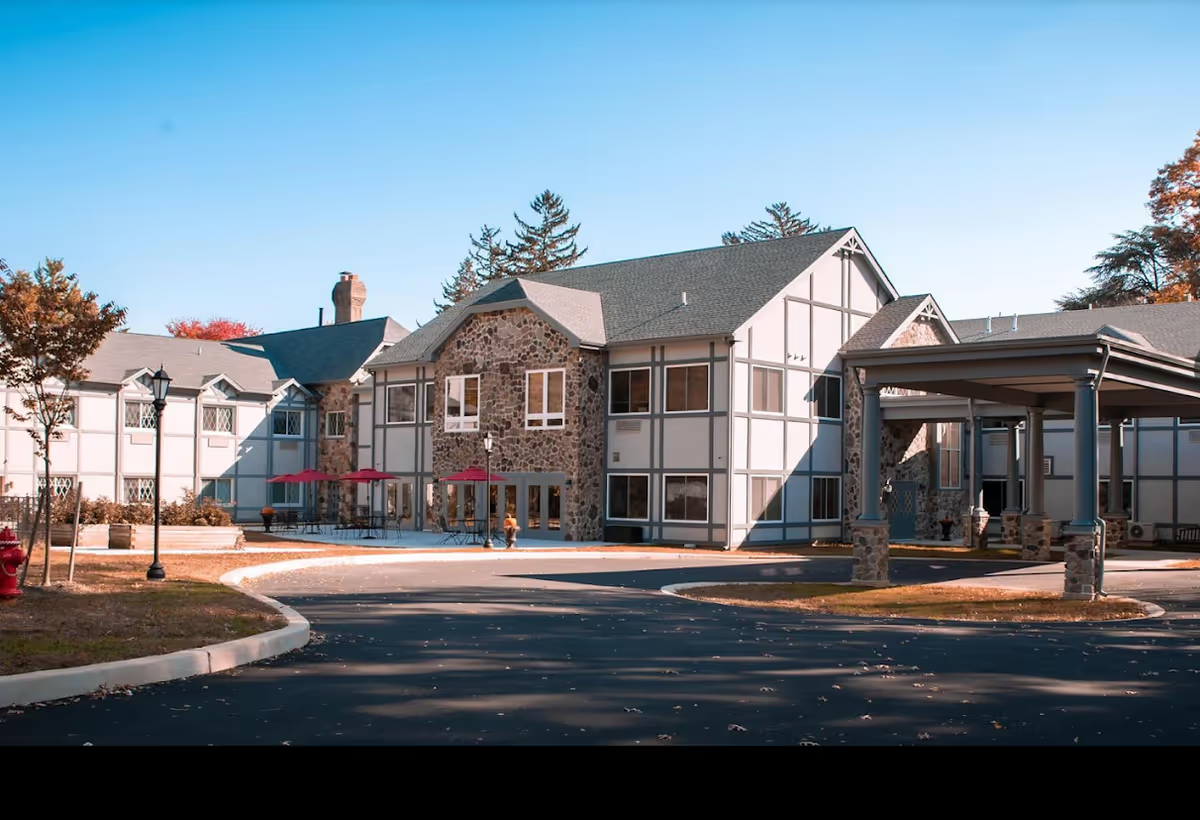
Brookdale Hockessin presents as a small, converted-mansion assisted living community with a strong emphasis on a homelike atmosphere and attractive grounds. Reviewers consistently highlight the building’s exterior, wooded lot, lobby, dining room, bird sanctuary and garden as welcoming features. Many families found the community clean, bright, and well kept; rooms are often described as spacious with large windows and pleasant views. The facility’s small size (about 54 rooms) is frequently cited as a benefit for ease of navigation and a family-like community feeling.
Staff and direct care receive mixed but prominent attention. Numerous accounts describe courteous, professional, and personally engaged caregivers who build first-name relationships with residents; several families praised specific leaders and the executive director for hands-on involvement. At the same time, there are recurrent operational concerns: chronic staffing shortages, frequent turnover, and intermittent aide scarcity were linked to delays in routine assistance and inconsistent care continuity. Communication gaps between nursing, aides, and families—along with examples of abrupt changes in care decisions after admission—contribute to uncertainty about day-to-day clinical management. In a few narratives there are serious claims about accountability that include allegations of theft and gaps in monitoring; these instances suggest prospective families should ask about oversight, incident reporting, and surveillance practices.
Dining and food service are polarized in the comments. Many visitors and residents praise the dining room experience, chef-prepared menus, and a gourmet or varied main dining offering. Conversely, in-room meal delivery and some individual meal experiences were described as inconsistent: incorrect orders, long waits, and variable tastes were noted. There are also couple of operational food-safety concerns referenced (pest-control near beverage/kitchen areas and questions about kitchen certification) that merit inquiry during a tour.
Activity programming and communal life are generally strengths. The community offers a broad menu of activities—bingo, painting, scrabble, live music, crafts, excursions, and exercise groups—as well as amenities such as a library, pool tables, and salon services. The small scale fosters social connections for many residents, though some families observed uneven participation among residents or found certain activities less professional in execution.
Facility-level operations and management present a mixed picture. Several families praised helpful marketing and admissions staff and a smooth move-in process, while others experienced unclear orientation, reception and scheduling confusion, or an impression of management focused on metrics over individualized attention. Contract and billing transparency emerged repeatedly as a concern—extra charges for services, billing for unused services, and uncertainty about the true cost of care were mentioned. Maintenance shortfalls and occasional dated bathroom fixtures were also noted, along with the facility’s limited breadth of services (for example, memory care may not be available on site).
Overall, Brookdale Hockessin appears to offer many environmental and social strengths that suit families seeking a smaller, homelike assisted living option with active programming and appealing communal spaces. Prospective residents should weigh those positives against operational patterns described in reviews: staffing instability, communication gaps, dining consistency issues, billing transparency questions, and occasional sanitation or oversight concerns. Practical steps for families considering this community include asking for current staffing ratios and turnover data, observing meal service at different times, reviewing the contract and all ancillary fees in writing, meeting nursing staff, and inquiring about kitchen certification, pest-control protocols, and incident-accountability procedures.